
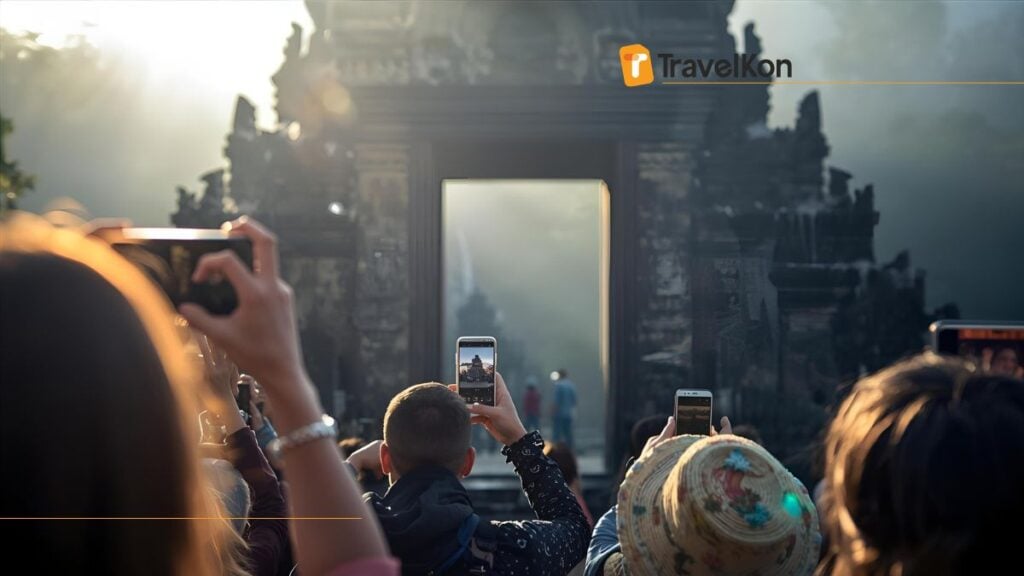
Pura temple Bali represents the spiritual heart of Indonesia’s most enchanting island through sacred Hindu sanctuaries scattered across its landscape. These sacred Hindu sanctuaries offer visitors a glimpse into centuries-old traditions, architectural marvels, and deeply rooted cultural practices. Each temple tells a unique story through intricate stone carvings, towering gates, and ceremonial courtyards that continue to serve as active places of worship.
Planning temple visits requires reliable connectivity to access maps, translation apps, and real-time information. Securing a Bali eSIM before arrival ensures seamless communication throughout the journey.
Research from Indonesia’s Ministry of Tourism shows that over 60% of international visitors to Bali include at least one pura temple Bali visit in their itinerary, with temple tourism contributing significantly to cultural preservation efforts across the island.
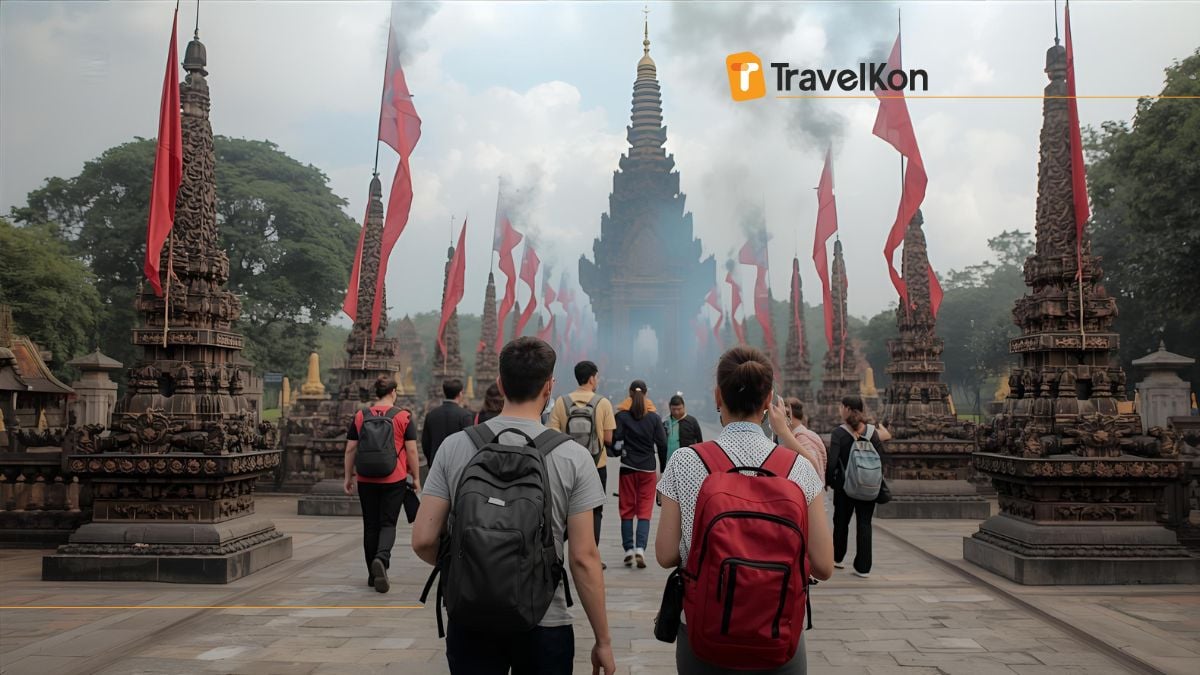

Which Bali eSIM Plans Offer Unlimited Data and Are They Worth It?
Staying connected whilst exploring Bali’s sacred sites makes navigating temple locations and understanding cultural protocols significantly easier. The Best esim for bali provides instant activation upon landing, eliminating the need to queue for physical SIM cards at airports or convenience stores.
Unlimited data plans typically range from 7 to 30 days, offering consistent 4G/5G coverage across popular pura temple Bali regions. These plans prove particularly valuable when accessing temple etiquette guides, booking ceremonial tour guides, or sharing experiences on social media platforms. The investment pays off through saved time, reduced stress, and the ability to access real-time information about temple ceremony schedules.
Most travellers find unlimited data plans worthwhile for trips exceeding five days, especially when visiting multiple pura temple Bali sites across different regions.
Tanah Lot Temple: Bali’s Iconic Ocean Guardian
Tanah Lot stands majestically on a large offshore rock formation, creating one of Bali’s most photographed temple silhouettes. Located in Beraban village, Tabanan regency, approximately 20 kilometres northwest of Kuta, this 16th-century sea temple remains easily accessible via taxi or private transport. The temple opens daily to international visitors, though entry to the main shrine remains restricted to Hindu worshippers only.
Key visiting information includes:
- Best visiting times: Late afternoon between 4-6 PM for spectacular sunset views
- Access restrictions: Non-Hindu visitors cannot enter the main temple structure
- Dress code: Sarong and sash required (available for rent at entrance)
- Peak seasons: July-August and December-January see largest crowds
Avoid visiting during Nyepi (Balinese New Year, typically March) when the entire island observes a day of silence. The temple sits 30 minutes from Ngurah Rai International Airport, making it an ideal first or last-day destination.
Uluwatu Temple: Clifftop Sanctuary Above Crashing Waves
Perched 70 metres above the Indian Ocean on dramatic limestone cliffs, Uluwatu Temple offers breathtaking panoramic views alongside spiritual significance. This 11th-century temple sits at the southwestern tip of Bali’s Bukit Peninsula, accessible via a well-maintained road from Seminyak (approximately 45 minutes) or Nusa Dua (30 minutes). International tourists receive warm welcomes, though inner sanctum access remains restricted to worshippers.
Essential visitor details:
- Opening hours: 9 AM to 6 PM daily
- Notable feature: Traditional Kecak fire dance performances at sunset
- Wildlife alert: Cheeky monkeys known to snatch loose belongings
- Photography: Permitted in most areas except inner sanctum
Skip visits during Galungan and Kuningan ceremonies (every 210 days) when temples fill with local devotees performing elaborate rituals. The clifftop location provides natural cooling breezes, offering respite from tropical heat.
Besakih Temple: The Mother Temple Complex
Besakih stands as Bali’s largest and holiest temple complex, comprising 23 separate but related temples sprawled across Mount Agung’s southwestern slopes. Located in Karangasem regency, approximately 90 kilometres northeast of Denpasar, this vast spiritual site requires 2-3 hours minimum for meaningful exploration. The temple welcomes international visitors daily, though certain inner temples remain off-limits during major ceremonies.
Practical visiting information:
- Journey time: 2 hours from Ubud, 2.5 hours from Seminyak
- Elevation: 1,000 metres above sea level, bringing cooler temperatures
- Guide recommendation: Local guides help navigate the extensive complex
- Entrance preparation: Steep steps require moderate fitness levels
Avoid planning visits during Piodalan temple anniversary celebrations (dates vary by Balinese calendar) when complexes close to tourists. The mountain setting means weather changes rapidly, so carrying light rain protection proves wise.
Tirta Empul Temple: Sacred Spring Water Purification
Tirta Empul has served as a holy water temple and national cultural heritage site since 960 AD. Situated in Manukaya village near Tampaksiring, about 39 kilometres northeast of Denpasar, this temple attracts both tourists and Balinese Hindus seeking spiritual cleansing. International visitors can participate in purification rituals under proper guidance, though respectful observation remains equally welcomed.
Temple highlights include:
- Sacred springs: 13 fountains with different spiritual purposes
- Ritual participation: Modest swimwear and sarongs required for purification
- Historical significance: Presidential palace overlooks the temple grounds
- Facilities: Changing rooms available for ritual participants
Steer clear of visits during Purnama (full moon) ceremonies when locals flood the temple for special prayers. The temple sits 15 minutes from Tegalalang Rice Terraces, allowing easy combination visits.
Ulun Danu Beratan Temple: Mountain Lake Sanctuary
Ulun Danu Beratan appears to float ethereally on Lake Beratan’s misty waters in Bali’s central highlands. Located in Bedugul, Tabanan regency, approximately 50 kilometres north of Denpasar, this 17th-century temple dedicated to water goddess Dewi Danu draws photographers and spiritual seekers alike. The temple complex opens daily to international tourists, offering relatively unrestricted access to most areas.
Visitor essentials:
- Climate: Cool mountain temperatures (15-20°C), warmer clothing recommended
- Photography: Iconic meru (multi-tiered shrines) create stunning lake reflections
- Nearby attractions: Botanical gardens and traditional market within walking distance
- Best timing: Early morning (7-9 AM) for fewer crowds and clearer views
Avoid weekend visits when domestic tourists from Denpasar arrive in large numbers. The highland location means afternoon fog often obscures views, making morning visits preferable.
Goa Gajah Temple: Ancient Elephant Cave Mystery
Goa Gajah, or Elephant Cave, dates back to the 9th century and features intricate rock-wall carvings and meditation spaces. Situated just 6 kilometres southeast of Ubud, this archaeological site provides convenient access for travellers based in central Bali. International visitors explore freely, though the cave interior allows single-file entry only due to narrow passages.
Temple characteristics:
- Central feature: Menacing demon face carved around cave entrance
- Interior: T-shaped meditation chamber with niches for contemplation
- Grounds: Beautiful bathing pools and fountains uncovered in 1950s
- Duration: 45-60 minutes sufficient for thorough exploration
Skip visits during Saraswati Day (every six months) when students and scholars flood the site for blessing ceremonies. The temple sits close to several artisan villages, making combined cultural tours practical.
Pura Luhur Batukaru: Mountain Temple Solitude
Pura Luhur Batukaru nestles in the rainforest on Mount Batukaru’s southern slopes, offering one of Bali’s most serene temple experiences. Located in Tabanan regency, approximately 35 kilometres northwest of Ubud, this mountain sanctuary sees far fewer visitors than coastal temples. International tourists receive warm welcomes, though the remote location requires dedicated travel effort.
Important details:
- Setting: Dense jungle surroundings with frequent rain and mist
- Architecture: Seven-roofed meru dedicated to mountain spirits
- Access: Winding mountain roads require careful driving or experienced driver
- Atmosphere: Quiet, meditative environment ideal for contemplation
Avoid rainy season visits (November-March) when roads become slippery and leeches emerge in surrounding forests. The temple’s elevation provides cooler temperatures and fresh mountain air.
Taman Ayun Temple: Royal Water Garden Heritage
Taman Ayun served as the royal temple of Mengwi Kingdom and showcases classical Balinese architecture surrounded by lotus ponds. Located in Mengwi, Badung regency, about 18 kilometres northwest of Denpasar, this UNESCO World Heritage site offers easier access than mountain temples. International visitors stroll freely through outer courtyards, though inner sanctum entry remains restricted.
Key features:
- Gardens: Expansive landscaped grounds perfect for leisurely walks
- Architecture: Multiple meru towers representing different deities
- Moat: Traditional water channels encircle the complex
- Condition: Well-preserved restoration completed in 2014
Avoid Odalan temple anniversary ceremonies (every 210 days) when spaces fill with offerings and worshippers. The temple sits midway between Tanah Lot and Ubud, making route planning convenient.
Lempuyang Temple: Gateway to Heaven’s Steps
Lempuyang Luhur sits atop Mount Lempuyang, famous for its “Gateway to Heaven” split gate framing Mount Agung perfectly. Located in Karangasem regency, eastern Bali, approximately 88 kilometres from Denpasar, this pilgrimage site demands physical effort but rewards with spectacular views. International tourists can visit freely, though the 1,700-step climb requires good fitness and early morning starts.
Essential information:
- Famous photo spot: Split gates with Mount Agung backdrop go viral on social media
- Climbing time: 2-3 hours to reach the top temple
- Alternative: Motorbike transport available partway up the mountain
- Facilities: Basic refreshment stalls along the route
Skip visits during Galungan week when pilgrims throng the stairs for blessing ceremonies. Starting climbs before 7 AM avoids heat and secures better photo opportunities before clouds obscure mountain views.
Goa Lawah Temple: Sacred Bat Cave Guardian
Goa Lawah stands at the mouth of a cave housing thousands of bats, creating an atmospheric spiritual site. Situated in Pesinggahan, Klungkung regency, along Bali’s southeastern coast about 50 kilometres from Denpasar, this temple offers quick yet memorable visits. International tourists explore outer temple areas freely, whilst cave entry remains forbidden to non-worshippers.
Visiting considerations:
- Unique feature: Thousands of fruit bats roosting in cave ceiling
- Duration: 30-45 minutes typically sufficient for complete visit
- Location advantage: Positioned on main road to Amed and East Bali
- Combination tours: Often paired with Besakih Temple day trips
Avoid visits during Kuningan ceremonies when temple activities intensify and access becomes limited. The coastal location provides refreshing sea breezes, though midday sun can prove intense.
Final Thoughts on Exploring Bali’s Sacred Temples
Visiting pura temple Bali sites creates unforgettable cultural experiences that deepen understanding of Balinese spirituality and traditions. Each temple offers distinct architectural styles, historical significance, and breathtaking natural settings that showcase why Bali remains Indonesia’s premier cultural destination.
Respecting dress codes, ceremony schedules, and sacred spaces ensures positive interactions with local communities whilst preserving these ancient sites for future generations.Staying connected with an esim for bali helps travellers access up-to-date temple schedules, navigate unfamiliar routes, and verify current entry requirements.
Temple policies, ceremony dates, and access restrictions frequently change, so seeking current information through official tourism websites or local guides shortly before visits prevents disappointment. Confirming the latest details ensures respectful, well-planned temple experiences across this magnificent island.

