Thailand

Flights to Thailand From India

Flights to Thailand From Major Countries, What the Journey Actually Costs and Takes

Thailand sits in Southeast Asia, roughly equidistant between Europe and Australia, which creates vastly different flight experiences depending on where you’re coming from. For European travelers, it’s a long but manageable overnight flight. For Americans, it’s a marathon involving connections. For Australians, it’s a relatively short hop. Understanding what your specific route involves; duration, typical costs, connection points, and booking strategies; makes the difference between a smooth journey and an exhausting one. The routes covered here represent the major corridors to Thailand: UK, US, Australia, Canada, India, and South Africa. Each has distinct patterns in pricing, flight duration, and airline options that are worth understanding before you start searching for tickets. Flights to Thailand From the UK Who This Route Is For, UK travelers to Thailand represent one of the most established routes, with multiple daily flights and strong competition keeping prices reasonable. This suits both budget backpackers and couples willing to pay for convenience. Flight Distance & Duration, London to Bangkok covers roughly 9,500 kilometers. Direct flights take 11-12 hours overnight. One-stop flights via Middle Eastern hubs add 2-4 hours depending on layover length, totaling 14-16 hours door-to-door. Main Departure Cities, London Heathrow dominates, with Gatwick and Manchester offering additional options. Regional airports like Birmingham and Edinburgh typically require connections through London or European hubs. Airlines Flying to Thailand, Thai Airways, British Airways, and EVA Air operate direct flights. Qatar Airways, Emirates, Etihad, and Turkish Airlines offer competitive one-stop options via Doha, Dubai, Abu Dhabi, and Istanbul respectively. Direct vs Connecting Flights, Direct flights cost £450-800 return during off-peak, £600-1000+ during peak (December-January, July-August). One-stop flights via Middle East run £350-650, sometimes cheaper than direct options but adding travel time. Average Flight Prices, Expect £400-600 for good deals booked 2-3 months ahead. Peak season (Christmas, New Year, July-August) pushes prices to £700-1200. Last-minute bookings rarely offer savings. Best Time to Book, Book 8-12 weeks ahead for shoulder season (April-June, September-October). For peak season, 3-4 months ahead prevents price surges. Tuesday and Wednesday departures typically cost less than Friday-Sunday. Arrival Airports in Thailand, Most flights land at Bangkok’s Suvarnabhumi Airport (BKK). Some budget carriers use Don Mueang (DMK). Direct flights to Phuket (HKT) exist but cost more and offer less frequency. Practical Tips Before Flying, Overnight flights mean arriving in Bangkok around 6-7 AM local time. Book first-night accommodation in advance; navigating a new city while jet-lagged and without mobile data is unnecessarily difficult. A prepaid esim thailand with instant activation set up before departure means you land connected. Flights to Thailand From the US Who This Route Is For, US travelers face the longest journeys to Thailand, making this route better suited to longer trips (2+ weeks) where the flight time investment makes sense. Not ideal for quick holidays. Flight Distance & Duration, The US to Thailand requires crossing the Pacific. From the West Coast (Los Angeles, San Francisco, Seattle), flights cover 13,000-14,000 kilometers and take 15-20 hours with one stop. From the East Coast (New York, Boston), add another 5,000 kilometers and 3-5 hours, totaling 20-25 hours with connections. Main Departure Cities, West Coast: Los Angeles (LAX), San Francisco (SFO), Seattle (SEA). East Coast: New York (JFK/EWR), Boston (BOS). Central: Chicago (ORD), Dallas (DFW). Airlines Flying to Thailand, No US carriers fly direct to Thailand. Common one-stop options: EVA Air via Taipei, ANA via Tokyo, Korean Air via Seoul, Cathay Pacific via Hong Kong, China Airlines via Taipei. Two-stop options via Middle Eastern or European hubs add complexity. Direct vs Connecting Flights, No direct flights exist from the US. All routes require at least one stop. West Coast one-stop flights run 15-18 hours total. East Coast typically needs 20-24 hours. Two-stop options exist but rarely save money and add exhaustion. Average Flight Prices, West Coast: $600-900 for decent one-stop flights booked ahead. East Coast: $700-1100. Peak season (December-January) adds $200-400 to base prices. Summer (June-August) sits between low and peak. Best Time to Book, Book 2-3 months ahead for best balance of price and choice. Shoulder seasons (April-May, September-October) offer cheapest fares. Avoid booking during US Thanksgiving week when prices spike for all Asian destinations. Arrival Airports in Thailand, Bangkok Suvarnabhumi (BKK) handles nearly all US connections. Some routes via Tokyo or Seoul may offer onward connections to Phuket or Chiang Mai, though Bangkok connection usually proves simpler. Practical Tips Before Flying, Long layovers happen. Tokyo Narita, Seoul Incheon, and Taipei Taoyuan all offer comfortable transit areas, free WiFi, and sleeping zones. Consider breaking the journey with an overnight stop in the connection city if total travel time exceeds 20 hours; arriving exhausted diminishes the first few days. Flights to Thailand From Australia Who This Route Is For, Australians have the shortest flight to Thailand among Western countries, making it viable for shorter trips (1-2 weeks). Popular with backpackers, couples, and families. Flight Distance & Duration, Sydney or Melbourne to Bangkok covers 7,500 kilometers. Direct flights take 9-10 hours. Perth to Bangkok is slightly shorter at 6-7 hours direct, making it Australia’s closest capital to Thailand. Main Departure Cities, Sydney (SYD), Melbourne (MEL), Brisbane (BNE), Perth (PER). Adelaide and other cities typically connect through these major hubs. Airlines Flying to Thailand, Thai Airways, Qantas, and Jetstar operate direct flights. Singapore Airlines, Malaysia Airlines, and Vietnam Airlines offer one-stop options via Singapore, Kuala Lumpur, and Ho Chi Minh City respectively. Direct vs Connecting Flights, Direct flights cost AUD $400-700 return off-peak, AUD $600-1000 peak season (December-January, June-July school holidays). One-stop flights sometimes offer $50-100 savings but add 3-5 hours travel time; rarely worth it on this route. Average Flight Prices, Expect AUD $450-650 for direct flights booked 6-8 weeks ahead. Sales occasionally drop to AUD $350-400. Peak season (Australian summer holidays, Christmas) pushes to AUD $800-1200. Best Time to Book, Book 6-10 weeks ahead for shoulder season. For Australian school holiday periods, book 3-4 months ahead. Mid-week departures (Tuesday-Thursday) typically cost $50-100 less than weekends. Arrival Airports in Thailand, Bangkok Suvarnabhumi receives most Australian flights. Some carriers offer

Flights to Thailand From Major Countries, What the Journey Actually Costs and Takes Read More »
koh yao yai island thailand Southern Pasai Area

Koh Yao Yai Island Thailand, What the Quiet Alternative to Phuket Feels Like

Koh Yao Yai is not a party island, not a backpacker hub, and not a resort destination in the way Phuket or Koh Samui are. It’s a working fishing island where tourism exists as a side industry rather than the primary economy. The beaches are undeveloped, the villages are functional rather than scenic, and the infrastructure caters to locals first and visitors second. For travelers seeking an alternative to Thailand’s more developed islands, Koh Yao Yai offers something increasingly rare: a place where Thai island life continues largely unchanged by mass tourism. The trade-off is that amenities are limited, activities are self-directed, and expectations need adjusting. This isn’t a destination where you show up and entertainment finds you. Why Koh Yao Yai Differs from Other Thai Islands Compared to neighboring islands, Koh Yao Yai occupies a distinct position. It’s quieter than Phuket, less developed than Koh Phi Phi, and more local than Koh Lanta. The smaller neighboring island, Koh Yao Noi, is slightly more tourist-oriented with more accommodation options, though both islands share a similar low-key character. What draws people here is the absence of what defines other Thai islands — no beach clubs, no fire shows, no organized pub crawls, and minimal nightlife beyond a few quiet bars. The rhythm is slower, the crowds are thinner, and the experience depends more on what you bring to it than what’s provided for you. For couples, slow travelers, and backpackers comfortable with quiet, Koh Yao Yai delivers. For anyone needing constant activity or social scenes, it won’t. Where to Go on Koh Yao Yai (Main Areas) Laem Sai Beach (Northeast Coast) Laem Sai is Koh Yao Yai’s longest accessible beach. The sand is coarse, the water is calm, and the beach is mostly empty outside of a few resort areas. Sunrise here is clear and unobstructed, making early morning walks worthwhile if you’re staying nearby. The beach suits people who want space over amenities. There are no beach vendors, no chair rentals, and minimal shade. Bring your own water and snacks. Tha Khao Bay (Main Ferry Port) Tha Khao Bay is where most ferries arrive, making it the island’s functional center. The area has a few guesthouses, restaurants, and small shops. The bay itself is working waterfront rather than swimming beach. This area suits travelers who prioritize ferry access over beach proximity. It’s practical rather than scenic. Pasai Area (Southern Beaches) The southern part holds some of Koh Yao Yai’s better beaches and mid-range resorts. The area is spread out, quiet, and requires scooter access. Swimming conditions are good during high tide. This suits couples and slow travelers wanting beach access with isolation. The trade-off is distance from the ferry pier. Klong Jark Pier (Northwest Access Point) This is the departure point for boats to Koh Yao Noi. The area itself is functional rather than destination-worthy, but useful for planning day trips. Interior Villages (Local Life) The interior villages are where most residents live and work. Rubber plantations, small farms, and local shops dominate. These areas offer context for understanding that Koh Yao Yai is a working island first. What There Is to Do Beyond Beaches Koh Yao Yai’s activities are self-directed. Renting a scooter and exploring the island’s roads takes a few hours and reveals the island’s character — rubber trees, small mosques, roadside fruit stands, and villages where tourism barely registers. There are viewpoints along the coast offering perspectives on Phang Nga Bay’s limestone karsts. Kayaking works well here, either rented independently or arranged through guesthouses. The waters are calm, and paddling along the coast is straightforward. Snorkeling is available but unremarkable — visibility varies, and reef quality doesn’t match Thailand’s better snorkeling destinations. The rhythm is genuinely slow. Mornings involve beach walks or scooter rides, afternoons are for reading or swimming, and evenings center on meals and sunset. If you need structured activities, the island won’t provide it. Food Reality on Koh Yao Yai Eating on Koh Yao Yai means adapting to limited options. Small restaurants in villages serve standard Thai dishes for 60-120 baht per meal. The food is consistent and unpretentious, cooked for locals and priced accordingly. Resort restaurants charge more (150-300 baht per dish) and offer wider menus including Western options. Fresh seafood is available and generally well-prepared, particularly at beachfront restaurants where grilled fish is standard. There’s no street food scene, no night markets, and no food delivery. Planning meals around location and operating hours becomes part of the routine. Koh Yao Yai Accommodation (Where to Stay) Koh Yao yai accommodation ranges from basic guesthouses (600-1200 baht per night) to mid-range resorts (2000-5000 baht per night). Budget options cluster near Tha Khao Bay for ferry access. Beach resorts concentrate on the east and south coasts. Staying near Tha Khao Bay trades beach proximity for practicality. Staying at southern beach resorts trades convenience for quieter beach access. There’s no area that offers both. Most accommodation includes basic WiFi, though speeds vary. Air conditioning is standard in mid-range places, fans only in budget options. When to Visit (Seasons and Timing) November through March offers the most reliable weather — dry, comfortable temperatures, calm seas. This is peak season, so prices are higher. April and May bring heat and humidity but fewer visitors. June through October is monsoon season. Rain doesn’t mean constant downpours, but ferry schedules become less reliable, some businesses close, and swimming conditions deteriorate. Low season offers significant savings but with real trade-offs. Getting There and Getting Around Reaching Koh Yao Yai from Phuket requires getting to Bang Rong Pier on Phuket’s northeast coast, then taking a speedboat (30 minutes, 200-300 baht) or longtail (40-50 minutes, 150-200 baht). Ferries run multiple times daily. From Krabi, boats leave from Tha Len Pier. On the island, renting a scooter (200-300 baht per day) is practically essential unless you’re staying at a resort and never leaving. The roads are basic but manageable, traffic is minimal. Songthaews exist but run infrequently. Having working mobile data matters more

Koh Yao Yai Island Thailand, What the Quiet Alternative to Phuket Feels Like Read More »

Thailand Electrical Plug Adapter guesthouse desk

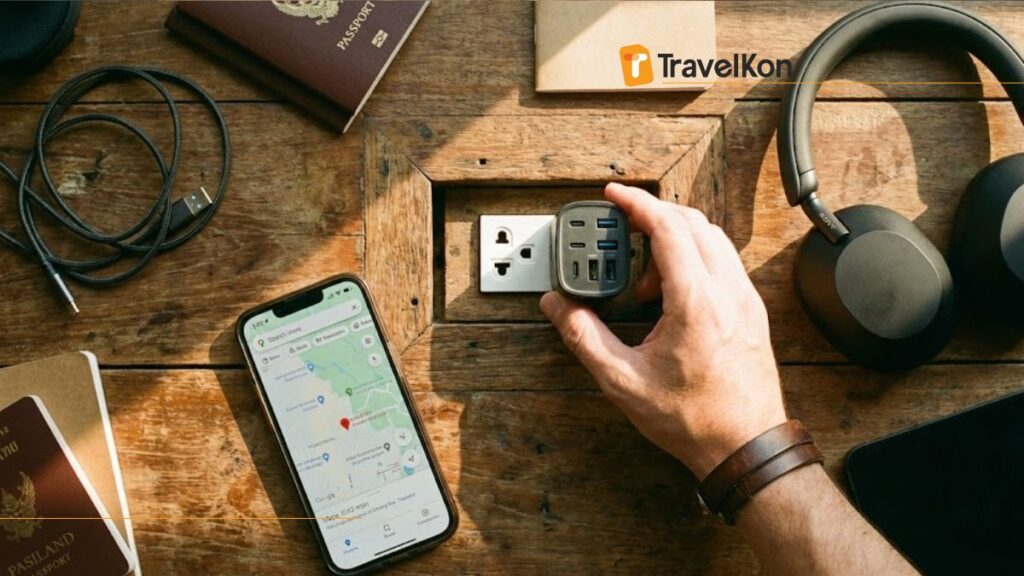
Thailand Electrical Plug Adapter and Digital Nomad Essentials: What You Actually Need

Thailand isn’t a single digital nomad experience. The rhythm of working remotely in Bangkok bears little resemblance to the laptop-on-the-beach fantasy in Koh Lanta, and the infrastructure in Chiang Mai operates differently than what you’ll find in Phuket. What ties them together is that Thailand has spent the past decade building out the practical framework that makes remote work viable; coworking spaces, reliable internet, affordable accommodation, and a visa system that tolerates long-term stays even if it doesn’t explicitly welcome them. For first-time digital nomads, Thailand offers a relatively forgiving entry point. The cost of living is manageable, English is widely understood in nomad hubs, and the community of remote workers is large enough that you’re not pioneering alone. The trade-offs are real; visa runs are a recurring reality, the climate can be oppressive, and the infrastructure quality varies dramatically between cities. Why Thailand Works for Remote Work Compared to other Southeast Asian countries, Thailand’s digital nomad infrastructure is deeper and more established. Bali has comparable community and vibe, but Thailand’s internet reliability is better in most cities. Vietnam has lower costs in some areas, but fewer purpose-built coworking spaces. The Philippines offers native English speakers, but Thailand’s nomad ecosystem is more developed and connected. Thailand’s appeal for digital nomads comes down to practicalities. Fast internet is available in most cities, coworking spaces offer day passes and monthly memberships, accommodation ranges from budget hostels to serviced apartments, and the cost structure lets you live comfortably on a moderate income. The digital nomad Thailand cost of living sits lower than most Western cities but higher than some other Southeast Asian options; expect to spend $800-1500 USD per month depending on your location and lifestyle choices. Best Digital Nomad Places in Thailand (Where to Base Yourself) 1. Chiang Mai (The Established Hub) Chiang Mai has been Thailand’s default digital nomad city for over a decade. The infrastructure is purpose-built for remote workers; dozens of coworking spaces, reliable fiber internet, affordable apartments, and a social scene revolving around other nomads. The climate is cooler than southern Thailand, the old city is walkable, and monthly costs are among the lowest in the country. The downside is saturation. Chiang Mai feels like a digital nomad monoculture at times, and constant turnover makes genuine connections harder. Burning season (February-April) brings heavy smoke, and there’s no beach access. If you want established infrastructure and community without surprises, Chiang Mai delivers. 2. Bangkok (The Urban Option) Bangkok offers the most reliable infrastructure in Thailand; enterprise-grade internet, international coworking chains, serviced apartments, and public transport that works. The pace is faster, the city is cosmopolitan, and professional networking extends beyond the nomad bubble into actual Thai business circles. The trade-offs are cost and chaos. Bangkok is more expensive than Chiang Mai or beach towns, traffic is relentless, and urban density can overwhelm. If you need reliable infrastructure and prefer city energy, Bangkok works. If you want laid-back beach vibes or tight-knit community, look elsewhere. 3. Koh Phangan (Digital Nomad Island Life) Koh Phangan has evolved beyond its full moon party reputation into one of the best Thai islands for digital nomads. The west coast has coworking spaces, decent internet, and a community of remote workers who’ve chosen island life deliberately. The pace is slower, beaches are accessible, and monthly costs stay reasonable outside peak tourist areas. The limitations are isolation and inconsistency. Island internet can drop during storms, getting anything delivered takes longer, and the social scene is smaller. If you’re comfortable with occasional connectivity issues and want beach access, Koh Phangan offers middle ground. 4. Phuket (The Professional Base) Phuket attracts digital nomads who need reliable infrastructure and don’t mind paying for it. Internet is stable, coworking spaces are professional-grade, and the international community is larger than most Thai cities. The island is well-connected by flight for frequent travelers. The downside is cost; Phuket is one of Thailand’s most expensive locations. If budget is your primary concern, Phuket will strain it. If you need reliability and can afford the premium, it delivers. 5. Pai (The Quiet Alternative) Pai is a small mountain town north of Chiang Mai attracting digital nomads looking for slower rhythms and tighter community. Infrastructure is basic but functional; a few coworking spaces, cafés with WiFi, and guesthouses with monthly rates. The town is walkable, surrounding nature is accessible, and the vibe is less hustle-oriented than larger nomad hubs. The trade-offs are limited services and seasonal crowds. Pai gets packed during Thai holidays and winter, straining accommodation and workspace. Internet is adequate but not exceptional. If you value quiet and community over infrastructure perfection, Pai works for a few months at a time. Daily Rhythms Beyond the Laptop Digital nomad life in Thailand isn’t only about work. Mornings in Chiang Mai often start with runs around the moat or yoga before settling into coworking spaces by 9 AM. Lunch involves street food or affordable restaurant meals, and afternoons shift between focused work and café hopping when concentration wavers. Evenings provide decompression. Night markets, casual dinners with other nomads, gym sessions, or language exchanges fill post-work hours. Weekends open up for temple visits, hiking, day trips, or catching up on personal projects. The rhythm becomes habitual quickly. How Digital Nomads Actually Eat Eating in Thailand as a digital nomad means balancing affordability with routine. Street food and local restaurants keep costs low; 40-100 baht for most meals; and variety prevents monotony. Western food is available in all major nomad hubs but costs 2-3 times more, creating natural incentive to adapt to Thai eating patterns. Most digital nomads develop a rotation: street pad thai or fried rice for quick lunches, sit-down Thai restaurants for dinners, and occasional Western meals when homesickness hits. Cooking at home is less common since eating out is cheap and convenient. Where Digital Nomads Actually Stay In Chiang Mai, the Nimman area concentrates nomad-friendly accommodation and coworking spaces. Monthly apartment rentals run 8,000-15,000 baht for basic studios. The old city offers cheaper

Thailand Electrical Plug Adapter and Digital Nomad Essentials: What You Actually Need Read More »

street food thailand bangkok roadside noodle stall

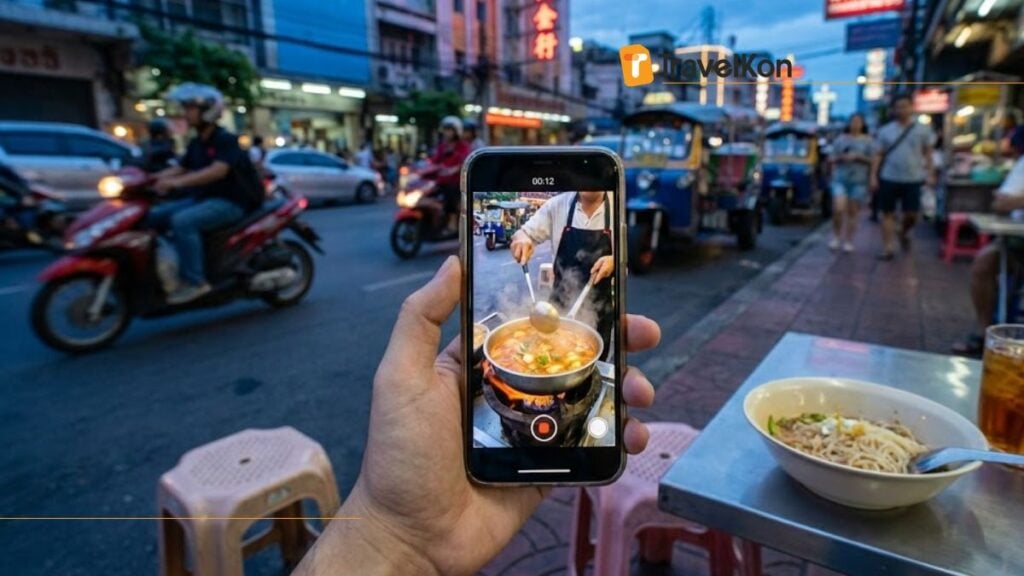
Street Food Thailand Bangkok, What Your First Visit Actually Looks Like

Bangkok’s street food isn’t a tourist attraction that happens to serve food. It’s the city’s primary eating infrastructure — where locals eat breakfast before work, grab lunch between meetings, and gather for dinner after the commute home. The vendors are professionals operating businesses, not performers staging experiences for visitors. The food is consistent, affordable, and deeply integrated into how Bangkok functions as a city. For first-time visitors, the density can be disorienting. Street food appears everywhere — on sidewalks, in alleys, at market intersections, and along major roads. Understanding which areas concentrate the best vendors, when they operate, and how to order without speaking Thai makes the difference between frustrating confusion and efficient eating. Why Bangkok’s Street Food Stands Out Compared to other Southeast Asian cities, Bangkok’s street food infrastructure is deeper and more specialized. The vendor density is higher than Hanoi, the quality standards are more consistent than Manila, and the variety exceeds what you’ll find in Singapore’s hawker centers. While Penang and Saigon have exceptional street food scenes, Bangkok’s scale and specialization — vendors who’ve made the same dish for decades — create a different level of refinement. The appeal comes down to three factors: affordability (most dishes cost 40-80 baht), accessibility (food is available nearly 24 hours somewhere in the city), and quality that comes from extreme specialization. A vendor making only pad thai for twenty years produces better pad thai than most restaurants. That focused expertise, repeated across thousands of vendors, is what makes Bangkok’s street food genuinely exceptional. Best Bangkok Neighborhoods for Street Food (Where to Eat) 1. Yaowarat Road (Chinatown’s Food Epicenter) Yaowarat is Bangkok’s most concentrated street food zone. The road transforms into a pedestrian food market every evening, with vendors lining both sides serving everything from grilled seafood to noodle soups to oyster omelets. The crowd is overwhelmingly local, energy peaks around 8 PM, and quality is consistently high. The famous street food here leans toward Chinese-Thai fusion — roasted duck, dim sum, and wonton noodles. Prices are slightly higher than neighborhood vendors (60-120 baht) but still affordable. If you’re comfortable with crowds and minimal English, Yaowarat delivers. If you need personal space, it will overwhelm you. 2. Victory Monument (Local Workers’ Hub) Victory Monument isn’t on tourist itineraries, which is why it works for street food. The area serves office workers and students, so food is cheap (30-60 baht), portions generous, and vendors operate on efficiency. The boat noodle alley here is particularly strong. The limitation is accessibility. Victory Monument is crowded, chaotic, and offers zero concessions to tourists. If you’re comfortable observing locals and replicating their behavior, it’s one of Bangkok’s best value-to-quality ratios. 3. Ratchawat Market (Night Market Energy) Ratchawat operates as a proper night market with dedicated street food sections. The layout is more organized than Yaowarat, vendors have more space, and the crowd is mixed between locals and expats. The food ranges from standard Thai street dishes to regional specialties from northeastern Thailand. Prices sit in the middle range (50-100 baht), and the atmosphere is more relaxed than Chinatown’s intensity. This is a good entry point for first-time street food eaters who want variety without full immersion. 4. Sukhumvit Soi 38 (Convenient Tourist-Friendly Option) Soi 38 used to be Bangkok’s default recommendation for accessible street food near tourist areas. It’s been reduced in size over the years, but what remains still offers solid pad thai, mango sticky rice, and grilled seafood in a location easy to reach via BTS. Vendors here are used to foreigners and prices are clearly displayed. The downside is authenticity — Soi 38 feels like street food for people who want the experience without the full street environment. Prices are higher (80-150 baht) and the crowd is majority tourist. If convenience matters more than deep authenticity, it works. 5. Or Tor Kor Market (Elevated Market Experience) Or Tor Kor is technically a market rather than pure street food, but deserves inclusion for the quality of prepared food in the food court section. The vendors are vetted, hygiene standards are higher, and ingredient quality is noticeably better. Prices reflect the upgrade (80-200 baht per dish), and the atmosphere is more sanitized than authentic street energy. If you have food safety concerns or prefer air-conditioned eating, Or Tor Kor provides middle ground. What Street Food Eating Actually Involves Eating street food in Bangkok follows patterns that become obvious after a few days. You order by pointing or using basic Thai phrases, pay immediately or after eating depending on the vendor, and eat standing at high tables, sitting on plastic stools, or walking. Napkins are minimal, hand washing stations are rare. The rhythm is: walk until you see a vendor with a queue of locals, observe what they’re ordering, point at what looks good, and pay. Most vendors operate the same dish repeatedly, so decision fatigue is low. Specialization makes ordering simple once you understand the system. Pricing and Payment Realities Street food pricing in Bangkok is straightforward. Noodle dishes cost 40-60 baht, rice plates run 50-80 baht, grilled meats on sticks are 10-20 baht each, and drinks cost 20-40 baht. A full meal with drink typically costs 60-100 baht total. Michelin star street food vendors — Bangkok has several — charge slightly more (80-150 baht) but remain affordable. Cash is standard. Carrying small bills (20, 50, 100 baht notes) prevents change-making delays. Tipping is not expected at street stalls, though rounding up is appreciated. Where to Base Yourself for Street Food Access Staying near Sukhumvit provides easy access to Soi 38 and nearby vendors, plus BTS connections to other food zones. The trade-off is that Sukhumvit is tourist-heavy and more expensive. If street food is your priority, staying near Chinatown or Ratchathewi (near Victory Monument) puts you closer to authentic concentrations. Khao San Road has street food, but it’s tourist-oriented and lower quality. For maximum street food access with reasonable accommodation costs, areas around Hua Lamphong or Phaya Thai work well. When Street Food

Street Food Thailand Bangkok, What Your First Visit Actually Looks Like Read More »

lamp festival thailand Ping River

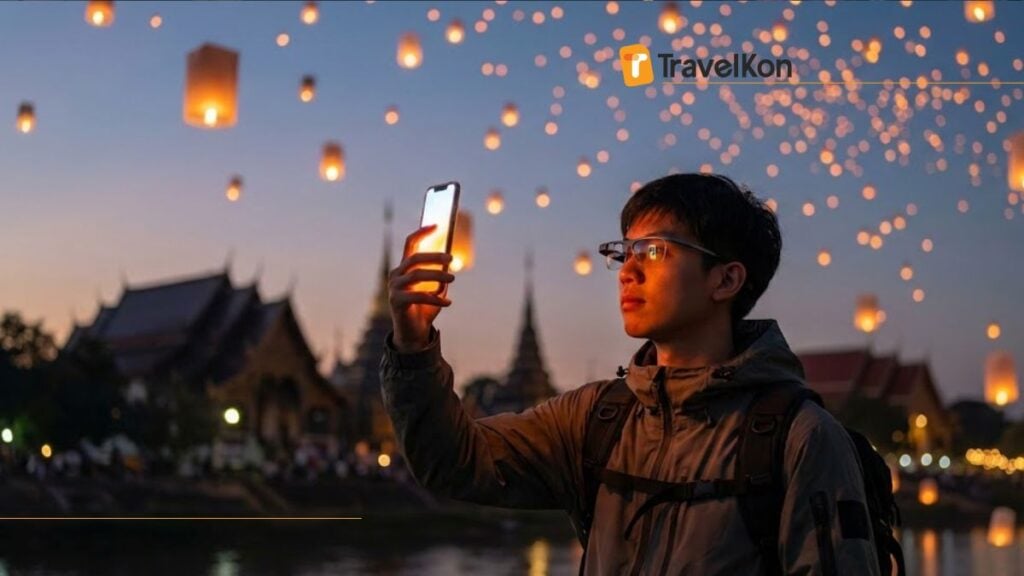
Lamp Festival Thailand, What New Travelers Actually Experience

Thailand’s lamp festivals aren’t a single event. Yi Peng is northern Thailand’s sky lantern tradition, concentrated in Chiang Mai and surrounding areas. Loi Krathong is the nationwide water lantern festival where people float decorated baskets (krathong) on rivers and waterways. They happen simultaneously on the same full moon night, which creates some confusion for first-time visitors trying to understand which festival is which. The visual spectacle is real — thousands of illuminated sky lanterns rising into the night sky, rivers filled with flickering candle-lit floats, and temple grounds packed with celebrants. But the experience you’ll have depends entirely on where you go and whether you attend public celebrations or organized events. The free public releases in Chiang Mai feel chaotic and crowded. The ticketed mass releases are orchestrated and photogenic but lack spontaneity. Understanding the difference before you book accommodation matters more than most travel guides acknowledge. Why These Festivals Stand Out Compared to other light festivals in Southeast Asia, Thailand’s lamp celebrations offer scale and accessibility. The lantern festival in Thailand has become internationally recognized in a way that regional festivals haven’t, partly due to social media amplification and partly because Chiang Mai has built infrastructure specifically to accommodate tourists during Yi Peng. The timing coincides with Thailand’s cool season, which means comfortable temperatures and minimal rain. The festivals happen after monsoon season ends and before peak tourist crowds arrive for Christmas and New Year, creating a window where weather is good but prices haven’t fully spiked. For backpackers, couples, and slow travelers planning Thailand trips in November, the festivals provide a cultural anchor point worth building an itinerary around. Best Cities Hosting Lamp Festivals in Thailand 1. Chiang Mai (The Epicenter) Chiang Mai is where most international visitors experience Yi Peng. The city hosts both massive ticketed lantern releases and spontaneous public celebrations along the Ping River. Organized events at Mae Jo University and CAD Khomloy offer synchronized releases where thousands of lanterns ascend together, creating the iconic visuals you’ve seen online. Public celebrations happen throughout the old city, with highest concentration along the river near Nawarat Bridge and Tha Phae Gate. These are free, unstructured, and crowded. Traffic becomes impossible, accommodations book out months ahead, and prices spike significantly. If you want the photograph, book a ticketed event. If you want authentic participation, join public celebrations. 2. Sukhothai (Historical Setting) Sukhothai celebrates Loi Krathong in the historical park, transforming ancient ruins into a backdrop for traditional performances and water lantern floating. The scale is smaller than Chiang Mai, crowds are more manageable, and emphasis leans toward cultural preservation rather than tourist spectacle. The limitations are fewer sky lanterns and less infrastructure for international visitors. English signage is minimal, organized tours are harder to find, and accommodation thins out quickly. If you prefer historical context and quieter celebrations, Sukhothai delivers. 3. Bangkok (Urban Celebration) Bangkok’s Loi Krathong happens along the Chao Phraya River, with major gathering points at Asiatique, Benjakitti Park, and temple grounds. The celebration is diffused across multiple locations rather than concentrated, which reduces crowding but disperses energy. Sky lanterns are officially banned in Bangkok due to flight safety, so this is purely water lanterns. The advantage is accessibility — you’re already in Bangkok. The disadvantage is it lacks Chiang Mai’s concentrated spectacle or Sukhothai’s historical gravitas. 4. Tak (The Traditional Alternative) Tak province, northwest of Bangkok, hosts one of Thailand’s oldest Loi Krathong celebrations along the Ping River. The festival emphasizes traditional krathong designs, cultural performances, and local participation rather than tourist accommodation. The atmosphere feels less commodified than Chiang Mai. Practical limitations are significant. Tak is harder to reach, has limited accommodation, and operates almost entirely in Thai. This is for travelers wanting to observe traditional celebrations rather than tourist-friendly versions. 5. Chiang Rai (Northern Alternative) Chiang Rai offers smaller-scale Yi Peng and Loi Krathong with fewer international tourists than Chiang Mai. Lantern releases happen around the city’s lakes and along the Kok River, and the vibe is more relaxed. Accommodation is easier to secure, prices don’t spike as dramatically, and the city remains navigable during festivals. The trade-off is scale — hundreds of lanterns rather than thousands. If you want Yi Peng without Chiang Mai chaos and don’t need mass release spectacle, Chiang Rai provides middle ground. What to Do Beyond Lantern Releases The festivals are single-night events, but most visitors spend several days in their chosen location. In Chiang Mai, daytime hours are good for temple visits, cooking classes, or day trips before evening celebrations begin. Sukhothai’s historical park deserves a full day separate from the festival. Days leading up to the festival bring preparation activities — markets sell krathong-making materials, temples hold preliminary ceremonies, and cities install decorations. Watching locals prepare their own lanterns provides context that enriches the festival experience. Post-festival mornings in Chiang Mai reveal crews spending hours collecting spent lanterns from fields and rooftops. The environmental impact becomes visible in ways nighttime photos don’t capture. Festival Food Culture Street food vendors concentrate around festival areas, selling grilled skewers, pad thai, mango sticky rice, and festival-specific snacks. Prices inflate slightly during peak hours but remain reasonable — expect 50-100 baht for most items. Crowds mean longer waits, so eating before main evening events makes practical sense. Restaurants near festival sites often require reservations days ahead, and riverside venues with lantern release views charge premium prices for mediocre food. The value proposition shifts from the meal to the view. Where to Stay During Festivals In Chiang Mai, staying inside the old city puts you walking distance from public celebrations but also in the center of festival chaos. The Nimman area offers slightly more distance and better accommodation while remaining accessible. Riverside hotels book out six months ahead, and prices triple or quadruple normal rates. Sukhothai has limited accommodation, with most visitors staying in the new city and traveling to the historical park for celebrations. Booking months ahead is non-negotiable. Bangkok offers the most accommodation flexibility since the city is

Lamp Festival Thailand, What New Travelers Actually Experience Read More »

Nightlife Bangkok Thailand Khao San Road

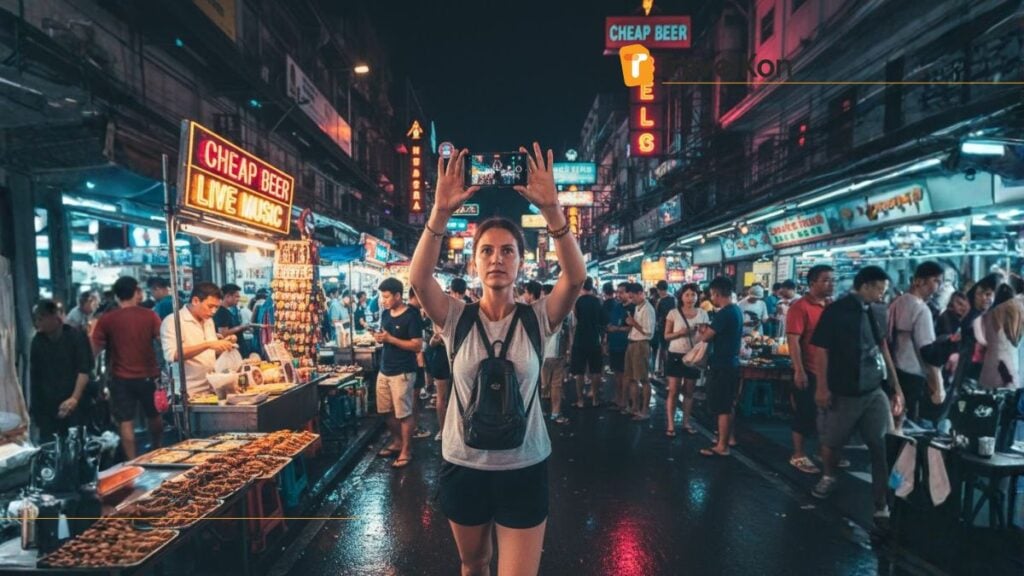
Nightlife Bangkok Thailand, What First-Time Visitors Actually Experience

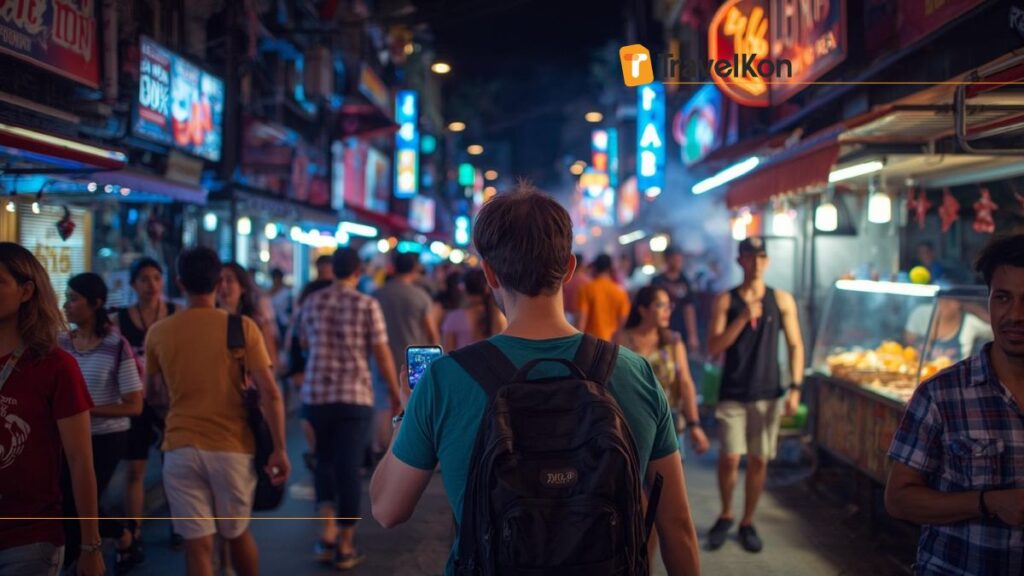
Thailand’s nightlife isn’t a single experience. What you encounter in Bangkok bears little resemblance to the beach club scene in Phuket or the laid-back bar crawls in Chiang Mai. Bangkok’s nightlife is urban, dense, and stratified; rooftop bars overlook street-level clubs, night markets run parallel to quiet jazz lounges, and the type of experiences available shift dramatically between districts. For first-time visitors, the density can be overwhelming. Bangkok alone has dozens of nightlife districts, each catering to different crowds and budgets. Understanding where you’ll feel comfortable matters more than trying to see everything. This isn’t a city where you stumble into the right scene by accident; it requires some planning, or at least knowing what each area offers before you arrive. Why Bangkok’s Nightlife Stands Out Compared to other Southeast Asian cities, Bangkok’s nightlife infrastructure is deeper and more varied. The scale is larger than Chiang Mai’s relaxed bar scene, more organized than the beach party chaos in some parts of Phuket, and far more segmented by price and style than what you’ll find in most regional capitals. Bangkok stays open later. While official closing times exist, enforcement varies by district, and many areas pulse well past 2 AM. The variety is genuine; you can spend one night at a craft cocktail bar, another at a warehouse techno club, and a third at a rooftop overlooking the city, all without repeating the same crowd or vibe. For backpackers, couples, and slow travellers who want options without committing to a single nightlife style, Bangkok delivers. Bangkok’s Main Nightlife Districts (Where to Go) 1. Khao San Road (Backpacker Nightlife Walking Street) This is Bangkok’s most famous nightlife walking street; neon-lit bars, cheap beer towers, thumping bass, and relentless energy that peaks around midnight. The crowd is overwhelmingly international backpackers and gap year travellers chasing the classic Southeast Asia party experience. Drinks are cheap (60-120 baht for local beer), everything is within three blocks, and the atmosphere is aggressively social. The downside: it’s loud, crowded, and feels performative in a way that wears thin quickly. If you’re traveling solo and want guaranteed company, Khao San works. If you want local culture or breathing room, skip it. 2. Sukhumvit Soi 11 (Mid-Range Clubs and Late Nights) Sukhumvit concentrates Bangkok’s club scene, particularly around Soi 11. Multi-floor venues, international DJs, and crowds that skew Thai and expat rather than backpacker. The energy is polished, door policies are real, and prices reflect it; expect 300-500 baht entry fees and 150-250 baht drinks. The music leans EDM and hip-hop, clubs stay open until 4 or 5 AM. If you’re comfortable in urban club environments and want a night that feels less like a tourist attraction, Sukhumvit delivers. It’s not welcoming to solo travellers unsure in club settings, and crowds can be selective in ways Khao San is not. 3. Thonglor and Ekkamai (Local Thai Scene) These adjacent neighborhoods represent Bangkok’s upscale local nightlife. Bars and clubs here cater primarily to young Thais with disposable income; designed interiors, curated music, and door staff who pay attention. Prices are higher (200-400 baht cocktails), and the vibe is less accessible to tourists who don’t speak Thai. The appeal is authenticity. This is where young Bangkok goes out. The limitation is feeling like an outsider unless you’re with locals or comfortable in environments where you’re not the primary audience. 4. RCA (Royal City Avenue); The Warehouse District RCA is a strip of massive clubs and live music venues attracting a younger Thai crowd and adventurous tourists. Clubs are huge, sound systems serious, and the scene runs until dawn. Cover charges are moderate (200-300 baht), drinks cheaper than Thonglor. This isn’t refined. Crowds are large, venues loud, and navigating between clubs means walking along a busy road with limited lighting. If you want Bangkok’s club culture at full volume without Thonglor’s price tag, RCA works. 5. Silom Soi 4 and Soi 2 (Inclusive Nightlife Hub) Silom Soi 2 and Soi 4 form one of Bangkok’s most welcoming and diverse nightlife zones. The streets are compact, pedestrian-friendly, and lined with bars from relaxed pub-style spaces to high-energy dance clubs. The crowd is mixed; Thai, expat, and tourist; and the atmosphere is notably inclusive. Prices are reasonable (100-200 baht drinks), venues varied enough for bar-hopping, and the area stays lively from 10 PM until 2 AM. This is one of the easier nightlife districts to navigate as a first-time visitor. Different Types of Experiences Beyond Clubs Bangkok’s nightlife isn’t only clubs and bars. Night markets run until midnight in areas like Rot Fai and Talad Neon; food stalls, vintage shopping, and crowds that skew local and family-friendly. These provide an alternative if you want Bangkok at night without committing to the bar scene. Rooftop bars offer elevated views, cocktails in the 300-500 baht range, and a subdued atmosphere. They’re popular with couples and older travellers who want a nighttime experience without noise and crowds. Live music venues scatter throughout the city, particularly in Thonglor and along the river. Jazz clubs, indie rock bars, and acoustic spaces offer middle ground between quiet dining and full club environments. Late-Night Food Culture Bangkok’s street food runs well into the night, and eating is as much a part of nightlife as drinking. Streets near Khao San, Sukhumvit, and RCA have late-night vendors selling pad thai, grilled skewers, and fried rice for 40-80 baht per dish. The rhythm is straightforward: eat before going out, eat again around midnight, eat once more before heading home. Street stalls stay open past 2 AM in busy districts. The food is filling, cheap, and accessible even without Thai; pointing works. Where to Stay for Nightlife Access Staying near Sukhumvit puts you close to the BTS, multiple nightlife districts, and late-night food. It’s the most practical base for first-time visitors wanting nightlife access. The trade-off is that Sukhumvit is busier, noisier, and more expensive. Silom offers similar access with the added benefit of being near the inclusive Soi 2 and Soi 4 scene

Nightlife Bangkok Thailand, What First-Time Visitors Actually Experience Read More »

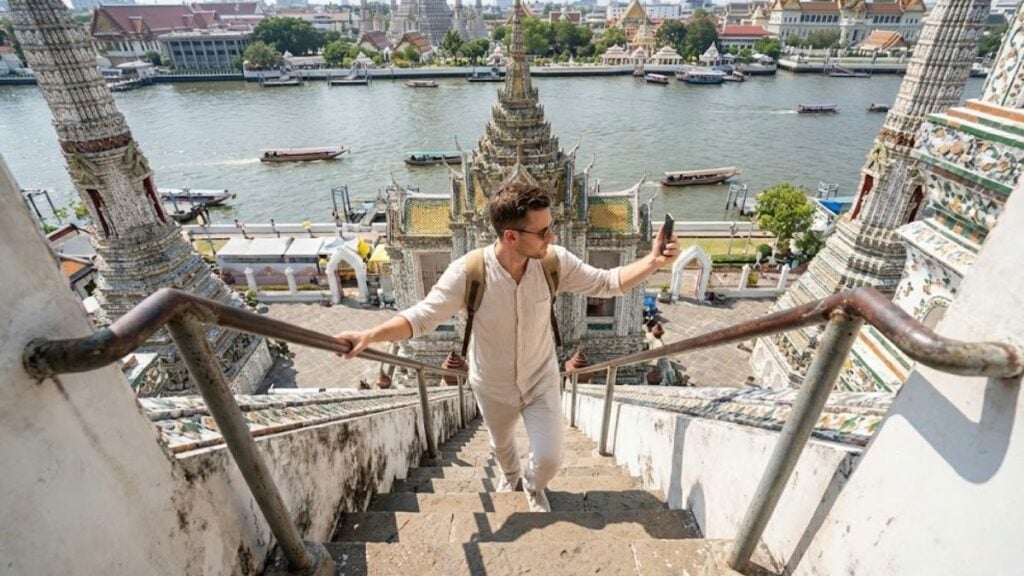
Temple of the Dawn Bangkok The Steep Climb

What a First Visit to Temple of the Dawn Bangkok Actually Feels Like

Wat Arun is not a sprawling temple complex where you’ll spend half a day wandering between buildings. It’s a single, striking structure, steep, ornate, and designed to be climbed. The entire visit to Wat Arun takes between 30 minutes and an hour, depending on how long you spend on the stairs and how thoroughly you examine the details up close. It sits on the western bank of the Chao Phraya River, directly across from Wat Pho and the Grand Palace. Most people visit Wat Arun as part of a broader temple route through Bangkok, and that makes sense, it’s close to other major sites, accessible by boat, and distinct enough in design to justify the crossing. For first-time visitors to Bangkok, it’s one of the city’s clearer visual anchors. Why Wat Arun Called the Temple of Dawn Stands Out Bangkok has dozens of temples, and many are older or larger than Wat Arun. What sets this one apart is its architecture. The central prang is covered in fragments of porcelain and seashells arranged in intricate floral patterns that catch light differently throughout the day. It’s Khmer-influenced rather than purely Thai, which gives it a different silhouette compared to the golden spires elsewhere in the city. The climb is part of the experience. The stairs are steep with railings installed for a reason, and the higher platforms offer clear views over the river and into older Bangkok. If you have mobility concerns or are uncomfortable with heights, you can appreciate the temple from ground level without losing much. Where to Go Inside Wat Arun Climbing the Central Prang This is the main tower, and it’s what most people come to see and climb. The steps are narrow and steeply inclined, so you’ll be holding the railing both ways. The views from the upper levels are worth it, you get a clean sightline across the river to Wat Pho and the Grand Palace, and better perspective on Bangkok’s riverside architecture than you’ll find from street level. The decorative details are easier to appreciate up close. The porcelain shards form flowers, mythical creatures, and geometric patterns. Early mornings or late afternoons bring softer light that works better for photography, though the temple is open and climbable throughout the day. The Riverfront and Temple Grounds The grounds around the prang are small but well-maintained. There are smaller prangs at each corner, statues of mythical guardians, and a few pavilions. Most visitors move through quickly on their way to the stairs. The riverfront offers a decent vantage point for photos of the central tower, especially in late afternoon when the sun hits the porcelain directly. If you’re planning to watch Wat Arun sunset, the view from across the river, from Tha Tien or riverside cafés on the opposite bank, is clearer and less obstructed. The Four Surrounding Prangs These smaller towers surround the main spire and are easier to overlook in the rush toward the central prang. Each is decorated in a similar style but with different guardian figures at the base. They’re not climbable, but walking around them gives you a sense of the symmetry in the temple’s design. The craftsmanship is detailed enough that it rewards a slower look, particularly if you’re interested in Thai Buddhist iconography. The Ordination Hall (Quieter Side of the Complex) Behind the main prang sits a smaller ordination hall with a reclining Buddha inside. It’s quieter here, fewer tourists make it this far, and the hall itself is functional rather than ornate. If you want a moment away from the stairs and the crowds, this area provides it. The Buddha image is restrained and worth a brief stop if you’re not rushing through the site. Wat Arun Sunset Views from Tha Tien Pier Technically not part of the temple complex, but the pier on the opposite bank is where most people first see Wat Arun properly. The view from Tha Tien gives you the full profile of the temple against the sky, and it’s one of the most-photographed angles in Bangkok. Early morning and late afternoon offer the best light. Several small cafés and street food stalls line the riverbank here, and sitting with a coffee while watching the temple across the water is a low-effort way to appreciate the site before or after your visit to Wat Arun. What to Do in Wat Arun Beyond the Climb Wat Arun is a single-site visit. Once you’ve climbed the prang and walked the grounds, there’s not much else within the temple complex itself. What it does offer is easy access to the rest of Bangkok’s riverside temple circuit. Most people take the ferry back to Tha Tien and continue to Wat Pho or the Grand Palace. If you want to slow the pace, small cafés and street food vendors near the pier let you sit and watch the river traffic. Wat Arun at night is worth seeing from the river. The temple is lit up after dark, and while you can’t climb it during those hours, the illuminated spire is visible from several points along the Chao Phraya. Where to Eat Near Wat Arun The immediate area around Wat Arun is limited for food. There are a few vendors near the pier selling drinks and snacks, but this isn’t where you’ll find a proper meal. To eat near Wat Arun, cross back to the eastern bank. The streets around Tha Tien pier have plenty of options, street stalls, small shophouse restaurants, and sit-down places catering to both locals and tourists. Expect to pay 50 to 150 baht for a meal at a local spot. Portions are filling, and if you’re looking for something more curated, riverside restaurants are within a ten-minute walk, though prices increase accordingly. Which Bangkok Neighborhood to Stay In Most visitors stay on the eastern bank in areas like Rattanakosin, Khao San, or Silom. These neighbourhoods put you within walking distance or a short boat ride from the major temple sites, and the infrastructure for

What a First Visit to Temple of the Dawn Bangkok Actually Feels Like Read More »

location hua hin thailand

Location Hua Hin Thailand, What a First-Time Visit Actually Looks Like

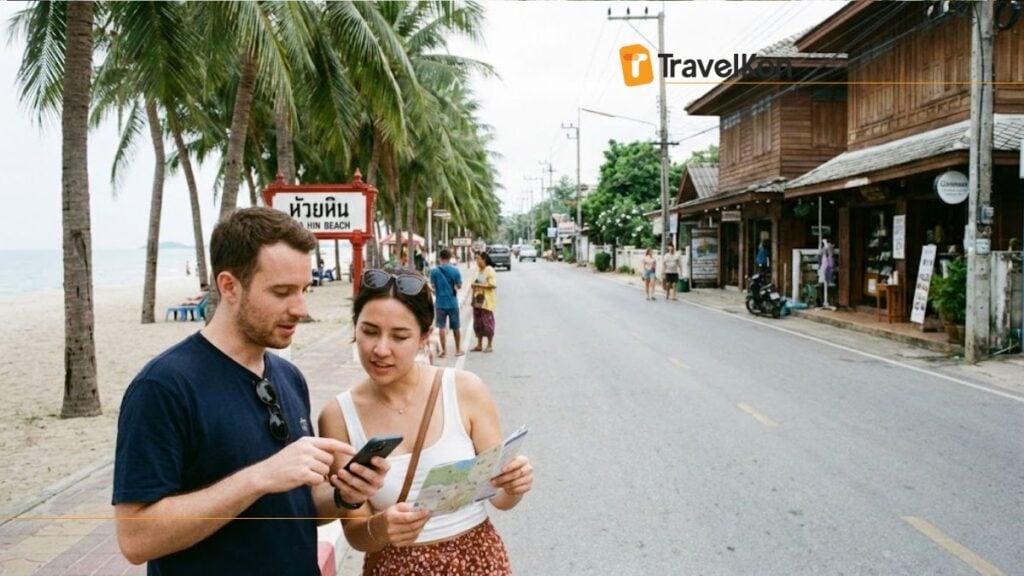
Many people ask where the location Hua Hin Thailand is, because it is not the Thailand most people picture first. There are no full-moon parties, no overcrowded islands, and no neon-lit chaos pulling you out of bed at 2 AM. What it is, instead, is a coastal town with a genuine rhythm — one built around locals going about their lives, with a steady stream of travellers quietly layering in alongside them. It sits on the Gulf of Thailand, in a region that has been a retreat for Thais since the 1920s. The royal family has long had a presence here, and that history gives the town a certain settledness that you notice within the first day. For backpackers, couples, or anyone leaning into slower travel, Hua Hin offers something increasingly rare: a place that doesn’t demand your attention. Why Visit Hua Hin If you’ve been weighing up Thai beach destinations, Hua Hin sits in an interesting middle ground. It’s less developed than Phuket, less party-focused than Koh Samui, and far less isolated than some of the southern islands — which means the infrastructure is solid without the town feeling overbuilt. Travelling from Bangkok is easy; trains and buses run regularly, and the journey takes roughly two to three hours depending on the route. What draws people back, though, isn’t the logistics. It’s the pace. Hua Hin city itself is walkable, affordable, and genuinely mixed — Thai locals, expats, and international travellers coexist without much friction. The beach is long and uncrowded by Thai standards, and the town has enough going on to fill a week without ever feeling like you’re scraping for things to do. Best Places to Visit The Beach Hua Hin beach stretches for several kilometres and is wide and sandy. It’s calm in the mornings, busier in the afternoons, and largely empty after sunset. It suits anyone who wants a beach without the feeling of being on one — no thumping soundsystems, no hawkers every ten steps. If you prefer solitude, the northern end of the beach, closer to the old fishing village, is noticeably quieter. Hua Hin Old Town A handful of streets just inland hold the town’s older shophouses, a couple of cafés, and a relaxed, unhurried energy. Nothing here is polished or staged. It’s simply where the town has existed for a long time, and walking through it on a weekday morning gives you a more honest picture of what Hua Hin actually is than any highlight reel could. Khao Sam Roi Yot National Park About 40 kilometres south, this park is worth a half-day if you have any interest in limestone caves and coastal mangroves. The trails are basic and signage is inconsistent — you’ll want a motorbike or songthaew to get there. But the landscape is striking, and the crowds thin out quickly past the main cave entrance. Things to Do Beyond Sightseeing Hua Hin rewards people who aren’t afraid of doing very little. Mornings here lend themselves to a slow breakfast at a local shop, a short walk along the beach, and not much else — and that’s by design. Afternoons are good for wandering, picking up groceries at one of the small markets, or finding a café and staying longer than you planned. There are golf courses, a few water sport rental spots, and Thai cooking classes if you want something more structured. But the real texture of the place comes from just being in it — noticing how the town shifts between morning and evening. Food & Local Eating Culture Thai food in Hua Hin is consistent and cheap. Pad thai, som tam, grilled seafood, and rice dishes are everywhere, and eating at a roadside stall or small restaurant is the norm, not the exception. A full meal at a local place typically costs between 60 and 120 Thai Baht — sometimes less. The hua hin night market is one of the easiest ways into the local food scene. It runs most evenings along a central stretch, and the stalls shift slightly from week to week. It’s not curated for tourists — which is exactly why it works. Portions are generous, and sharing a table with strangers is standard practice. Where to Stay Central Hua Hin is the most practical base. You’re within walking distance of the beach, the night market, and most of the town’s shops and cafés. Guesthouses and mid-range hotels are plentiful here, and the trade-off is that it can feel a little busier in the evenings. The northern end of town, closer to the old fishing village, is quieter and slightly more removed. It suits couples or solo travellers who want to be close to the beach without the foot traffic. Public transport still connects you to the rest of the town easily. Best Time to Visit The coolest and driest months run from November to February. Temperatures stay comfortable, rain is minimal, and this is peak season — expect more visitors and slightly higher prices. March to May brings heat but fewer crowds, and it’s still a reasonable window if warmth doesn’t bother you. The rainy season, June to October, is the least popular. Hua Hin doesn’t flood or become impassable the way some parts of Thailand do, so if budget matters more than weather, it’s a viable option — just pack for it. Practical Travel Tips Getting from Bangkok to Hua Hin is simple. Buses and minivans are the fastest option and run frequently; the train is slower but more scenic. Within the town, songthaews and motorbike taxis cover most ground cheaply, and renting a motorbike opens up the quieter areas outside the centre. Having a working data plan matters more here than in a big city. There’s no single app that covers every local spot perfectly, and getting slightly lost on the way to a beach or market is part of how Hua Hin works. Sorting a best esim for thailand before you land removes one small friction — and

Location Hua Hin Thailand, What a First-Time Visit Actually Looks Like Read More »

Itinerary for Phuket Thailand, Bangla Road Exploration

Itinerary for Phuket Thailand Travellers Plan Perfectly

Creating an effective itinerary for Phuket maximises experiences across Thailand’s largest island destination. Phuket offers incredible diversity from pristine beaches and vibrant nightlife to cultural temples and nearby island adventures. Strategic planning ensures visitors experience signature attractions whilst maintaining flexibility for spontaneous discoveries. Staying connected with a reliable thailand esim enables real-time navigation adjustments, restaurant bookings, and activity coordination throughout island exploration. Essential Phuket Itinerary Facts: Travel pattern analysis shows 5-day Phuket itineraries provide the optimal balance between comprehensive exploration and relaxed beach enjoyment without feeling rushed. Prepaid Thailand eSIM for Short-Term Travel Digital connectivity transforms Phuket itinerary execution from theoretical planning to seamless real-world navigation. Travellers require instant access to Google Maps, translation apps, Grab ride-hailing, and booking platforms throughout their island adventures. The esim thailand solution from TravelKon provides immediate activation perfect for short-term Phuket visits. Prepaid eSIM benefits for Phuket itineraries include: Not all eSIM packages include traditional voice calling, so travellers should review product descriptions carefully before purchasing. Data-only eSIMs support communication through WhatsApp, Line, and FaceTime for coordinating tours, confirming reservations, and emergency contacts. Many visitors find app-based calling sufficient for all travel communication needs whilst avoiding international roaming charges. Prepaid eSIM plans eliminate connectivity concerns allowing full focus on itinerary execution and spontaneous adjustments throughout Phuket adventures. How Should Travellers Plan a Perfect 3-Day Phuket Itinerary? A concentrated 3-day Phuket itinerary focuses on signature experiences without overwhelming schedules. This timeframe suits weekend travellers or those combining Phuket with other Thai destinations. Strategic accommodation selection in central areas like Patong or Kata Beach minimises travel time between activities. Day 1 exploration combines: Day 2 adventures feature: Day 3 cultural immersion includes: Budget approximately $150-200 daily covering tours, meals, and transportation excluding accommodation. Pre-booking Phi Phi tours ensures availability during peak seasons when same-day bookings become impossible. This compact itinerary delivers Phuket’s essential experiences within a long weekend timeframe. What Does an Ideal 5-Day Phuket Itinerary Include? Five days in Phuket allows deeper exploration whilst maintaining relaxed pacing between activities. This duration enables both popular attractions and hidden gems discovery without daily rushing. Mid-range accommodation in Kata or Karon Beach provides excellent beach access with reasonable proximity to major attractions. Day 1-2 foundation covers: Day 3 cultural experiences deliver: Day 4-5 relaxation balances: Five-day budgets range $175-250 daily depending on accommodation standards and activity choices. This timeframe perfectly balances adventure, culture, and relaxation without itinerary fatigue. Extended itineraries enable spontaneous decisions based on weather conditions and personal energy levels throughout the trip. How Can Week-Long Visitors Maximise Their Phuket Experience? Seven days in Phuket unlocks comprehensive island exploration including day trips to surrounding areas. This duration suits travellers making Phuket their primary Thailand destination rather than multi-city tours. Splitting accommodation between two locations like Patong (3 nights) and quieter Rawai or Cape Panwa (4 nights) provides diverse perspectives. Week 1 comprehensive itinerary features: Additional activities for extended stays include: Week-long visitors budget $200-300 daily covering premium tours, quality dining, and comfortable accommodation. This timeframe allows rest days between intensive touring preventing exhaustion. Seven days provides the luxury of weather-dependent flexibility rescheduling outdoor activities if tropical storms appear. Which Destinations Should Feature in Every Phuket Itinerary? Certain Phuket destinations deserve inclusion regardless of itinerary duration due to their cultural significance or natural beauty. These signature locations define the Phuket experience and provide iconic photo opportunities. Strategic visiting times avoid peak crowds whilst capturing optimal lighting conditions. Essential Phuket destinations include: Premier beach destinations feature: Nearby island excursions include: Time allocation should prioritise personal interests whether adventure activities, cultural immersion, or beach relaxation dominate preferences. Phuket’s compact geography enables visiting multiple signature locations within single days through efficient routing and early departures. When Should Travellers Schedule Activities for Optimal Experiences? Activity timing significantly impacts Phuket itinerary success affecting weather conditions, crowd levels, and attraction accessibility. Understanding daily patterns and seasonal variations optimises every experience. Flexibility in scheduling accommodates unexpected weather changes or spontaneous opportunities. Optimal timing strategies include: Seasonal considerations affect: Restaurant reservations for popular establishments should occur 1-2 days ahead during peak season. Tour bookings benefit from 2-3 day advance purchases ensuring availability and sometimes early-bird discounts. Weather apps and real-time updates become essential for making same-day activity adjustments during monsoon season visits. Crafting the perfect itinerary for Phuket balances personal interests, available time, and seasonal conditions across Thailand’s premier island destination. Whether spending a quick weekend or extended week, strategic planning ensures memorable experiences from pristine beaches to cultural temples and exciting island adventures. Maintaining seamless connectivity with the best eSIM for thailand supports real-time itinerary adjustments, navigation accuracy, and booking confirmations throughout island exploration. Travellers should verify current attraction operating hours, tour availability, and weather forecasts before finalising daily plans as seasonal conditions, local holidays, and venue policies update regularly across Phuket’s diverse tourism landscape.

Itinerary for Phuket Thailand Travellers Plan Perfectly Read More »

Most Expensive Hotel in Phuket, The Naka Island

Most Expensive Hotel in Phuket Luxury Lovers Can’t Resist

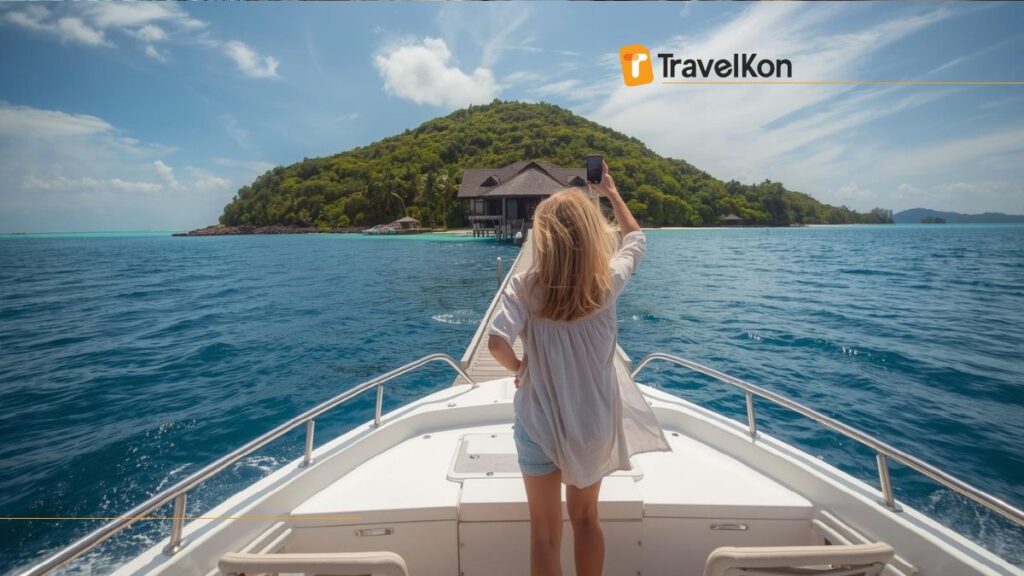
The most expensive hotel in Phuket represents the pinnacle of tropical luxury combining world-class service, breathtaking locations, and exclusive amenities. These ultra-premium properties deliver personalized experiences from private infinity pools overlooking the Andaman Sea to Michelin-starred dining and bespoke wellness treatments. Discerning travellers seeking extraordinary accommodations discover Phuket’s luxury hotel landscape rivals any global destination. Staying connected throughout these premium experiences with a reliable thailand esim ensures seamless communication with concierge services, instant restaurant reservations, and real-time luxury experience coordination. Essential Phuket Luxury Hotel Facts: Luxury hospitality data shows Phuket’s ultra-premium hotels maintain 80-90% occupancy during high season despite significantly higher pricing than regional competitors. What’s the Difference Between a Thailand eSIM and Buying a SIM Card on Arrival? Digital eSIM technology offers substantial advantages over traditional physical SIM cards purchased at airports. The esim thailand solution from TravelKon activates instantly upon landing whilst traditional SIM cards require queuing at airport counters, passport presentation, and manual phone configuration. Almost all eSIM plans do not include traditional voice calling features, instead providing data-only services supporting app-based communication. Key differences include: Physical SIM cards require phone unlocking and risk losing the original home SIM during travel. Airport SIM vendors often charge premium rates compared to online eSIM packages whilst offering similar data allowances. Luxury hotel guests particularly appreciate eSIM convenience avoiding airport delays and maintaining seamless connectivity from arrival. Modern travellers prioritizing efficiency choose eSIM solutions eliminating unnecessary airport hassles during luxury vacation starts. Amanpuri Phuket’s Original Luxury Pioneer Amanpuri established Phuket’s ultra-luxury hotel category when opening in 1988. This legendary property on private Pansea Beach features 40 pavilions and 43 villas spread across a coconut plantation overlooking the Andaman Sea. Rates starting from $1,500 nightly reflect the property’s exclusivity and legendary status amongst global luxury travellers. Signature features include: The property maintains utmost privacy with spacious grounds ensuring guest seclusion. Each pavilion features traditional Thai architecture with contemporary amenities and personal butler service. Amanpuri remains the benchmark against which all Phuket luxury properties measure themselves. The Naka Island A Luxury Collection Resort & Spa The Naka Island occupies an entire private island accessible only by resort speedboat. This exclusive hideaway features 67 villas with private pools perched along hillsides or beachfront locations. Rates exceeding $2,000 nightly for premium pool villas reflect the property’s complete isolation and comprehensive luxury amenities. Exclusive offerings feature: The resort’s small size ensures personalized attention with staff remembering guest preferences. Marine activities include kayaking, snorkelling, and sunset cruises exploring surrounding islands. Complete island privacy creates the ultimate romantic escape or family retreat. Trisara Phuket Private Pool Villa Paradise Trisara occupies a stunning hillside peninsula overlooking its own private bay. This adults-only sanctuary features 48 pool villas and 11 private residences starting from $1,800 nightly. The property name translates to “third garden in heaven” reflecting its ethereal beauty and exclusive atmosphere. Distinctive amenities include: Guests enjoy complimentary minibar refreshments and premium bath amenities. The resort maintains strict privacy policies ensuring celebrity guests and high-profile visitors remain undisturbed. Trisara exemplifies understated elegance without ostentatious luxury displays. Sri Panwa Luxury Pool Villa Hotel Sri Panwa commands Cape Panwa’s highest point delivering breathtaking panoramas across Chalong Bay. This contemporary luxury property features 52 private pool villas with minimalist design aesthetics. Rates starting $1,200 nightly provide exceptional value compared to similar ultra-luxury properties. Key highlights showcase: The property’s dramatic architecture features glass walls maximizing ocean vistas from every angle. Villa categories range from one-bedroom pool suites to sprawling seven-bedroom residences. Sri Panwa delivers contemporary luxury without traditional Thai architectural constraints. Rosewood Phuket Emerald Bay Beachfront Excellence Rosewood Phuket opened in 2019 bringing the brand’s signature sophistication to Emerald Bay. This relatively new property features 71 pavilions and villas with prices exceeding $1,500 nightly. The resort occupies 600 metres of pristine beachfront within a protected bay. Premier offerings include: Contemporary Thai design incorporates natural materials with modern luxury amenities. Each accommodation features private terraces or gardens with outdoor bathtubs. Rosewood successfully balances family accommodation with couples-focused luxury experiences. Point Yamu by Como Phang Nga Bay Wellness Retreat Point Yamu by Como occupies a dramatic peninsula jutting into Phang Nga Bay. This wellness-focused luxury property features 106 rooms, suites, and villas with rates starting $800 nightly. The resort emphasizes holistic health through Como Shambhala cuisine and comprehensive spa programmes. Wellness features include: Contemporary design incorporates clean lines and natural materials creating serene atmospheres. The property attracts health-conscious travellers prioritizing wellness alongside luxury. Point Yamu proves luxury hospitality extends beyond opulent amenities to holistic wellbeing. Anantara Layan Phuket Resort Secluded Northern Paradise Anantara Layan occupies the island’s northwestern coast along peaceful Layan Beach. This boutique property features just 30 pool suites and villas maintaining intimate resort atmospheres. Rates starting $1,000 nightly reflect the property’s limited inventory and comprehensive inclusions. Signature experiences feature: The resort’s northern location provides proximity to Bang Tao Beach whilst maintaining relative seclusion. Each accommodation includes private pools with contemporary Thai-inspired design. Anantara Layan delivers boutique luxury without mega-resort impersonal atmospheres. The Pavilions Phuket Adults-Only Hillside Haven The Pavilions Phuket caters exclusively to adults seeking romantic escapes. This intimate property features 68 private pool villas cascading down Layan Beach hillsides. Rates starting $900 nightly include daily breakfast and extensive personalized services. Romantic amenities include: The adults-only policy ensures peaceful environments perfect for honeymooners and couples. Hillside positioning creates privacy between villas whilst maintaining ocean vistas. The Pavilions specializes in intimate luxury experiences without children’s distractions. Banyan Tree Phuket Lagoon Pool Villa Sanctuary Banyan Tree Phuket pioneered the pool villa concept in Thailand. This award-winning property in Bang Tao features 141 villas surrounding scenic lagoons. Rates starting $800 nightly provide exceptional value for established luxury brand recognition. Distinctive features showcase: Lagoon settings create unique water features visible from villa terraces. The property’s maturity means established tropical landscaping enhancing privacy and aesthetics. Banyan Tree combines heritage luxury brand prestige with competitive pricing structures. Keemala Phuket Enchanted Forest Escape Keemala presents Thailand’s most imaginative luxury accommodation concept. This boutique property features 38 unique villas

Most Expensive Hotel in Phuket Luxury Lovers Can’t Resist Read More »

0
    0
    Your Cart
    Your cart is emptyReturn to Shop