
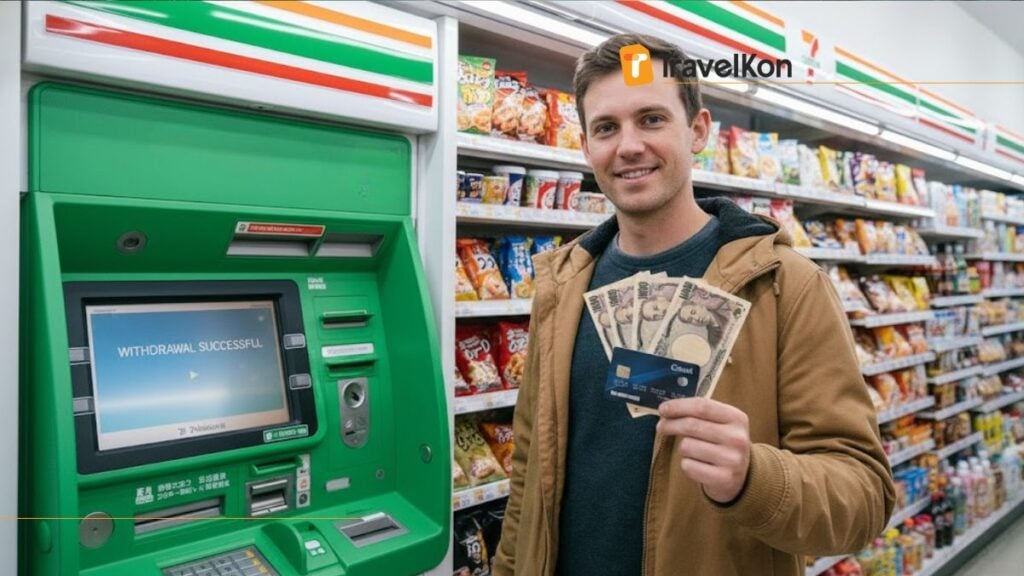
- How much yen to take to Japan varies by travel style — backpackers need roughly ¥5,000–¥8,000 (~USD $33–$53) per day in cash, while mid-range travelers should budget ¥10,000–¥15,000 (~USD $67–$100) daily.
- Japan introduced a new banknote series in July 2024, updating the ¥1,000, ¥5,000, and ¥10,000 notes — both old and new versions remain legal tender, so don’t be surprised to receive either in change.
- How much money can I bring to Japan legally has a clear answer: there is no upper limit, but amounts over ¥1,000,000 (~USD $6,700) must be declared at customs upon entry.
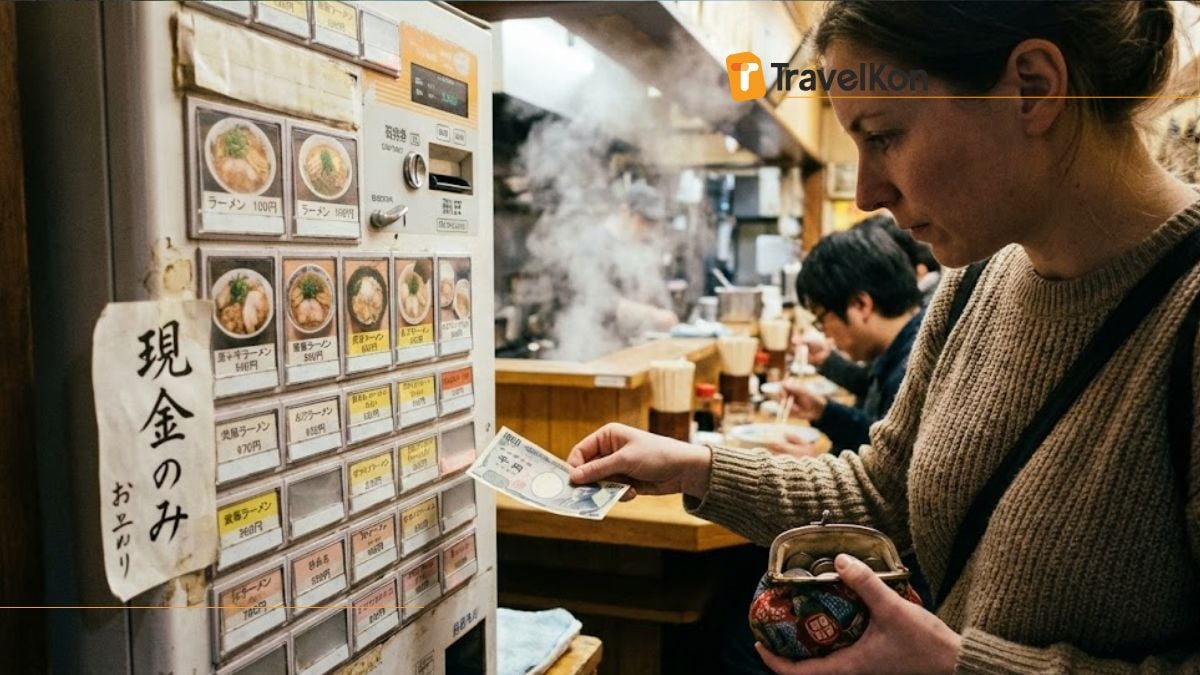
Japan rewards visitors who arrive prepared. The country’s cash culture runs deeper than most travelers expect, and arriving with only a card and a vague plan to “find an ATM” creates friction at the worst moments — a rural bus that doesn’t accept digital payments, a temple entrance requiring exact coins, or a ramen machine that accepts only ¥100 coins.
Sorting connectivity before departure helps manage all of this. An Affordable Japan eSIM for short and long stays ensures you can locate ATMs, check cash-only venues, and translate payment signs whether you’re in Tokyo or a remote onsen town. The best esim japan options activate before you board, so you land connected rather than scrambling.
Is Japan Still a Cash-Based Society in 2026?
Bottom line: Yes — but with significant nuance.

Japan in 2026 is a hybrid payment society. Tokyo convenience stores, chain restaurants, department stores, and most hotels accept Visa, Mastercard, and mobile wallets including PayPay, Apple Pay, and Google Pay. QR code payments have expanded rapidly and younger urban Japanese use them daily.
But the zero-cash strategy fails the moment you leave that infrastructure. Rural buses, small-town taxis, neighborhood izakayas, temple entry gates, local market stalls, and coin-operated lockers all require physical currency. Even in Tokyo, roughly 30–40% of smaller businesses — particularly family-run restaurants and independent shops — remain cash-only.
The honest answer: you cannot survive Japan with zero cash. Treat cash as your primary payment method outside chain establishments and major hotels.
Daily Budget Estimates: How Much Spending Money for Japan
Bottom line: Calculate per person per day, then multiply by trip length.
By travel style (per person, per day, excluding accommodation):
- Budget Backpacker: ¥5,000–¥8,000 (~$33–$53 / ~€31–€50)
- Mid-Range Standard: ¥10,000–¥15,000 (~$67–$100 / ~€62–€94)
- Luxury: ¥25,000+ (~$167+ / ~€156+)
By trip duration (Mid-Range baseline at ¥12,000/day):
- 5 days: ¥60,000 (~$400)
- 10 days: ¥120,000 (~$800)
- 1 week: ¥84,000 (~$560)
- 2 weeks: ¥168,000 (~$1,120)
- 3 weeks: ¥252,000 (~$1,680)
- 1 month: ¥360,000 (~$2,400)
Pro-Tip: Don’t carry 100% of this as cash. A realistic split is 60–70% cash and 30–40% card. Load a Suica or Pasmo IC card at the airport for transit and convenience store purchases to reduce daily cash dependency.
The “Must-Cash” Checklist: Where Cards Won’t Work
Bottom line: Carry at least ¥5,000 in mixed coins and small notes at all times.

These locations consistently reject cards and digital wallets in 2026:
- Small temples and shrines — entrance fees and amulets are almost always coin-only; keep ¥100 and ¥500 coins specifically for this
- Traditional ramen ticket machines — most older-style shops use vending machine ordering accepting only coins or ¥1,000 notes
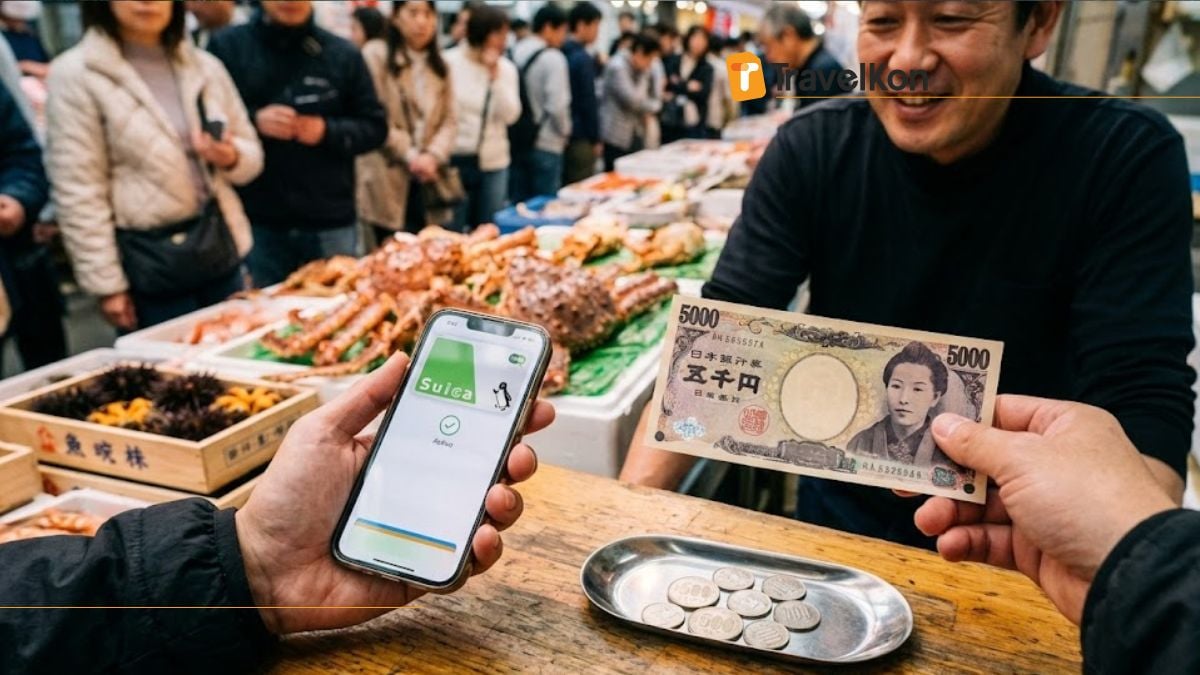
- Local markets — Kuromon Ichiba in Osaka and Nishiki Market in Kyoto are largely cash-only at individual stalls
- Rural buses and small-town taxis — outside major cities, buses require exact change or IC card; small-town taxis rarely accept cards
- Gachapon capsule toy machines and older vending machines — strictly coin-operated
- Coin laundry facilities — ¥100 and ¥500 coins run machines near most guesthouses and hostels
- Luggage lockers at smaller stations — major Shinkansen hubs accept IC cards, but medium and smaller stations still require coins
Warning: Assuming any traditional or independently run business accepts cards is the single most common payment mistake in Japan. When in doubt, ask before you order.
IC Cards (Suica and Pasmo): The Digital Cash Alternative
Bottom line: Load a Digital Suica before departure — it works for trains, convenience stores, and some cafés.
IC cards function as prepaid digital wallets accepted across JR and Tokyo Metro networks, plus major convenience stores (7-Eleven, FamilyMart, Lawson), some cafés, and locker systems at major stations. For transit, IC cards are faster and cheaper than buying individual tickets.
2024–2026 Chip Shortage update: Physical Suica cards have been intermittently unavailable at some airports. The workaround is Digital Suica via Apple Wallet or Google Wallet — it functions identically to the physical card and can be set up before departure using an international credit card.
Warning: Loading physical IC cards at station machines usually requires yen notes or coins. IC cards cannot be topped up with foreign cards at most station kiosks, so load sufficient yen at an ATM first.
Recommended starting load: ¥3,000–¥5,000 (~$20–$33) covers most airport-to-city transit and initial convenience store spending.
ATMs and Withdrawals: Where to Get Cash Without the Headache
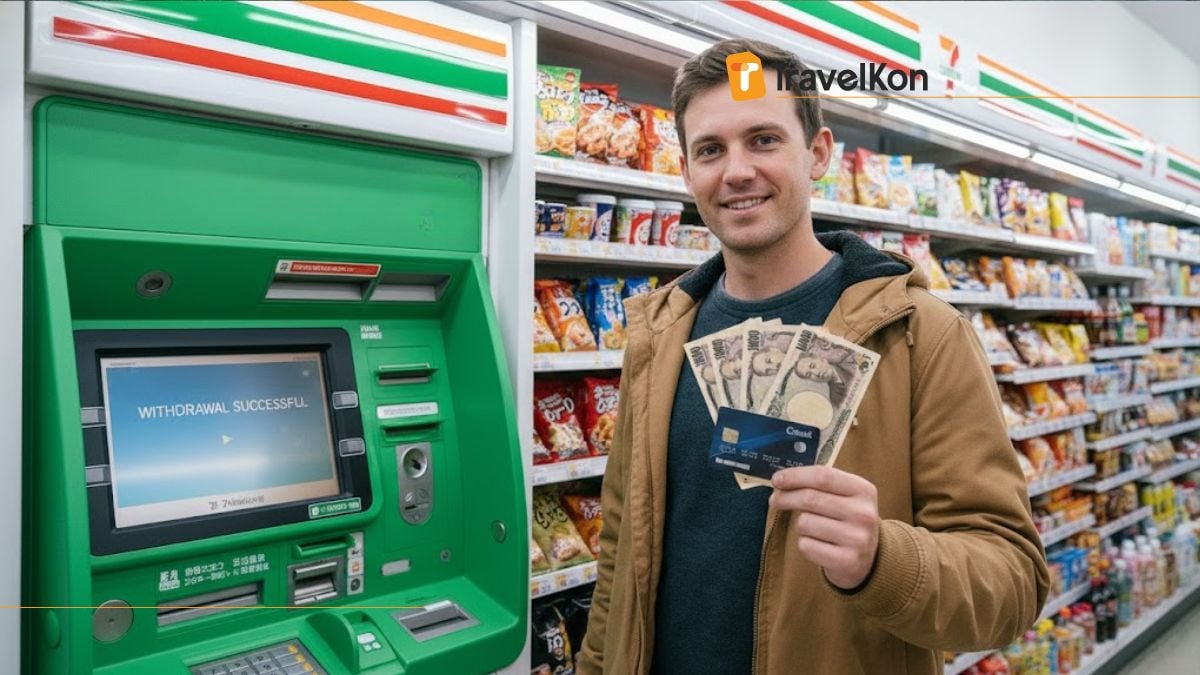
Bottom line: Use 7-Bank (7-Eleven), Japan Post, or Aeon Bank ATMs — they accept most international cards reliably.
Most reliable ATM networks for international cards:
- 7-Bank inside every 7-Eleven — 24 hours, accepts most cards
- Japan Post (JP Bank) at post offices — post office hours, some locations 24hr
- Aeon Bank inside Aeon malls — mall hours, widely distributed
The DCC (Dynamic Currency Conversion) trap: When an ATM asks “Would you like to proceed in [your home currency]?” — always choose Proceed in Yen. Accepting home currency conversion applies the ATM operator’s exchange rate, typically 3–7% worse than your bank’s rate. This mistake costs real money across multiple withdrawals.
- Withdrawal limit per transaction: most 7-Bank ATMs cap at ¥100,000 (~$667)
- Daily limits are set by your home bank, not the Japanese ATM
Pro-Tip: Notify your home bank before departure that you’ll be using your card in Japan. Unexplained overseas activity frequently triggers fraud blocks that are time-consuming to resolve remotely.
New Banknotes and Coin Management
Bottom line: Japan issued redesigned notes in July 2024 — old and new versions circulate together and are equally valid.
The July 2024 redesign was Japan’s first banknote update in 20 years. Both versions are accepted everywhere, though some older vending machines may temporarily reject new notes — use a convenience store register to break bills in that case.
Coin strategy:
- ¥500 (~$3.33) — most useful: coin lockers, vending machines, laundry
- ¥100 (~$0.67) — high utility: temple donations, vending machines, small purchases
- ¥50 (~$0.33) — useful for exact change
- ¥10 (~$0.07) — exact change only
- ¥5 (~$0.03) — shrine offerings (considered lucky)
- ¥1 (~$0.007) — low utility; accumulates quickly and clutters wallets
Pro-Tip: Carry a small coin purse. Japan’s coin culture overwhelms a standard slim wallet within two days. A dedicated coin compartment prevents fumbling through loose change while a queue forms behind you.
No tipping culture: Japan does not tip. Leaving cash on a table after a meal can cause confusion or mild discomfort. Do not feel pressured to add cash beyond the bill total — service is considered included in the price.
Safety, Logistics, and the Emergency Fund
Bottom line: Japan is exceptionally safe for carrying cash — but split your stash regardless.
Japan’s theft and street crime rates are among the lowest globally. Lost wallets are returned at a remarkably high rate, and cash found in public is routinely handed in to local koban (police boxes). Carrying ¥50,000–¥100,000 in cash is not unusual and does not carry the risk it would in most other countries.
The Divided Stash Strategy:
- Daily spending cash (¥5,000–¥15,000) — in your wallet or front pocket
- Reserve cash (the remainder) — in your accommodation safe or a concealed travel pouch
- Emergency fund (¥20,000 / ~$133) — completely separate, untouched unless needed
How much cash should I have for Japan on my person at any time? Realistically, ¥10,000–¥20,000 covers a full day including meals, transport, and incidental purchases.
Why keep a ¥20,000 emergency reserve:
- Rural and smaller clinics may prefer cash or request upfront payment before processing foreign insurance
- Transport disruptions requiring last-minute taxis or alternative routes
- Lost or demagnetized IC card replacement and reload
- Accommodation emergencies requiring a cash deposit
Warning: How much cash limit to bring to Japan has a legal answer — amounts over ¥1,000,000 (~$6,700) require customs declaration. Under this threshold, no declaration is needed.
Cash to Bring to Japan
How much cash to bring to Japan comes down to how you travel — your pace, your destinations, and your comfort with unfamiliar payment systems. Arriving with ¥30,000–¥50,000 for a week-long mid-range trip, loading a Digital Suica before departure, keeping a coin purse, and always choosing “proceed in yen” at ATMs removes the friction that catches most first-time visitors off guard.The cash side and the connectivity side of Japan travel are equally worth preparing in advance. A best esim japan plan active before arrival means you can locate ATMs, translate payment signs, and navigate between cash-friendly venues without depending on hotel WiFi or searching at the point of need.

