
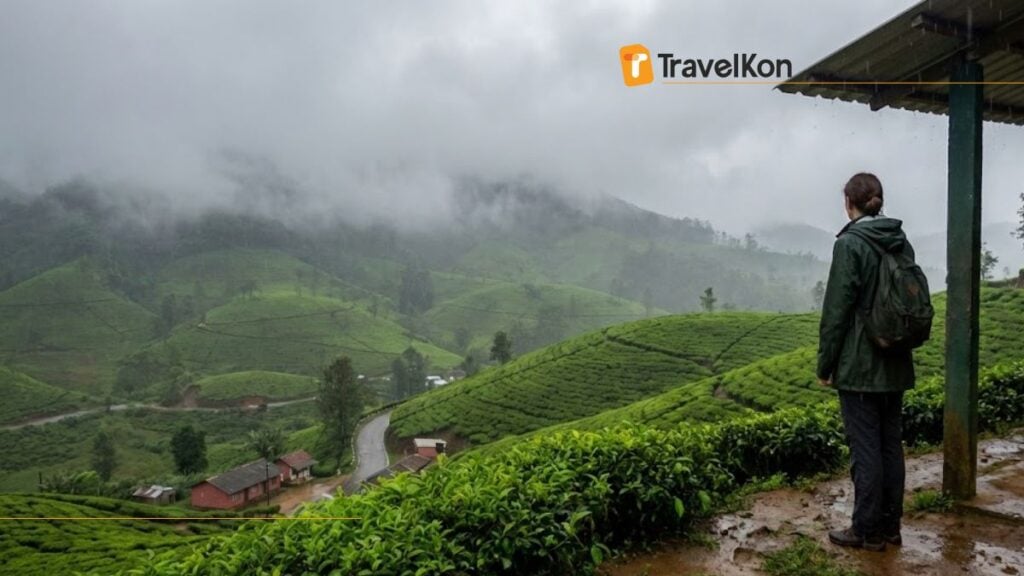
- Sri Lanka is one of the few countries in South Asia where you can move from a UNESCO heritage site to a national park to a surf beach within a single day of travel.
- The island operates on two monsoon cycles affecting opposite coasts, so your itinerary should be planned around which coast is dry when you arrive.
- Tourist locations in Sri Lanka range from heavily visited sites like Sigiriya and Galle Fort to quieter east coast areas that see a fraction of the international traffic the south receives.
Sri Lanka is a compact island that rewards planning more than most destinations its size. The road network, train lines, and budget accommodation have all improved significantly over the past decade, making independent travel genuinely accessible. What surprises many first-time visitors is how much the experience changes depending on which coast they start from and what time of year they arrive.
Getting a Cheap eSim Sri Lanka option sorted before you land is worth doing for practical reasons. Local SIM cards are available at the airport, but queues at arrivals can be long and coverage quality varies. An eSim activated before departure means you have working data from the moment you clear customs.
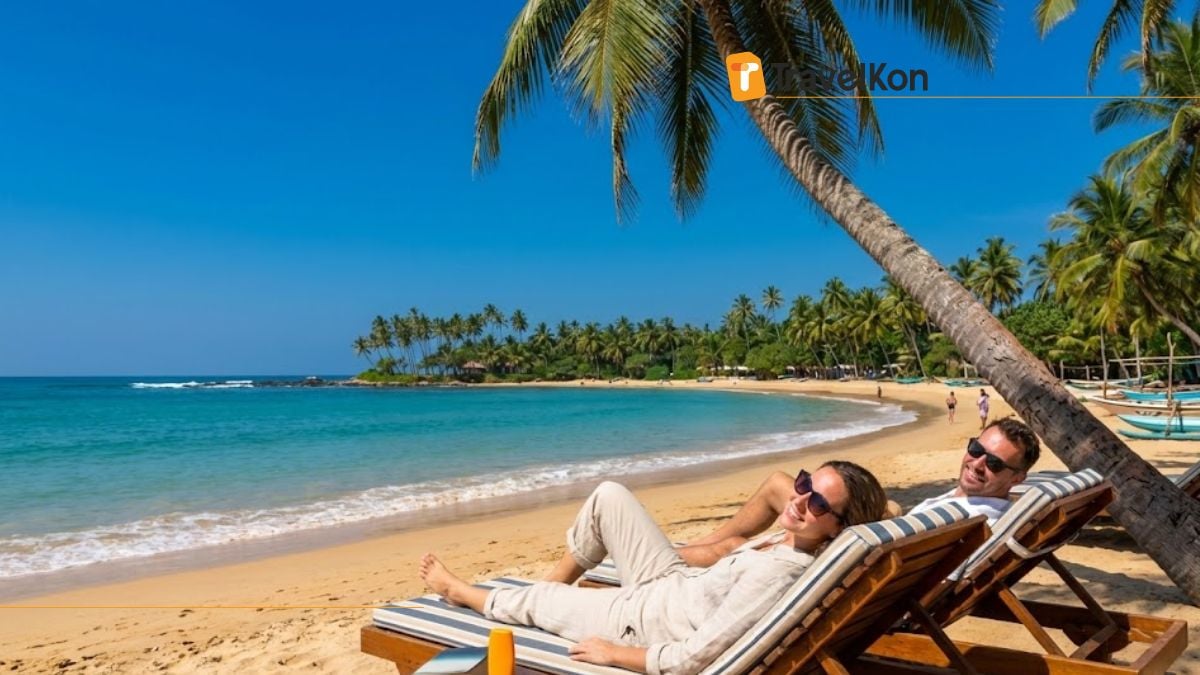

Why Visit Sri Lanka for Your First Trip
Sri Lanka is compact enough to navigate without committing weeks to logistics, diverse enough for travellers with very different priorities, and developed enough that first-time independent visitors rarely feel stranded. Wildlife highlights include:
- Yala National Park, with one of the highest leopard densities of any protected area in the world
- Minneriya, which hosts hundreds of elephants during the dry months
- The waters south of Mirissa, where blue whales pass through between December and March
Eight UNESCO World Heritage Sites are spread across the island, including ancient ruins at Anuradhapura and Polonnaruwa, the colonial port city of Galle, and the tea country around Nuwara Eliya. The potential challenges are worth noting: coastal heat and humidity can be draining, popular sites like Sigiriya carry high entrance fees, and train seat bookings require more advance planning than travellers used to Southeast Asia might expect.
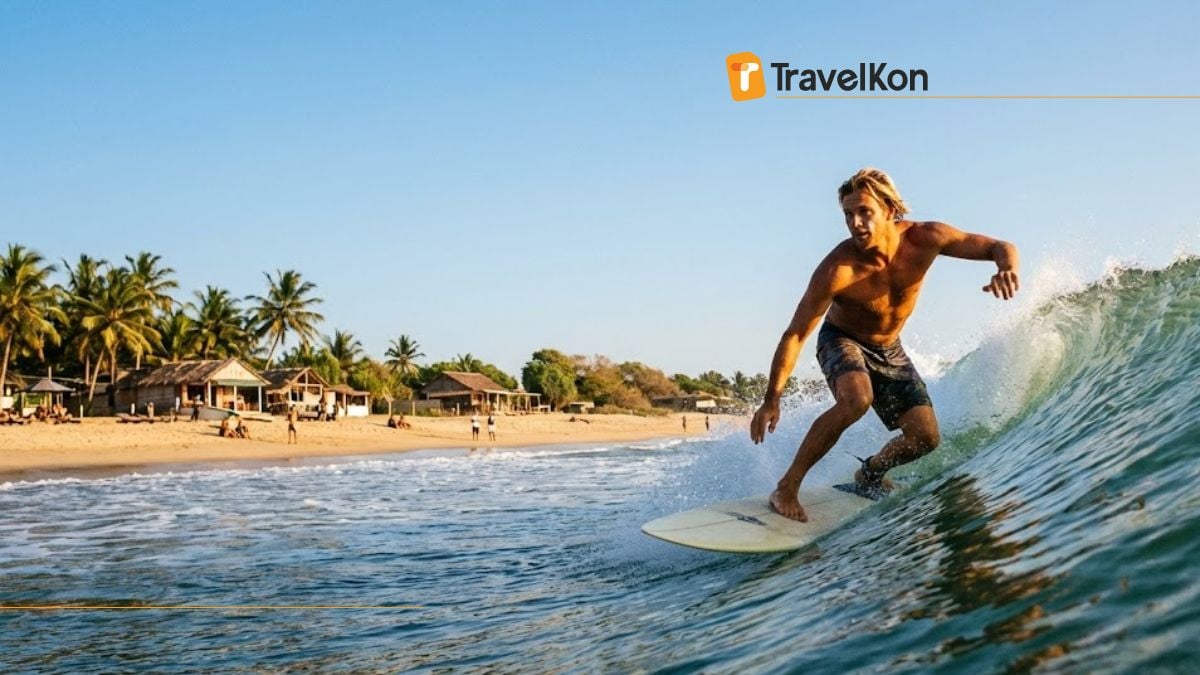
Best Time to Visit Sri Lanka
Two monsoon systems govern the island:
- The southwest monsoon runs from May through September, affecting the west coast, south coast, and Hill Country
- The northeast monsoon runs from October through January, affecting the east coast and north
- The Cultural Triangle in the north-central dry zone is accessible year-round, driest from June to September
For the south coast and Hill Country circuit, December through March is the most reliable window. Peak season falls in January and February; November and April are quieter and cheaper. The east coast; Arugam Bay, Trincomalee, Nilaveli, and Pasikuda; is at its best from May through September.
Entry Requirements and Visa
Most nationalities require an Electronic Travel Authorisation (ETA) applied for online before departure:
- Standard tourist ETA: 30-day stay, extendable to 90 days
- Fee: around USD 20 to 35 for most Western passport holders
- Passport validity: at least six months beyond your departure date
Approval is typically granted within 24 hours. Arrival at Bandaranaike International Airport is straightforward; the ETA is confirmed digitally at the immigration counter.
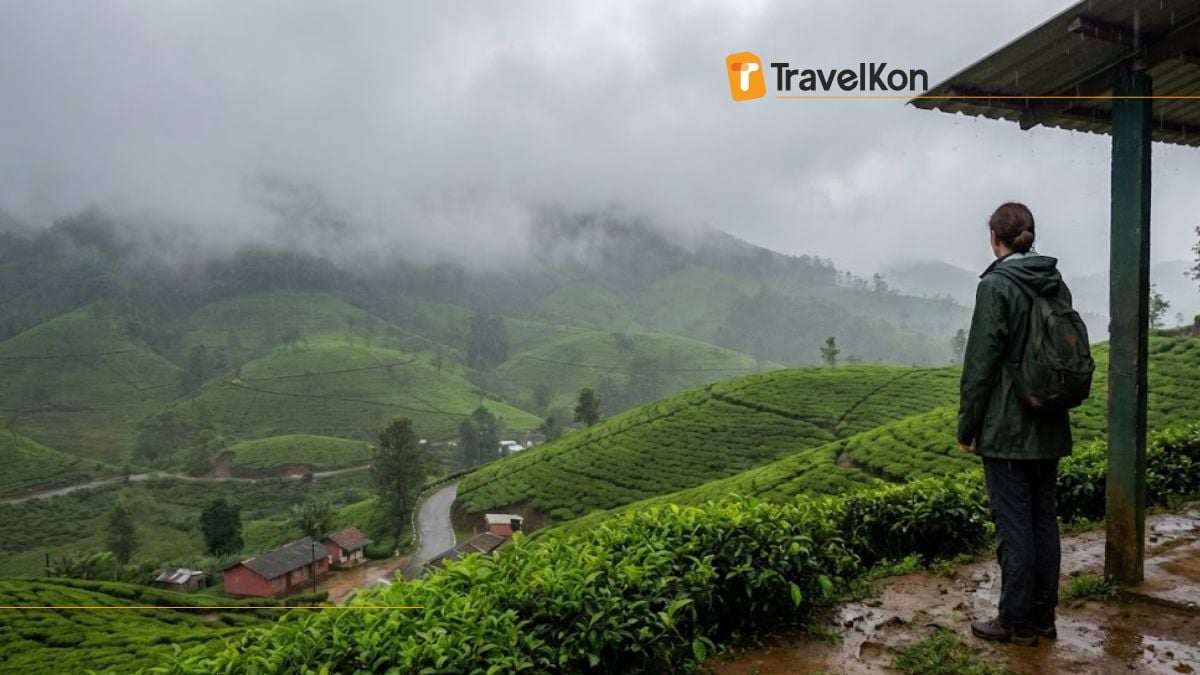
How to Get to Sri Lanka
All international flights arrive at Bandaranaike International Airport in Negombo, about 35 kilometres north of Colombo. Direct services operate from:
- Dubai, Doha, and Abu Dhabi
- Singapore and Kuala Lumpur
- Bangkok and London
From Australia, routing typically goes through Singapore or Kuala Lumpur (around 14 to 16 hours). From London, the direct flight takes around ten to eleven hours. Booking four to eight weeks ahead and travelling mid-week generally produces better fares.
Where to Go for First Timers
The classic route loops from Colombo through the south coast, up through the Hill Country, and across to the Cultural Triangle. It covers the most varied terrain without excessive backtracking.
Colombo: One to two nights. Worth exploring the Pettah market district, Galle Face promenade, and Cinnamon Gardens.
Galle and the South Coast: Two to three nights. The Dutch-built Galle Fort is among the sri lanka best tourist destination choices for colonial history. Mirissa and Unawatuna beaches are within easy reach.
Hill Country: Two to three nights across Kandy and Ella. Kandy holds the Temple of the Tooth Relic; Ella is smaller and backpacker-oriented with good hill walks. The train between Kandy and Ella via Nanu Oya is one of the most scenic rail routes in Asia.
Cultural Triangle: Two days minimum for Sigiriya, Polonnaruwa, and Dambulla.
How Many Days You Need
- 7 days: Either south coast and Hill Country, or Hill Country and Cultural Triangle; not comfortably both
- 10 days: The full standard loop at a manageable pace
- 14 days: Adds the east coast or a wildlife safari at Yala or Udawalawe
Journey times to factor in: Colombo to Ella is around six hours by train; Ella to Sigiriya is four to five hours by bus and tuk-tuk. For a first trip, ten to fourteen days is the more comfortable range.
Getting Around Sri Lanka
- Train: Most scenic for long distances. Book observation car seats in advance for the Kandy to Ella route.
- Bus: Faster than trains on most routes, inexpensive, and covers areas the rail network misses.
- Tuk-tuk: Standard for short distances. Negotiate fares in advance; PickMe app works in Colombo.
- Private driver: Good value for groups or couples on multi-day transfers.
Travelling around Sri Lanka independently is feasible on public transport. Journey times tend to be longer than the distances suggest, particularly on mountain roads.
Where to Stay and What It Costs
Accommodation by budget level:
- Budget: USD 10 to 20 per night for a private room with fan and shared bathroom
- Mid-range: USD 30 to 80 per night for guesthouses with air conditioning and en-suite bathrooms
- Higher-end: Several hundred dollars per night at resorts during peak season
Book ahead from December through March on the south coast and in the Cultural Triangle. Direct booking via WhatsApp often produces better rates at smaller guesthouses.
Daily budget estimates:
- Backpacker: USD 35 to 50 per day
- Mid-range couple: USD 100 to 150 per day combined
Entrance fees are a significant cost: Sigiriya charges USD 30 per person, and Yala safari jeep hire adds up quickly. Local food; rice and curry at USD 1 to 3 per plate; keeps food costs low.
Safety and Common Scams
Sri Lanka is generally safe for all travellers, including solo visitors and women travelling independently. The most common issues are non-violent:
- Inflated tuk-tuk fares; always check the going rate before agreeing
- Gem shop commissions where drivers are paid to deliver tourists to overpriced stores
- Tour operator overcharging at popular sites
Health basics: drink bottled or filtered water, use insect repellent in forested areas, and carry travel insurance that covers medical evacuation. Medical facilities in Colombo are reasonable; outside the capital, serious conditions require transfer to the city.
Cultural Etiquette and Practical Tips
At Buddhist temples and Hindu kovils:
- Covered shoulders and legs are required
- Remove shoes before entering
- Follow signage on photography restrictions
For connectivity and payments, cash remains essential outside Colombo and the major beach towns. ATMs at major banks are the most reliable. A Sri Lanka eSim Travel plan keeps Google Maps and booking apps running as you move between less-connected areas, which matters more than most travellers anticipate.
Sample 10-Day Itinerary
- Days 1 to 2: Colombo; Pettah market, Cinnamon Gardens, Galle Face
- Days 3 to 4: Galle; Fort half-day, beaches at Unawatuna or Mirissa
- Day 5: Travel to Ella; around four hours by bus
- Days 6 to 7: Ella; Little Adam’s Peak, Ravana Falls, tea estate visit
- Day 8: Train to Kandy; optional stop at Dambulla Cave Temple
- Day 9: Kandy; Temple of the Tooth, Peradeniya Botanical Gardens
- Day 10: Sigiriya, then return to Colombo for departure
For 14 days, add Polonnaruwa, Anuradhapura, and one day at Udawalawe. For 7 days, base the south coast section entirely in Galle.
Before You Go
The foundation before departure:
- ETA visa arranged online
- Travel insurance in place
- Monsoon calendar checked against your travel dates
- Train seats on the Kandy to Ella route booked in advance
What tends to go wrong on first visits is poor timing relative to the monsoon, overloaded itineraries that rush what deserves more time, and underestimating site entrance fees. Plan the coast and the calendar together, leave room in the schedule, and Sri Lanka tends to deliver.

