
Thailand isn’t a single digital nomad experience. The rhythm of working remotely in Bangkok bears little resemblance to the laptop-on-the-beach fantasy in Koh Lanta, and the infrastructure in Chiang Mai operates differently than what you’ll find in Phuket. What ties them together is that Thailand has spent the past decade building out the practical framework that makes remote work viable; coworking spaces, reliable internet, affordable accommodation, and a visa system that tolerates long-term stays even if it doesn’t explicitly welcome them.
For first-time digital nomads, Thailand offers a relatively forgiving entry point. The cost of living is manageable, English is widely understood in nomad hubs, and the community of remote workers is large enough that you’re not pioneering alone. The trade-offs are real; visa runs are a recurring reality, the climate can be oppressive, and the infrastructure quality varies dramatically between cities.
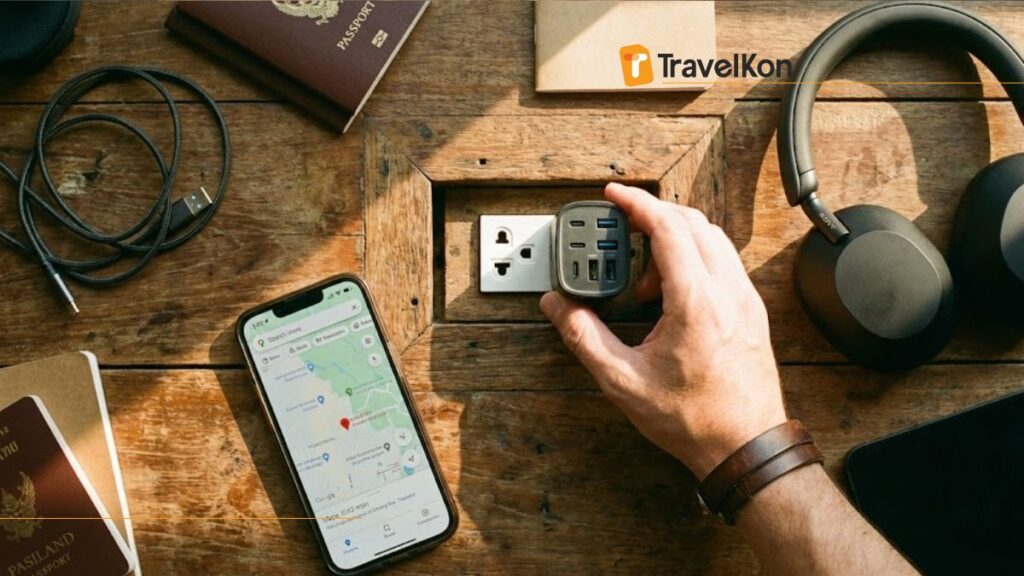
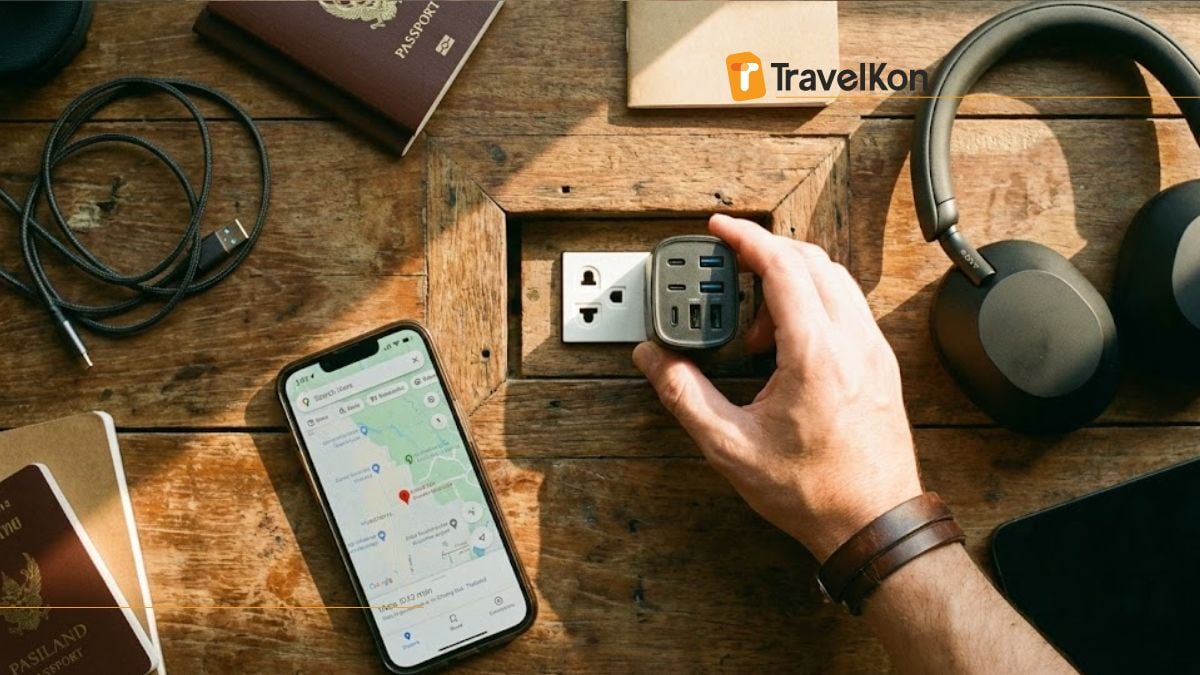
- Thailand uses Type A, B, and C electrical outlets (220V); bringing a Thailand electrical plug adapter matters more than you’d expect when your laptop and phone need charging daily.
- The best digital nomad places in Thailand range from beach towns with coworking spaces to northern cities with reliable infrastructure, each with distinct cost structures and social scenes.
- Mobile connectivity is non-negotiable for remote work, and sorting a thailand esim before arrival removes the hassle of finding SIM card shops while jet-lagged.

Why Thailand Works for Remote Work
Compared to other Southeast Asian countries, Thailand’s digital nomad infrastructure is deeper and more established. Bali has comparable community and vibe, but Thailand’s internet reliability is better in most cities. Vietnam has lower costs in some areas, but fewer purpose-built coworking spaces. The Philippines offers native English speakers, but Thailand’s nomad ecosystem is more developed and connected.
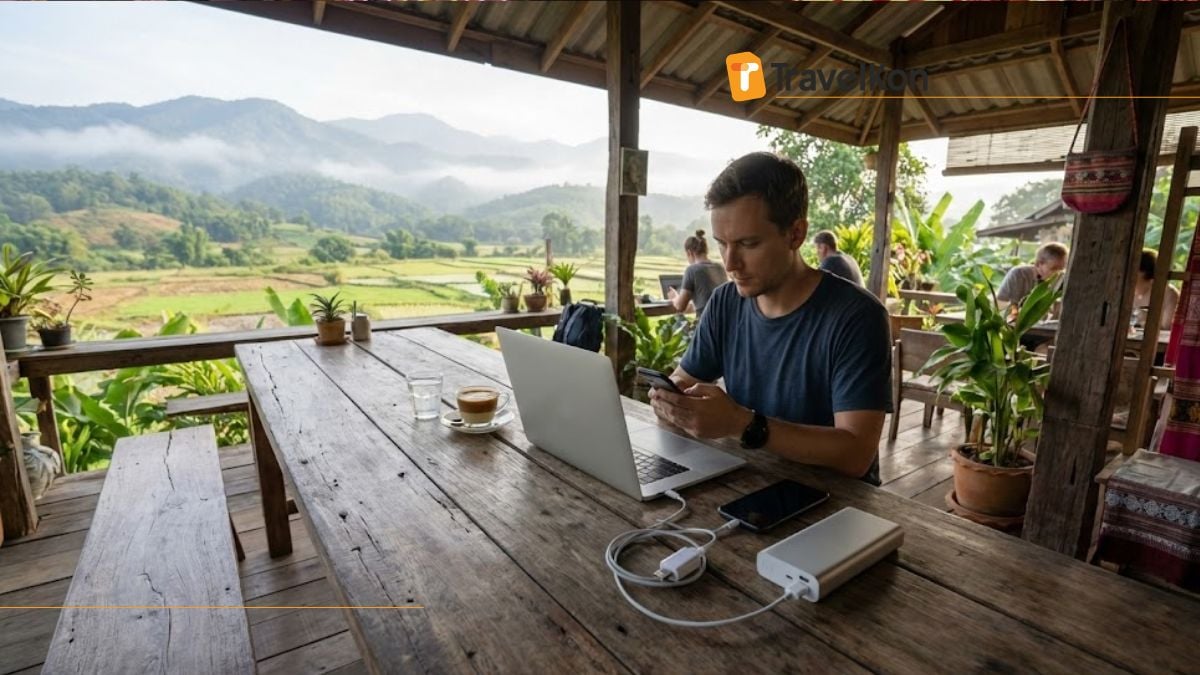
Thailand’s appeal for digital nomads comes down to practicalities. Fast internet is available in most cities, coworking spaces offer day passes and monthly memberships, accommodation ranges from budget hostels to serviced apartments, and the cost structure lets you live comfortably on a moderate income. The digital nomad Thailand cost of living sits lower than most Western cities but higher than some other Southeast Asian options; expect to spend $800-1500 USD per month depending on your location and lifestyle choices.
Best Digital Nomad Places in Thailand (Where to Base Yourself)
1. Chiang Mai (The Established Hub)
Chiang Mai has been Thailand’s default digital nomad city for over a decade. The infrastructure is purpose-built for remote workers; dozens of coworking spaces, reliable fiber internet, affordable apartments, and a social scene revolving around other nomads. The climate is cooler than southern Thailand, the old city is walkable, and monthly costs are among the lowest in the country.
The downside is saturation. Chiang Mai feels like a digital nomad monoculture at times, and constant turnover makes genuine connections harder. Burning season (February-April) brings heavy smoke, and there’s no beach access. If you want established infrastructure and community without surprises, Chiang Mai delivers.
2. Bangkok (The Urban Option)
Bangkok offers the most reliable infrastructure in Thailand; enterprise-grade internet, international coworking chains, serviced apartments, and public transport that works. The pace is faster, the city is cosmopolitan, and professional networking extends beyond the nomad bubble into actual Thai business circles.
The trade-offs are cost and chaos. Bangkok is more expensive than Chiang Mai or beach towns, traffic is relentless, and urban density can overwhelm. If you need reliable infrastructure and prefer city energy, Bangkok works. If you want laid-back beach vibes or tight-knit community, look elsewhere.
3. Koh Phangan (Digital Nomad Island Life)
Koh Phangan has evolved beyond its full moon party reputation into one of the best Thai islands for digital nomads. The west coast has coworking spaces, decent internet, and a community of remote workers who’ve chosen island life deliberately. The pace is slower, beaches are accessible, and monthly costs stay reasonable outside peak tourist areas.
The limitations are isolation and inconsistency. Island internet can drop during storms, getting anything delivered takes longer, and the social scene is smaller. If you’re comfortable with occasional connectivity issues and want beach access, Koh Phangan offers middle ground.
4. Phuket (The Professional Base)
Phuket attracts digital nomads who need reliable infrastructure and don’t mind paying for it. Internet is stable, coworking spaces are professional-grade, and the international community is larger than most Thai cities. The island is well-connected by flight for frequent travelers.
The downside is cost; Phuket is one of Thailand’s most expensive locations. If budget is your primary concern, Phuket will strain it. If you need reliability and can afford the premium, it delivers.
5. Pai (The Quiet Alternative)
Pai is a small mountain town north of Chiang Mai attracting digital nomads looking for slower rhythms and tighter community. Infrastructure is basic but functional; a few coworking spaces, cafés with WiFi, and guesthouses with monthly rates. The town is walkable, surrounding nature is accessible, and the vibe is less hustle-oriented than larger nomad hubs.
The trade-offs are limited services and seasonal crowds. Pai gets packed during Thai holidays and winter, straining accommodation and workspace. Internet is adequate but not exceptional. If you value quiet and community over infrastructure perfection, Pai works for a few months at a time.
Daily Rhythms Beyond the Laptop
Digital nomad life in Thailand isn’t only about work. Mornings in Chiang Mai often start with runs around the moat or yoga before settling into coworking spaces by 9 AM. Lunch involves street food or affordable restaurant meals, and afternoons shift between focused work and café hopping when concentration wavers.
Evenings provide decompression. Night markets, casual dinners with other nomads, gym sessions, or language exchanges fill post-work hours. Weekends open up for temple visits, hiking, day trips, or catching up on personal projects. The rhythm becomes habitual quickly.
How Digital Nomads Actually Eat
Eating in Thailand as a digital nomad means balancing affordability with routine. Street food and local restaurants keep costs low; 40-100 baht for most meals; and variety prevents monotony. Western food is available in all major nomad hubs but costs 2-3 times more, creating natural incentive to adapt to Thai eating patterns.
Most digital nomads develop a rotation: street pad thai or fried rice for quick lunches, sit-down Thai restaurants for dinners, and occasional Western meals when homesickness hits. Cooking at home is less common since eating out is cheap and convenient.
Where Digital Nomads Actually Stay
In Chiang Mai, the Nimman area concentrates nomad-friendly accommodation and coworking spaces. Monthly apartment rentals run 8,000-15,000 baht for basic studios. The old city offers cheaper options and more local flavor but less coworking infrastructure.
Bangkok’s digital nomads cluster around Sukhumvit and Silom, near BTS stations. Expect 12,000-25,000 baht monthly for studios, more for larger spaces. The trade-off for higher cost is better infrastructure.
Island locations like Koh Phangan offer bungalows and guesthouses with monthly rates of 6,000-12,000 baht. Beachfront costs more, inland requires scooter transportation.
When to Go (and When to Avoid)
November through February offers the best weather across Thailand; cooler temperatures, minimal rain, comfortable working conditions. This is peak season, meaning higher accommodation costs and more crowds. March through May brings intense heat, though costs drop and spaces thin out.
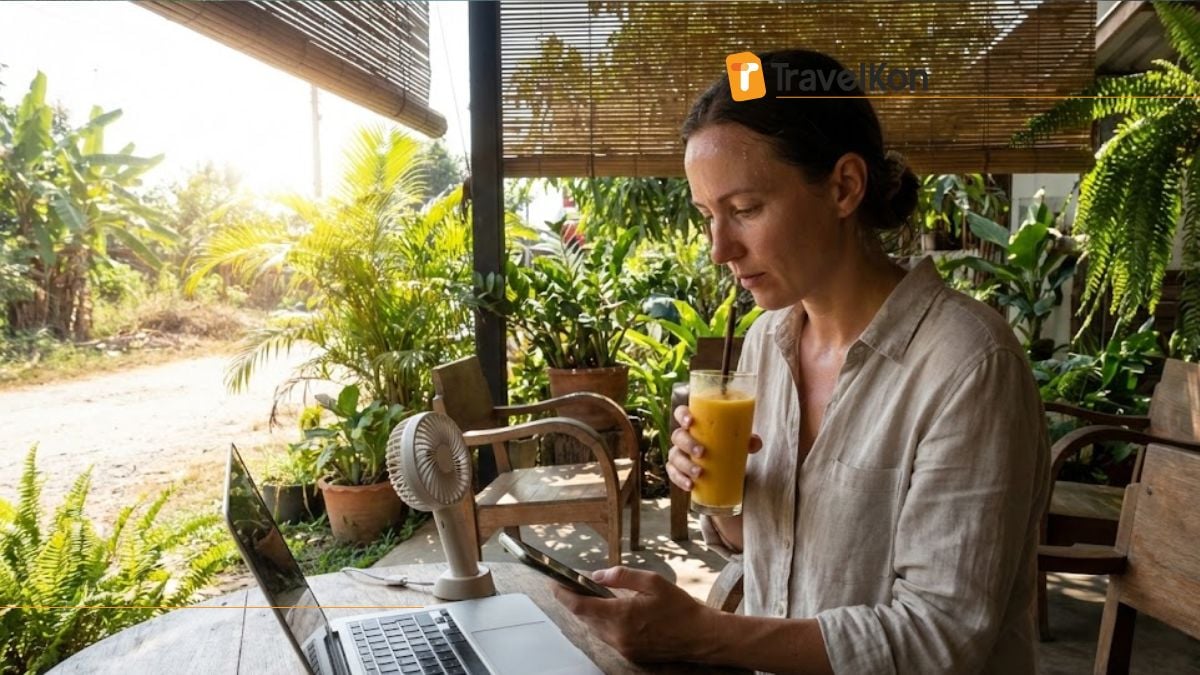
Rainy season (June-October) sees the fewest digital nomads and lowest prices, but also humidity, occasional flooding, and internet disruptions during storms. Chiang Mai’s burning season (February-April) should be avoided if you have respiratory sensitivities.

Practical Infrastructure and Digital Nomad Thailand Requirements
Internet speed varies by location. Chiang Mai and Bangkok offer 100+ Mbps fiber connections reliably. Islands and smaller towns average 20-50 Mbps, adequate for most work but not for large file uploads or constant video calls. Having backup connectivity through mobile data matters; when WiFi drops, a working mobile hotspot keeps you operational. Setting up flexible thailand esim plans for digital nomads before arrival means you have redundancy from day one.
Electrical infrastructure uses Type A, B, and C plugs at 220V. Most modern electronics handle dual voltage, but older equipment might need a converter beyond just a Thailand electrical plug adapter. Power stability is good in cities, less reliable in rural areas.
Visa options remain complicated. Tourist visas offer 60 days, extendable once for 30 days. Visa runs to neighboring countries reset the clock but become tedious. Most long-term nomads operate on tourist visas with periodic border runs, which works but isn’t officially sanctioned for work purposes.
Coworking spaces charge 3,000-6,000 baht monthly for dedicated desks, 150-300 baht for day passes.
Who Thailand Suits (and Who It Doesn’t)
Thailand works well for first-time digital nomads who want established infrastructure, for remote workers who value affordability, and for people who adapt well to heat and cultural differences. The community aspect means you’re rarely isolated, and the cost structure allows experimentation without financial stress.
It doesn’t suit digital nomads who need absolute reliability for mission-critical work with zero downtime tolerance, who require extensive Western amenities, or who struggle with heat and humidity. The visa situation creates ongoing administrative friction.
Final Thoughts on Remote Work in Thailand
Thailand offers a well-worn path for digital nomads; the infrastructure exists, the community is established, and the cost structure makes extended stays viable on moderate income. The best digital nomad places in Thailand each offer different trade-offs between cost, infrastructure, community, and environment, but none are perfect. The key is matching your work requirements and lifestyle preferences to the right city or island, understanding that you’ll likely move between locations as needs and seasons shift.

