
Planning a Vietnam 2 week itinerary opens doors to one of Southeast Asia’s most captivating destinations. This S-shaped country stretches over 1,600 kilometres, offering everything from bustling cities and ancient towns to pristine beaches and emerald rice terraces. Two weeks provides the ideal timeframe to experience Vietnam’s diverse landscapes, rich culture, and unforgettable cuisine without feeling rushed. Before setting off, sorting practical matters like staying connected makes the journey smoother—a reliable Vietnam eSIM ensures travellers can navigate, translate, and share experiences seamlessly throughout their adventure.
According to recent tourism data, travellers who spend 14 days in Vietnam report 73% higher satisfaction rates compared to those on shorter trips, as the duration allows for balanced exploration of northern heritage sites, central cultural hubs, and southern coastal regions.


How Can TravelKon’s Vietnam eSIM Plans Keep Travellers Connected?
Staying connected throughout a two-week Vietnamese adventure eliminates stress and enhances the experience. TravelKon’s esim for vietnam delivers unlimited data coverage across all major networks. This digital solution activates instantly upon arrival, requiring no physical SIM card swaps or hunting for local mobile shops.
The unlimited data feature proves invaluable when navigating Hanoi’s Old Quarter maze or booking last-minute accommodation in Hoi An. Real-time translation apps work flawlessly with consistent connectivity, breaking down language barriers at local markets and family-run restaurants. Travellers can video call home from Ha Long Bay’s limestone karsts or upload sunset photos from Phu Quoc Island without worrying about data limits.
TravelKon’s plans support multiple devices simultaneously, perfect for couples or families sharing the connection. The service operates seamlessly whether trekking through Sapa’s mountains or exploring Ho Chi Minh City’s urban sprawl, ensuring reliable internet access throughout Vietnam’s varied terrain.
What’s the Ideal Day-by-Day Route for Two Weeks in Vietnam?
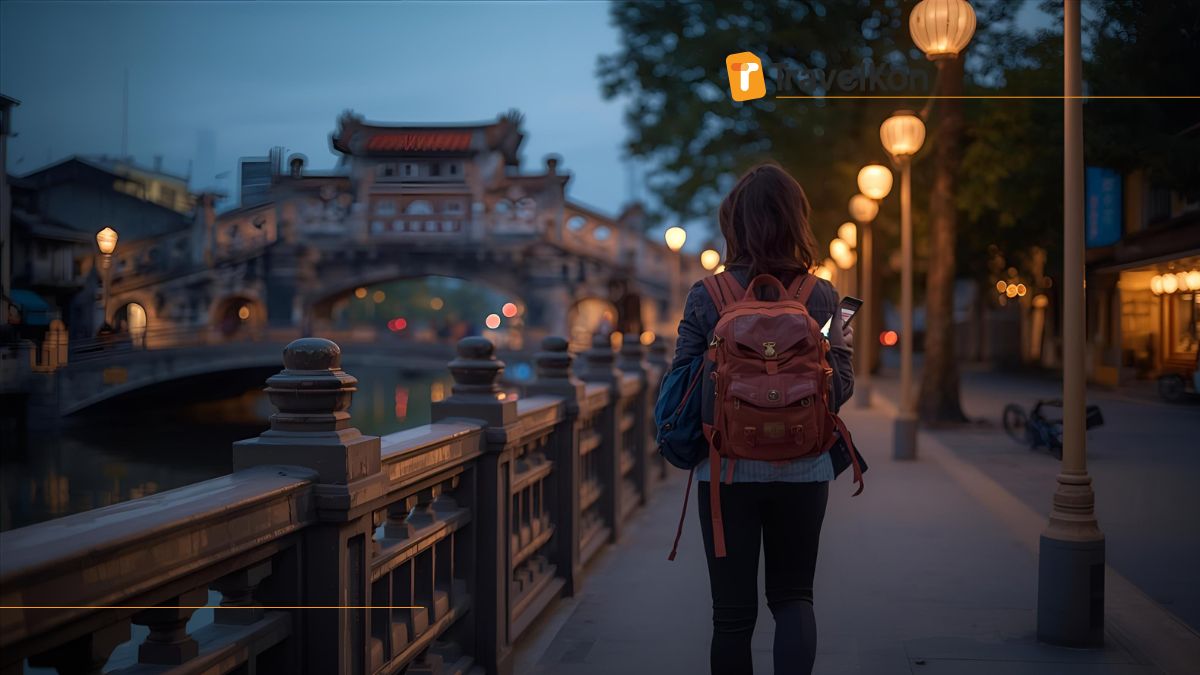
A well-structured fortnight allows travellers to experience Vietnam’s geographical and cultural diversity without exhausting transfers. This itinerary balances UNESCO heritage sites, natural wonders, beach relaxation, and authentic local encounters across the country’s three distinct regions.
Days 1-4: Northern Vietnam
- Day 1: Arrive in Hanoi, explore the Old Quarter’s 36 streets, visit Hoan Kiem Lake at sunset
- Day 2: Discover Ho Chi Minh Mausoleum, Temple of Literature, enjoy water puppet theatre in the evening
- Day 3: Full-day Ha Long Bay cruise, kayak through limestone caves, overnight on traditional junk boat
- Day 4: Return to Hanoi, optional Sapa day trip for rice terraces, travel to Hue by evening flight
Days 5-7: Central Vietnam
- Day 5: Explore Hue’s Imperial City, visit Thien Mu Pagoda, cruise the Perfume River
- Day 6: Ride motorbikes over Hai Van Pass to Hoi An, stop at Lang Co Beach and Marble Mountains
- Day 7: Wander Hoi An’s Ancient Town, get tailored clothing made, release lanterns on Thu Bon River
Days 8-10: Central Highlands & Coast
- Day 8: Morning cooking class in Hoi An, afternoon at An Bang Beach, evening food tour
- Day 9: Day trip to My Son Sanctuary ruins, return for sunset at Japanese Covered Bridge
- Day 10: Fly to Ho Chi Minh City, evening stroll along Dong Khoi Street and Nguyen Hue Walking Street
Days 11-14: Southern Vietnam
- Day 11: Explore Reunification Palace, War Remnants Museum, Ben Thanh Market, evening street food in District 1
- Day 12: Full-day Mekong Delta tour, visit floating markets, sample tropical fruits, cycle through villages
- Day 13: Fly to Phu Quoc Island, relax at Long Beach, enjoy fresh seafood dinner
- Day 14: Morning at Sao Beach, explore Phu Quoc National Park, farewell sunset cruise
This route flows naturally from north to south, minimising backtracking whilst maximising diverse experiences. Domestic flights connect major destinations efficiently, whilst overnight buses offer budget alternatives between closer cities.
What Essential Information Should Travellers Know About Vietnam?

Understanding Vietnam’s practical aspects ensures smoother travel experiences. The country operates on Indochina Time (GMT+7) with no daylight saving changes, whilst Vietnamese Dong (VND) serves as official currency throughout the nation.
Currency & Money Matters
- Vietnamese Dong (VND) is the official currency, with typical exchange rates around 23,000-25,000 VND per USD
- US dollars are widely accepted at tourist establishments, hotels, and high-end restaurants
- ATM withdrawals offer the best exchange rates, with machines available in all major cities and tourist towns
- Credit cards work at larger establishments, though cash remains essential for street food, markets, and rural areas
Climate & Best Travel Times
- Northern Vietnam experiences cool winters (November-March, 15-20°C) and hot summers (May-September, 30-35°C)
- Central Vietnam enjoys dry weather February-April, with wettest months September-December
- Southern Vietnam maintains warm temperatures year-round (25-35°C), with wet season May-November
- Optimal nationwide travel window spans February through April for pleasant weather across all regions
Cultural Etiquette & Customs
- Remove shoes before entering homes, temples, and some restaurants as a sign of respect
- Cover shoulders and knees when visiting religious sites and government buildings
- Avoid pointing feet at people or religious objects, as feet are considered the lowest part of the body
- Learn basic phrases like “xin chào” (hello), “cảm ơn” (thank you), and “không, cảm ơn” (no, thank you)
These fundamentals create a foundation for respectful, enjoyable interactions throughout the Vietnamese journey.
What Preparations Make a Vietnam Two-Week Trip Successful?
Proper preparation transforms a good trip into an exceptional one. Sorting visa requirements, health precautions, and practical bookings weeks before departure eliminates last-minute stress and ensures a seamless Vietnamese adventure.
Visa & Entry Requirements
- Australian passport holders can enter Vietnam visa-free for up to 45 days as of current regulations
- Passports must have at least six months validity beyond intended departure date
- Verify current entry requirements before departure as policies occasionally change
- Keep digital and physical copies of passport identification pages stored separately
Health & Safety Preparations
- No mandatory vaccinations exist for Vietnam entry, though several are recommended
- Doctors typically suggest hepatitis A and B, typhoid, tetanus, and rabies boosters
- Malaria risk remains low in major tourist areas but increases in rural highlands and remote regions
- Pack a medical kit with anti-diarrheal medication, antihistamines, pain relievers, and 50% DEET mosquito repellent
- Comprehensive travel insurance covering medical emergencies, evacuations, trip cancellations, and adventure activities
Booking & Logistics
- Reserve accommodation 2-3 months ahead for peak season (December-February) to secure preferred properties
- Mix accommodation styles from boutique hotels in cities to homestays in rural areas for varied experiences
- Book domestic flights between Hanoi, Da Nang, Ho Chi Minh City, and Phu Quoc in advance for better rates
- Download offline maps, Vietnamese translation apps, and Grab ride-hailing service before arrival
- Research Vietnamese cuisine basics and chopstick etiquette to enhance dining experiences
Strategic preparation ensures travellers can focus on experiencing Vietnam rather than solving preventable problems.
What Additional Tips Enhance the Vietnam Experience?
Smart travellers adopt local customs and insider knowledge to maximise their Vietnamese adventure. These practical tips elevate the journey from standard tourism to authentic cultural immersion, whilst maintaining budget efficiency and personal safety.
Food & Dining Strategies
- Eat where locals eat for authentic flavours at 30-50% lower prices than tourist-focused restaurants
- Choose street food vendors with high customer turnover and visible cooking processes for food safety
- Best pho and banh mi come from bustling plastic-stool establishments, not air-conditioned tourist spots
- Try regional specialties in their origin cities: bun cha in Hanoi, cao lau in Hoi An, banh xeo in southern regions
Transport & Navigation Options
- Use Grab (Southeast Asia’s ride-hailing app) for reliable, metered transport in major cities
- Rent motorbikes in less congested areas like Hoi An and Phu Quoc for freedom and flexibility
- Avoid riding motorbikes in Hanoi and Ho Chi Minh City traffic unless highly experienced
- Sleeper trains between Hanoi and Hue offer scenic journeys whilst saving accommodation costs
- Book reputable tour operators for Ha Long Bay cruises and Mekong Delta trips to avoid scams
Cultural Respect & Smart Shopping
- Ask permission before photographing locals, especially ethnic minorities and rural residents
- Bargain expected at markets (aim for 50-70% of initial price) but not in established shops
- Shop at local markets rather than tourist-focused shops for better prices and community support
- Tipping isn’t traditional but 20,000-50,000 VND for exceptional service is appreciated
- Allow flexibility in the itinerary for spontaneous discoveries and local recommendations
These insider approaches create richer connections with Vietnamese culture whilst stretching travel budgets further.

