
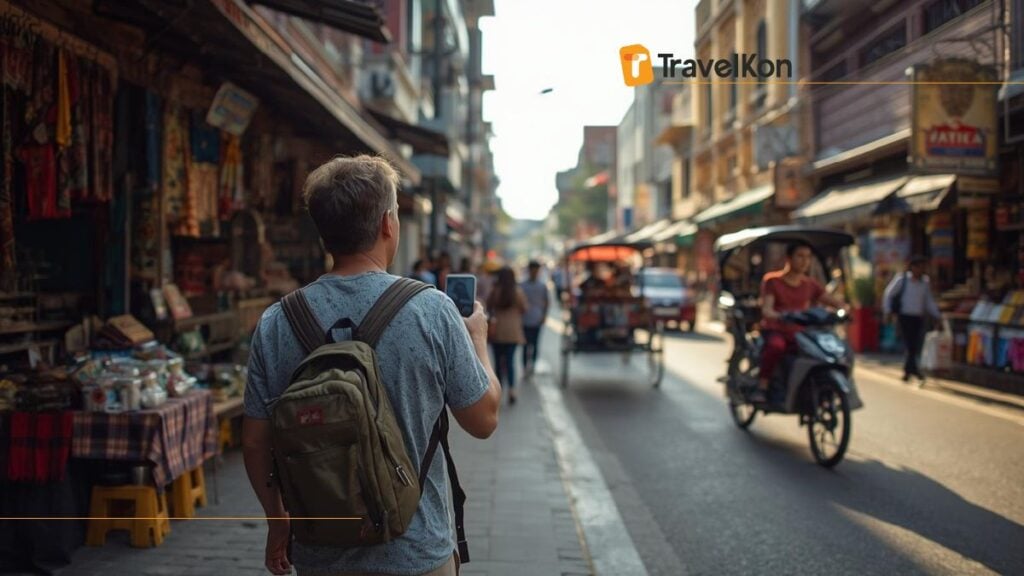
Finding the best place to visit in Yogyakarta opens doors to Indonesia’s most enchanting cultural destination. This ancient city blends centuries-old temples with vibrant street art, traditional batik workshops, and volcanic landscapes. Before exploring these wonders, securing reliable connectivity through an Indonesia eSIM ensures seamless navigation, instant translations, and sharing memories without hunting for Wi-Fi hotspots.
Recent tourism data shows Yogyakarta welcomes over 5 million international visitors annually, with temple visits peaking during dry season months between April and October.
Quick Facts:
- Borobudur Temple ranks as Southeast Asia’s largest Buddhist monument, best visited at sunrise between 4:30-6:00 AM
- The city maintains year-round temperatures of 26-28°C, with dry season from April to October ideal for outdoor exploration
- Yogyakarta serves as Indonesia’s cultural capital with over 1,000 years of continuous royal heritage and living traditions
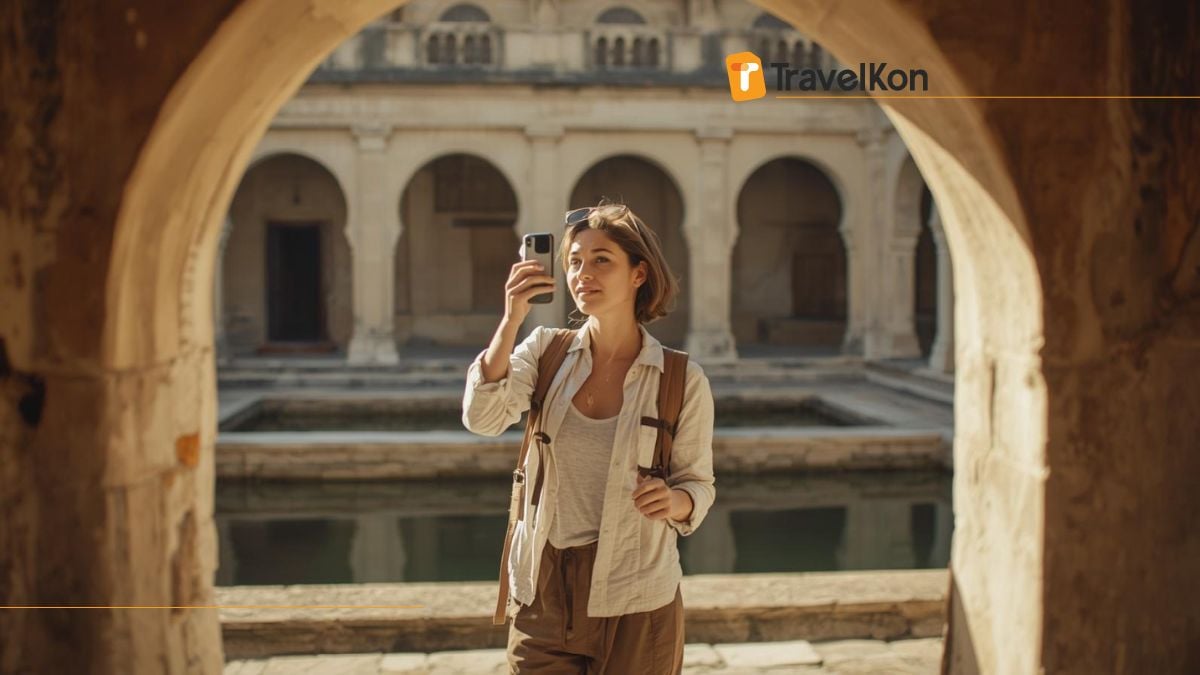

How Can Travellers Get Cheap Indonesia eSIM with Unlimited Data?
TravelKon provides budget-friendly connectivity solutions specifically designed for Indonesian adventures. Digital eSIM technology eliminates physical SIM card hassles whilst offering instant activation upon arrival. Travellers access unlimited data packages without unexpected roaming charges or connection interruptions.
The best eSIM for Indonesia delivers several practical advantages:
- Instant Activation: QR code scanning activates service within minutes after landing at Adisucipto International Airport
- Flexible Duration: Plans ranging from 3 days to 30 days accommodate various itinerary lengths
- Unlimited Data Options: Stream content, video call home, and navigate without monitoring data consumption
- Local Network Coverage: Connection through Indonesia’s major carriers ensures reliable service across Yogyakarta and surrounding regions
- Cost Transparency: Fixed pricing eliminates surprise charges common with international roaming plans
Multiple devices can share connectivity through hotspot features. This proves especially valuable when travelling with companions who need internet access for separate activities.
What Are the Best Places to Visit in Yogyakarta?
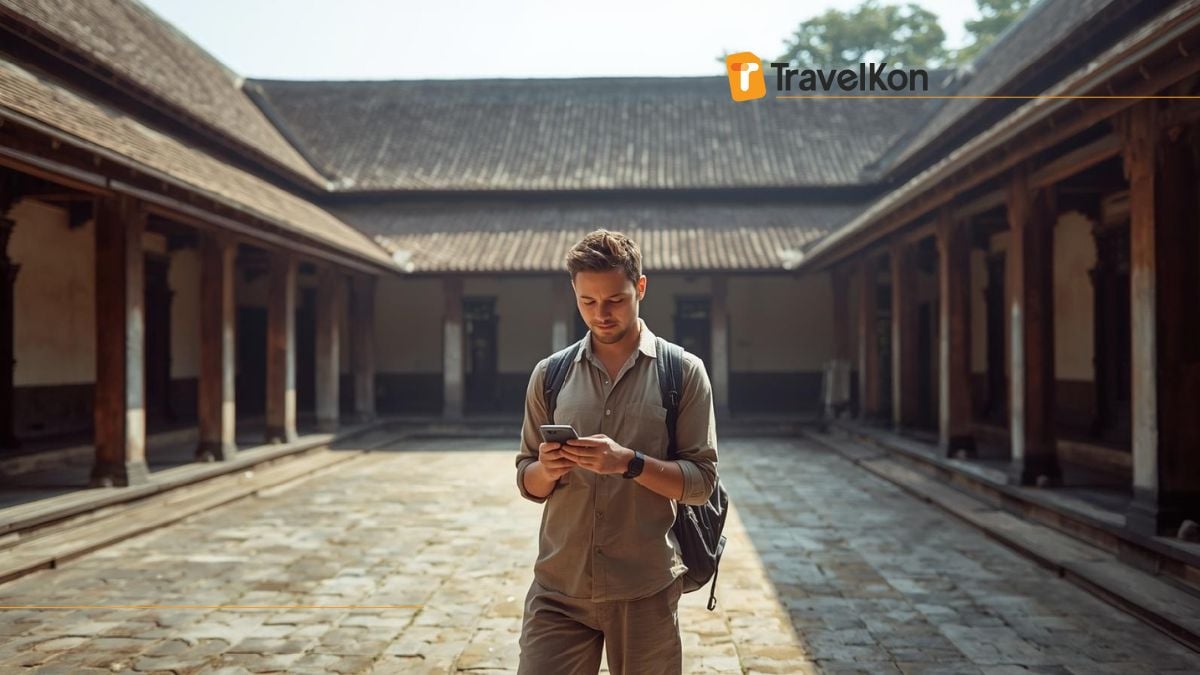
Yogyakarta’s attractions span ancient monuments, natural wonders, and contemporary cultural spaces. Each destination offers distinct experiences reflecting Java’s rich heritage. Strategic timing maximises enjoyment whilst avoiding crowds and extreme weather conditions.
Essential destinations include:
- Borobudur Temple: UNESCO World Heritage Site featuring 504 Buddha statues and 2,672 relief panels. Visit April-October during dry season, arriving before 6:00 AM for sunrise views with fewer tourists
- Prambanan Temple Complex: Ninth-century Hindu temple compound with 240 structures. Best visited May-September in late afternoon (4:00-6:00 PM) for dramatic sunset photography
- Kraton Yogyakarta: Living palace of the Sultan, showcasing Javanese architecture and daily royal ceremonies. Plan visits Tuesday-Sunday between 9:00 AM-2:00 PM when cultural performances occur
- Malioboro Street: Bustling shopping corridor for batik, handicrafts, and street food. Evening visits (6:00-10:00 PM) offer cooler temperatures and vibrant night market atmosphere
- Mount Merapi: Active volcano with guided sunrise treks revealing panoramic vistas. Dry season (April-October) provides safest climbing conditions, departing 3:00 AM for summit arrival by dawn
- Taman Sari Water Castle: Former royal garden with underground tunnels and bathing pools. Morning visits (8:00-10:00 AM) offer optimal lighting for photography before midday heat
Peak tourist season runs July-August and December-January when prices increase and attractions become crowded. Shoulder months (April-June, September-November) balance pleasant weather with reasonable accommodation rates.
What Should Travellers Understand Before Visiting Yogyakarta?
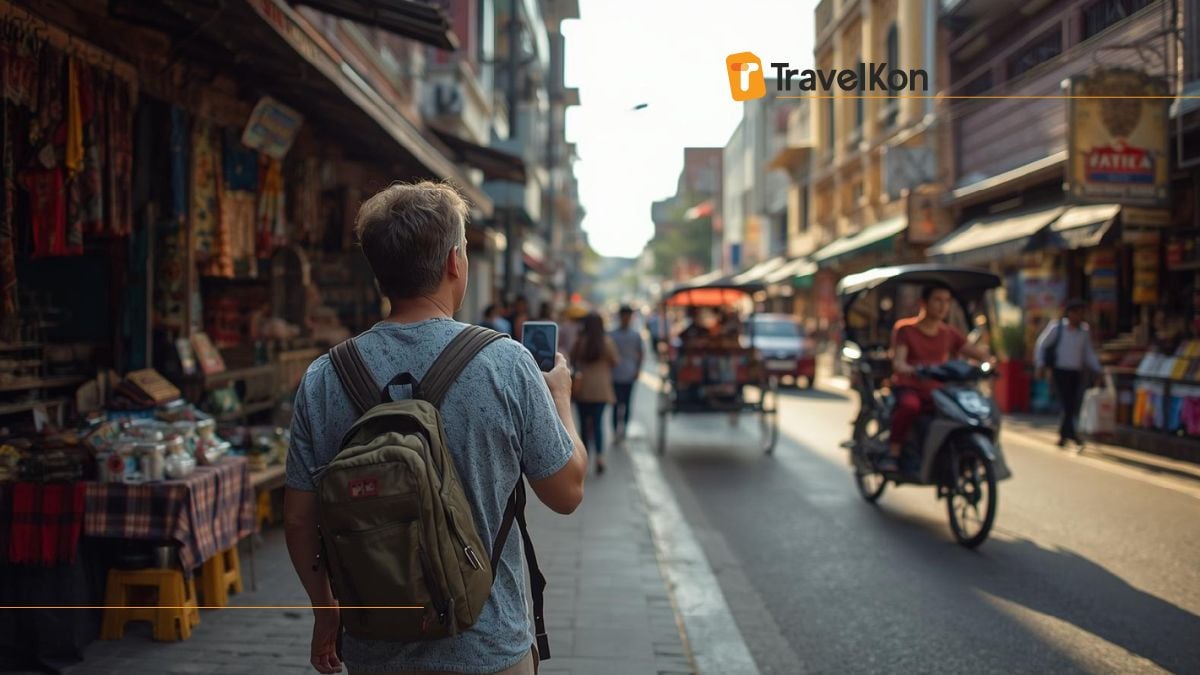
Practical preparation ensures smooth navigation of local customs and logistics. Understanding cultural expectations prevents unintentional disrespect whilst enhancing interactions with residents. Several key considerations deserve attention before departure.
Cultural and practical essentials:
- Dress Codes: Temples require covered shoulders and knees; sarongs available for rent at major sites for approximately IDR 10,000-15,000
- Currency Management: Indonesian Rupiah (IDR) remains primary payment method; ATMs widely available but small vendors rarely accept cards
- Language Basics: English proficiency varies; downloading translation apps and learning simple Bahasa phrases improves communication
- Transportation Options: Ride-hailing apps (Gojek, Grab) operate extensively with fares 60% cheaper than traditional taxis
- Temple Etiquette: Remove shoes before entering prayer areas, avoid pointing feet towards Buddha statues, and maintain respectful voices
Weather patterns influence packing choices significantly. Dry season demands sun protection, lightweight fabrics, and comfortable walking shoes. Monsoon months (November-March) require waterproof jackets and quick-dry clothing for sudden downpours.
Health precautions include bottled water consumption, avoiding ice in beverages outside established restaurants, and carrying mosquito repellent. Travel insurance covering medical emergencies provides essential security for unexpected situations.
What Does a Perfect 3-Day Yogyakarta Itinerary Look Like?
Efficient itinerary planning maximises limited time whilst allowing spontaneous discoveries. Three days provide sufficient duration for major attractions without feeling rushed. This balanced schedule combines cultural immersion with natural exploration.
Day 1: Ancient Temples Circuit Start with 4:30 AM departure for Borobudur sunrise experience, spending 2-3 hours exploring the monument. Return to city centre for late breakfast at a traditional warung. Afternoon visits Prambanan Temple (3-4 hours including sunset). Evening concludes with Malioboro Street food sampling and souvenir shopping.
Day 2: Cultural Immersion Morning begins at Kraton Palace (9:00 AM) for traditional dance performances and museum exploration. Midday batik-making workshop (2-3 hours) provides hands-on cultural education. Afternoon explores Taman Sari Water Castle and surrounding kampung (traditional neighbourhood). Evening features traditional Javanese dinner with shadow puppet performance.
Day 3: Natural Adventures Pre-dawn Mount Merapi sunrise trek (departing 3:00 AM, returning by 11:00 AM) offers volcanic landscape exploration. Afternoon relaxation at natural hot springs or village cycling tour through rice paddies. Final evening revisits favourite spots or discovers hidden cafés in artistic neighbourhoods.
This framework allows flexibility for personal interests whilst covering essential experiences. Buffer time between activities accommodates traffic variations and spontaneous discoveries.
What Additional Tips Enhance the Yogyakarta Experience?
Practical insights from frequent visitors improve travel quality significantly. Small adjustments to typical tourist patterns reveal authentic local culture. These strategies balance efficiency with meaningful engagement.
Money-saving and experience-enhancing tips:
- Early Starts: Arriving at popular sites by 6:00 AM avoids tour groups and intense midday heat whilst providing better photography lighting
- Local Guides: Hiring certified guides (IDR 300,000-500,000 daily) unlocks hidden stories and off-path locations unknown to independent travellers
- Food Adventures: Exploring warungs (local eateries) offers authentic cuisine at 75% lower cost than tourist restaurants, with gudeg (jackfruit stew) as signature dish
- Neighbourhood Exploration: Kotagede district reveals silver craftsmanship workshops and quiet historical sites away from main tourist circuits
- Sunset Alternatives: Bukit Bintang viewpoint provides panoramic city sunset views without temple entrance fees or crowds
Connectivity proves invaluable for real-time restaurant reviews, traffic updates, and emergency translations. Reliable internet access through quality eSIM service transforms navigation challenges into smooth transitions.
Photography enthusiasts should note that major temples charge additional camera fees (IDR 10,000-50,000). Professional equipment may require special permits obtained through site management offices.
How Do Travellers Stay Connected Throughout Their Journey?
Maintaining reliable internet access transforms travel logistics from stressful to seamless. Modern connectivity enables instant problem-solving, location sharing with travel companions, and documenting experiences in real-time. Strategic preparation ensures uninterrupted service throughout the journey.
Before landing, purchasing an eSIM for Indonesia through TravelKon provides immediate activation capability. This eliminates airport queues and guarantees connectivity from arrival. Unlimited data packages support navigation apps, video calls, social media updates, and emergency research without consumption anxiety.
Local Wi-Fi networks at accommodations and cafés supplement eSIM connectivity but often deliver inconsistent speeds and security vulnerabilities. Personal data plans offer privacy protection and reliable performance regardless of location. This proves especially valuable when exploring rural areas around volcanic landscapes or remote temple complexes where public networks become unavailable.
Travel information evolves constantly with new attractions opening, temporary closures, and changing regulations. Verifying current details through official tourism websites and recent traveller reviews ensures accurate planning and prevents disappointment from outdated recommendations.

