
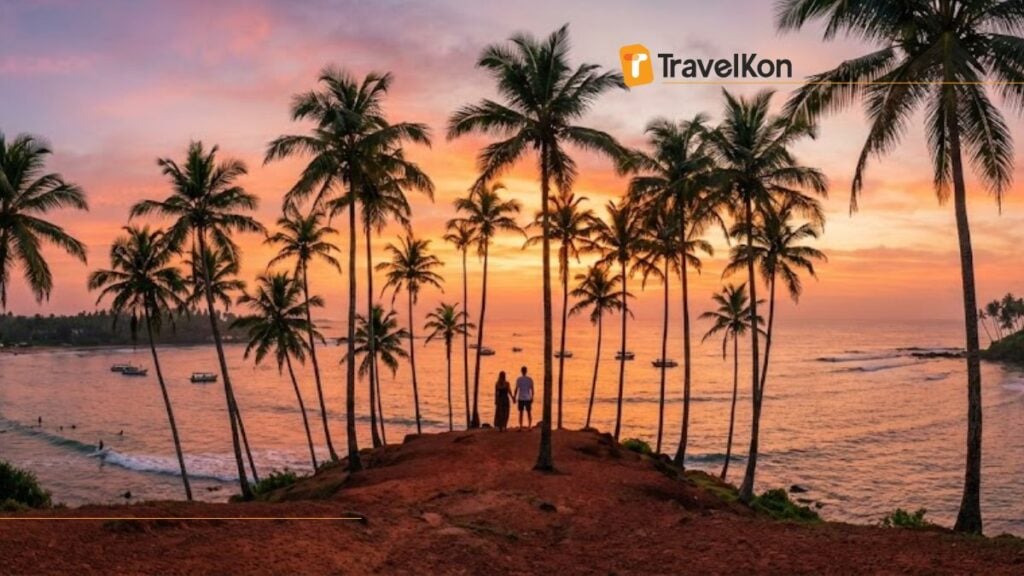
- Sri Lanka has coastline on three sides, meaning the best beach for your trip depends on the time of year and which monsoon is active on which coast.
- The best beaches in Sri Lanka for snorkeling are concentrated around Pigeon Island near Trincomalee and Hikkaduwa on the west coast, where coral coverage is relatively intact.
- Turtle nesting activity is most consistent at Rekawa Beach near Tangalle and Kosgoda on the west coast, where conservation programs run guided night watches year-round.
Sri Lanka’s beaches are not all the same experience. The south coast is polished, well-connected, and draws the majority of international visitors. The east coast is quieter and less developed, carrying a different character shaped by Tamil and Muslim communities. The west coast is the most accessible from Colombo. Knowing which coast suits your travel style matters more than chasing a single name from a list.
Connectivity between beach towns is manageable but signal quality drops once you leave the major hubs. A Sri Lanka Prepaid eSim loaded before departure means you can check ferry schedules, locate accommodation in less-visited bays, and navigate the three-wheeler network without relying on guesthouse Wi-Fi. Coverage varies between providers, and it is worth checking which networks perform well in the specific areas on your itinerary before committing to a plan.
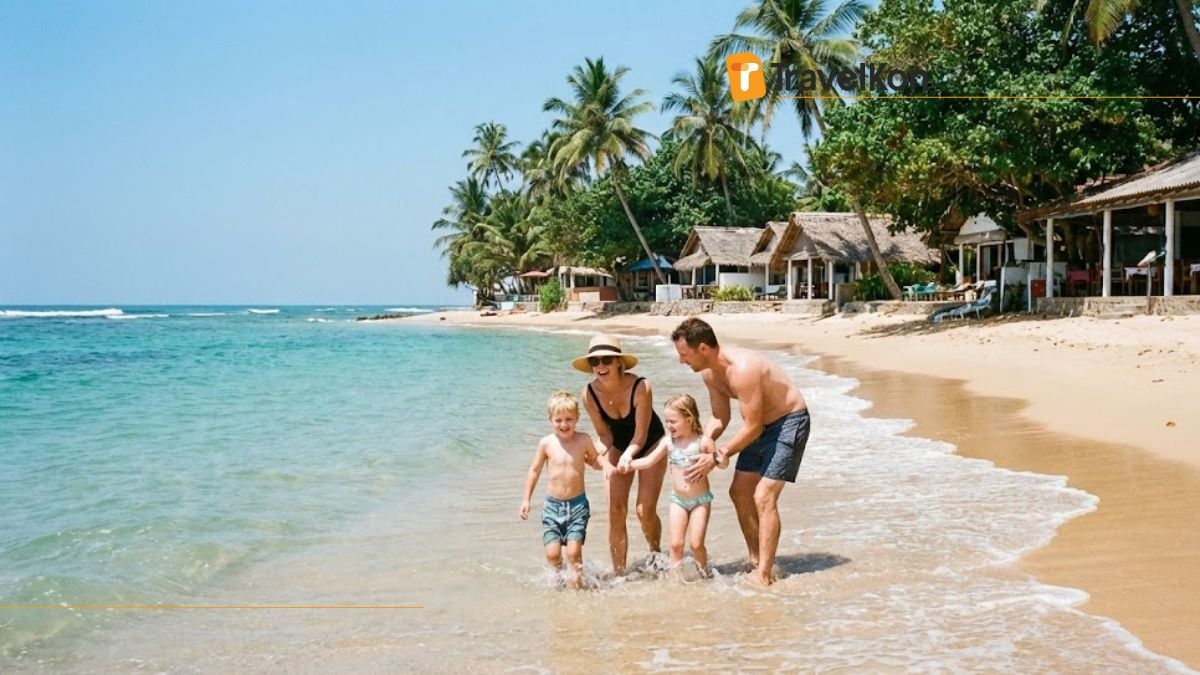

Unawatuna
Unawatuna sits in a sheltered bay a few kilometres south of Galle and is one of the most visited stretches of sand on the south coast. The bay curves into a natural crescent that reduces swell, making it one of the calmer options among the best beaches in Sri Lanka for swimming. The water is generally safe for average swimmers during the dry season between November and April, and the shoreline is shallow enough that children can move in and out of the water without concern. That combination makes it a practical choice for families who want south coast access without managing strong currents.
The beach is backed by a strip of restaurants, guesthouses, and small shops that have grown organically over decades. Facilities are well-developed; sunbeds, snorkeling rental, and cold drinks are all available without effort. Mid-range accommodation sits right on the bay, while quieter guesthouses are found on the surrounding lanes. Nearby, Jungle Beach is accessible by a short walk or boat ride and is considerably less busy for those who find the main bay too crowded.
Unawatuna is best visited between December and March when conditions are at their most reliable. Tuk-tuks from Galle take around ten minutes and cost very little. The beach has a lifeguard presence during peak season, and the tree line at the back of the sand provides natural shade during the afternoon hours.
The crowd level here is real; during peak season the bay fills with a mix of tourists and day-trippers from Galle. It is not a beach for those looking for isolation. What it offers is a comfortable, well-organised experience within easy reach of one of the south coast’s most interesting towns.
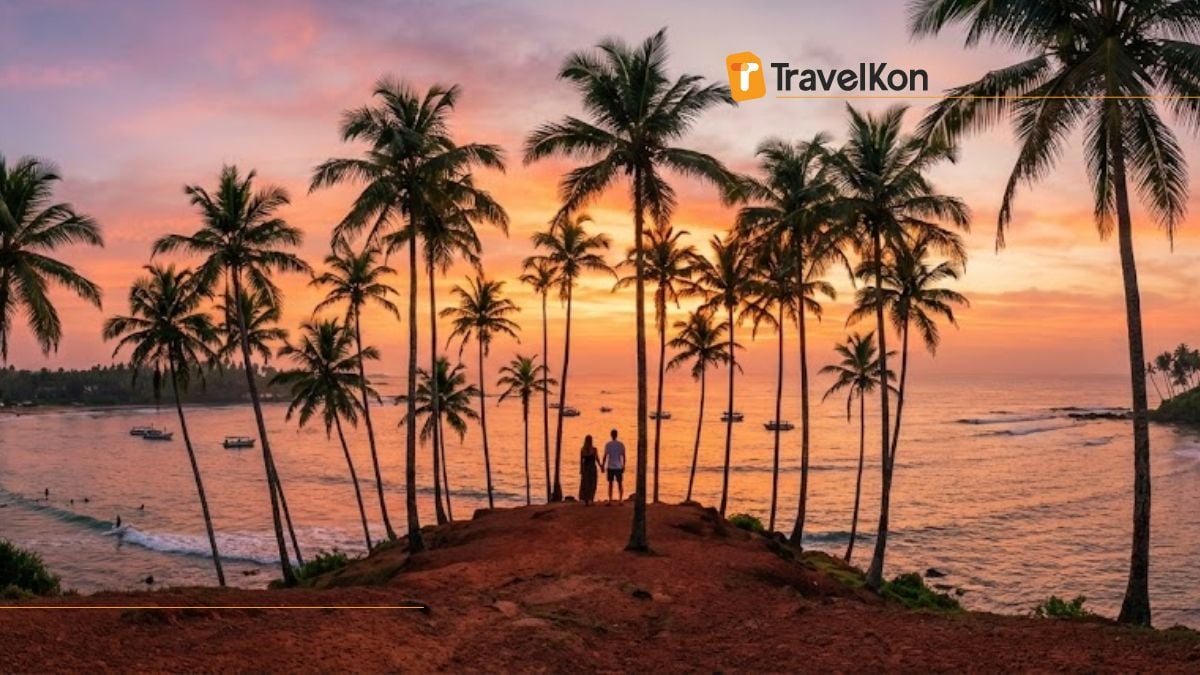
Mirissa
Mirissa is a wide south coast bay with a consistent character: unhurried, surfable at the edges, and calm enough in the centre for relaxed swimming. It is one of the more considered choices among the best beaches in Sri Lanka for couples who want atmosphere without an aggressive party scene. The beach is long enough that finding a quieter stretch away from the main cluster of sunbeds is straightforward. The headland at the eastern end provides a natural boundary, and the section beyond it is almost always quieter.
Between December and March, whale watching boats depart from the small harbour at the western end. Blue and sperm whales are sighted regularly in the waters south of the island during this window, and Mirissa is the most common departure point. The boats vary in quality and ethics; a smaller, reputable operator is worth the slightly higher price. This single activity draws many visitors to the bay who might otherwise look further east.
Accommodation ranges from simple wooden guesthouses on the back lanes to small boutique properties on the headland. The mid-range options near the beach are reasonable value in the shoulder months of November and April; prices climb steeply in January and February. Coconut Hill, a short walk from the sand, offers a clear view over the bay and is one of the better vantage points on the south coast at any time of day.
The best time to visit is December through March. The sea is calm, the weather is predictable, and the whale watching season is active. Getting to Mirissa from Galle by tuk-tuk takes around thirty minutes; from Colombo, the train to Weligama followed by a short tuk-tuk ride is the most comfortable option.
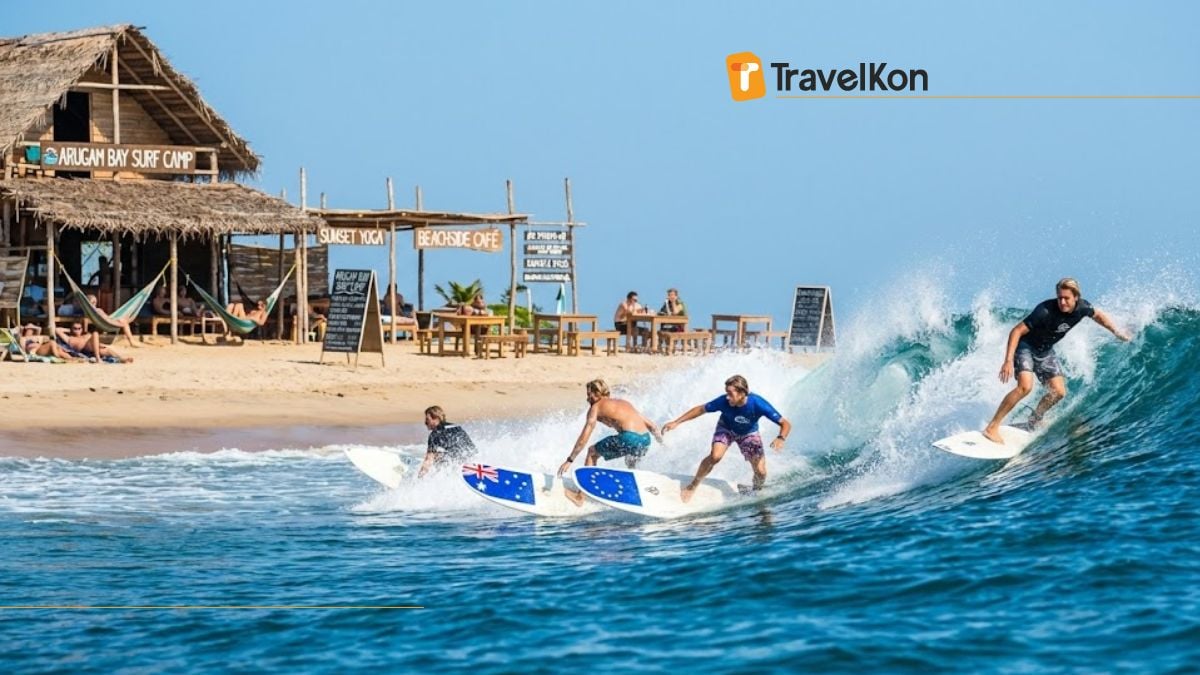
Arugam Bay
Arugam Bay on the east coast carries a reputation built almost entirely on surf. The main break at the southern end of the bay is a right-hand point break that works best between May and September when the east coast is in its dry season and swell arrives consistently from the Indian Ocean. Among the best beaches in Sri Lanka for surfing, Arugam Bay is the reference point that most instructors and visiting surfers use. It draws regulars from Australia, Europe, and North America during peak months, and the lineup can get crowded when the conditions are good.
Outside of the surf crowd, the town has developed a relaxed secondary culture of cafes, yoga studios, and low-key guesthouses. The lagoon to the north of the bay is calm and suited to stand-up paddleboarding and kayaking. The surrounding area also offers leopard sightings at Kumana National Park and flamingo watching at coastal lagoons; these are underused options worth building into a longer stay.
Getting to Arugam Bay requires planning. The road from Colombo takes around seven to eight hours by bus; a domestic flight to Batticaloa followed by a transfer reduces that significantly. Connectivity on the east coast is patchy in places, and having a Sri Lanka eSim Travel plan that covers regional networks is practical when navigating transport logistics from the road.
Accommodation is primarily budget to mid-range, with a collection of surf-oriented guesthouses and bungalows. The atmosphere is low-pressure and community-oriented in a way that the south coast, with its more transient visitor flow, rarely matches. Families with older children who surf will find it works; younger children would be better served by a calmer bay.
Hikkaduwa
Hikkaduwa is on the west coast about ninety minutes south of Colombo by train and has been part of the backpacker circuit since the 1970s. It is not the most pristine beach on the island, but it delivers something specific: snorkeling access close to shore, a reliable train connection from Colombo, and enough infrastructure to support independent travellers on tight budgets. The northern end of the beach has a coral reef accessible by swimming directly from shore or by glass-bottom boat. Among the best beaches in Sri Lanka for tourists arriving without a fixed plan, Hikkaduwa functions well as an accessible first stop.
The reef is less intact than Pigeon Island further north, but sea turtles are a consistent presence in the water and do not require a boat to reach. Several turtle conservation centres operate around Kosgoda, about twenty minutes north; visiting these adds context to what you see in the water. The best beaches in Sri Lanka for turtles in terms of nesting activity are further south at Rekawa, but Hikkaduwa offers in-water encounters that are accessible on a casual timeline.
The beach is wide and sandy, though the main road running directly behind it adds background noise. This is less of an issue for backpackers used to flexible conditions, but families looking for a quiet environment will find it more disruptive. The November through April window is the optimal visiting period when the west coast is in its dry season.
The train connection from Colombo Fort is comfortable, runs along the coastline, and costs very little. This makes Hikkaduwa easy to reach without arranging transport in advance, which suits the kind of low-planning travel that works well on this stretch of coast.
Tangalle
Tangalle sits further east along the south coast and has a noticeably different character from the more touristic bays around Mirissa and Unawatuna. The beaches here are longer and more exposed; some stretches have strong currents and shore break that make swimming inadvisable, but others are calm and suited to slow, quiet afternoons. It is one of the better options among the best beaches in Sri Lanka for couples who want space, minimal nightlife, and a local atmosphere over organised beach amenities. The town is functional rather than designed around tourism, and that gives it an honesty that the more developed bays lack.
Rekawa Beach, about twelve kilometres east of Tangalle town, is the primary nesting site for five species of marine turtle and is managed by a conservation group that runs guided night watches. Green, leatherback, and loggerhead turtles nest most consistently between May and September. Visitor numbers are regulated and the experience is genuinely low-impact; it is one of the better wildlife encounters available on the south coast without requiring significant travel.
Accommodation in Tangalle ranges from very simple guesthouses in town to higher-end properties set back from the water in large gardens. The better-value options are mid-range places on the quieter eastern bays, where the sand is wider and road noise is minimal. Getting there from Galle by bus or tuk-tuk takes around two hours.
The best time to visit is December through April. Outside this window, the south coast monsoon affects conditions and some smaller guesthouses reduce services or close. Tangalle rewards slower travellers who are willing to settle in for several nights rather than passing through as part of a rapid south coast loop.
Nilaveli
Nilaveli is north of Trincomalee on the east coast and earns its place among the best beaches in Sri Lanka for tourists making a first visit to the island. The sand is wide and white, the water is calm and clear during the east coast dry season between April and September, and the bay is long enough that even with visitors present, it does not feel compressed. The overall setting is less developed than the south coast, which works in its favour for those looking for a quieter experience with good natural conditions.
Pigeon Island, a short boat ride from the shore, is a marine national park with healthy coral and reef fish populations and is the strongest snorkeling location on the island. Entrance fees are required and visitor numbers are regulated, which has helped preserve conditions that have degraded on more accessible reefs. The coral coverage is more intact and the fish diversity is greater than what you find at Hikkaduwa; this is the clearest example of the best beaches in Sri Lanka for snorkeling producing a genuinely distinctive experience.
Accommodation near Nilaveli is primarily mid-range resort style, without the dense cluster of budget guesthouses found on the south coast. This makes it less accessible for backpackers on tight budgets but more comfortable for couples or slow travellers who want a reliable base. Getting there requires either a flight to Trincomalee or a long bus journey from Colombo.
The best time to visit is May through September. Outside of this window, the northeast monsoon affects the east coast and sea conditions at Nilaveli become unreliable. The reduced tourist traffic outside peak months makes the area quieter, but services thin out; checking ahead for accommodation availability is sensible.
Pasikuda
Pasikuda is a sheltered bay on the east coast, south of Trincomalee, with one distinctive physical feature: the water is very shallow for a long distance from the shore. That characteristic makes it one of the more genuinely suitable options among the best beaches in Sri Lanka for kids and families travelling with children who are not confident swimmers. The absence of significant surf or strong currents in the inner bay creates a lower-risk environment that is difficult to find elsewhere on the island. Several larger resort properties have developed along the bay and bring infrastructure that the east coast generally lacks.
The water in the shallows is a pale clear colour during the dry season, and the gentle slope of the seabed means children can walk out quite far without the water rising above their waist. This is unusual in Sri Lanka, where many beaches drop off quickly or carry unpredictable currents. For families who want a controlled, comfortable beach environment with organised facilities, Pasikuda functions well within its season.
The resort-oriented development makes it less interesting for backpackers or independent travellers; the local character of the surrounding area is harder to access when accommodation is self-contained. Kalkudah, the next bay north, is a similar setting with less resort infrastructure and a quieter atmosphere for those who prefer fewer organised facilities.
The best time to visit is April through September. Getting there from Colombo is a long road journey; a domestic flight to Batticaloa followed by a transfer is the more practical option for families who do not want to spend a full day in transit.
Weligama
Weligama is on the south coast between Galle and Matara and is the most consistently recommended starting point for beginner surfers. The break in the bay is long, gentle, and forgiving; surf schools operate here throughout the season and lessons can be arranged directly on the beach. It is the most practical of the best beaches in Sri Lanka for surfing at a beginner level, without the intensity that defines the Arugam Bay lineup. The bay also has a calm inner section close to shore that is suitable for swimming when the surf is small.
Weligama is a working fishing town, and the beach accommodates fishing boats alongside surf schools without the two feeling entirely separate from each other. The stilt fishermen visible at the edges of the bay are a recognised visual of the south coast, though their presence is now partly performative for photography. The combination of local activity and tourist infrastructure gives Weligama a more grounded character than some of the more polished alternatives further east.
Accommodation covers the full range from cheap guesthouses in the town centre to comfortable boutique properties on the headland near Mirissa. The guesthouses in town are within walking distance of the main beach and serve the surf school crowd well. For couples or slow travellers who want more comfort, the headland options offer better surroundings at a modest price step up.
Getting here from Galle by tuk-tuk takes under thirty minutes; from Mirissa, around fifteen minutes. The best time to visit is November through March when the south coast is dry and surf conditions are most consistent. The bay is accessible enough to work as a day trip from Galle for those who do not want to stay overnight.
Choosing the Right Beach for Your Trip
The best beaches in Sri Lanka do not compete with each other so much as they serve different itineraries and travel styles. A couple on a ten-day trip who want reliable weather and a whale watching excursion will find the south coast between Mirissa and Tangalle does most of what they need. A backpacker with three weeks who wants surf and a slower pace will find Arugam Bay and Nilaveli offer a version of Sri Lanka that feels genuinely separate from the more visited south.
Families tend to do well at Unawatuna and Pasikuda, where calm water and nearby facilities reduce the logistical complexity that comes with travelling with children in a country that is still building its beach infrastructure. The practical lesson of the dual monsoon system is that Sri Lanka almost always has a good beach somewhere; the work is in knowing which coast is in its dry season when you arrive, and planning the rest of the itinerary around that fact rather than against it.

