

- Where is the most beautiful city in Vietnam? Hoi An is the most visually consistent, but travellers drawn to dramatic natural settings often point to Phong Nha or Quy Nhon over any major urban centre.
- Where should I go in Vietnam for the first time? A north-to-south route covering Hanoi, Hoi An, and Ho Chi Minh City covers the country’s range without overpacking an itinerary.
- Is 3 weeks in Vietnam enough? Three weeks allows for a full north-to-south journey with 2–4 nights per destination — enough to get a real sense of each place without rushing.
Vietnam’s cities and towns don’t share a single character. Hanoi and Ho Chi Minh City operate at entirely different speeds. Phong Nha is barely a town — more a base camp surrounded by national park. The best cities to visit in Vietnam depend almost entirely on what kind of trip you’re building, which is why matching destinations to travel style works better than any ranked list.
Getting mobile data sorted before arrival is part of the same logic. A Vietnam eSIM with Instant Activation means your connection is live the moment you land — no SIM counter queue, no waiting until you reach your accommodation. In a country where Grab, Google Maps, and booking platforms are essential from the first taxi ride, arriving connected removes friction at the worst possible moment.
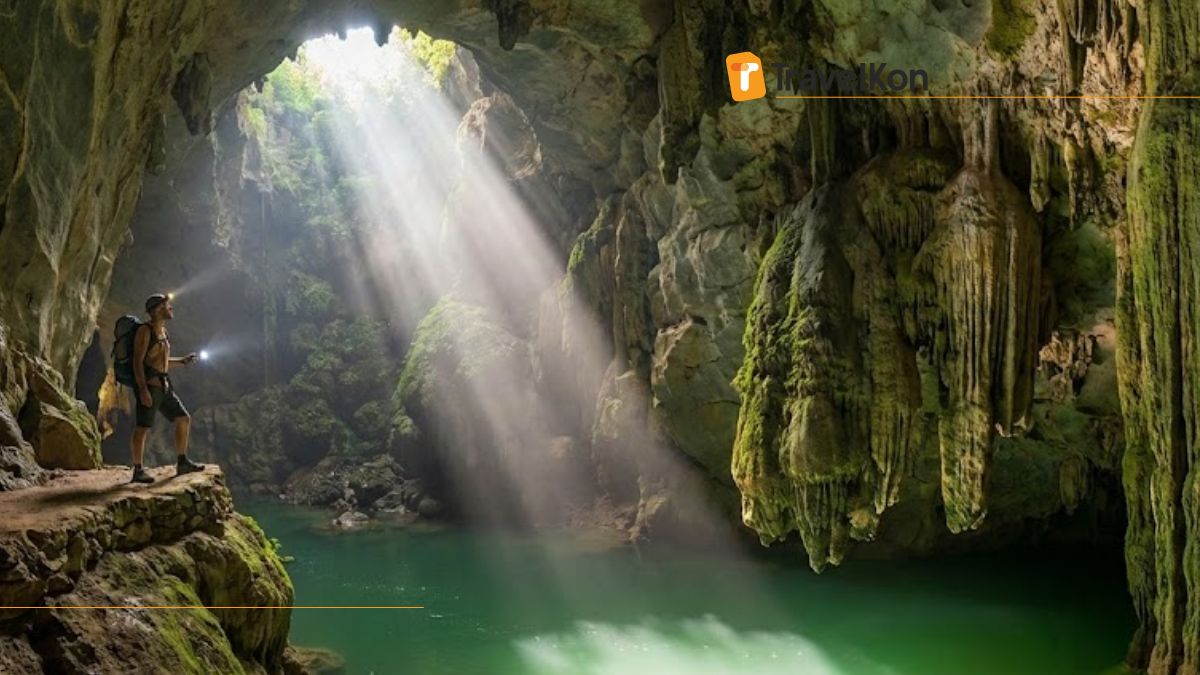

Phong Nha-Ke Bang — For Solo Travellers
Phong Nha functions as a self-contained adventure base. The social infrastructure is built around shared experience — group cave treks, hostel-organised river dinners, evenings where solo travellers consistently find each other. Son Doong, the largest known cave by volume, is accessed from here and must be booked many months ahead.
Best Month: February to August. Access and Stay: Train or fly to Dong Hoi, then 45 minutes to Son Trach village, where hostels and tour operators are concentrated. Easy Tiger and Phong Nha Farmstay are built around communal programming.
Nha Trang and Hon Tre Island — For Families
Hon Tre Island, reached by cable car or speedboat from Nha Trang, contains a resort complex large enough to function as a self-contained destination. VinWonders theme park, a water park, and a safari mean families can arrive without planning daily logistics. The beach is calm and the infrastructure is purpose-built for children.
Best Month: February to May. Access and Stay: Fly into Cam Ranh Airport, taxi to Vinpearl Port, then cable car or speedboat across. Vinpearl resort complexes include family suites and kids’ programming. An all-inclusive package covering meals and park entry simplifies everything.
Con Dao Islands — For Couples
Con Dao is more secluded and less developed than Phu Quoc — renting a scooter and finding a private beach is genuinely achievable, not just a marketing claim. The island also has turtle sanctuaries where, during nesting season, it’s possible to watch mother turtles come ashore at night.
Best Month: March to September. Access and Stay: A 45-minute flight from Ho Chi Minh City (SGN to VCS). Stay in Con Son Town for local atmosphere or at Dat Doc Beach for higher-end options including Six Senses.
Hanoi, Tay Ho District — For Digital Nomads
Hanoi’s Tay Ho (West Lake) district offers a functioning expat community, high-density cafes with reliable fibre connections, lakeside running paths, and access to the city’s cultural depth without the intensity of the Old Quarter.
Best Month: October to November — Hanoi’s autumn is its most comfortable working season. Access and Stay: 30 minutes from Noi Bai Airport by Grab. Stay in the Quang An neighbourhood. Most cafes in the area support a full working day without needing a dedicated coworking space.
Ho Chi Minh City, District 5 — For Food Travellers
District 5 — the city’s Chinatown, also called Cho Lon — is where the cooking is older and less shaped by tourism. The food sits at the intersection of Chinese and Vietnamese traditions: roasted duck, herbal broths, and evening sweet soups (che) that bear no resemblance to anything in the tourist centre. It’s a 15-minute ride from District 1 and feels considerably further away in character.
Best Month: December to March. Access and Stay: Base in District 1, close to the District 5 border, and take Grab for each food visit rather than relocating.
Pu Luong Nature Reserve — For Trekkers
Pu Luong offers the rice terrace and ethnic minority village landscape associated with Sapa, without the commercialisation. Trekking routes pass through Thai and Muong villages where daily life is agricultural rather than touristic. The experience is less organised and more physically demanding — which is the draw.
Best Month: September to October — harvest season when the terraces turn yellow. Access and Stay: Four-hour drive from Hanoi, no train or flight access. Stay in Ban Don village for ridge-top views. Eco-retreats in traditional stilt-house style balance immersion and comfort.
Quy Nhon and Bai Xep — For Honeymooners
Bai Xep is a small fishing village where boutique accommodation is built into the rocks above the water. It’s quiet in a way Phu Quoc and Da Nang haven’t been for years. Private boat hire to Ky Co Beach, where visitor numbers are genuinely low, gives couples a day that’s difficult to engineer in more-visited parts of the coast.
Best Month: January to August. Access and Stay: Fly to Phu Cat Airport, then a 45-minute drive to Bai Xep. Accommodation is limited — book well ahead for smaller boutique properties.
Yen Tu Mountain — For Wellness Travellers
Yen Tu is the birthplace of Vietnamese Zen Buddhism and is treated more as a pilgrimage site than a tourist stop. The atmosphere is built around silence and elevation. The summit pagoda at sunrise, reached by cable car, sits outside the circuit that most itineraries follow.
Best Month: September to November. Access and Stay: Three hours from Hanoi by car. Legacy Yen Tu resort, designed around 13th-century monastery architecture, offers daily yoga and meditation programming.
Vinh Hy Bay — For Luxury Travellers
Vinh Hy Bay sits inside Nui Chua National Park and remains one of the least-visited bays on the Vietnamese coast. The seclusion is geographic — jungle on one side, limestone cliffs dropping to clear water on the other. Amanoi, built into the hillside above the bay, is among the most private resort properties in Southeast Asia.
Best Month: January to August — the region sits in a natural dry zone. Access and Stay: Fly to Cam Ranh Airport, then a 1.5-hour coastal drive. Boutique options in Vinh Hy village offer access to the same bay at lower price points.
Hoa Lu Ancient Capital — For History Travellers
Hoa Lu was Vietnam’s capital before Hanoi, in the tenth and eleventh centuries. The temple complexes are built into limestone valleys that the early emperors used as natural defensive walls — a detail that reads clearly in the topography. Combining a visit here with a Trang An boat tour (UNESCO-listed) makes for a day that moves coherently between history and landscape.
Best Month: March to May. Access and Stay: Two hours from Hanoi to Ninh Binh city by train or bus. Base in Tam Coc or Trang An, both close to the historical sites.
Building a Route That Works
Three weeks is enough to cover Vietnam north to south without rushing, provided the itinerary doesn’t double back. Swapping one well-known stop for a less-visited equivalent — Pu Luong for Sapa, Con Dao for Phu Quoc — shifts the texture of the trip without complicating logistics.A Vietnam eSIM Tourist from TravelKon covers the full country with local data rates and activates before you board. In a country where the first day’s quality often comes down to whether your phone works in the airport taxi, it’s a small decision with a disproportionate return.

