
An eSIM Beijing China connectivity solution proves essential for navigating the sprawling capital where ancient imperial palaces meet modern infrastructure across vast urban landscapes. Beijing’s continental climate creates dramatic seasonal variations affecting travel comfort, visibility, and activity accessibility throughout the year. Understanding optimal visiting periods maximizes experiences whilst avoiding extreme weather, suffocating crowds, and poor air quality days that diminish enjoyment of iconic attractions. Securing a China eSIM before arrival ensures immediate access to navigation apps, translation services, and communication platforms crucial for exploring this magnificent city where over 3,000 years of history unfolds through hutong alleyways, imperial gardens, and revolutionary monuments.
Quick Facts:
- Beijing experiences four distinct seasons with temperature ranges from -10°C to 35°C annually
- September and October offer optimal weather with clear skies and comfortable temperatures
- Spring dust storms and winter pollution significantly impact air quality and visibility
According to Beijing Municipal Bureau of Culture and Tourism’s 2024 visitor satisfaction data, autumn months achieve 92% positive ratings compared to 68% during summer due to comfortable temperatures, reduced rainfall, and improved air quality enhancing outdoor exploration experiences.

Which China eSIM Offers Unlimited Data and Is It Worth It for Travellers?
Unlimited data eSIM packages provide significant value for Beijing visitors given the city’s vast size requiring constant navigation, language barriers necessitating continuous translation app usage, and China’s cashless society demanding persistent internet connectivity. The best China eSIM for tourists eliminates data overage anxiety whilst supporting bandwidth-intensive activities including video calls, real-time map updates, and social media sharing through VPN connections.
Unlimited data advantages for Beijing travel include:
- Constant access to translation apps converting Mandarin signage and menus
- Unlimited navigation usage across Beijing’s 16,400 square kilometre metropolitan area
- VPN connectivity maintaining access to Google Maps, WhatsApp, and blocked platforms
- Freedom to stream content, video call family, and share travel moments without restrictions
Beijing’s attractions spread across enormous distances with the Forbidden City, Summer Palace, Temple of Heaven, and Great Wall requiring extensive metro navigation and ride-hailing coordination. Data consumption accelerates quickly when simultaneously running mapping, translation, and communication apps throughout full-day exploration itineraries.
Unlimited packages typically cost only marginally more than capped alternatives whilst eliminating the frustration of rationing connectivity or facing unexpected charges during critical navigation moments.
When Is the Best Month to Visit Beijing for Weather and Sightseeing?
Beijing’s continental climate produces distinct seasonal characteristics with September and October emerging as optimal visiting months offering comfortable temperatures, minimal rainfall, and excellent air quality. Spring months particularly April and May present pleasant weather but suffer from dust storms originating in Inner Mongolia reducing visibility and creating uncomfortable atmospheric conditions.
Monthly weather patterns include:
- March-May: Warming temperatures (10-25°C) but dust storms and increasing tourist crowds
- June-August: Hot and humid (25-35°C) with heavy rainfall and peak domestic tourism
- September-October: Ideal conditions (15-25°C), clear skies, autumn foliage, moderate crowds
- November-February: Freezing temperatures (-5 to 5°C), dry air, excellent visibility but harsh cold
National Day Golden Week spanning early October brings overwhelming domestic tourist crowds despite perfect weather conditions. Visitors timing trips for mid-September or late October avoid both extreme weather and crushing holiday masses whilst maintaining comfortable climate advantages.
Winter visits offer uncrowded experiences at major attractions and photographic opportunities with snow-covered imperial architecture, though subzero temperatures require substantial cold-weather preparation.
Where Should International Visitors Stay in Beijing for Convenience?
Beijing’s massive scale necessitates strategic accommodation selection prioritizing metro accessibility and proximity to major attraction clusters. Dongcheng District surrounds the Forbidden City and Tiananmen Square offering central locations with excellent transport connections, whilst Chaoyang District provides modern amenities, international hotels, and business district convenience.
Neighbourhood selection considerations include:
- Dongcheng District: Historic centre, walking distance to Forbidden City, traditional hutongs
- Chaoyang District: Modern hotels, international atmosphere, business facilities, embassy areas
- Xicheng District: Cultural sites, affordable options, authentic Beijing lifestyle experiences
- Haidian District: University areas, Summer Palace proximity, tech district energy
Metro Line 1 and Line 2 form the core transportation spine connecting major tourist sites with accommodations along these routes offering maximum convenience. Staying within the Second Ring Road places visitors at the heart of historical Beijing whilst Third Ring locations provide modern comforts with slightly extended commute times.
Hutong guesthouse accommodations deliver authentic Beijing experiences in traditional courtyard settings though amenities may be basic compared to international hotel standards.
Which Night Markets Showcase Authentic Beijing Street Food Culture?
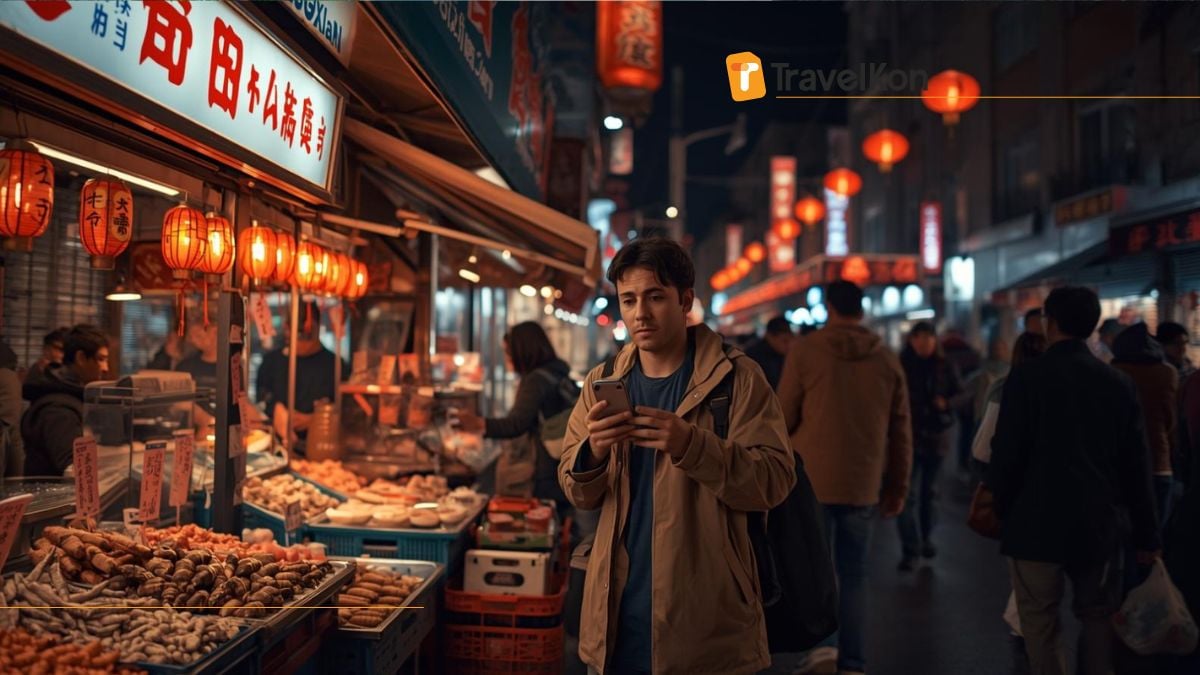
Beijing’s night markets transform ordinary streets into culinary theatres where traditional snacks, exotic delicacies, and modern fusion creations attract both locals and curious tourists. Wangfujing Snack Street stands as the most famous tourist-oriented night market offering adventurous options like scorpions and starfish alongside conventional Beijing specialties.
Premier night market destinations include:
- Wangfujing Snack Street: Tourist-focused exotic foods and traditional Beijing snacks
- Donghuamen Night Market: Classic street food in historic atmosphere near Forbidden City
- Ghost Street (Gui Jie): Authentic late-night dining featuring Sichuan and Beijing cuisines
- Sanlitun Bar Street: Modern food scene with international options and trendy atmospheres
Beijing’s signature dishes including Peking duck, jianbing (savoury crepes), and tanghulu (candied fruit skewers) appear prominently at night markets alongside regional Chinese specialties. Adventurous eaters encounter unusual protein options whilst conservative palates find abundant familiar choices.
Prices at tourist night markets typically exceed neighbourhood street food costs though convenience and variety justify premiums for time-limited visitors seeking concentrated culinary experiences.
What Tourist Attractions Define Beijing’s Imperial and Revolutionary Heritage?
Beijing’s status as China’s capital across multiple dynasties created architectural masterpieces and historical sites unmatched elsewhere in the country. The Forbidden City dominates visitor itineraries as the world’s largest palace complex with 980 buildings showcasing Ming and Qing dynasty imperial grandeur across 72 hectares.
Essential Beijing attractions include:
- Forbidden City: Imperial palace complex requiring 3-4 hours minimum exploration time
- Great Wall sections: Mutianyu and Badaling offering distinct experiences and accessibility levels
- Temple of Heaven: Ming dynasty religious complex with stunning architecture and park grounds
- Summer Palace: Imperial garden retreat featuring Kunming Lake and elaborate pavilions
Tiananmen Square represents modern Chinese history through its vast public space hosting revolutionary monuments and Mao’s mausoleum. Hutong neighbourhoods surrounding the Forbidden City preserve traditional Beijing residential architecture and lifestyle disappearing elsewhere in the rapidly modernizing capital.
Advanced ticket booking through official platforms becomes mandatory for the Forbidden City with daily visitor caps and timed entry requirements preventing spontaneous visits during peak seasons.
How Can Visitors Navigate Beijing’s Extensive Public Transportation Network?
Beijing operates the world’s second-longest metro system with 27 lines covering over 780 kilometres connecting virtually every major attraction, commercial district, and residential area. English signage and announcements make metro navigation straightforward for international visitors whilst affordable fares average just 3-7 yuan per journey.
Transportation essentials include:
- Beijing Metro app providing English route planning and real-time service information
- Yikatong transport card or mobile payment integration simplifying fare payments
- Taxi apps including DiDi offering English interfaces and transparent pricing
- Airport Express trains connecting both airports to metro system in 20-30 minutes
Traffic congestion renders taxis impractical during rush hours (7-9am, 5-7pm) when metro travel proves dramatically faster. Ride-hailing apps solve communication barriers with non-English speaking taxi drivers through destination address automation.
Bicycles and e-bikes proliferate throughout Beijing with shared systems accessible through smartphone apps though navigating chaotic traffic requires confidence and awareness.Understanding Beijing’s seasonal patterns, securing reliable connectivity, and strategically positioning near excellent metro access creates foundations for extraordinary experiences in China’s magnificent capital. Obtaining a best China eSIM before departure ensures seamless navigation, translation, and communication throughout explorations of imperial palaces, ancient temples, and modern marvels that collectively showcase over three millennia of continuous civilization in one of humanity’s most historically significant urban centres.

