

An eSIM Chongqing China connectivity solution becomes indispensable when navigating this mountainous metropolis where dramatic topography creates multi-level streets, hidden neighbourhoods, and breathtaking river confluences. Chongqing’s unique geography earned it the nickname “Mountain City” with elevation changes exceeding 400 metres between riverside districts and hilltop residential areas. Timing visits around optimal weather conditions maximizes enjoyment of outdoor attractions whilst avoiding the suffocating summer heat and dense fog obscuring spectacular Yangtze River views. Securing a China eSIM before departure ensures reliable navigation through Chongqing’s famously confusing road network where GPS guidance becomes essential for preventing hours-long detours in this three-dimensional urban maze.
Quick Facts:
- Chongqing’s subtropical monsoon climate produces average annual temperatures of 18°C
- March-May and September-November offer optimal visiting conditions with moderate temperatures
- The city experiences 104 foggy days annually earning it the nickname “Fog City”
According to Chongqing Municipal Culture and Tourism Development Commission’s 2024 visitor data, spring and autumn months record 87% satisfaction rates compared to 56% during summer when temperatures regularly exceed 38°C with oppressive humidity levels.


How Do I Buy an eSIM for China from Australia Before I Travel?
Australian travellers heading to Chongqing should purchase eSIM packages online weeks before departure ensuring proper installation and testing before boarding international flights. The best China eSIM for tourists offers straightforward purchasing processes through websites accessible from Australian internet connections without VPN requirements.
eSIM purchase and activation steps include:
- Verifying smartphone eSIM compatibility through device settings or manufacturer specifications
- Selecting appropriate data package based on trip duration and expected usage patterns
- Receiving QR code via email immediately after purchase completion
- Installing eSIM profile through device settings several days before departure
- Testing connectivity functionality before leaving Australia ensuring proper configuration
Installation typically requires 2-3 minutes of following on-screen prompts after scanning the QR code provided in confirmation emails. Australian travellers should maintain their primary Australian SIM card for receiving banking verification messages whilst the Chinese eSIM handles data connectivity.
Testing the eSIM connection immediately upon landing in Chongqing confirms everything functions correctly before venturing into areas with limited English support or assistance availability.
When Is the Best Month to Visit Chongqing for Weather and Activities?

Chongqing’s location in the Sichuan Basin creates distinct seasonal patterns with spring and autumn emerging as optimal visiting periods offering comfortable temperatures and lower humidity. October stands out as the single best month combining pleasant weather, autumn foliage, and reduced rainfall creating ideal conditions for exploring both urban attractions and surrounding natural landscapes.
Seasonal weather characteristics include:
- Spring (March-May): Mild temperatures (15-25°C), increasing rainfall, blooming flowers in city parks
- Summer (June-August): Extreme heat (30-40°C), high humidity, frequent afternoon thunderstorms
- Autumn (September-November): Comfortable conditions (18-28°C), clear skies, best visibility
- Winter (December-February): Cool and damp (5-12°C), persistent fog, fewer tourists
Chongqing ranks among China’s three “furnace cities” alongside Wuhan and Nanjing due to brutal summer heat that makes outdoor sightseeing genuinely uncomfortable. Air conditioning becomes essential rather than optional during June through August when temperatures regularly exceed human comfort thresholds.
Winter’s cool dampness penetrates deeper than temperature readings suggest due to high humidity and limited central heating in many buildings including hotels and restaurants.
Where Can Visitors Find Authentic Chongqing Hot Pot Experiences?

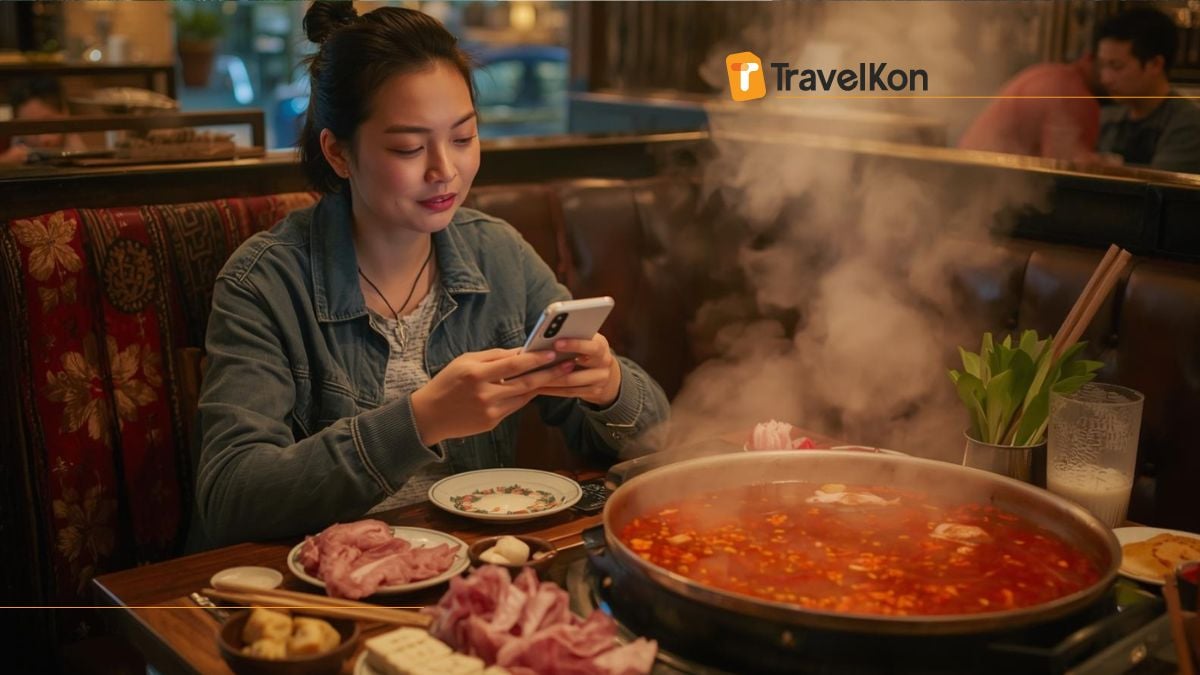
Chongqing invented spicy hot pot creating the city’s most famous culinary export and defining local food culture through numbingly spicy broths, fresh ingredients, and communal dining traditions. Authentic hot pot restaurants cluster throughout the city from upscale establishments to neighbourhood hole-in-the-wall joints where locals gather nightly.
Premier hot pot destinations include:
- Jiefangbei CBD area: Mix of traditional and modern hot pot restaurants with tourist-friendly service
- Nanbin Road riverside: Scenic hot pot venues overlooking Yangtze River with spectacular night views
- Ciqikou Ancient Town: Historic setting for traditional hot pot in heritage architecture
- University districts: Budget-friendly authentic spots popular with locals offering genuine experiences
Chongqing hot pot differs fundamentally from other Chinese hot pot styles through its mala (numbing-spicy) flavour profile derived from Sichuan peppercorns and dried chillies. First-time visitors should request yuanyang (yin-yang) pots featuring spicy and mild broths in divided vessels accommodating varying spice tolerances.
Popular ingredients include thinly sliced beef and lamb, fresh vegetables, mushrooms, tofu varieties, and organ meats with sesame oil-based dipping sauces tempering the broth’s intensity.
Which Night Markets and Street Food Areas Define Chongqing’s Culinary Scene?
Chongqing’s night markets transform ordinary streets into sensory overload experiences where sizzling woks, fragrant spices, and enthusiastic vendors create intoxicating atmospheres. Hongya Cave’s riverside location provides stunning backdrops for street food exploration with traditional architecture housing modern restaurants and snack vendors.
Essential night market locations include:
- Jiefangbei Pedestrian Street: Central location with diverse food stalls and shopping options
- Guanyinqiao Commercial District: Local favourite with authentic Chongqing street snacks
- Ciqikou Ancient Town: Tourist-oriented but atmospheric setting for traditional foods
- Shapingba Three Gorges Square: University area offering affordable student-friendly options
Signature Chongqing street foods include xiaomian (spicy noodles), chuan chuan (skewered meats), maoxuewang (spicy blood curd stew), and suannila fen (hot and sour glass noodles). Adventurous eaters encounter unusual options like rabbit heads and duck necks prepared with intensely spicy seasonings.
Food safety standards at established night markets generally meet reasonable expectations though travellers with sensitive stomachs should exercise normal precautions and choose busy vendors with rapid ingredient turnover.
Where Should International Tourists Base Themselves in Chongqing?
Chongqing’s mountainous terrain creates distinct elevation-based neighbourhoods with downtown Jiefangbei and Jiangbei districts offering modern conveniences whilst riverside areas provide scenic beauty and emerging cultural scenes. Yuzhong Peninsula forms the traditional city centre surrounded by Yangtze and Jialing River confluences creating natural boundaries.
Strategic accommodation area characteristics include:
- Jiefangbei area: Central business district, shopping, dining, excellent metro connectivity
- Jiangbei district: Modern developments, airport proximity, international hotels and amenities
- Nanbin Road: Riverside location, night view spots, romantic atmosphere, moderate pricing
- Shapingba: University district, authentic local life, budget-friendly with younger energy
Metro accessibility proves crucial in Chongqing where extreme topography makes walking between neighbourhoods exhausting despite seemingly short distances on maps. Accommodations near Lines 2 and 3 stations provide optimal connectivity to major attractions and transportation hubs.
Riverfront hotels command premium prices but deliver spectacular views of Chongqing’s illuminated skyline creating memorable experiences justifying additional costs for romance-seeking couples or photography enthusiasts.
What Tourist Attractions Showcase Chongqing’s Unique Mountain City Character?
Chongqing’s dramatic topography creates attractions impossible elsewhere in China from riverside cable cars to buildings with different ground floors on opposite sides. Hongya Cave epitomizes this uniqueness as a multi-storey traditional building complex clinging to cliffsides overlooking the Jialing River.
Must-visit Chongqing attractions include:
- Hongya Cave: 11-storey stilted building complex with restaurants, shops, and spectacular lighting
- Yangtze River Cableway: Historic cable car crossing providing aerial city perspectives
- Three Gorges Museum: Comprehensive exhibition covering regional history and dam construction
- Ciqikou Ancient Town: Well-preserved Ming-Qing dynasty architecture and traditional crafts
Day trips to nearby attractions including Dazu Rock Carvings (UNESCO World Heritage Site) and Wulong Karst landscapes expand Chongqing experiences beyond urban exploration. The Yangtze River cruise embarkation point positions Chongqing as gateway to Three Gorges expeditions.
Chongqing’s “8D city” reputation references its multi-dimensional urban planning where roads stack vertically, buildings exit at different levels, and navigation challenges even longtime residents equipped with GPS technology.

