
- Sri Lanka has two distinct monsoon seasons that affect the west and east coasts at different times of year, meaning no month is entirely off-limits for travel.
- The island spans just 65,610 square kilometres, yet contains eight UNESCO World Heritage Sites, surf beaches, highland tea country, and dry-zone national parks within a few hours of each other.
- Domestic travel between regions is possible year-round; knowing which Sri Lanka eSim offers the best coverage for travellers exploring cities, beaches and cultural regions helps you stay connected as you move between them.
Sri Lanka is a compact island with a disproportionate range of landscapes, climates, and experiences. It draws backpackers on tight itineraries, couples looking for a mix of culture and coast, and slow travellers who settle into a guesthouse and let weeks pass. The dual monsoon system means the island never fully shuts down, but the experience changes significantly depending on the month you arrive and the coast you head to first. Managing expectations around weather is the single most useful piece of planning advice for a first visit.
For travellers who move frequently between Colombo, the Cultural Triangle, southern beaches, and the east coast surf towns, reliable data connectivity makes a real practical difference. Sri Lanka eSim Travel options vary in coverage, particularly in rural highland areas and less-visited eastern districts. A plan that works well in Colombo may drop signal around Ella or Arugam Bay, so it is worth checking coverage maps before you commit to a provider. TravelKon lists Sri Lanka eSim options with coverage details that account for both urban and regional travel, which is useful if your itinerary crosses multiple climate zones.


January
Weather and Regions: January is one of the most reliable months on the island. The southwest monsoon has long passed, and the northeast monsoon is easing. The west coast, south coast, and Cultural Triangle are dry and sunny. The east coast remains unsettled with occasional rain.
Best Destinations: Galle, Mirissa, Unawatuna, Sigiriya, and Kandy all perform well in January. Whale watching off Mirissa is at its most productive, with blue whales passing through reliably between December and March.
Wildlife and Nature: Yala and Udawalawe national parks are accessible and dry, making wildlife sightings easier as animals gather near water sources. Leopard sightings at Yala are more consistent when vegetation is low.
Crowds and Costs: January sits within peak season and prices reflect that. Accommodation in Galle and Mirissa fills quickly, particularly around popular guesthouses in the Fort. Booking several weeks ahead is standard practice.
Pros and Cons: Excellent beach and wildlife conditions. Predictable weather across most of the island. Higher prices and more tourists, particularly on the south coast. The east coast is not worth prioritising this month.
Who Should Visit: Couples and first-time visitors who want reliable weather for a mix of beach, culture, and wildlife. Budget travellers can still manage, but need to book earlier and accept less flexibility on price.
Travel Tip: If you are watching whales at Mirissa, book a smaller, reputable operator. The boats that run large passenger groups can be inconsistent on wildlife ethics.
February
Weather and Regions: February mirrors January in terms of conditions. The west and south remain dry. The Hill Country around Nuwara Eliya and Horton Plains is cool and clear, making it a good addition to a southern itinerary.
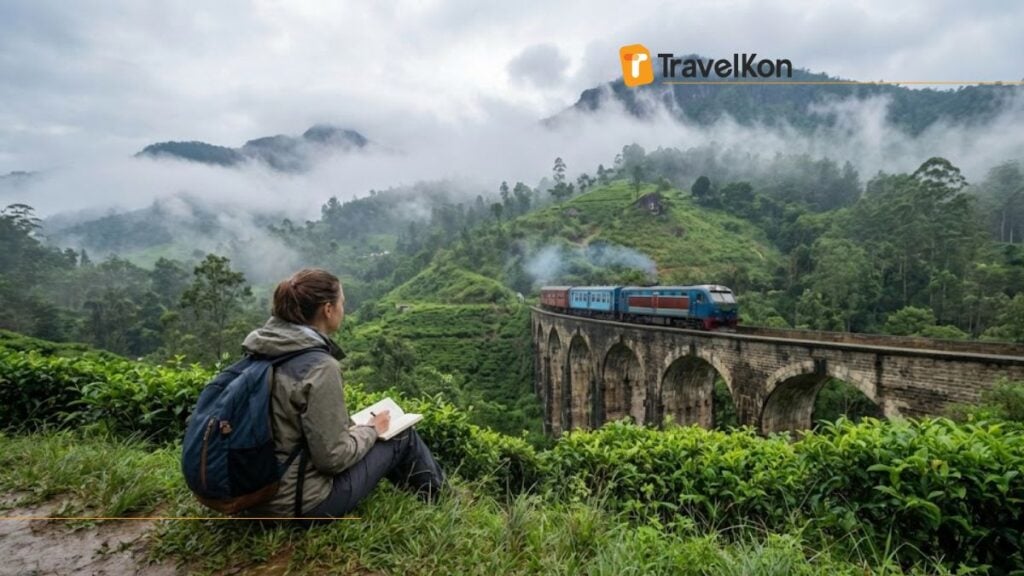
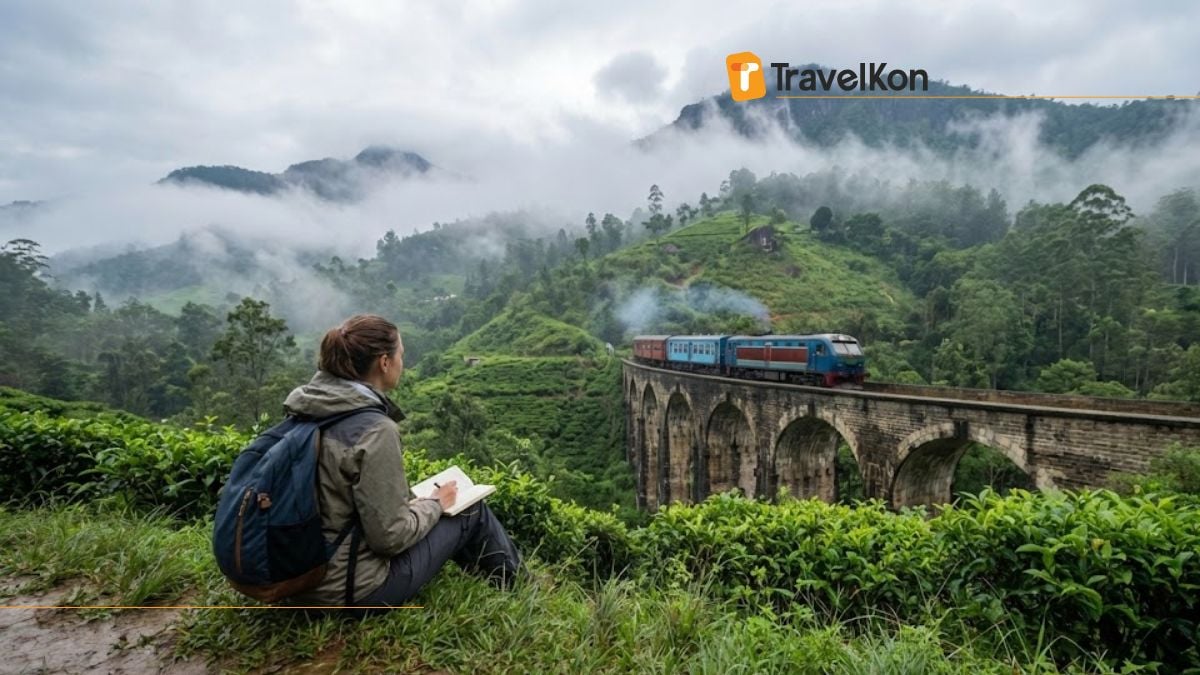
Best Destinations: Nuwara Eliya, Horton Plains, Ella, and the south coast. The train journey from Kandy to Ella via Nanu Oya is one of the more photographed rail routes in South Asia and is comfortable in February weather.
Festivals and Events: Thai Pongal falls in mid-January and flows into early February in some Tamil communities. Nuwara Eliya has a colonial-era horseracing season that begins around this time, drawing local crowds.
Crowds and Costs: Still peak season. The train between Kandy and Ella is heavily booked; securing a seat in the observation car requires advance reservation, which can be done through the Sri Lanka Railways website or a local agent.
Pros and Cons: Good conditions across most of the island. The Hill Country scenery is at its clearest. Prices remain high and transport options on popular routes need planning.
Who Should Visit: Slow travellers who want to base themselves in Ella or Nuwara Eliya for a week. Couples who want a combination of highlands and beach in one trip.
March
Weather and Regions: March begins the inter-monsoon transition. Weather is generally stable but afternoon thunderstorms become more common across the island. The south coast and west coast remain largely dependable.
Best Destinations: Colombo, Negombo, Galle, and the Cultural Triangle. March is a reasonable month to visit Colombo before the city becomes heavy with pre-monsoon humidity.
Wildlife and Nature: Whale watching continues off Mirissa through March. Bundala National Park hosts large flamingo populations in the dry lagoon areas.
Crowds and Costs: The peak season thins out by mid-March. Prices begin to soften, particularly at smaller guesthouses and mid-range hotels. This is the beginning of the shoulder season window.
Pros and Cons: Better value than January and February. Weather is still mostly reliable on the west and south. Afternoon storms can interrupt outdoor plans and some days feel noticeably more humid.
Who Should Visit: Budget travellers who want peak-season quality at shoulder-season prices. Backpackers doing the full loop from Colombo down through the south and up to the Cultural Triangle.
April
Weather and Regions: April is the inter-monsoon period before the southwest monsoon arrives in earnest. It is one of the hotter months, and humidity climbs. Rainfall becomes unpredictable across both coasts. The northeast begins to dry out, making the east coast increasingly viable.
Best Destinations: Trincomalee and the east coast begin to open up. Pigeon Island National Park near Trincomalee offers good snorkelling conditions as the season improves. The Cultural Triangle remains accessible.
Festivals and Events: Sinhala and Tamil New Year falls in mid-April and is one of the most important cultural events on the Sri Lankan calendar. Transport and accommodation are under significant pressure around this date, and many local businesses close briefly.
Crowds and Costs: The New Year holiday creates a domestic travel surge. Foreign visitor numbers are lower than in the peak season, but internal demand pushes prices up around the holiday itself.
Pros and Cons: The cultural experience around New Year is genuine and worth witnessing. Weather is unpredictable and some days are uncomfortably hot. The east coast starts to offer an alternative as conditions improve.
Who Should Visit: Travellers interested in local festivals rather than beach conditions. Those heading to the east coast who want to arrive early in the season.
May
Weather and Regions: The southwest monsoon typically arrives in May, bringing heavy rain to the west coast, south coast, and Hill Country. The east coast is entering its dry season and becomes the better option for coastal travel.
Best Destinations: Arugam Bay, Trincomalee, Batticaloa. The surfing season at Arugam Bay builds from May onward. The east coast beaches are quieter and less developed than the south.
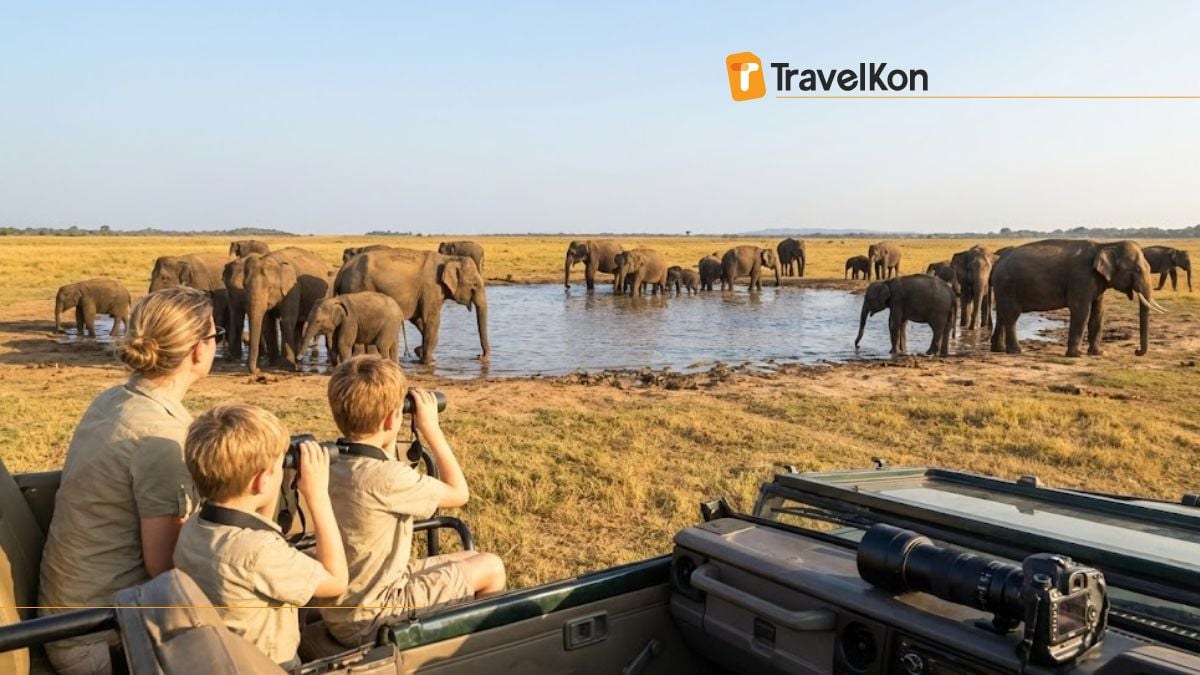
Wildlife and Nature: Minneriya and Kaudulla national parks in the north-central dry zone begin to draw large elephant herds as water sources reduce. The gathering at Minneriya can involve several hundred elephants and is one of the larger terrestrial wildlife events in Asia.
Crowds and Costs: Western tourist numbers drop significantly with the onset of monsoon on the west coast. The east coast remains a genuine alternative, but infrastructure there is less developed than in the south. Prices across most of the island soften considerably.
Pros and Cons: Real value on accommodation and tours. The east coast offers an experience that feels less crowded and more local. The west and south can be disrupted by heavy rain, though downpours are often short and intense rather than day-long.
Who Should Visit: Surfers heading to Arugam Bay. Budget-conscious travellers comfortable with some weather unpredictability. Those interested in the elephant gathering at Minneriya.
June
Weather and Regions: The southwest monsoon is established. The west and south coasts and the Hill Country receive regular and sometimes heavy rainfall. The east coast is dry, sunny, and increasingly popular. Arugam Bay is in full swing as a surf destination.
Best Destinations: Arugam Bay, Trincomalee, Kalkudah, Passikudah. The lagoon at Batticaloa is calm and good for kayaking. Trincomalee’s Nilaveli Beach is one of the better-kept beaches on the island and is quieter than the south coast equivalents in peak season.
Festivals and Events: Poson Poya in June is a significant Buddhist festival commemorating the arrival of Buddhism in Sri Lanka. Mihintale, near Anuradhapura, is the focal point, and the site becomes a place of large-scale pilgrimage.
Crowds and Costs: The east coast is at its seasonal peak in terms of visitor numbers, though still far less crowded than the south coast in December and January. Accommodation at Arugam Bay fills during good swell periods.
Pros and Cons: Reliable conditions on the east coast. The west and south are not ideal for beach travel but cultural and highland destinations remain open. Connectivity on the east coast can be patchy; which Sri Lanka eSim offers the best coverage for travellers exploring cities, beaches and cultural regions matters more when you are in a place like Arugam Bay than in Colombo.
Who Should Visit: Surfers and backpackers comfortable with a slower, east-coast pace. Travellers interested in Buddhist festivals who can combine Poson with a Cultural Triangle visit.
July
Weather and Regions: July is one of the driest and most consistent months on the east coast. The southwest monsoon continues to affect the west and south. The Cultural Triangle in the north-central region sits between the two monsoon zones and remains largely accessible.
Best Destinations: Arugam Bay continues to produce good surf. Sigiriya and Polonnaruwa are manageable in July despite occasional humidity. Trincomalee offers calmer bay conditions for snorkelling.
Wildlife and Nature: The elephant gathering at Minneriya is often at its most spectacular in July and August as the tank (reservoir) water levels drop and hundreds of elephants congregate on the exposed grassland.
Festivals and Events: Esala Perahera in Kandy is one of the largest and most visually elaborate festivals in South Asia, held over ten nights in July and August. The procession involves dozens of decorated elephants, Kandyan dancers, and fire performers. Tickets to grandstand seating sell out weeks ahead.
Crowds and Costs: The Esala Perahera draws significant visitor numbers to Kandy. Accommodation in Kandy during the festival period is limited and priced accordingly. The east coast and Cultural Triangle are manageable outside the festival window.
Pros and Cons: The Esala Perahera is worth witnessing if timing allows. The east coast is at its best. The west and south coasts are less reliable for beach days. Juggling multiple regions in one trip requires weather-aware planning.
Who Should Visit: Travellers whose schedule can align with the Esala Perahera. Those combining the east coast with the Cultural Triangle in a single itinerary.
August
Weather and Regions: Similar to July. The east coast remains dry. The southwest monsoon begins to ease slightly toward the end of August but the west and south are still not reliable for extended beach stays.
Best Destinations: Arugam Bay, Sigiriya, Polonnaruwa, Dambulla. The north, around Jaffna, is increasingly accessible and offers a distinct cultural experience shaped by Tamil heritage and the legacy of the civil conflict.
Wildlife and Nature: The Minneriya elephant gathering continues through August and is consistently one of the more dramatic wildlife encounters available in Sri Lanka without significant logistics.
Festivals and Events: Esala Perahera concludes in early August. The Vel Festival, a Hindu celebration honouring the deity Murugan, takes place in Colombo around this time and involves a chariot procession through the city streets.
Pros and Cons: Solid month for the east coast and the Cultural Triangle. Jaffna is worth adding for travellers on longer itineraries. The south and west remain monsoon-affected.
Who Should Visit: Slow travellers exploring beyond the standard itinerary. Those interested in Jaffna and the north, which offers a genuinely different Sri Lanka from the beaches and temples of the south and centre.
September
Weather and Regions: September marks the beginning of the transition away from the southwest monsoon. Conditions on the west and south coast begin to stabilise, though rain is still common. The east coast starts to see its own pre-monsoon weather building.
Best Destinations: The Hill Country performs reasonably well in September. Ella and Nuwara Eliya are cooler and the landscapes are lush after the monsoon months. Arugam Bay remains surfable into September but the season is winding down.
Crowds and Costs: Low season across most of the island. Prices are at their most competitive. Travellers on tight budgets who can tolerate some weather unpredictability will find September offers the most value of any month.
Pros and Cons: Excellent value. The Hill Country is green and scenic. Weather is inconsistent on both coasts. Some smaller guesthouses on the south coast reduce services or close during this period.
Who Should Visit: Budget travellers and those who prioritise value over certainty. Slow travellers who want the Hill Country experience without the January crowds.
October
Weather and Regions: October is the second inter-monsoon period and is among the wettest months on the island as a whole. Both coasts receive significant rainfall. The Cultural Triangle in the dry zone north-central region offers one of the more reliable pockets of better weather.
Best Destinations: Sigiriya, Anuradhapura, Polonnaruwa. These sites are manageable in October and the lower visitor numbers mean a more relaxed experience at what can otherwise be heavily visited ruins.
Crowds and Costs: October is the cheapest month to visit Sri Lanka by most measures. Accommodation prices across the island drop to their lowest, and tours and transport are negotiable. The tradeoff is genuine weather risk on both coasts.
Pros and Cons: The lowest prices of the year. The Cultural Triangle is accessible and quiet. October is not a reliable month for beach travel on any coast. Outdoor activities in the Hill Country or at national parks can be disrupted by rain.
Who Should Visit: Travellers whose primary interest is history and culture rather than beach or wildlife. Those with significant budget constraints who understand the weather limitations.
November
Weather and Regions: The northeast monsoon arrives in November, bringing rain to the east coast and north. The southwest coast and south coast begin to stabilise and dry out progressively through the month. The Hill Country remains unsettled.
Best Destinations: Galle and the south coast start to recover and are viable again by mid-to-late November. Colombo is manageable. The east coast is best avoided for beach travel.
Crowds and Costs: The low season is ending and early travellers begin to arrive on the south coast. Prices are still below peak levels and availability is good. This represents a reasonable window for cost-conscious travellers who want south coast conditions without paying January prices.
Pros and Cons: The south coast recovery through November makes it a genuine option. The window of good weather widens as the month progresses. The east coast and the north are not at their best. Weather is less predictable in the first two weeks.
Who Should Visit: Flexible travellers who can time their south coast activities for the second half of November. Those who want to avoid peak season crowds while still enjoying the south coast.
December
Weather and Regions: December brings the return of reliable conditions to the west coast, south coast, and Cultural Triangle. The northeast monsoon affects the east and north. This month is when the island’s most famous itinerary; Colombo, Galle, Ella, Sigiriya, returns to full form.
Best Destinations: Galle Fort, Mirissa, Unawatuna, Kandy, Sigiriya, Ella. The south coast is at its scenic best and the Cultural Triangle is dry and accessible. Whale watching off Mirissa begins again in December as blue whales return to the waters south of the island.
Festivals and Events: Christmas in Colombo and Negombo has a distinct character shaped by Sri Lanka’s Christian communities. Church services and street decorations make it a notably atmospheric time in both cities, which surprises many visitors who do not expect the celebration to be so prominent.
Crowds and Costs: December builds toward peak season pricing, particularly from mid-month. The week between Christmas and New Year is the busiest and most expensive period of the year. Booking accommodation at least two months ahead is advisable for December arrivals.
Pros and Cons: Excellent conditions on the west and south. The Cultural Triangle is very accessible. The east coast is not ideal. Prices and crowds are at a level that some backpackers and slow travellers find frustrating, particularly in Galle and Mirissa.
Who Should Visit: First-time visitors who want a full cross-island itinerary in reliable conditions. Couples celebrating end-of-year travel. Travellers who book ahead and are comfortable with higher costs in exchange for predictable weather.
Travel Tip: The Kandy to Ella train during December requires advance booking. Observation car seats are limited and sell out quickly. Book as soon as your itinerary is confirmed.
Planning Your Visit Around What Matters Most
Sri Lanka rewards travellers who understand its two-monsoon structure rather than fighting it. No single month offers perfect conditions everywhere, but every month offers good conditions somewhere. The practical approach is to identify which coast and which experience matters most to you, and then work backward to find the right window.
For first-time visitors, January through March on the south coast and Cultural Triangle is the clearest recommendation, with the caveat that prices and crowds are higher. For those who want the island with fewer people and more flexibility on budget, May through September on the east coast or the Cultural Triangle offers a version of Sri Lanka that most visitors never see. October is genuinely difficult for weather-sensitive travellers but remains the most affordable entry point.
Whatever month you arrive, Sri Lanka is easier to navigate than its size might suggest. Tuk-tuks, trains, and shared minibuses connect most destinations, and a basic familiarity with the monsoon calendar is all you need to make informed decisions as you move around.

