Japan

love hotel in japan (3)

What Really Happens Inside a Love Hotel in Japan (And Why Tourists Are Curious About Them)

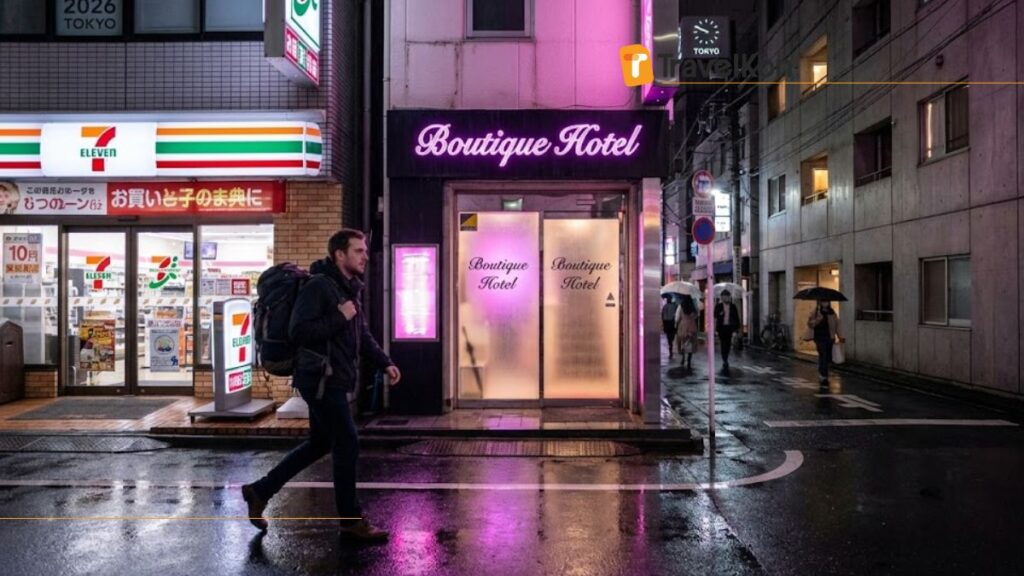
Japan builds its reputation on discretion. Vending machines sell beer quietly. Restaurant orders are placed on tablets. And somewhere tucked between a Family Mart and a neon-lit pachinko parlour, a love hotel sits behind frosted glass, offering something that much of Japan’s everyday architecture simply cannot: privacy. These are not seedy backroom operations. They are a functioning, deeply embedded part of how Japanese couples; from newlyweds to retirees; carve out intimate space in a country where apartment walls are thin, extended families often share homes, and the concept of personal space is negotiated, not assumed. For the backpacker or couple visiting Japan for the first time, a love hotel is worth understanding, whether or not you plan to stay in one. Staying connected while you explore Japan matters more than most travellers anticipate. A Prepaid Japan eSIM with Instant Activation works across urban centres like Tokyo, Osaka, and Kyoto, and continues to perform reliably in smaller regional towns and even rural train corridors; useful when you’re navigating unfamiliar neighbourhoods at night. Unlike physical SIMs, an eSIM activates before you board, which means you arrive with working maps, translation apps, and Google Translate camera mode already functional. For travellers moving between cities quickly, this removes one layer of logistical friction from an already information-dense trip. Beyond the Taboo: What Exactly Is a Japanese Love Hotel? A love hotel in Japan is a short-stay accommodation designed entirely around privacy; and the concept carries far less stigma domestically than the name implies abroad. These are legitimate, licensed businesses that cater primarily to couples seeking space away from shared apartments, family homes, or the relentless proximity of urban daily life. The cultural context matters: Japan has one of the world’s highest urban population densities, and multi-generational households remain common in both cities and rural areas. For many couples, a love hotel is not an indulgence; it is a practical solution. Historically, the concept evolved from discreet “tea houses” and inns offering private rooms for couples during the Edo period (1603–1868). By the 1970s, these had shifted into purpose-built architecture; often deliberately gaudy, with castle turrets or rocket ship facades; designed to signal their function without a literal sign. Today, many have rebranded as “fashion hotels” or “boutique hotels,” with sleeker interiors and a more contemporary aesthetic. The neon excess is still there if you want it. So is the discretion. “Rest” vs. “Stay”: Understanding the Pricing Models The single most important thing to understand before walking into a love hotel in Japan is that there are two distinct pricing structures, and confusing them will cost you money. A “rest” (休憩, kyukei) is a timed day-use booking, typically available during afternoon and early evening hours. You select a room for a block of two to four hours. Prices for rests generally run ¥3,000–¥6,000 (approx. $20–$40 USD / €18–€36 EUR). This option is popular for couples wanting a quiet break mid-afternoon without committing to an overnight stay. A “stay” (宿泊, shukuhaku) is an overnight booking, usually available from around 10:00 PM through to 10:00 AM or 11:00 AM the following morning. Overnight rates vary significantly by location and theme, ranging from ¥8,000–¥20,000 (approx. $53–$133 USD / €49–€122 EUR). Weekend and holiday pricing runs noticeably higher. Warning: Most love hotels operate a strict no-exit policy once you’ve checked in. If you leave mid-session; even briefly to grab a convenience store snack; you will typically be charged for a new booking upon re-entry. Plan accordingly. The High-Tech Check-In: A Lesson in Anonymity Japan has quietly perfected the frictionless, human-free transaction, and love hotels are among the clearest expressions of this. The check-in process is designed to eliminate any need for face-to-face interaction between guests and staff. On entering the lobby, guests are presented with a backlit photo board; a panel displaying photographs of available rooms, each with its price and booking type. Available rooms are illuminated; occupied rooms go dark. You select your room by pressing the corresponding button. Payment is handled at a machine or through a small counter window with a sliding tray; in some older establishments, a frosted screen ensures you never actually see the staff member processing your transaction. No names are logged. No ID is typically required. Cash remains the traditional default, though newer properties accept IC cards (like Suica) and some now take credit cards. Pro-Tip: Some newer love hotels have fully digital kiosks with English-language interfaces. Shibuya’s Dogenzaka district has enough tourist-friendly options that the learning curve is minimal for first-timers. Wild Themes and Outrageous Amenities This is where a love hotel in Japan departs entirely from the standard accommodation conversation. The rooms are not just private; many are theatrical. Themed rooms range from the immediately recognisable (Hello Kitty, Sailor Moon, traditional Edo-period interiors) to the genuinely surreal: functioning doctor’s office setups, school classroom aesthetics, baroque European palace rooms, and full sci-fi spacecraft environments. The level of design detail is frequently impressive. Beyond the theme, the in-room amenities at mid-to-upper tier love hotels often exceed what you’d find at a three-star business hotel: The quality of linens, bathroom fixtures, and climate control in a well-maintained love hotel regularly outpaces budget and mid-range business hotels at the same price point. The industry is competitive, and amenities are the primary differentiator. Can Tourists Actually Stay There? Rules and Etiquette Yes; foreigners can use love hotels in Japan, and in major cities, most welcome international guests without issue. A few practical points are worth knowing before you arrive: The two-person rule is standard across the industry. Love hotels are designed and priced for couples, not groups. Three people checking in together is typically not permitted, and some older establishments in conservative areas may still decline same-sex couples, though this is becoming increasingly rare in urban centres. Luggage is a real constraint. Love hotel rooms are compact and not designed with large backpacks or rolling suitcases in mind. They are not a practical option for travellers who need to store gear or arrive before

What Really Happens Inside a Love Hotel in Japan (And Why Tourists Are Curious About Them) Read More »

Flights to Japan sakura

Sakura Bloom in Japan: Timing, Locations, and What to Expect in 2026

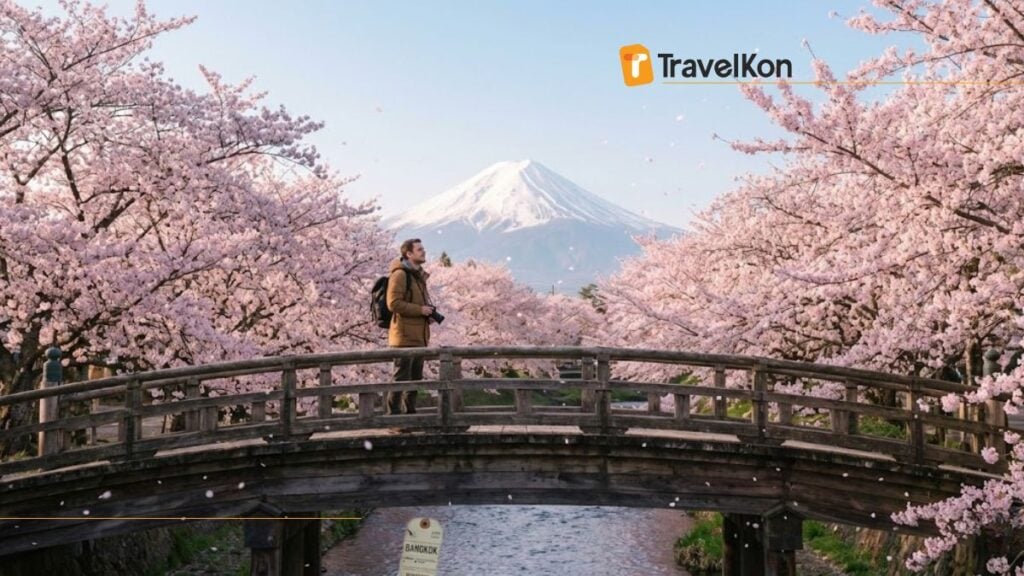
Sakura season is one of Japan’s most anticipated annual events and one of its most logistically demanding periods to travel in. Hotels fill months ahead, trains run at capacity, and popular parks shift from quiet green spaces to shoulder-to-shoulder viewing sites within 48 hours of peak bloom. The experience is worth the effort, but it rewards preparation at every level; accommodation booked early, transit understood in advance, and connectivity sorted before departure. Traveling Japan during cherry blossom season without reliable mobile data means navigating crowded stations and rapidly changing bloom forecasts on guesswork. Is an eSIM the best option for traveling in Japan during sakura season? For most visitors, yes; the best esim japan plans activate before you land, give you access to real-time bloom trackers, and keep you connected across multiple cities without SIM swaps or pocket WiFi rental queues. The 2026 Bloom Forecast: When to Go and How Long You Have Bottom line: Plan your travel window around full bloom (Mankai), not first bloom (Kaika); the difference is 5–10 days and it matters. Japan’s cherry blossom forecasts are issued by the Japan Meteorological Corporation from January onward. 2026 is tracking a slightly warmer trend, which typically advances bloom dates by a few days. Expected 2026 bloom dates: Kaika marks roughly 10% of buds open. Mankai means approximately 80% open; the point most visitors associate with peak bloom. After Mankai, petals begin falling within 3–7 days, creating the “sakura snowfall” effect many travelers specifically seek. Pro-Tip: A 7–10 day trip can capture full bloom in two or three cities by moving north-to-south, tracking the bloom front. Tokyo first, then Kyoto, using the staggered timing to your advantage. Iconic Sakura Locations: What Each Spot Actually Offers Bottom line: The most photographed spots are genuinely impressive; but require early arrival or evening visits to experience without heavy crowds. Tokyo: Kyoto: Mount Fuji area: Avoiding Crowds: Alternative Locations Worth Considering Bottom line: Several cities offer exceptional sakura viewing with far less congestion than Tokyo and Kyoto. Kanazawa (Kenrokuen Garden): One of Japan’s three great gardens, with over 400 sakura trees across a landscape of ponds, tea houses, and stone paths. Crowds are lighter than Kyoto’s main sites, and the maintained atmosphere contrasts with the picnic-party energy of urban parks. Matsue (Shimane Prefecture): A castle town with excellent sakura viewing around the moat. Few international tourists and a distinct castle backdrop. Early season; Kawazu (Izu Peninsula): Kawazu-zakura blooms from mid-February. The local festival runs approximately 4 weeks; the longest sakura viewing window in Japan. Reachable from Tokyo in approximately 2.5 hours by limited express. Late season; Hirosaki Park (Aomori): Blooms in late April after the main season ends. The castle moat fills with fallen petals creating the “sakura carpet” effect; petals floating on water; which many consider more visually distinctive than peak bloom itself. Hanami Culture: What to Know Before You Go Bottom line: Hanami is a social tradition with specific etiquette; understanding it improves your experience and avoids friction with locals. Hanami is Japan’s centuries-old practice of gathering beneath cherry trees to eat, drink, and mark the season’s change. Public parks fill with blue tarpaulin picnic sheets from early morning on peak days. Spot reservation: In Ueno (Tokyo) and Maruyama (Kyoto), spots are claimed before dawn on peak weekend days by blue tarpaulins. Arriving by 9 AM gives reasonable chance of finding space; arriving at noon on a sunny peak Saturday does not. Food and drink: Department store basement food halls (depachika) sell hanami bento boxes ranging ¥1,200–¥2,500 (~$8–$17). Convenience stores stock sakura onigiri and seasonal snacks. Drinking alcohol in parks during hanami is common and accepted. Etiquette: Warning: Tokyo parks including Ueno introduced alcohol restrictions in 2025. Check current rules before arriving with drinks. Travel Logistics for Sakura Season 2026 Bottom line: Book accommodation 6 months ahead, prepare transit before arrival, and check bloom forecasts daily once in Japan. Accommodation: Tokyo and Kyoto hotels during peak bloom (late March to early April) reach capacity faster than almost any other period. Standard advice is 6 months ahead; in 2026, with post-pandemic luxury travel volumes still elevated, earlier is better. Budget accommodation books out equally fast. If you cannot secure your first-choice city during peak dates, look at Osaka as a base for Kyoto day trips; more accommodation availability at slightly lower prices. Transit: The Shinkansen between Tokyo and Osaka runs at high capacity during sakura season. Reserve seats rather than relying on unreserved carriages. IC cards (Suica or Pasmo) handle local transit in all major cities; Mobile Suica on Apple or Google Wallet can be set up before departure and avoids the physical card queues at airports. For multiple cities, check whether a regional JR Pass covers your specific route rather than defaulting to the national pass. Connectivity: Bloom trackers (Japan Meteorological Corporation site and the Weathernews Sakura app) update daily during season. Navigating between multiple bloom locations, checking real-time crowd conditions, and booking last-minute restaurant slots all depend on mobile data. A Prepaid Japan eSIM with Instant Activation activated before departure covers all of this from the moment you land; no rental counter, no physical SIM, no WiFi dependency. Seasonal Food and Drink: What Sakura Season Tastes Like Bottom line: Japan’s food industry rotates a distinct set of sakura-flavored products each spring; some worth seeking, some purely aesthetic. Traditional sweets worth trying: Limited-edition items: Starbucks Japan releases a spring sakura menu from late January through April. Convenience stores stock sakura-themed breads, drinks, and snack packs throughout the season. Sakura flavoring is mild and floral rather than intensely fruit-like. The value is in the seasonal specificity rather than the flavor intensity. Planning Sakura Season Honestly Sakura bloom in Japan is one of the most rewarding times to visit and one of the most demanding to plan. The bloom window is short, crowds are real, prices are elevated, and accommodation books months ahead. Visitors who find the experience fulfilling are those who arrive with specific locations in mind, flexibility between cities, and

Sakura Bloom in Japan: Timing, Locations, and What to Expect in 2026 Read More »

transport in japan (3)

Transport in Japan: What Has Changed and What First-Time Visitors Need to Know in 2026

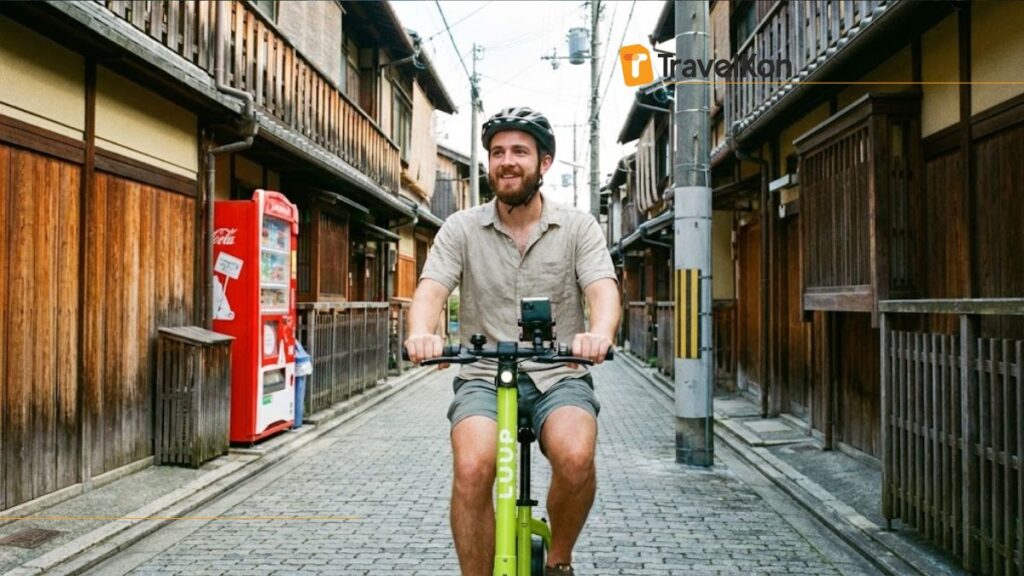
Japan’s transport network is genuinely one of the best-designed in the world, but it punishes visitors who arrive without preparation. Booking the wrong pass, using the wrong app, or misunderstanding luggage rules on Shinkansen creates avoidable friction. Navigation across multiple transport modes; rail, metro, bus, ferry, and ride-hailing; requires reliable mobile data from the moment you land.A Prepaid Japan eSIM with Instant Activation lets you pull up live train schedules, navigate IC card top-up locations, and book Shinkansen seats without depending on airport WiFi. The best esim japan options cover the full national network, which matters when you’re moving between regions. The JR Pass in 2026: When It’s Worth It and When It Isn’t Bottom line: The 2023 price hike made the National JR Pass a poor default choice; calculate your specific routes before buying. The 7-day National JR Pass now costs approximately ¥50,000 (~$333 / ~€311). A Tokyo–Hiroshima–Kyoto–Tokyo round trip on Hikari Shinkansen covers roughly ¥45,000–¥48,000 in regular fares, making the pass worthwhile only for heavy long-distance travel completed within 7 days. For most itineraries, regional passes offer far better value. Regional Pass alternatives: The Nozomi and Mizuho surcharge: JR Pass holders cannot ride Nozomi or Mizuho services without purchasing a full-fare separate ticket. Hikari and Sakura trains cover the same routes and are fully pass-compatible, adding roughly 15–20 minutes per journey. If speed is the priority, budget an additional ¥3,000–¥4,000 (~$20–$27) per Nozomi segment. Pro-Tip: Use the Navitime Japan Travel app to filter routing by JR Pass compatibility before purchasing. Knowing your exact pass value prevents buying the national pass for a Kansai-only trip. IC Cards in 2026: Digital Suica Is the Standard Bottom line: Add Suica or Pasmo to Apple Wallet or Google Pay before you fly; physical cards are available again but digital is faster. After years of chip shortages, Suica cards returned to full availability at major stations in late 2025. Both Suica and Pasmo work across trains, metro, buses, convenience stores, and lockers nationwide. Setting up Mobile Suica before departure: Physical card options: Warning: Welcome Suica expiry catches visitors who load ¥5,000–¥10,000 early and fail to spend it within 28 days. For trips over 28 days or if you want a refund option, choose standard Suica. Recommended starting load: ¥3,000–¥5,000 (~$20–$33) covers airport transit and several days of city travel. Luggage Forwarding and Shinkansen Rules: The Overtourism Adjustment Bottom line: Send large luggage ahead; it costs less than a taxi and removes the most common Shinkansen stress. Luggage forwarding (takuhaibin) via Yamato Transport costs approximately ¥2,200–¥2,500 (~$15–$17) per suitcase from Narita Airport to a central Tokyo hotel, arriving within 24 hours. Repeat between cities for longer itineraries. Most hotels accept forwarded bags before check-in time. Shinkansen oversize baggage rule (2026): Bags with total dimensions exceeding 160cm require a reserved seat with designated oversize space on Nozomi, Hikari, Sakura, and Mizuho services. Traveling without the reservation results in a ¥1,000 (~$7) on-the-spot penalty. Pro-Tip: Forwarding luggage between Kyoto and Tokyo costs ¥2,500 ($17) and eliminates managing bags through two of Japan’s busiest stations; cheaper and easier than any alternative. Digital Navigation and Booking in 2026: The Apps That Actually Work Bottom line: Google Maps handles transit well, but local apps give JR Pass users, taxi bookers, and Shinkansen buyers a clear advantage. Smart EX for Shinkansen booking: The official digital platform for Tokaido and Sanyo Shinkansen routes. Book reserved seats, choose carriages, and skip ticket office queues entirely; a significant advantage during peak periods when queues exceed 30 minutes. Links to a credit card or IC card for gate entry. Navitime Japan Travel: The most Japan-specific English transit app. Key advantages over Google Maps: Go; Japan’s ride-hailing standard: Uber operates in Japan with limited coverage. Go (Mobility Technologies) dominates with far more driver availability across Tokyo, Osaka, Kyoto, and regional cities. Available in English, accepts international cards, and allows advance booking for early-morning airport runs. Warning: Street-hailed taxis cannot provide upfront pricing and may refuse short trips during busy periods. Go and Uber both allow fixed-fare estimation before confirming. 2026 Transport Updates: What Is New and What Is Changing Bottom line: Several changes affect Japan travel logistics in 2026; know them before finalizing your itinerary. JR Hello Kitty Shinkansen; end of service: The Hello Kitty-themed Shinkansen completed its final run in spring 2026. Standard Mizuho and Sakura trains now cover the same Shin-Osaka to Hakata route. International departure tax update: Japan’s departure tax of ¥1,000 (~$7) per person is under review for an increase in late 2026 as part of overtourism management policy. The tax is collected within your outbound airfare; no separate airport payment required. Crowd-alternative routes worth considering: Beyond Trains: Japan’s Broader Transport Landscape in 2026 Bottom line: E-scooters, overnight buses, ferries, and rental bicycles cover travel needs that trains do not. LUUP e-scooters and e-bikes: Expanded across Tokyo, Osaka, and Kyoto neighborhoods in 2026. Users aged 16 and above do not need a driver’s license but must complete an in-app English safety quiz and verify identity with a passport. Rates run approximately ¥200 (~$1.33) to unlock plus ¥15–¥20 per minute; effective for covering the gap between metro stations and specific temples or restaurants. Overnight lie-flat buses: Dream Sleeper and newer services on the Tokyo–Osaka route offer 180-degree reclining seats with privacy partitions for approximately ¥10,000–¥14,000 (~$67–$93). This functions as a moving hotel room that saves one night’s accommodation cost. Rickshaw (jinrikisha) tours: Not practical commuting; these are guided neighborhood tours in Asakusa, Arashiyama, and Kamakura priced at ¥3,000–¥8,000 (~$20–$53) for 10–30 minutes. Pullers in major tourist areas typically speak conversational English. Rental bicycles and Cycle Terminals: In areas like Shimanami Kaido and rural Okayama, cycling is a core activity. Cycle Terminals allow one-way rentals; pick up at one location, return at another; for approximately ¥1,000–¥3,000 (~$7–$20) per day. Ferry and island-hopping: Seto Inland Sea ferries connect Hiroshima, Onomichi, and the Shimanami islands at a slower pace. Overnight ferries to Kyushu from Osaka include passenger cabins and onsen facilities; a practical alternative

Transport in Japan: What Has Changed and What First-Time Visitors Need to Know in 2026 Read More »

cash in japan

How Much Cash to Bring to Japan: A Practical Guide for 2026 Visitors

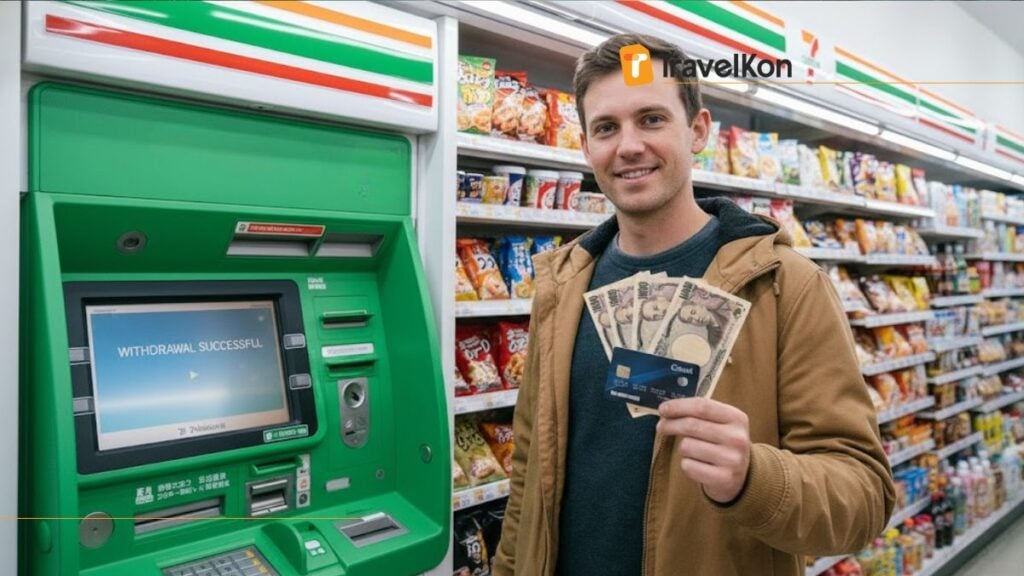
Japan rewards visitors who arrive prepared. The country’s cash culture runs deeper than most travelers expect, and arriving with only a card and a vague plan to “find an ATM” creates friction at the worst moments — a rural bus that doesn’t accept digital payments, a temple entrance requiring exact coins, or a ramen machine that accepts only ¥100 coins. Sorting connectivity before departure helps manage all of this. An Affordable Japan eSIM for short and long stays ensures you can locate ATMs, check cash-only venues, and translate payment signs whether you’re in Tokyo or a remote onsen town. The best esim japan options activate before you board, so you land connected rather than scrambling. Is Japan Still a Cash-Based Society in 2026? Bottom line: Yes — but with significant nuance. Japan in 2026 is a hybrid payment society. Tokyo convenience stores, chain restaurants, department stores, and most hotels accept Visa, Mastercard, and mobile wallets including PayPay, Apple Pay, and Google Pay. QR code payments have expanded rapidly and younger urban Japanese use them daily. But the zero-cash strategy fails the moment you leave that infrastructure. Rural buses, small-town taxis, neighborhood izakayas, temple entry gates, local market stalls, and coin-operated lockers all require physical currency. Even in Tokyo, roughly 30–40% of smaller businesses — particularly family-run restaurants and independent shops — remain cash-only. The honest answer: you cannot survive Japan with zero cash. Treat cash as your primary payment method outside chain establishments and major hotels. Daily Budget Estimates: How Much Spending Money for Japan Bottom line: Calculate per person per day, then multiply by trip length. By travel style (per person, per day, excluding accommodation): By trip duration (Mid-Range baseline at ¥12,000/day): Pro-Tip: Don’t carry 100% of this as cash. A realistic split is 60–70% cash and 30–40% card. Load a Suica or Pasmo IC card at the airport for transit and convenience store purchases to reduce daily cash dependency. The “Must-Cash” Checklist: Where Cards Won’t Work Bottom line: Carry at least ¥5,000 in mixed coins and small notes at all times. These locations consistently reject cards and digital wallets in 2026: Warning: Assuming any traditional or independently run business accepts cards is the single most common payment mistake in Japan. When in doubt, ask before you order. IC Cards (Suica and Pasmo): The Digital Cash Alternative Bottom line: Load a Digital Suica before departure — it works for trains, convenience stores, and some cafés. IC cards function as prepaid digital wallets accepted across JR and Tokyo Metro networks, plus major convenience stores (7-Eleven, FamilyMart, Lawson), some cafés, and locker systems at major stations. For transit, IC cards are faster and cheaper than buying individual tickets. 2024–2026 Chip Shortage update: Physical Suica cards have been intermittently unavailable at some airports. The workaround is Digital Suica via Apple Wallet or Google Wallet — it functions identically to the physical card and can be set up before departure using an international credit card. Warning: Loading physical IC cards at station machines usually requires yen notes or coins. IC cards cannot be topped up with foreign cards at most station kiosks, so load sufficient yen at an ATM first. Recommended starting load: ¥3,000–¥5,000 (~$20–$33) covers most airport-to-city transit and initial convenience store spending. ATMs and Withdrawals: Where to Get Cash Without the Headache Bottom line: Use 7-Bank (7-Eleven), Japan Post, or Aeon Bank ATMs — they accept most international cards reliably. Most reliable ATM networks for international cards: The DCC (Dynamic Currency Conversion) trap: When an ATM asks “Would you like to proceed in [your home currency]?” — always choose Proceed in Yen. Accepting home currency conversion applies the ATM operator’s exchange rate, typically 3–7% worse than your bank’s rate. This mistake costs real money across multiple withdrawals. Pro-Tip: Notify your home bank before departure that you’ll be using your card in Japan. Unexplained overseas activity frequently triggers fraud blocks that are time-consuming to resolve remotely. New Banknotes and Coin Management Bottom line: Japan issued redesigned notes in July 2024 — old and new versions circulate together and are equally valid. The July 2024 redesign was Japan’s first banknote update in 20 years. Both versions are accepted everywhere, though some older vending machines may temporarily reject new notes — use a convenience store register to break bills in that case. Coin strategy: Pro-Tip: Carry a small coin purse. Japan’s coin culture overwhelms a standard slim wallet within two days. A dedicated coin compartment prevents fumbling through loose change while a queue forms behind you. No tipping culture: Japan does not tip. Leaving cash on a table after a meal can cause confusion or mild discomfort. Do not feel pressured to add cash beyond the bill total — service is considered included in the price. Safety, Logistics, and the Emergency Fund Bottom line: Japan is exceptionally safe for carrying cash — but split your stash regardless. Japan’s theft and street crime rates are among the lowest globally. Lost wallets are returned at a remarkably high rate, and cash found in public is routinely handed in to local koban (police boxes). Carrying ¥50,000–¥100,000 in cash is not unusual and does not carry the risk it would in most other countries. The Divided Stash Strategy: How much cash should I have for Japan on my person at any time? Realistically, ¥10,000–¥20,000 covers a full day including meals, transport, and incidental purchases. Why keep a ¥20,000 emergency reserve: Warning: How much cash limit to bring to Japan has a legal answer — amounts over ¥1,000,000 (~$6,700) require customs declaration. Under this threshold, no declaration is needed. Cash to Bring to Japan How much cash to bring to Japan comes down to how you travel — your pace, your destinations, and your comfort with unfamiliar payment systems. Arriving with ¥30,000–¥50,000 for a week-long mid-range trip, loading a Digital Suica before departure, keeping a coin purse, and always choosing “proceed in yen” at ATMs removes the friction that catches most first-time visitors off guard.The cash side and

How Much Cash to Bring to Japan: A Practical Guide for 2026 Visitors Read More »

most popular sport in japan (2)

Most Popular Sport in Japan: What Visitors Can Watch, Experience, and Understand

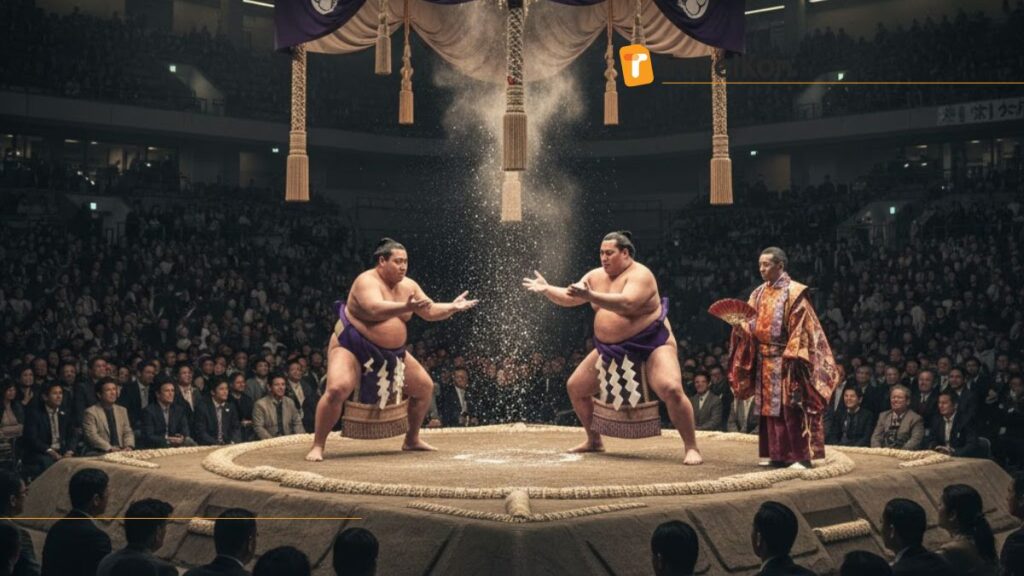
Japan’s relationship with sport is layered in ways that travel guides rarely capture. Attending a baseball game in Japan isn’t just watching sport; it’s encountering organized crowd participation, meticulous stadium etiquette, and food culture that rivals the game itself. Visiting a sumo stable’s morning practice or watching a judo competition at the Kodokan requires a different kind of preparation, including local navigation that depends on reliable mobile data. Streaming live scores, checking stadium access maps, and translating match-day information all become easier with an Unlimited Japan eSIM for Heavy Data Usage; the best esim japan options cover the whole country so you’re connected whether you’re at Koshien Stadium in Osaka or a local martial arts hall in Tokyo. 10 Most Popular Sports in Japan The most popular sport in Japan includes baseball, sumo, football, judo, kendo, golf, basketball, tennis, rugby, and keirin cycling;each with live events open to visitors year-round. 1. Baseball (Yakyu) The Experience Japanese professional baseball; Nippon Professional Baseball (NPB); operates at a level of crowd engagement that surprises most international visitors. Dedicated cheering sections, synchronized chants, brass bands, and call-and-response routines fill entire stands. The crowd participation is organized and rehearsed, with individual players having their own fan chants. The stadium food is a genuine reason to attend; bento boxes, local beer, takoyaki, and ramen served hot at your seat differentiate the experience from watching at home. First-Timer Guide Tickets range from ¥1,500 (outfield standing) to ¥8,000 (reserved seating near the dugout). Buy tickets online through club websites or at convenience stores. Most stadiums have English signage. Arrive early to watch batting practice and hear the pre-game chants warm up. Sitting in the cheering section delivers the most atmosphere but requires following crowd cues closely. Cultural Aspect Baseball arrived in Japan in the 1870s and developed its own cultural identity; emphasis on team over individual, respect for pitching strategy, and the ritualized crowd behavior that now defines the NPB experience. Japanese baseball produces consistently competitive players who graduate to Major League Baseball, which deepens the sport’s cultural prestige. City Events Tokyo (Yomiuri Giants at Tokyo Dome, Yakult Swallows at Jingu Stadium), Osaka (Hanshin Tigers at Koshien), Hiroshima (Carp at Mazda Stadium), Fukuoka (SoftBank Hawks at PayPay Dome). Recommended Time to Visit: 2. Sumo The Experience A sumo basho (tournament) is one of Japan’s most culturally distinct sporting events. The 15-day tournaments run from morning through late afternoon, with lower-ranked bouts in the morning giving way to the top-division makuuchi wrestlers in the final two hours. The ceremony surrounding each bout; the ritual purification, the referee’s traditional costume, the ring announcer’s chanting; is as much the point as the bout itself, which typically lasts seconds. First-Timer Guide Tickets range from ¥2,200 (general seating) to ¥14,800 (ringside, requiring advance booking months ahead). Arrive mid-morning to watch lower-division bouts with thin crowds and close access. The main event bouts run from approximately 4 PM. The Kokugikan in Tokyo is the most accessible venue; box seats require groups of four. Food stalls inside serve chankonabe (sumo stew) and traditional snacks. Cultural Aspect Sumo is Japan’s oldest codified sport, with roots in Shinto ritual. The ring (dohyo) is considered sacred, the pre-bout ceremonies are Shinto in origin, and the wrestlers’ ranking system reflects strict hierarchical tradition. What is the national sport of Japan is answered here by cultural weight; sumo carries the deepest historical identity even if baseball leads in attendance. City Events Tokyo (Kokugikan, January, May, September), Osaka (March), Nagoya (July), Fukuoka (November). Recommended Time to Visit: 3. Football (Soccer) The Experience Japan’s J.League runs from February through November across two professional divisions. Stadiums are modern, crowds are organized and respectful, and the supporter culture borrows from European football while maintaining Japanese restraint. Matches are clean, well-managed events with family sections, dedicated supporter stands, and efficient stadium transit. First-Timer Guide Tickets cost ¥1,500-6,000 depending on seat category and club. Buy at the stadium on match day for most fixtures outside of major rivalry games. J1 League fixtures list on the official J.League website with English navigation. Travel by train to most stadiums; car access is limited and public transit is the standard approach. Cultural Aspect Japanese football culture developed rapidly after the J.League launched in 1993, producing national team players who regularly compete in European leagues. Best sports to watch in Japan for international visitors often includes J.League matches precisely because the organized, family-accessible atmosphere differs from football culture in Europe or South America. City Events Tokyo (FC Tokyo, Tokyo Verdy), Yokohama (Yokohama F.Marinos), Osaka (Gamba Osaka, Cerezo Osaka), Nagoya (Nagoya Grampus), Sapporo (Consadole Sapporo). Recommended Time to Visit: 4. Judo The Experience Judo was developed in Japan in 1882 and remains one of the country’s most practiced and internationally recognized martial arts. Watching competitive judo; particularly at the Kodokan in Tokyo, judo’s founding institution; provides direct access to the sport’s technical depth. The scoring system (ippon, waza-ari) is learnable in minutes, and the speed of elite-level bouts is startling after watching recreational practice. First-Timer Guide The Kodokan in Tokyo allows visitors to observe practice sessions and competitions. Check the Kodokan’s schedule online for open tournament days. Entry is low-cost or free for observation. Dress modestly; this is a training institution, not a tourist attraction. Competitions are generally silent and respectful environments. Cultural Aspect Judo’s philosophy; mutual benefit and minimum effort for maximum effect; extends beyond competition into how the sport is taught and practiced. Traditional sports in Japan consistently carry ethical frameworks that the sport’s founder, Jigoro Kano, deliberately built into judo’s structure. City Events Tokyo (Kodokan, IJF World Tour Grand Slam Tokyo in December), Osaka, and national university tournament circuits throughout the year. Recommended Time to Visit: 5. Kendo The Experience Kendo is practiced in high school gyms, community centers, and dedicated dojos across Japan, which means encounters with it happen organically during travel. The sound of shinai (bamboo swords) striking armor is audible from outside training halls. Watching a kendo match is arresting; the speed, the controlled

Most Popular Sport in Japan: What Visitors Can Watch, Experience, and Understand Read More »

what to see and do in japan osaka

What to See and Do in Japan: A City-by-City Guide for New Visitors

Japan rewards preparation more than most travel destinations. The country’s depth; cultural, historical, and culinary; is genuinely vast, and cities that appear similar on a map operate with very different rhythms and personalities. Whether you’re covering ground quickly as a backpacker, moving slowly as a couple, or staying long enough in each place to develop a routine, knowing what each city offers before you arrive makes the difference. Moving between Japanese cities is efficient on the Shinkansen, but staying oriented across multiple destinations is where a reliable japan esim for city-to-city travel earns its value; the best esim japan options activate before departure so you’re connected from arrival, not scrambling at the airport. What to See and Do in Tokyo Japan What should you not miss in Tokyo? Tokyo operates at a scale that takes time to process. Shibuya’s famous scramble crossing is less about the crossing itself and more about the density it represents. Shinjuku’s east side (entertainment, neon, standing bars) and west side (skyscrapers, government buildings) are effectively two different cities sharing a station. Asakusa holds Tokyo’s oldest surviving temple, Senso-ji, and the streets around it operate as a working neighborhood as much as a tourist zone. What is Tokyo best known for? Tokyo is best known for the coexistence of extremes; ancient shrines next to glass towers, quiet residential streets blocks from neon-lit commercial strips, convenience stores stocking better food than most Western restaurants. The city’s food culture runs from Michelin-starred counters to ¥500 standing noodle shops, and both are worth experiencing. What to do in Tokyo for the first time? Spend a morning in Asakusa before crowds arrive, walk the covered Nakamise shopping street, then cross toward Ueno and its cluster of museums and parks. Take the Yamanote Line to understand how major neighborhoods connect. Spend an evening in Shinjuku without a specific agenda. Visit Yanaka, one of Tokyo’s older low-rise neighborhoods, to see a quieter version of the city most first-time visitors miss. How many days in Tokyo is enough? Four to five days allows you to cover major neighborhoods without rushing. Three days is workable but leaves significant gaps. Less than three days produces a surface impression only. Places to visit in Tokyo: What to See and Do in Kyoto Japan What should you not miss in Kyoto? Kyoto holds Japan’s highest concentration of preserved traditional architecture; wooden machiya townhouses, hundreds of functioning temples, and geisha districts that operate as working cultural institutions. Fushimi Inari’s thousands of torii gates are more impressive on a weekday morning, and the upper mountain sections see noticeably fewer visitors than the famous lower gates. What is Kyoto best known for? Kyoto is best known as Japan’s ancient imperial capital, a role it held for over a millennium. Strict building regulations keep the skyline low, and the density of temples, shrines, and traditional streets is unmatched anywhere in Japan. It is also known for kaiseki cuisine and Nishiki Market. What to do in Kyoto for the first time? Rent a bicycle and use it to reach major temple areas; Higashiyama, Fushimi Inari, and Arashiyama are all accessible but impractical on foot alone. Walk Philosopher’s Path in the morning. Visit Nijo Castle in the afternoon when crowds thin. Spend an evening in Gion watching the streets rather than hunting for geisha. How many days in Kyoto is enough? Three to four days covers the major areas without exhaustion. Five days allows for day trips to Nara or Osaka while using Kyoto as a base. What not to miss while visiting Japan almost always includes Kyoto; the city earns its place on itineraries. Places to visit in Kyoto: What to See and Do in Osaka Japan What should you not miss in Osaka? Osaka operates differently from Kyoto and Tokyo; louder, more informal, more focused on food and commercial energy. Dotonbori is genuinely chaotic but worth experiencing once for the density of it. The surrounding Namba area has excellent street food that qualifies as some of Japan’s best at any price point. What is Osaka best known for? Osaka is best known for its food culture. Takoyaki, okonomiyaki, and kushikatsu are Osaka originals eaten standing at counters throughout the city. Osaka is also known for Osaka Castle and for Shinsekai, an older neighborhood preserving a mid-20th century atmosphere unlike anywhere else in Japan. What to do in Osaka for the first time? Walk Dotonbori in the evening, then branch into narrower Namba streets for food. Visit Kuromon Market in the morning; it’s a working wholesale market that welcomes visitors. Take the train to Shinsekai for lunch. Day-trip to Nara from Osaka Station in under an hour if your itinerary allows. How many days in Osaka is enough? Two to three days covers Osaka thoroughly. Many travelers use it as a base for day trips to Kyoto, Nara, and Kobe. A single day covers highlights but rushes the city’s best quality; slow eating. Places to visit in Osaka: What to See and Do in Hiroshima Japan What should you not miss in Hiroshima? Hiroshima requires a particular kind of attention. The Peace Memorial Park and Museum document the atomic bombing of August 6, 1945 with restraint and detail that demands time rather than a quick visit. The A-Bomb Dome; the only structure left standing near the hypocenter; anchors the park’s geography. The museum warrants 2-3 hours minimum. What is Hiroshima best known for? Hiroshima is internationally known for the 1945 atomic bombing and its subsequent rebuilding, now inseparable from the city’s identity. It is also known for Miyajima Island, accessible by ferry, which holds Itsukushima Shrine and its famous floating torii gate. The contrast between the city’s historical weight and its current livability distinguishes it from a simple memorial destination. What to do in Hiroshima for the first time? Spend a morning at the Peace Memorial Park and Museum; do not rush it. Take a ferry to Miyajima in the afternoon; stay for sunset if timing allows. Try Hiroshima-style okonomiyaki in

What to See and Do in Japan: A City-by-City Guide for New Visitors Read More »

Flights to Japan Airport

Flights to Japan From Major Countries: What the Journey Costs and How Long It Takes

Japan draws travelers for reasons that span centuries of cultural depth, modern infrastructure, and a travel environment that rewards preparation. Most visitors arrive by air into Tokyo or Osaka, then navigate one of the world’s most efficient rail networks to their final destinations. The flight is the first logistical hurdle, and it varies enormously depending on where you’re flying from. Mobile connectivity matters from the moment you land. Japan’s public WiFi is less widespread than many visitors expect, and navigating rail connections, mapping addresses, and translating signage without data creates unnecessary friction. Sorting a best esim for japan before departure; TravelKon offers Japan eSIM data plans for tourists with flexible durations; means you’re connected from arrivals hall to your first destination without hunting for SIM card vending machines or rental counters. Flights to Japan From the US Who This Route Is For US travelers to Japan represent one of the highest-volume Pacific routes. It suits longer trips (2+ weeks) given the significant flight time, though the strong tourism infrastructure makes Japan worth every hour of travel. Flight Distance & Duration Los Angeles to Tokyo covers approximately 8,800 kilometers. Direct flights run 11-12 hours westbound, 10-11 hours eastbound (tailwinds help on return). From New York, direct flights take 13-14 hours. From Seattle or San Francisco, expect 10-11 hours direct. Main Departure Cities West Coast: Los Angeles (LAX), San Francisco (SFO), Seattle (SEA). East Coast: New York (JFK), Boston (BOS), Chicago (ORD). Non-gateway cities typically require a domestic connection first. Airlines Flying to Japan United Airlines, Delta, and American operate direct US-Japan routes. Japanese carriers; Japan Airlines (JAL) and All Nippon Airways (ANA); fly direct from major US cities with strong reputations for service and reliability. Budget options via Asian hubs include Korean Air (Seoul) and Cathay Pacific (Hong Kong). Direct vs Connecting Flights Direct flights from West Coast cities cost USD $600-1000 return off-peak. One-stop via Seoul or Hong Kong sometimes runs $50-150 cheaper but adds 3-5 hours. East Coast travelers often find connecting flights through Tokyo via West Coast hubs, totaling 16-20 hours. Average Flight Prices West Coast: USD $650-950 for good advance bookings. East Coast: USD $750-1100. Cherry blossom season (late March-April) and autumn foliage (mid-October-November) push prices USD $200-400 higher. Summer (July-August) is expensive and crowded. Best Time to Book Book 8-10 weeks ahead for shoulder season. For cherry blossom or autumn peak, 4-5 months ahead prevents significant price surges. Mid-week departures (Tuesday-Wednesday) typically cost USD $50-100 less than weekend flights. Arrival Airports in Japan Narita (NRT) handles most international flights but sits 60-80 minutes from central Tokyo. Haneda (HND) is closer to the city (30-40 minutes) and increasingly serves international routes. Osaka Kansai (KIX) suits travelers heading directly to western Japan. Practical Tips Before Flying US travelers crossing the International Date Line lose a day eastbound. Arriving Tuesday evening Japan time means departing Sunday evening LA time; factor this into your first-day plans. Arriving connected matters: a TravelKon Japan esim data plans for tourists activated before departure removes the vending machine hunt at Narita. Flights to Japan From Australia Who This Route Is For Australia’s geographic proximity makes Japan one of the more accessible long-haul destinations; suitable for both short holidays (10-14 days) and extended trips. Popular with couples, families, and backpackers alike. Flight Distance & Duration Sydney to Tokyo covers approximately 7,800 kilometers. Direct flights take 9-10 hours. Melbourne to Tokyo runs similarly at 9.5-10 hours. Perth to Tokyo is slightly longer at 9-10 hours via a different routing. Main Departure Cities Sydney (SYD), Melbourne (MEL), Brisbane (BNE), and Perth (PER) all have direct or one-stop options. Adelaide and smaller cities typically connect through eastern capitals. Airlines Flying to Japan Qantas and Japan Airlines (JAL) operate direct Sydney-Tokyo flights. ANA flies direct from Sydney and Melbourne. Jetstar offers budget options though connection schedules vary. Singapore Airlines, Cathay Pacific, and Korean Air provide competitive one-stop alternatives. Direct vs Connecting Flights Direct flights cost AUD $700-1100 return off-peak. One-stop flights via Singapore, Hong Kong, or Seoul occasionally run AUD $100-200 cheaper but add 3-5 hours. For most Australians, direct flights offer better value when total journey time is considered. Average Flight Prices Expect AUD $750-1000 for direct flights booked 6-8 weeks ahead. Cherry blossom and autumn peak push to AUD $1100-1600. School holiday periods (December-January, April, July) add AUD $150-250 to base prices. Sales occasionally offer AUD $600-700. Best Time to Book Book 6-10 weeks ahead for shoulder season. For Japanese peak seasons, 3-4 months ahead is necessary. Avoid booking during Australian school holidays when all Asian destinations surge simultaneously. Arrival Airports in Japan Most Australian flights land at Tokyo Narita (NRT) or Tokyo Haneda (HND). Osaka Kansai (KIX) receives some flights from Sydney and Melbourne, useful if your itinerary begins in western Japan. Practical Tips Before Flying Overnight flights from Australia often land in Tokyo mid-morning; a reasonable arrival time. The 1-2 hour time difference makes jet lag more manageable than US or European routes. Consider arriving in Osaka if your trip focuses on Kyoto-Osaka-Hiroshima to avoid a Tokyo transit. Flights to Japan From the UK Who This Route Is For UK travelers face one of the longer routes to Japan, making 2+ week trips advisable. Strong interest in Japanese culture, food, and travel infrastructure justifies the journey for those willing to invest the flight time. Flight Distance & Duration London to Tokyo covers approximately 9,500 kilometers. Direct flights take 11-12 hours. Return flights (eastbound) run 12-13 hours against headwinds. There are no significant shortcuts; this is a long-haul route. Main Departure Cities London Heathrow (LHR) is the primary gateway. Manchester (MAN) and Edinburgh (EDI) typically require connections through Heathrow or European hubs. Airlines Flying to Japan British Airways operates direct London-Tokyo flights. Japan Airlines (JAL) and All Nippon Airways (ANA) also fly direct from Heathrow. One-stop options include Finnair via Helsinki (one of the shortest one-stop routes given Finland’s proximity to Japan’s great circle path), Lufthansa via Frankfurt, and Emirates via Dubai. Direct vs Connecting

Flights to Japan From Major Countries: What the Journey Costs and How Long It Takes Read More »

Can a Japan eSIM Provide Unlimited Data While You Travel

Can a Japan eSIM Provider Offer Unlimited Data While You Travel?

Planning a trip to the Land of the Rising Sun, here Japan eSIM provider offer unlimited data! Awesome choice. Between the bustling streets of Tokyo and the serene temples of Kyoto, the last thing you want to worry about is rubbish internet. You’ve probably heard about eSIMs – the digital SIM cards that save you from fiddling with tiny plastic chips. The big question on many travellers’ minds is: can you actually get unlimited data with a Japan eSIM? Let’s dive in and sort out the facts from the fiction. Staying connected is non-negotiable for modern travel. Whether you’re navigating with Google Maps, uploading your epic photos to the ‘gram, or just letting folks back home know you’re safe, a reliable data connection is key. An eSIM, or embedded SIM, is a digital version of a physical SIM card built directly into your device. This technology makes switching between mobile carriers a breeze, which is a massive win for international travellers. But when providers advertise “unlimited data,” it’s smart to read the fine print. What “Unlimited Data” Really Means for Japan Trave When you see a Japan eSIM provider offering “unlimited data,” it often comes with a Fair Usage Policy (FUP). This is a standard practice in the telecommunications industry to ensure network stability for all users. Essentially, you get a certain amount of high-speed data (e.g., 1GB or 2GB per day), and if you exceed that, your speed is throttled – slowed down – until the next day. According to data from the Telecommunications Industry Association, a Fair Usage Policy (FUP) is a crucial mechanism for managing network traffic and preventing abuse that could degrade service quality for other users. So, while you technically still have data access, it might only be fast enough for basic tasks like sending a WhatsApp message, not for streaming your favourite show on Netflix. Here’s a quick breakdown of what you can typically expect: The Benefits of Choosing a High-Data Cap eSIM For most travellers, a high-data cap eSIM is more than enough. Think about what you’ll actually be doing. Are you streaming movies all day, or are you out exploring? According to a study on the digital behaviour of tourists by researchers at Cornell University, most travellers use mobile data primarily for navigation, social media, and brief communication, not for data-heavy activities like continuous high-definition video streaming. This means a plan with a generous daily high-speed allowance, like those from TravelKon, often functions as a practically unlimited plan for typical tourist activities. You get all the speed you need for maps, posting photos, and making video calls without hitting the throttle limit. How to Choose the Right Japan eSIM for Your Needs Picking the perfect eSIM Japan comes down to understanding your own data habits. Here’s a simple guide to help you decide: Data User Profile Typical Daily Activities Recommended Plan The Light User Checking emails, messaging, occasional map use. A lower-tier plan or a smaller data package would suffice. The Average Tourist Heavy use of Google Maps, social media uploads, browsing, some video calls. A plan with at least 1GB-2GB of high-speed data per day is ideal. The Power User Constant streaming, large file downloads, remote work, tethering multiple devices. Look for the highest possible data cap or a truly unlimited (no FUP) plan, which is rare and often more expensive. According to the Japan National Tourism Organization (JNTO), the availability of free public Wi-Fi has increased in major cities and transport hubs. While helpful, relying solely on public Wi-Fi can be patchy and poses security risks, making a dedicated travel eSIM a more reliable and secure option for consistent connectivity. Setting Up Your Japan eSIM: A No-Fuss Guide Getting started with a Japan eSIM is incredibly straightforward. With a provider like TravelKon, the process is designed to be as simple as possible: Frequently Asked Questions (FAQ) 1. Is an eSIM better than a physical SIM card for Japan? For convenience, absolutely. An eSIM saves you the hassle of finding a store upon arrival and swapping physical cards. You can set it up before you even leave home. 2. Can I keep my original phone number with an eSIM? Yes, you can. Most phones allow you to have both your primary SIM (for calls/texts from home) and your travel eSIM (for data) active at the same time. 3. What happens if I use up my high-speed data? Your data connection will be slowed down (throttled) to a lower speed until the daily allowance resets. You won’t be completely cut off, but it will be much slower. 4. Do Japan eSIMs work everywhere in the country? Reputable providers like TravelKon partner with major local networks (like Docomo or SoftBank), ensuring excellent coverage across Japan, from major cities to more rural areas. 5. Can I tether or use my phone as a hotspot with an eSIM Japan? This depends on the provider and the specific plan. Many plans, including eSIM Japan plans from TravelKon, allow tethering, so you can share your data connection with other devices. Always check the plan details before purchasing. 6. When should I activate my Japan eSIM? It’s best to purchase it before your trip and activate it either right before you fly or as soon as you land in Japan to ensure your plan’s validity covers your entire stay. 7. What if my phone isn’t eSIM compatible? If your phone doesn’t support eSIMs, don’t stress! You can still opt for a traditional physical travel SIM card, which offers similar data plans. Ready to Explore Japan? So, can a Japan eSIM provider offer truly unlimited data? The answer is yes, but with the important caveat of a Fair Usage Policy. For the vast majority of travellers, a high-cap plan from a trusted provider like TravelKon delivers a seamless, high-speed experience that feels limitless. You get the performance you need for navigating, sharing, and staying in touch without the worry. Get Japan eSIM provider offer unlimited data! Now that

Can a Japan eSIM Provider Offer Unlimited Data While You Travel? Read More »

Can You Get Unlimited Data with a Japan eSIM Here's What You Need to Know

Can You Get Unlimited Data with a Japan eSIM? Here’s What You Need to Know

Want to get unlimited data with a Japan eSIM for your next trip? It’s a brilliant way to stay connected without any fuss. Imagine navigating Tokyo’s streets or sharing Kyoto’s beauty instantly. An eSIM makes this incredibly simple and stress-free. Let’s explore what “unlimited” really means for travellers. According to a study on tourist data usage, most travellers need reliable internet for maps and social media. They don’t often use data for continuous high-definition streaming. This makes high-data cap plans perfect for typical travel needs. What Does “Unlimited Data” Actually Mean for a Japan eSIM? When you see “unlimited data,” it usually means a Fair Usage Policy (FUP) applies. This is a standard practice in the telecommunications industry. It helps ensure everyone on the network gets a stable connection. You receive a generous amount of high-speed data each day. For example, you might get 1GB or 2GB of 4G/5G speed. If you use more than this daily allowance, your speed is simply slowed down. This throttled speed is still fine for sending messages or emails. Your high-speed data allowance then resets every 24 hours. So, you get a fresh batch of fast data the very next day. For most travellers, this system works perfectly. It provides more than enough high-speed data for daily adventures. You can use maps, post photos, and browse online without issues. Is an eSIM a Better Choice Than a Physical SIM Card in Japan? Yes, an eSIM Japan is often a much better choice for convenience. It saves you from the hassle of finding a SIM card store upon arrival. You also avoid fiddling with tiny plastic SIMs and ejector tools. You can purchase and set up your eSIM from home before you even leave. This means you are connected the moment you land in Japan. There is no need to hunt for airport Wi-Fi to contact your ride. An eSIM also allows you to keep your home SIM active. This feature is great for receiving important calls or texts on your primary number. You can use your eSIM purely for affordable travel data. TravelKon offers eSIMs that connect to premium local networks like KDDI. This ensures you get excellent coverage across the country. You’ll have a reliable signal from big cities to rural areas. Get unlimited data with a Japan eSIM for your adventure! How Much High-Speed Data Do You Really Need in Japan? The amount of data you need depends entirely on your usage habits. Most travellers find that 1GB to 2GB of high-speed data per day is plenty. This is more than enough for typical holiday activities. This allowance lets you heavily use Google Maps for navigation. You can also upload photos and videos to social media. It even covers browsing websites and making video calls to family. Consider a plan like the TravelKon Japan eSIM Unlimited Data (KDDI). It offers a substantial daily high-speed cap that suits most tourists perfectly. It feels unlimited for all practical purposes. If you are a light user, you might only need data for maps and messaging. But having a higher cap provides peace of mind. You won’t have to worry about running out of fast data unexpectedly. Can You Share Your eSIM Data Connection with Other Devices? Yes, you can absolutely share your connection. Most travel eSIMs, including those from TravelKon, allow tethering. This lets you use your phone as a personal Wi-Fi hotspot. This feature is incredibly useful when travelling with family or friends. You can connect a laptop, tablet, or another phone to your eSIM’s data. It helps everyone stay online without buying multiple plans. The TravelKon Japan eSIM Unlimited is a great option that supports tethering. It gives you the flexibility to share your connection whenever you need to. It’s perfect for coordinating plans with your travel companions. Always check the plan details before you buy to confirm tethering is supported. This ensures you get the flexibility you need for all your devices. It makes your travel experience much smoother. How Do You Activate a Japan eSIM for Your Trip? Activating a Japan eSIM is incredibly simple and quick. The entire process is designed to be user-friendly for travellers. You can get it all sorted in just a few minutes. First, you purchase your chosen eSIM plan online from a provider like TravelKon. You will then receive a QR code in your email almost instantly. There’s no waiting for a physical delivery. Next, you just scan this QR code using your phone’s camera. Your phone will guide you through a few simple steps to install the eSIM profile. It’s best to do this just before you depart or upon arrival.Once you land in Japan, your phone will automatically connect to the local network. You’ll have fast, reliable data ready to go. It’s the easiest way to stay connected while travelling.

Can You Get Unlimited Data with a Japan eSIM? Here’s What You Need to Know Read More »

Find quiet spots in Golden Week with a Japan eSIM

Find quiet spots in Japan Golden Week with Japan eSIM

Looking for quiet spots in Japan Golden Week can feel like a challenge. This major holiday period sees huge crowds at popular destinations. But with a reliable Japan eSIM, you can navigate off the beaten path. Discover serene locations and enjoy Japan’s beauty without the hustle. According to the Japan National Tourism Organization, domestic travel surges during Golden Week. This makes lesser-known destinations a smart choice for international visitors. A good data plan is essential for exploring these hidden gems. How Can an eSIM Help You Escape the Golden Week Crowds? A reliable Japan eSIM is your best tool for finding tranquility. It gives you constant access to maps and local transport schedules. This allows you to change your plans on the fly if a spot is too busy. With a solid data connection, you can research quiet parks or temples nearby. You can also book tickets for specific time slots to avoid long queues. An eSIM empowers you to be a more flexible and spontaneous traveller. Here’s how your eSIM becomes your secret weapon: TravelKon offers several eSIM options to keep you connected. The Japan eSIM Unlimited Data (KDDI) is perfect for heavy data users. It ensures you never have to worry about getting lost. What Are Some Lesser-Known Regions to Visit During Golden Week? To avoid the biggest crowds, head away from the main tourist trail. Regions like Shikoku Island or the San’in region are fantastic choices. They offer stunning scenery and rich culture with fewer people. Shikoku is famous for its 88-temple pilgrimage route and beautiful coastlines. The San’in region, along the Sea of Japan, has sand dunes and historic towns. Both are much quieter than Tokyo or Kyoto during this peak time. Consider these less-travelled regions for your itinerary: Your eSIM will be essential for navigating these more rural areas. For reliable coverage, consider a Japan eSIM (KDDI) or a Japan eSIM (Docomo/IIJ). Both use networks known for their excellent nationwide reach. Are There Quiet Spots to Be Found Even in Major Cities? Yes, you can still find peace and quiet even in bustling cities. The secret is to explore residential neighbourhoods and smaller local parks. Look for places that aren’t listed in every major guidebook. In Tokyo, try visiting areas like Yanaka or Nezu. These districts have an old-town atmosphere with charming temples and shops. They feel a world away from the crowds of Shibuya or Shinjuku. Here are some quiet city spots to look up with your eSIM: A simple Japan eSIM with a few gigabytes of data is perfect for these city explorations. It gives you just what you need for maps and browsing on the go. How Can You Use Your eSIM to Enjoy Nature Without the Crowds? Japan’s national parks are beautiful but can be busy during Golden Week. Use your eSIM to find less popular hiking trails or coastal walks. Look for parks that are a bit further from major train stations. For example, instead of going to the most famous parts of Hakone, explore its outer trails. Or visit a different part of the Fuji Five Lakes region, like the less-visited Lake Shoji. Use your data to find these natural escapes: The Japan eSIM Unlimited plan is ideal for nature lovers. It ensures you have all the data you need for maps and safety checks. You can explore with confidence. What’s the Best Way to Plan a Flexible Golden Week Itinerary? The key to a successful Golden Week trip is flexibility. Instead of a rigid schedule, have a list of potential places to visit. Use your eSIM to check real-time crowd levels and make decisions each morning. Follow local bloggers or social media accounts for up-to-date tips. They often share information about which spots are currently overcrowded. This insider knowledge is invaluable during peak season. Build a flexible plan using these strategies: This flexible approach, powered by a reliable data connection, is your best strategy. It allows you to adapt and make the most of your trip. You can enjoy Japan’s beauty on your own terms.

Find quiet spots in Japan Golden Week with Japan eSIM Read More »

0
    0
    Your Cart
    Your cart is emptyReturn to Shop