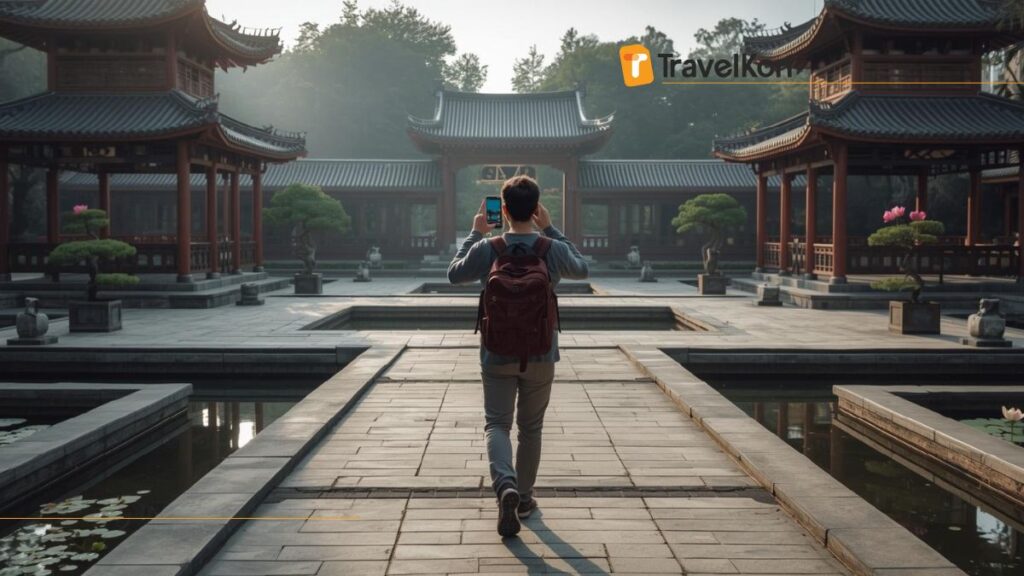
China Public Holiday 2026 Dates Every Traveller Needs
China Public Holiday 2026 calendar shapes travel planning for millions of international visitors seeking to either embrace festive celebrations or avoid overwhelming crowds. The Chinese government designates seven official public holidays throughout the year when businesses close and domestic tourism reaches peak intensity. Understanding these dates allows travellers to strategically plan itineraries maximising cultural experiences whilst minimizing logistical headaches associated with mass migrations. Smart tourists prepare comprehensive connectivity solutions including a China eSIM ensuring seamless navigation, booking confirmations, and real-time communication remain accessible regardless of holiday chaos surrounding transportation hubs and tourist attractions across the nation. Quick Facts: Research by China Tourism Academy indicates that 68% of Chinese citizens travel during at least one public holiday annually, with Spring Festival and National Day accounting for 55% of total holiday tourism volume. Cheap China eSIM with Unlimited Data Options International travellers seeking budget-friendly connectivity during China’s public holidays benefit enormously from unlimited data eSIM packages eliminating overage anxiety. The best China eSIM for tourists provides consistent speeds without throttling, crucial when navigating crowded holiday destinations requiring constant map access and translation services. Cost-effective eSIM advantages include: Holiday periods strain networks as millions simultaneously upload photos, stream videos, and video call relatives. Quality eSIM providers maintain robust infrastructure partnerships ensuring service reliability even during peak usage periods when hotel WiFi becomes unusable due to guest overload. Purchasing eSIM packages before departure guarantees connectivity from airport arrival through final departure without hunting for WiFi hotspots. 1. New Year’s Day Holiday January 1-3, 2026 China celebrates New Year’s Day with a three-day public holiday from January 1-3, 2026, marking the beginning of the Gregorian calendar year. This relatively minor holiday generates moderate domestic travel compared to traditional Spring Festival, creating excellent opportunities for international tourists seeking winter experiences without extreme crowding. Holiday period characteristics include: Cities like Harbin showcase spectacular ice sculpture festivals reaching peak magnificence during early January when temperatures maintain ice integrity. Beijing and Shanghai offer festive decorations blending Western New Year traditions with Chinese celebratory elements creating unique cultural fusion atmospheres. This holiday period suits travellers preferring cooler weather and cultural exploration without battling massive domestic tourist crowds. 2. Spring Festival Golden Week January 28-February 3, 2026 Spring Festival represents China’s most significant holiday celebrating Lunar New Year when the entire nation essentially shuts down for family reunions. The 2026 celebration extends from January 28 through February 3, marking the Year of the Horse with fireworks, temple fairs, and traditional customs dominating public spaces. Festival planning essentials include: Spring Festival showcases Chinese culture at its most vibrant with lion dances, dragon parades, and family gatherings filling streets with celebratory energy. International visitors willing to embrace chaos witness authentic traditions rarely visible during normal periods, though practical conveniences diminish considerably. Many expatriates and savvy tourists actually leave China during Spring Festival, creating opportunities in international destinations. 3. Qingming Festival April 4-6, 2026 Qingming Festival, also called Tomb Sweeping Day, occurs April 4-6, 2026, when Chinese families honour ancestors through cemetery visits and outdoor activities. This three-day holiday blends solemn remembrance with spring celebration as warming weather encourages countryside excursions and traditional kite flying. Cultural experience opportunities include: Tourist destinations experience moderate crowds during Qingming as many Chinese focus on family obligations rather than leisure travel. This creates favourable conditions for international visitors exploring cultural sites, natural attractions, and historic areas without Golden Week intensity. Weather across most Chinese regions proves ideal during early April with comfortable temperatures and lower rainfall probabilities. 4. Labour Day Holiday May 1-5, 2026 Labour Day extends from May 1-5, 2026, creating another Golden Week when domestic tourism surges dramatically. This spring holiday combines pleasant weather with extended time off, generating travel volumes approaching Spring Festival levels across popular destinations. Labour Day travel characteristics include: Cities organize concerts, exhibitions, and cultural performances capitalizing on holiday crowds and festive atmospheres. Natural destinations like Zhangjiajie, Guilin, and Jiuzhaigou become packed with domestic tourists enjoying spring landscapes and comfortable hiking weather. International travellers should either book comprehensively in advance or consider avoiding China entirely during this period unless specifically seeking cultural immersion. 5. Dragon Boat Festival May 31-June 2, 2026 Dragon Boat Festival celebrates the ancient poet Qu Yuan through dragon boat races and zongzi consumption from May 31-June 2, 2026. This three-day holiday offers moderate tourist activity levels with cultural experiences accessible without overwhelming crowds. Festival highlight activities include: Southern Chinese cities with strong water cultures like Guangzhou, Suzhou, and Hangzhou showcase spectacular dragon boat competitions with elaborately decorated vessels. The festival’s cultural significance provides authentic glimpses into traditions spanning over 2,000 years whilst maintaining manageable tourist volumes. Weather during early June brings warm temperatures and occasional rain requiring flexible outdoor activity planning. 6. Mid-Autumn Festival October 3, 2026 Mid-Autumn Festival falls on October 3, 2026, immediately preceding National Day Golden Week, effectively creating an extended nine-day holiday period. This harvest celebration focuses on family reunions, mooncake sharing, and moon appreciation under autumn’s brightest lunar display. Cultural traditions include: The festival’s proximity to National Day means many Chinese extend holidays creating maximum travel pressure. International tourists should prepare for compound crowding effects as consecutive holidays generate sustained tourism intensity throughout the period. Autumn weather provides comfortable temperatures ideal for outdoor exploration across most Chinese regions. 7. National Day Golden Week October 1-8, 2026 National Day commemorates the People’s Republic of China’s founding with celebrations spanning October 1-8, 2026. This Golden Week represents the year’s second-largest domestic tourism explosion when patriotic festivities combine with autumn travel season creating perfect storm conditions. Golden Week survival strategies include: Beijing showcases massive National Day celebrations including Tiananmen Square ceremonies, military displays, and patriotic performances attracting huge crowds. Other cities organize parades, fireworks, and cultural exhibitions celebrating Chinese achievements and national pride. Tourists attending National Day events witness authentic expressions of Chinese national identity and cultural confidence rarely displayed so publicly. 8. Strategic Travel Planning Between Public Holidays The periods between Chinese public holidays offer optimal travel conditions with reduced domestic tourism, normal pricing,
China Public Holiday 2026 Dates Every Traveller Needs Read More »