Vietnam

Why Vietnam Works So Well for First Time Visitors

Why Vietnam Works So Well for First-Time Visitors

Vietnam is one of the most visited countries in Southeast Asia for a reason that has less to do with marketing and more to do with how the country actually functions for travellers. The tourist infrastructure is well-developed, the costs are low relative to quality, the food is approachable for most palates, and the route logic is clear enough that a first-time visitor can plan a coherent trip without specialist knowledge. It suits backpackers, couples, and slow travellers in roughly equal measure — and the country is long enough that each of those travel styles can find its own rhythm within it. Before departure, connectivity is worth sorting. A Best eSIM Vietnam for Tourists gives you a local data plan active before you land — useful from the first Grab ride out of the airport, and essential once you’re navigating between cities. Vietnam runs on apps, and arriving without data means making the first day harder than it needs to be. The North-to-South Route Is Genuinely Logical Most first-time visitors follow a corridor between Hanoi and Ho Chi Minh City that has been well-travelled for decades. The Reunification Express train runs the full length of the country and stops at every major tourist hub — Ninh Binh, Hue, Da Nang, Nha Trang — making it possible to build an itinerary around the train schedule without complex planning. Budget domestic flights connect the same cities in under two hours when train travel feels too slow. Open bus tickets, available from dozens of operators, allow hop-on, hop-off flexibility across the whole route for a fixed upfront cost. The result is that first-time visitors rarely feel stranded or lost. The flow of travellers along this corridor is consistent, the guesthouses and hostels are designed around it, and the transport between stops is reliable enough to adjust plans on relatively short notice. For someone who has never travelled independently in Asia before, this structure reduces the anxiety of the unknown considerably. Street Food That Doesn’t Require Bravery Vietnamese food is an entry point into Asian cuisine that works for most Western palates. It’s fresh rather than heavy, herb-forward rather than chilli-dominant, and built around dishes — pho, banh mi, bun bo hue, com tam — that are globally recognised enough to feel familiar on first encounter. The spice levels are generally lower than Thai or Sichuan food, which makes the exploration less confrontational for those who haven’t eaten widely across Asian cuisines. The plastic-stool pavement culture — plastic furniture, low tables, food cooked in front of you — is one of the defining experiences of eating in Vietnam and requires very little adjustment. Food tours run in every major city and are worth doing early in a trip; they provide context for what you’re eating and remove the hesitation of choosing blindly from an unfamiliar menu. Safety and the Solo Traveller Vietnam is consistently regarded as one of the safer countries in Southeast Asia for independent travellers, including women travelling alone. Violent crime against tourists is rare. The more practical concerns are traffic — Vietnamese cities run on motorbikes and crossing a busy road requires a specific technique (walk steadily, don’t stop, let the traffic flow around you) — and the standard vigilance around bags and phones in crowded areas. Locals are generally patient with first-time visitors and accustomed to communicating across language gaps. The international traveller community on the main trail is large enough that meeting people in hostels, on tours, or on the train requires almost no effort. For solo travellers specifically, Vietnam is a country where isolation is harder to maintain than connection. Affordable Quality Across Every Budget Level Vietnam’s pricing structure is one of its most consistent appeals. A genuinely good boutique hotel in Hoi An or Hue — private room, pool, breakfast, attentive service — costs a fraction of what equivalent quality would run in Europe or Australia. Even at the budget end, hostels in Vietnam often include amenities that would be considered mid-range elsewhere: clean facilities, communal spaces, and occasionally pools. Spa treatments, private cooking classes, and guided day tours are priced as everyday options rather than special occasions. This compression of the price-quality gap means that first-time travellers on almost any budget can access experiences that feel considered rather than compromised. Places to visit in Vietnam for couples particularly benefit from this — the romantic infrastructure of overnight bay cruises, boutique accommodation, and candlelit riverside dining is accessible at a price point that would be impossible in most comparable destinations. Eight UNESCO Sites in One Country Vietnam holds eight UNESCO World Heritage Sites — a concentration that rewards even a moderately long trip. Ha Long Bay and the adjacent Lan Ha Bay offer karst limestone scenery on overnight cruises that have become one of the most iconic travel experiences in Asia. Hoi An Ancient Town is exceptionally well-preserved and genuinely walkable. The Imperial City in Hue, the My Son Hindu sanctuary, and the Trang An landscape complex in Ninh Binh round out a list that covers natural wonder, ancient history, and living cultural heritage within a single itinerary. The accessibility of these sites is part of what makes Vietnam work for first-timers. Most are served by tourist shuttles, well-marked, and staffed with guides available in multiple languages. The learning curve for navigating them is low. Tech-Ready and App-Friendly Vietnam is straightforward to navigate digitally. Grab is the dominant ride-hailing app and works reliably in every city, eliminating the taxi negotiation that causes stress in other parts of Southeast Asia. Google Maps covers the country accurately. Google Translate with the camera function handles most menus and signage. Wi-Fi is available in almost every cafe, hotel, and guesthouse, including in smaller towns. For travellers who want a local data connection from the moment they land, a Vietnam eSIM Tourist from TravelKon is worth activating before departure. It removes the airport SIM queue and ensures Grab and Maps are working before you’ve collected your luggage. The E-Visa Makes Entry

Why Vietnam Works So Well for First-Time Visitors Read More »

Best Month to Visit Vietnam

The Best Month to Visit Vietnam Depends on Where You’re Going

Vietnam is one of those destinations where a single climate summary can genuinely mislead you. The country runs long and narrow, stretching from the subtropical north to the tropical south, with a central coast that operates on its own weather system entirely. That geography is why most advice about the best month to visit Vietnam needs to be read with a specific region in mind — what works for Hanoi in January does very little to help you plan a trip to Phu Quoc. Staying connected while you navigate a country this varied is worth sorting before you leave. A Best eSIM Vietnam for Tourists gives you reliable data access from the moment you land — useful when adjusting plans around unexpected weather, checking transport options between regions, or finding your way through an unfamiliar city. Vietnam’s mobile coverage is strong in urban centres and along major tourist routes, and having a local data plan means you’re not making decisions blind. The Three-Weather Paradox: Packing for One Country in Three Climates One of the more disorienting things about Vietnam for first-time visitors is arriving to find that the country has three different climates running simultaneously. In the same week that Sapa is sitting at 5–8°C with frost on the mountain paths, Ho Chi Minh City is 34°C and humid. Da Nang might be dealing with heavy rain while Phu Quoc is dry and clear. This is not a problem to solve so much as a reality to plan around. Travellers moving through multiple regions need to pack for more than one season — a light down jacket for the northern highlands, breathable linens for the south, and something waterproof for the central coast. What are the best and worst months to visit Vietnam? It depends almost entirely on which part of the country you’re prioritising and what weather you’re willing to work around. The Golden Rice Harvest: September and October in the North In late September and into early October, the terraced fields of Mu Cang Chai and the Sapa region turn a deep, saturated yellow as the rice matures before cutting. The window is short — roughly two to three weeks — and the timing shifts slightly each year. Mu Cang Chai is less visited than Sapa and rewards the extra effort: steeper terraces, less developed tourism, and a harvest atmosphere that feels more agricultural than performative. Ha Giang in October adds another layer, with buckwheat flowers blooming across the karst plateau — ideal timing for the Ha Giang Loop by motorbike. The catch is significant. While the north is at its most striking in September and October, this is also when central Vietnam — Da Nang, Hoi An, Hue — enters its typhoon and heavy rain season. Travellers covering both regions in one trip need to sequence carefully, prioritising the north first and moving south only after November arrives. The Tet Dilemma: Cultural Dream or Logistical Headache? Tet, the Vietnamese Lunar New Year, typically falls between late January and mid-February. The week before Tet is genuinely extraordinary — cities fill with flowers, streets are decorated, and a particular energy runs through every neighbourhood. Then Tet itself arrives and much of the country closes. Restaurants shut, domestic transport books out weeks in advance, and prices spike on what little remains available. For first-time visitors, the clearest approach is either to plan for Tet deliberately — book everything well in advance and treat the closure as part of the experience — or to avoid it entirely. Arriving just after Tet, when the country reopens and the decorations are still up, captures something of the atmosphere without the logistical pressure. Cave Expedition Windows: February to August for Son Doong Son Doong, the largest known cave by volume, sits in Phong Nha-Ke Bang National Park and operates on a strictly limited booking window. Tours run from February to August only — the cave closes from September to January due to flooding. Places are capped per year and sell out months in advance, making this one of the few experiences in Vietnam that requires serious planning ahead of departure. For travellers building a trip around cave access, this window shapes the entire itinerary. The accessible caves in Phong Nha — Paradise Cave, Dark Cave — have longer operating windows, but Son Doong sets its own terms. The Butterfly Season: April and May in Ninh Binh Cuc Phuong National Park, around 90 minutes from Ninh Binh, becomes briefly remarkable in April and May when thousands of butterflies emerge across the forest. It’s not widely advertised and isn’t commercialised, which is part of what makes it interesting for slow travellers who want to layer something unexpected into a trip. Ninh Binh in April is also ideal from a general weather perspective — the heat hasn’t fully arrived, the rice paddies are green, and the limestone karst around Tam Coc and Trang An is at its most atmospheric. The Absolute Best Months: March and April March and April hold up the most consistently for travellers wanting good conditions across multiple regions. The north is transitioning out of winter — cooler than summer, clear of the mist that settles over Hanoi and Ha Long Bay in January and February. The south is in its dry season. Central Vietnam is entering its own dry window, making it viable for the first time after months of rain. Hoi An in March and April offers warm weather without the 38°C heat of June, manageable humidity, and the Old Town in good walking conditions. Ha Long Bay in these months gives the best odds of clear skies — winter fog has lifted and typhoon season is months away. For a first-time visitor covering multiple regions, this is the window that creates the fewest weather-related compromises. The Hue Festival, held biennially in even-numbered years, also falls around this period. The Beach and Sun Window: December to February For travellers escaping northern hemisphere winter, Phu Quoc and Con Dao are at their

The Best Month to Visit Vietnam Depends on Where You’re Going Read More »

Most Beautiful Places to Stay in Vietnam (2)

The Most Beautiful Places to Stay in Vietnam, by Travel Style

Where you sleep in Vietnam shapes the trip as much as where you go. The country has a range of accommodation that runs from riverfront boutique hotels in colonial shophouses to overwater structures above karst bays, hilltop retreats above rice terraces, and family-run homestays inside working villages. The most beautiful places to stay in Vietnam are not always the most expensive — several of the most atmospheric options are mid-range or budget-friendly — but they tend to be the ones that are physically connected to the landscape or cultural context around them rather than generic hotel blocks that could sit anywhere. Before checking in anywhere, sort your connectivity first. A Best eSIM Vietnam for Tourists activates before you land and keeps you connected across the country — useful when navigating check-ins, adjusting plans between regions, or simply finding your way to a guesthouse on a narrow lane that doesn’t appear on printed maps. Hoi An — Riverside Shophouses and Pool Villas Hoi An has the highest concentration of atmospheric accommodation in Vietnam. The Ancient Town’s restored shophouses — narrow, multi-storey structures with internal courtyards, original timber framing, and lantern-lit facades — have been converted into boutique guesthouses that sit within the UNESCO-listed streetscape rather than adjacent to it. Staying inside the Old Town means waking up to a setting that most visitors only access during the day. Outside the town proper, the surrounding rice fields and the Thu Bon River have spawned a cluster of pool villa properties that offer seclusion without requiring a long transfer. For couples, Hoi An’s combination of walkable beauty and genuinely romantic accommodation makes it consistently one of the top stays in the country. Lan Ha Bay — Overnight Cruises on the Water Lan Ha Bay, the quieter southern section of the Ha Long Bay complex, is best experienced from a small boat rather than from shore. Overnight cruises here range from refurbished wooden junks with shared cabins to purpose-built luxury vessels with private balconies, en-suite bathrooms, and sunset dining on deck. The experience of waking up surrounded by limestone karsts with no other boats visible — something that’s harder to guarantee in the more crowded northern part of Ha Long Bay — is what draws couples and slow travellers to Lan Ha specifically. The bay is at its most beautiful in late October through December, when skies clear and the water reflects the rock formations cleanly. Dalat — Colonial Villas and Mountain Retreats Dalat sits at 1,500 metres above sea level and retains more French colonial architecture than any other city in Vietnam. The accommodation here reflects that heritage: restored colonial villas with pine-surrounded gardens, boutique hotels occupying century-old buildings, and a cluster of newer eco-lodges built into the forested hillsides outside town. The Dalat Palace — a 1922 property on the edge of Xuan Huong Lake — is the most historically significant hotel in the city and one of the most atmospherically intact colonial properties in Southeast Asia. For couples seeking a cooler, European-feeling stay within Vietnam, Dalat offers something genuinely distinct from the tropical coast. Phu Quoc — Resort Infrastructure at Scale Phu Quoc has Vietnam’s most developed luxury resort corridor. The western coast, from Duong Dong down toward the south of the island, hosts international hotel brands alongside independent Vietnamese resort properties — all oriented toward the sunset, the white sand, and the clear water that makes this coast work. JW Marriott, InterContinental, and Fusion Resort are among the higher-end options; Mango Bay and the smaller independent properties offer a less corporate version of the same island access. The island is best suited to travellers who want a structured resort experience: private beach, pool, spa, and very little need to leave the property. For families, the combination of calm water, kids’ club infrastructure, and all-inclusive options makes it a reliable choice. Ninh Binh — Valley Views and Riverside Guesthouses The Ninh Binh valley — limestone karsts rising from flat paddy fields, rivers threading through cave systems — produces some of the most visually striking accommodation settings in Vietnam without the price tag of the major resort destinations. Guesthouses and small hotels in Tam Coc and Trang An are built to face the fields rather than a road, and the better ones have rooftop terraces or garden seating with unobstructed views of the karst landscape. The Emeralda Resort, set on the edge of the wetlands, is the most polished option in the area. For slow travellers and those who want landscape immersion at a modest price, Ninh Binh delivers more visual return per dollar than almost anywhere else in the country. Pu Luong — Stilt Houses Above the Terraces Pu Luong Nature Reserve, four hours from Hanoi by road, contains a handful of eco-retreats built in traditional Thai stilt-house style on the ridge above the valley. Pu Luong Retreat is the best known — its structures are elevated above the rice terraces on a hillside that catches both the morning mist and the late afternoon light across the fields. Staying here in September or October, during harvest season, means waking up to a valley that turns from green to gold over the course of a few weeks. It’s one of the more specific sensory experiences available in Vietnam, and the accommodation is integral to it rather than incidental. Ha Giang — Ridge-Top Guesthouses in the Far North Ha Giang province sits at Vietnam’s northernmost edge and has developed a small but distinctive accommodation scene built around the motorbike loop that draws travellers through its karst plateau. The guesthouses here — many of them family-run, some built as eco-lodges on ridge positions with views across multiple valleys — offer a physical setting that the rest of Vietnam can’t replicate. Lũng Cú, near the Chinese border, and Đồng Văn town have the most atmospheric options. Accommodation is basic to mid-range, but the landscape that frames it is extraordinary, particularly in October when the buckwheat flowers bloom across the plateau. Da Nang — Urban

The Most Beautiful Places to Stay in Vietnam, by Travel Style Read More »

Best Places to Visit in Vietnam (2)

The Best Places to Visit in Vietnam, Matched to How You Actually Travel

Vietnam doesn’t have one character. It has ten, at least — and the best places to visit in Vietnam shift entirely depending on whether you’re moving fast or slow, travelling alone or with someone, chasing coastline or mountain landscapes. The country is long enough that the north and south feel like genuinely different countries, connected by a central stretch that has its own distinct identity. First-time visitors often underestimate how much ground the country covers and overestimate how much they can reasonably fit into a single trip. Before diving into where to go, one practical note: Vietnam’s mobile coverage is strong in cities and along major tourist routes, but moving between regions — especially in the north — means relying on data for navigation, transport bookings, and accommodation. An Unlimited Data eSIM for Vietnam Travel removes the friction of finding a SIM on arrival and keeps you connected whether you’re in a Hanoi alley or halfway up a mountain road in Ha Giang. It’s one of those small logistical decisions that pays off from the first hour. Ha Giang Loop — For Solo Travellers Ha Giang sits at Vietnam’s northernmost tip and offers something the more-visited parts of the country don’t: a sense of genuine openness. The loop road winds through karst limestone mountains, past ethnic minority villages, and across passes with unobstructed views in every direction. Solo travellers often join “easy rider” tours — guided motorbike journeys with local drivers — which naturally creates a community. Homestays along the route are social by design; it’s difficult to feel isolated here even when the landscape feels remote. Best Month: October to November, when buckwheat flowers bloom across the plateau and mountain views are at their clearest before winter mist sets in. Hoi An Ancient Town — For Families Hoi An is one of the few places in Vietnam where families with young children can walk freely without needing to navigate heavy traffic. The Old Town is compact, largely pedestrianised in the evenings, and built around activities that work for multiple age groups — lantern-making workshops, boat rides through the coconut forest, and tailors who will make custom clothing in 24 hours. The town is visually consistent in a way that makes it easy to explore without a map. Best Month: March to May, when the weather is dry and mild — practical conditions for walking with children through outdoor markets and temple courtyards. Lan Ha Bay — For Couples Lan Ha Bay sits adjacent to the more famous Ha Long Bay but receives a fraction of the boat traffic. The karst landscape is identical; the atmosphere is considerably quieter. Overnight cruises here tend toward smaller vessels with private balconies, and the evenings — when the day boats have left and the water settles — offer a stillness that Ha Long Bay rarely provides. It’s a better choice for couples who want the scenery without the crowd. Best Month: October to December, when cooler air and clear skies produce the most consistent conditions for sunset views across the karst mountains. Da Nang — For Digital Nomads Da Nang has built a functional infrastructure for remote workers: high-speed internet is widely available, the cost of living is low relative to the quality, and the beach is genuinely close to the city centre — not a taxi ride away, but minutes. The remote worker community here is established enough that co-working spaces are plentiful and the social layer is easy to access. It’s a city that rewards a longer stay rather than a stopover. Best Month: February to May, when weather is reliable enough for beach days without the humidity becoming a factor in daily productivity. Ho Chi Minh City — For Food Enthusiasts Ho Chi Minh City operates at a pace and intensity that other Vietnamese cities don’t match. Its food culture runs from pavement stalls serving com tam on plastic stools to rooftop bars with structured menus and serious wine lists. Vespa food tours — which take small groups through the city’s neighbourhoods by motorbike after dark — have become one of the most popular ways for visitors to access the range of what’s available. The city rewards those who approach it as a food destination rather than just a transit point. Best Month: December to March, when dry season evenings make outdoor eating comfortable and food tours run without rain interruption. Sapa — For Adventure Trekkers Sapa’s appeal is physical. Fansipan, the highest peak in Indochina, is accessible from here, and the surrounding valleys contain multi-day trekking routes through ethnic minority villages that are still largely agricultural in character. The terrain is genuinely demanding in parts, and the experience of staying in a village homestay mid-trek is one of the more distinct things available in Southeast Asia. Sapa town itself has grown considerably, but the routes away from it remain compelling. Best Month: September to October, when the harvest turns the rice terraces yellow and the mountain views are unobstructed before winter cloud sets in. Dalat — For Honeymooners Dalat sits at around 1,500 metres above sea level, which gives it a climate unlike anywhere else in southern Vietnam. French colonial architecture from the early twentieth century is still largely intact, and the surrounding landscape — pine forests, flower farms, waterfalls — provides a visual contrast to the tropical lowlands. For couples wanting a honeymoon that doesn’t involve a beach, Dalat offers an atmosphere that is genuinely distinct within Vietnam. Best Month: December to February, when flower festivals are running and the air is cool and clear rather than misty. Ninh Binh — For Nature and Slower Travel Ninh Binh rewards travellers who have time. The landscape — limestone karsts rising from flat paddy fields, rivers running through cave systems — is best experienced by bicycle or rowing boat rather than by tour bus. The pace here is genuinely slow, and the lack of large resort infrastructure makes it more suitable for travellers who want immersion rather than convenience.

The Best Places to Visit in Vietnam, Matched to How You Actually Travel Read More »

Best Cities to Visit in Vietnam

The Best Cities to Visit in Vietnam, Sorted by What You’re Actually Looking For

Vietnam’s cities and towns don’t share a single character. Hanoi and Ho Chi Minh City operate at entirely different speeds. Phong Nha is barely a town — more a base camp surrounded by national park. The best cities to visit in Vietnam depend almost entirely on what kind of trip you’re building, which is why matching destinations to travel style works better than any ranked list. Getting mobile data sorted before arrival is part of the same logic. A Vietnam eSIM with Instant Activation means your connection is live the moment you land — no SIM counter queue, no waiting until you reach your accommodation. In a country where Grab, Google Maps, and booking platforms are essential from the first taxi ride, arriving connected removes friction at the worst possible moment. Phong Nha-Ke Bang — For Solo Travellers Phong Nha functions as a self-contained adventure base. The social infrastructure is built around shared experience — group cave treks, hostel-organised river dinners, evenings where solo travellers consistently find each other. Son Doong, the largest known cave by volume, is accessed from here and must be booked many months ahead. Best Month: February to August. Access and Stay: Train or fly to Dong Hoi, then 45 minutes to Son Trach village, where hostels and tour operators are concentrated. Easy Tiger and Phong Nha Farmstay are built around communal programming. Nha Trang and Hon Tre Island — For Families Hon Tre Island, reached by cable car or speedboat from Nha Trang, contains a resort complex large enough to function as a self-contained destination. VinWonders theme park, a water park, and a safari mean families can arrive without planning daily logistics. The beach is calm and the infrastructure is purpose-built for children. Best Month: February to May. Access and Stay: Fly into Cam Ranh Airport, taxi to Vinpearl Port, then cable car or speedboat across. Vinpearl resort complexes include family suites and kids’ programming. An all-inclusive package covering meals and park entry simplifies everything. Con Dao Islands — For Couples Con Dao is more secluded and less developed than Phu Quoc — renting a scooter and finding a private beach is genuinely achievable, not just a marketing claim. The island also has turtle sanctuaries where, during nesting season, it’s possible to watch mother turtles come ashore at night. Best Month: March to September. Access and Stay: A 45-minute flight from Ho Chi Minh City (SGN to VCS). Stay in Con Son Town for local atmosphere or at Dat Doc Beach for higher-end options including Six Senses. Hanoi, Tay Ho District — For Digital Nomads Hanoi’s Tay Ho (West Lake) district offers a functioning expat community, high-density cafes with reliable fibre connections, lakeside running paths, and access to the city’s cultural depth without the intensity of the Old Quarter. Best Month: October to November — Hanoi’s autumn is its most comfortable working season. Access and Stay: 30 minutes from Noi Bai Airport by Grab. Stay in the Quang An neighbourhood. Most cafes in the area support a full working day without needing a dedicated coworking space. Ho Chi Minh City, District 5 — For Food Travellers District 5 — the city’s Chinatown, also called Cho Lon — is where the cooking is older and less shaped by tourism. The food sits at the intersection of Chinese and Vietnamese traditions: roasted duck, herbal broths, and evening sweet soups (che) that bear no resemblance to anything in the tourist centre. It’s a 15-minute ride from District 1 and feels considerably further away in character. Best Month: December to March. Access and Stay: Base in District 1, close to the District 5 border, and take Grab for each food visit rather than relocating. Pu Luong Nature Reserve — For Trekkers Pu Luong offers the rice terrace and ethnic minority village landscape associated with Sapa, without the commercialisation. Trekking routes pass through Thai and Muong villages where daily life is agricultural rather than touristic. The experience is less organised and more physically demanding — which is the draw. Best Month: September to October — harvest season when the terraces turn yellow. Access and Stay: Four-hour drive from Hanoi, no train or flight access. Stay in Ban Don village for ridge-top views. Eco-retreats in traditional stilt-house style balance immersion and comfort. Quy Nhon and Bai Xep — For Honeymooners Bai Xep is a small fishing village where boutique accommodation is built into the rocks above the water. It’s quiet in a way Phu Quoc and Da Nang haven’t been for years. Private boat hire to Ky Co Beach, where visitor numbers are genuinely low, gives couples a day that’s difficult to engineer in more-visited parts of the coast. Best Month: January to August. Access and Stay: Fly to Phu Cat Airport, then a 45-minute drive to Bai Xep. Accommodation is limited — book well ahead for smaller boutique properties. Yen Tu Mountain — For Wellness Travellers Yen Tu is the birthplace of Vietnamese Zen Buddhism and is treated more as a pilgrimage site than a tourist stop. The atmosphere is built around silence and elevation. The summit pagoda at sunrise, reached by cable car, sits outside the circuit that most itineraries follow. Best Month: September to November. Access and Stay: Three hours from Hanoi by car. Legacy Yen Tu resort, designed around 13th-century monastery architecture, offers daily yoga and meditation programming. Vinh Hy Bay — For Luxury Travellers Vinh Hy Bay sits inside Nui Chua National Park and remains one of the least-visited bays on the Vietnamese coast. The seclusion is geographic — jungle on one side, limestone cliffs dropping to clear water on the other. Amanoi, built into the hillside above the bay, is among the most private resort properties in Southeast Asia. Best Month: January to August — the region sits in a natural dry zone. Access and Stay: Fly to Cam Ranh Airport, then a 1.5-hour coastal drive. Boutique options in Vinh Hy village offer access to the same bay at lower price points. Hoa Lu

The Best Cities to Visit in Vietnam, Sorted by What You’re Actually Looking For Read More »

Flights to Vietnam

Flights to Vietnam, What to Expect Before You Board

Vietnam sits at a crossing point between Southeast Asia’s budget trail and a more considered slow travel experience. It draws backpackers moving quickly between cities, couples who want a mix of coastline and culture, and slow travellers who settle into a neighbourhood for weeks at a time. The country is also genuinely varied — the north and south feel like different countries, and the central coast operates on its own rhythm entirely. The country rewards all three approaches, but it helps to arrive knowing what you’re walking into — a dense, fast-moving place where the gap between tourist infrastructure and everyday life is narrower than most expect. Before arrival, getting your mobile connectivity sorted is one of those practical decisions that matters more than it sounds. A Vietnam eSIM with Local Coverage lets you connect as soon as you land — no hunting for a SIM stall at the airport, no waiting in line after a long-haul flight. For travellers arriving late or navigating an unfamiliar transfer, having data from the moment you clear immigration removes a layer of friction that the first day of any trip simply doesn’t need. Flights to Vietnam from the US American travellers drawn to Southeast Asia for the first time often land in Vietnam as their entry point. The flight from the US west coast (Los Angeles, San Francisco) runs approximately 16–18 hours door-to-door including a layover. From east coast cities like New York or Chicago, expect 20–23 hours. There are no nonstop options — common carriers include Korean Air (via Seoul), Japan Airlines and ANA (via Tokyo), Cathay Pacific, and Singapore Airlines. Seoul Incheon tends to offer the most convenient layover windows on this route. Economy fares from the west coast typically run USD 700–1,100 roundtrip. Book 8–12 weeks in advance and avoid the Tet period (late January or early February) unless experiencing the holiday is the point — prices spike and some services slow. Arrival Airports in Vietnam. Ho Chi Minh City (SGN) serves southern Vietnam and the Mekong Delta. Hanoi (HAN) is the gateway for the north, Halong Bay, and Sapa. Da Nang (DAD) suits central Vietnam and Hoi An, though it requires a connection. Practical Tips Before Flying. US passport holders need a Vietnam e-visa — check this well in advance. Getting a Vietnam eSIM Tourist before departure means you can navigate from the moment you land without scrambling for connectivity in the arrivals hall. Flights to Vietnam from Australia Vietnam is one of Australia’s most popular Southeast Asian destinations — close enough to manage on annual leave, different enough to feel like a genuine trip. From Sydney or Melbourne, expect roughly 9–10 hours to Ho Chi Minh City or 10–11 hours to Hanoi. From Perth, the journey is shorter at around 7–8 hours to HCMC. Vietnam Airlines runs direct flights from Sydney and Melbourne to both Hanoi and Ho Chi Minh City. Jetstar Asia, Cathay Pacific, and Singapore Airlines are popular alternatives. Direct flights exist on this route — one of the few in this list — though one-stop options via Singapore or Bangkok often undercut direct fares significantly on low-cost carriers. Cheap flights to Vietnam from Australia sit in the AUD 500–800 range roundtrip, with Perth routes often cheaper. Avoid Australian school holidays (July and December/January) for better pricing. April to early June is a quieter and more affordable window. Book 8–10 weeks out. Arrival Airports in Vietnam. Most Australian routes land at Tan Son Nhat (SGN) in Ho Chi Minh City or Noi Bai (HAN) in Hanoi. Da Nang is accessible via a short domestic connection. Practical Tips Before Flying. Australian passport holders access the Vietnam e-visa online. Domestic Vietnam flights between cities are inexpensive and worth using if your itinerary covers multiple regions. Flights to Vietnam from the UK British travellers to Vietnam tend to take longer trips — two to three weeks minimum — given the flight time investment. Vietnam suits those who want to move through multiple cities or pair it with neighbouring countries like Cambodia or Laos. How long is the flight to Vietnam from the UK? Expect 11–13 hours of pure flying time, with total door-to-door travel running 14–18 hours. There are no nonstop options. London Heathrow is the primary hub. Vietnam Airlines, Cathay Pacific (via Hong Kong), Emirates (via Dubai), Singapore Airlines, and Qatar Airways (via Doha) all serve this route. Gulf carriers offer competitive fares but longer journey times due to westward routing; Asian hub airlines are faster but often pricier. How much is a flight to Vietnam from the UK? Expect GBP 450–750 roundtrip in economy. Book 10–14 weeks out. School half-terms and the summer break add a noticeable premium — January to March, outside of Tet, offers some of the year’s lowest fares. Arrival Airports in Vietnam. Heathrow routes connect to both Hanoi and Ho Chi Minh City via hubs. Let your itinerary determine your arrival city rather than the cheapest fare alone. Practical Tips Before Flying. UK passport holders need a Vietnam e-visa with at least six months of passport validity beyond departure. Travel insurance covering connection delays is worth the cost on this route. Flights to Vietnam from India India is one of Vietnam’s closer neighbours, and the route suits travellers looking for cultural exploration or a first Southeast Asian trip without a long-haul commitment. Business travellers use it regularly too. How many hours flight from India to Vietnam? From Delhi, expect around 5–6 hours on a direct service or 7–9 hours with a connection. Mumbai timings are similar. IndiGo, Air India, Vietnam Airlines, and Vietjet cover direct routes; connections via Bangkok or Singapore are also common and often cheaper. Fares from India are among the most competitive in this list — INR 18,000–35,000 roundtrip is achievable with advance planning. Book 6–10 weeks ahead and avoid Diwali, Holi, and the May/June school break if price is a priority. Arrival Airports in Vietnam. Hanoi and Ho Chi Minh City both receive direct flights from India. Da

Flights to Vietnam, What to Expect Before You Board Read More »

Things to Do and See in Sapa

Things to Do and See in Sapa, Vietnam: A Region-by-Region Guide

Sapa is a mountain town in Lao Cai Province, sitting at roughly 1,600 metres above sea level near the Chinese border. It draws trekkers, cultural travellers, and couples in roughly equal measure — for the rice terraces, the ethnic minority villages, the altitude, and the physical contrast with the rest of Vietnam. The town itself has developed considerably in the past decade, but the valleys and villages surrounding it remain compelling. First-time visitors should expect cooler temperatures year-round, mist that can arrive without warning, and a landscape that changes character dramatically between seasons. A practical note before heading north: mobile coverage in Sapa town is reasonable, but connectivity drops significantly once you’re on the trekking routes or deeper into the valleys. A Cheap Vietnam eSIM for International Visitors gives you a local data plan active before you land, which matters most when you’re navigating transport connections or checking trail conditions on the move. Download offline maps before leaving Sapa town — they’re more reliable than live navigation once you’re in the valley. Sun World Fansipan Legend Fansipan is the highest peak in Indochina at 3,143 metres, and the cable car system that reaches it holds world records for length and altitude gain. The ascent takes around 20 minutes and passes over forest and mountain ridges that are otherwise inaccessible to most visitors. At the top, a spiritual complex of pagodas and the Great Buddha statue occupies the ridge — the juxtaposition of modern cable car infrastructure and high-altitude Buddhist architecture is genuinely unusual. A funicular carries visitors between the station and the summit complex. Cloud cover is unpredictable; arriving early gives the best odds of clear views across the Hoang Lien Son range. Sa Pa Stone Church Built in 1895, the Holy Rosary Church is the most intact piece of French colonial architecture remaining in Sapa. Its Gothic grey-stone facade sits at the centre of town and functions as a reference point for almost everything else. On quiet mornings it reads as a working church; on Saturday evenings the square around it becomes the gathering point for the Love Market, where H’mong and other ethnic minority communities traditionally meet, trade, and socialise. The shift in atmosphere between these two registers — morning silence and evening crowd — is one of the more interesting contrasts Sapa town offers. Sa Pa Lake Sa Pa Lake is a small man-made lake at the edge of the town centre, ringed by willow trees and European-style villas that reflect in the water when conditions are calm. It’s a low-key place — swan boats are available for hire, lakeside cafes face the water, and the light on clear evenings produces the best photography conditions in town. In misty weather the lake has a different quality: quieter, more atmospheric, and worth a slow walk even when visibility is limited. Muong Hoa Valley Muong Hoa Valley is where the rice terrace landscape that defines Sapa’s image is most fully realised. The trekking routes here pass through Black H’mong, Red Dao, and Giay villages, and the trail follows a winding stream through terraced fields that run from valley floor to ridge. During harvest season (late September to early October) the fields turn yellow in a way that draws serious numbers of visitors — for good reason. The valley also contains the Ancient Rock Field (Bai Da Co), a site of Neolithic stone carvings whose meaning remains unresolved. It’s easy to walk past without noticing; worth pausing for if you know to look. Silver Waterfall Silver Waterfall (Thac Bac) drops around 200 metres down the mountainside and is visible and audible from the main road to Lai Chau. It’s a straightforward stop — a short walk from the road, a bridge that crosses into the mist at close range, and a vantage point that makes the scale of the drop clear. For travellers doing a motorbike loop through the northern highlands, it fits naturally as a 20-minute pause rather than a dedicated visit. Love Waterfall Love Waterfall (Thac Tinh Yeu) requires a 30-minute forest walk from the nearest road and is considerably quieter than Silver Waterfall as a result. The trail passes through dense vegetation, and the waterfall itself sits in a clearing surrounded by jungle. Local legend connects the site to a fairy and a flute player — the story is embedded in the place’s identity in a way that shapes how people experience it. For couples or travellers who want a natural site without the roadside crowd, the extra walk is worth it. Cat Cat Village Cat Cat sits about 2 kilometres from Sapa town centre and is walkable downhill on a path that passes through terraced fields before reaching the village. The H’mong community here is known for indigo fabric dyeing and traditional weaving — both still practised as working crafts rather than demonstrations. Water wheels, stilt houses, and a small waterfall (Tien Sa) are part of the same loop. The village is well-visited and entry is ticketed, which should be factored into expectations. The craft observation is genuine; the broader experience sits somewhere between living village and organised cultural site. Ta Phin Village Ta Phin is the main settlement of the Red Dao people, identifiable by their distinctive red turbans and intricate brocade embroidery. The village is best known internationally for the Red Dao herbal bath — a soak in water infused with forest herbs that the community has used medicinally for generations. The treatment is available at several family-run operations in the village and takes around 30 minutes. Also in the area: the ruins of a French monastery abandoned in the 1950s, now partially reclaimed by vegetation, and Ta Phin Cave. The combination of wellness, textile culture, and unexplained ruins makes Ta Phin one of the more layered stops in the region. Bac Ha Sunday Market Bac Ha is around 100 kilometres from Sapa and requires either a half-day drive or an organised tour, but the Sunday market justifies the journey. This is the

Things to Do and See in Sapa, Vietnam: A Region-by-Region Guide Read More »

Things to Do and See in Saigon (2)

Things to Do and See in Saigon Vietnam / (Ho Chi Minh City), A Neighbourhood-by-Neighbourhood Guide

Ho Chi Minh City is the economic engine of Vietnam — dense, loud, commercially intense, and genuinely energetic in a way that polarises visitors. Some find it overwhelming; others find it the most alive city they’ve visited in Southeast Asia. For first-time visitors it helps to arrive without fixed assumptions and with enough time to move between its registers: the historical weight of the war-era sites, the sensory overload of the markets, the quiet of a century-old pagoda, the noise of a backpacker street after midnight. The city holds all of these simultaneously and makes no apology for the contradiction. Before arriving, sort your connectivity. Ho Chi Minh City runs on apps — Grab for transport, Google Maps for navigation, booking platforms for restaurants and accommodation. A Vietnam eSIM Tourist activates before you board and gives you a working local data plan from the moment you land, which matters from the first taxi ride out of Tan Son Nhat Airport. War Remnants Museum The War Remnants Museum is the most visited museum in Vietnam and one of the most affecting. The courtyard holds captured US military hardware — tanks, aircraft, artillery — displayed with minimal framing. Inside, the Requiem exhibition presents the work of war photographers from all sides who died covering the conflict. The Agent Orange galleries document the long-term environmental and human consequences of chemical warfare with a directness that most visitors find difficult. The museum doesn’t position itself as neutral, but its impact is not primarily ideological — it’s photographic and human. Allow two hours minimum and avoid visiting at the end of a long day. Independence Palace Built in the early 1960s for the President of South Vietnam, the Independence Palace (also called Reunification Palace) is a preserved example of modernist architecture that doubles as a historical document. The reception rooms on the upper floors retain their original 1960s furnishings — teak, lacquer, formal layout — while the basement contains the wartime communications centre and bunker network used during the final years of the conflict. North Vietnamese tanks broke through the gates here on 30 April 1975, effectively ending the war. The building has been left largely unchanged since that day, which gives it an unusual quality — less museum, more interrupted moment. Saigon Central Post Office Designed by the firm associated with Gustave Eiffel and completed in the 1890s, the Central Post Office remains a functioning post office. Its vaulted ceiling, tiled floors, and two large hand-painted maps of southern Vietnam from the colonial period are well-preserved. The yellow facade and the portrait of Ho Chi Minh above the main hall are the most photographed elements, but the interior architecture — the ironwork, the proportions, the light — is the more lasting impression. Postcards can still be sent from the counters inside, which gives the building a purpose beyond spectacle. Notre Dame Cathedral Built between 1877 and 1883 using bricks shipped from Marseille, the Notre Dame Cathedral of Saigon sits at the northern end of Dong Khoi Street and anchors the French colonial precinct of District 1. Its twin neo-Romanesque towers reach nearly 60 metres and remain visible above the surrounding streetscape. The cathedral has been under renovation in recent years, limiting interior access at various points. The square in front — where a Virgin Mary statue allegedly wept in 2005, drawing tens of thousands of pilgrims — remains a gathering point regardless. Ben Thanh Market Ben Thanh is the city’s most recognisable market and has operated in some form since the early twentieth century. During the day it sells spices, textiles, fresh produce, coffee, and souvenirs across a dense grid of stalls. Bargaining is standard and expected — initial prices for tourist-facing goods are typically set with negotiation in mind. After 6 PM the surrounding streets shift into a night market format, with outdoor grills, seafood stalls, and a more relaxed atmosphere. The market is not a quiet or slow experience at any time of day, but for travellers interested in Saigon’s commercial character it’s one of the more concentrated expressions of it. The Cafe Apartments, 42 Nguyen Hue A nine-storey former residential block on Nguyen Hue Walking Street that has been converted floor by floor into boutique cafes, small studios, and creative businesses. Each unit opens onto a narrow balcony facing the street, creating a layered vertical grid that reads as chaotic from the outside and individually considered from within. The cafes vary considerably in quality; the appeal is the architecture and the view over the walking street and, in the distance, the Saigon River. Worth visiting in the late afternoon when the light is good and the temperature has dropped slightly. Bitexco Financial Tower The Bitexco Tower’s lotus-bud silhouette and the helipad protruding from the 52nd floor make it the most identifiable building on the Saigon skyline. The Sky Deck on the 49th floor offers a 360-degree view of the city’s urban sprawl — the French colonial grid of District 1 below, the newer developments spreading across the river, the horizon of a city expanding faster than its infrastructure can follow. EON51, the bar on the 51st floor, is a functional place to watch the sun go down over the river if the Sky Deck entry cost feels steep. Jade Emperor Pagoda Built in 1909 by the Cantonese community, the Jade Emperor Pagoda is one of the most atmospherically intact religious sites in the city. The interior is dim and heavy with sandalwood incense, the woodcarvings dense with Taoist and Buddhist imagery, and the Hall of the Ten Hells — dramatic carved panels depicting post-death judgment — unlike anything else in Ho Chi Minh City’s tourist circuit. The tortoise pond in the courtyard is a functioning religious site where locals release turtles as acts of merit. Barack Obama visited during his 2016 state visit, which is noted on a plaque near the entrance. Bui Vien Walking Street Bui Vien is the backpacker district’s main artery and operates on a different frequency

Things to Do and See in Saigon Vietnam / (Ho Chi Minh City), A Neighbourhood-by-Neighbourhood Guide Read More »

Vietnam Railways

Vietnam Railways Revealed, Epic Train Journeys with TravelKon Vietnam eSIM

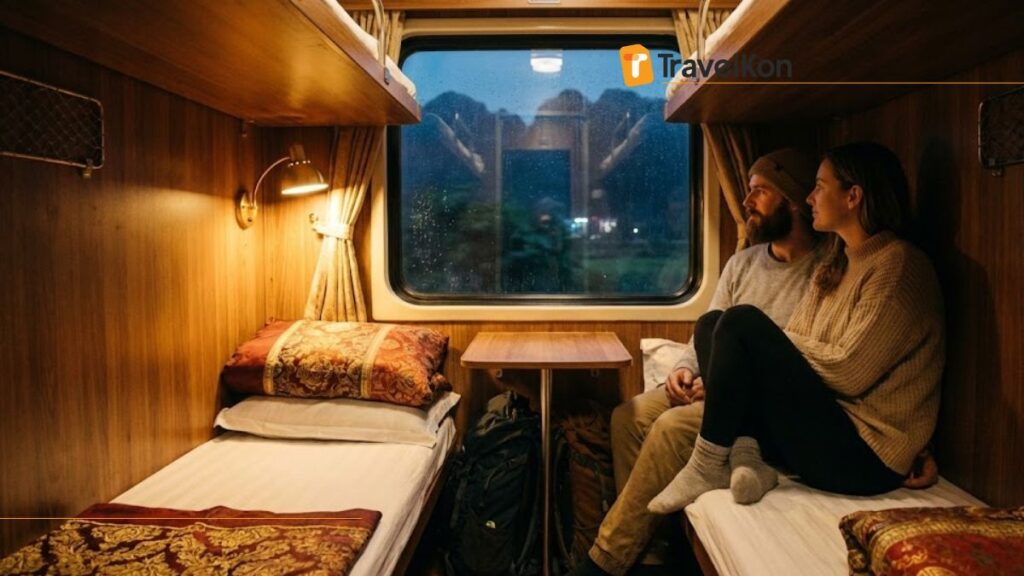
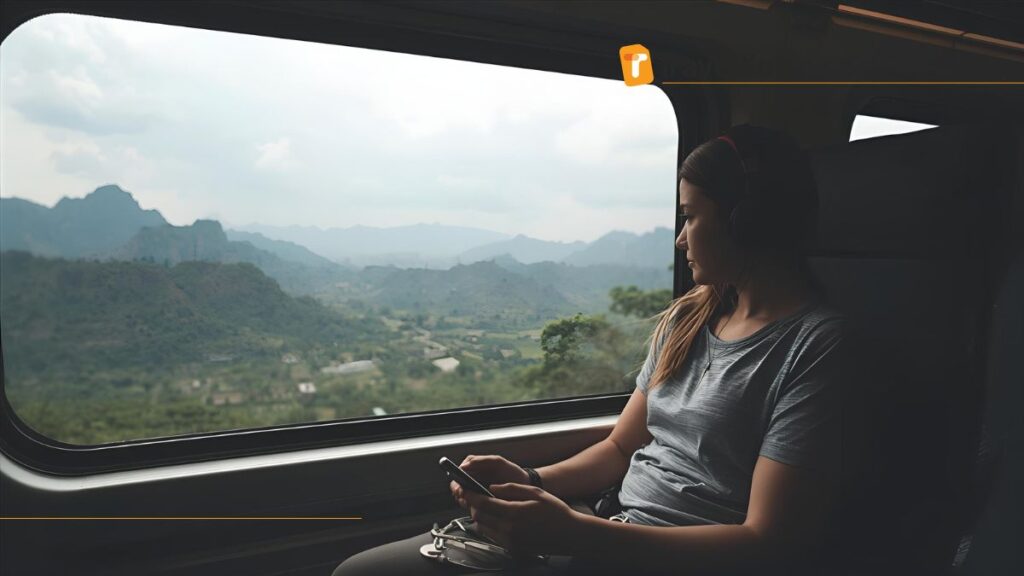
Exploring Vietnam by train offers travellers an authentic glimpse into the country’s stunning landscapes and vibrant culture. Vietnam Railways connects major cities and hidden gems through an extensive network that spans the entire country from north to south. Whether planning a short hop between neighbouring cities or an epic journey along the coast, train travel provides comfort, affordability, and unforgettable views. Staying connected during these adventures is essential, which is why many travellers opt for a Vietnam eSIM to ensure seamless communication throughout their journey. The North-South Railway, Vietnam’s main line, stretches approximately 1,726 kilometres and takes around 30-36 hours to complete in full. This iconic route passes through 20 provinces and offers some of Southeast Asia’s most spectacular coastal and mountain scenery. How Do I Buy an eSIM for Vietnam from Australia Before I Travel? Purchasing an eSIM for Vietnam before departure ensures connectivity from the moment of arrival. The process takes only minutes and eliminates the hassle of finding local SIM cards upon landing. Australian travellers can complete the entire purchase online before leaving home. The steps to purchase and activate an eSIM are straightforward: This digital solution means no physical SIM card swapping and no searching for mobile shops. The eSIM activates automatically when entering Vietnam, providing immediate access to local networks for navigation, bookings, and social media updates. What Should I Know About Vietnam Railways Sleeper Train Services? Sleeper trains represent the most comfortable way to cover long distances across Vietnam overnight. These services feature air-conditioned cabins with beds, allowing travellers to save on accommodation costs whilst moving between destinations. The experience combines practical travel with cultural immersion as passengers share journeys with locals and fellow adventurers. Booking sleeper train tickets requires some planning: The value of sleeper trains extends beyond mere transportation. Passengers wake up in a new city without losing daytime hours, saving both time and money. The gentle rocking motion and rhythmic sounds create a surprisingly peaceful sleeping environment for most travellers. How Popular Is the Vietnam Railways Route from Hanoi to Ninh Binh? The Hanoi to Ninh Binh route ranks among Vietnam’s most frequently travelled short-distance journeys. This two-hour trip attracts hundreds of daily passengers heading to the stunning karst landscapes and ancient temples of Ninh Binh province. The route’s popularity stems from its convenience and the incredible destinations awaiting at journey’s end. Scenic highlights along this route include: Ninh Binh itself serves as the gateway to remarkable attractions. Tam Coc features serene boat rides through caves and between limestone cliffs. Trang An UNESCO World Heritage Site offers similar water-based exploration with added historical significance. Bai Dinh Pagoda, Southeast Asia’s largest Buddhist complex, provides spiritual and architectural wonder. What Makes the Vietnam Railways Journey from Da Nang to Hanoi Special? This 763-kilometre journey represents one of Vietnam’s most spectacular train routes. The Da Nang to Hanoi trip typically takes 14-17 hours and traverses some of the country’s most diverse landscapes. Travellers consistently rate this route as a highlight of their Vietnamese adventures due to the constantly changing vistas. The journey’s visual feast includes: Hanoi awaits with its chaotic charm and historical significance. The Old Quarter’s narrow streets burst with street food vendors and traditional shops. Hoan Kiem Lake offers peaceful respite in the city centre whilst the Temple of Literature provides glimpses into Vietnam’s scholarly heritage. Is the Vietnam Railways Route from Da Nang to Ho Chi Minh City Worth Taking? This southbound journey covers approximately 935 kilometres over 17-20 hours. The Da Nang to Ho Chi Minh route is tremendously popular with both domestic and international travellers seeking to experience Vietnam’s length without flying. The route showcases the country’s remarkable geographical diversity in a single journey. Passengers witness remarkable scenery throughout: Ho Chi Minh City, formerly Saigon, pulses with energy and modernity. The War Remnants Museum and Reunification Palace offer sobering historical perspectives. Ben Thanh Market provides shopping and street food adventures whilst the Cu Chi Tunnels reveal the ingenuity of wartime Vietnam. How Scenic Is the Train Journey from Hanoi to Sapa? Whilst Vietnam Railways doesn’t operate direct trains to Sapa town, overnight trains from Hanoi to Lao Cai serve as the gateway. This popular route takes 8-9 hours and deposits travellers at the mountain town of Lao Cai, where minibuses complete the final hour to Sapa. The journey has become iconic among backpackers and luxury travellers alike seeking Vietnam’s mountainous northwest. The overnight journey features: Sapa itself sits at 1,500 metres elevation amidst the Hoang Lien Son mountains. The town serves as base camp for trekking through terraced rice paddies where local ethnic minority groups including Hmong and Dao people maintain traditional lifestyles. Fansipan, Vietnam’s highest peak, challenges adventurous trekkers or can be reached via cable car. Why Do Travellers Love the Hue to Da Nang Vietnam Railways Route? This short but spectacular journey spans just 105 kilometres over 2.5-3 hours. The Hue to Da Nang route consistently appears on lists of the world’s most scenic train journeys despite its brevity. The concentration of dramatic coastal and mountain scenery makes every minute worthwhile. The route’s highlights captivate passengers: Da Nang combines beach resort amenities with cultural attractions. My Khe Beach offers kilometres of white sand and gentle waves. The Marble Mountains feature Buddhist sanctuaries within natural caves whilst the Dragon Bridge breathes fire on weekend evenings. What Attractions Await Along the Hanoi to Hue Vietnam Railways Route? This 688-kilometre journey takes approximately 13-14 hours through central and northern Vietnam. The Hanoi to Hue route serves as an excellent way to reach Vietnam’s former imperial capital whilst experiencing the countryside. The journey’s popularity has grown as travellers discover the value of overnight train travel. The route traverses varied landscapes: Hue enchants visitors with imperial grandeur and spiritual significance. The Imperial City’s palaces and temples showcase Nguyen Dynasty architecture whilst royal tombs scattered along the Perfume River blend natural beauty with historical importance. The city’s cuisine, particularly bun bo Hue, ranks among Vietnam’s finest regional specialities. How Quick Is the

Vietnam Railways Revealed, Epic Train Journeys with TravelKon Vietnam eSIM Read More »

Vietnam Motorbike Tours resting

Thrilling Vietnam Motorbike Tours: Scenic Routes, Essential Tips & Licensing Facts

Vietnam Motorbike Tours offer one of the most thrilling ways to explore Southeast Asia’s diverse landscapes. Riding through misty mountain passes, coastal highways, and rural villages creates unforgettable memories. The freedom of two wheels lets travellers discover hidden gems beyond typical tourist circuits. Many adventurers rank Vietnam among the world’s top destinations for motorbike exploration. Staying connected during these journeys matters, which is why securing a reliable Vietnam eSIM before departure ensures seamless navigation and communication throughout the trip. Research shows that 78% of motorbike tour participants rate their Vietnamese riding experience as life-changing, with the Ha Giang Loop consistently ranking as Asia’s most scenic multi-day motorcycle route. What’s the Cheapest eSIM Vietnam Option for Travellers? Budget-conscious riders need reliable connectivity without breaking the bank. TravelKon offers competitive eSIM for Vietnam that activates instantly upon arrival. Digital SIMs eliminate the hassle of physical card swaps and airport queues. Key features to consider when choosing affordable connectivity: Travellers save both time and money by sorting connectivity before wheels hit Vietnamese roads. Real-time GPS navigation becomes essential when exploring unfamiliar mountain passes and rural byways. How Do Vietnam Motorbike Tours Deliver Unforgettable Adventures? The thrill of Vietnam motorbike adventures stems from incredible landscape diversity. Northern mountains present dramatic limestone karsts and terraced rice fields. Central regions showcase colonial architecture and pristine coastlines. Southern routes wind through lush Mekong Delta waterways. Riders experience authentic Vietnamese culture firsthand: The social aspect enhances every journey. Fellow riders share tips, stories, and camaraderie at evening stops. Many friendships forged on Vietnamese roads last far beyond the trip itself. What Vietnam Motorbike Rental Tips Should Riders Know? Choosing the right rental requires careful consideration. Reputable shops maintain well-serviced bikes and provide proper documentation. Avoid deals that seem suspiciously cheap as they often involve poorly maintained vehicles. Essential rental considerations before signing contracts: During the rental period, riders should check oil levels daily and monitor tyre pressure regularly. Keeping bikes clean prevents dirt buildup in crucial components. Always lock bikes securely and never leave valuables in storage compartments. Which Vietnam Motorbike Routes Offer the Best Value Travel? The Ha Giang Loop stands as Vietnam’s most legendary multi-day route. This northern circuit spans 300 kilometres through Dong Van Karst Plateau Geopark. Riders traverse Ma Pi Leng Pass, often called Vietnam’s most spectacular road. Top routes combining stunning scenery with cultural immersion: Each route presents unique challenges and rewards. Mountain passes demand technical skills whilst delta roads offer relaxed cruising. Budget travellers find excellent value as accommodation and meals cost significantly less in rural areas. What Preparations Make Vietnam Motorbike Tours Successful? Proper preparation transforms good trips into extraordinary adventures. Physical fitness matters as hours in the saddle demand stamina. Mental readiness helps riders handle unexpected situations calmly. Critical items for comprehensive trip preparation: Riders should research accommodation options along planned routes. Booking flexibility allows spontaneous detour decisions. Learning basic Vietnamese phrases enhances local interactions and problem-solving capabilities. Can Foreigners Legally Ride Motorbikes in Vietnam? Foreign riders need proper licensing to legally operate motorbikes in Vietnam. The country officially requires an International Driving Permit with motorcycle endorsement. Vietnamese law technically prohibits riding on tourist visas without proper documentation. Licensing requirements and practical considerations: Many travellers ride without proper licensing but face significant risks. Police checkpoints increasingly target foreign riders, especially in tourist hotspots. Fines range from modest to substantial depending on location and circumstances. Most importantly, inadequate licensing creates legal complications during accidents involving injuries or property damage. Smart riders obtain proper documentation before departure. Processing International Driving Permits takes minimal effort through automobile associations. The peace of mind knowing everything remains legal and insured outweighs any bureaucratic inconvenience. Vietnam Motorbike Tours create lifetime memories through perfect combinations of adventure, culture, and natural beauty. Proper preparation including securing the best eSIM for Vietnam ensures riders stay connected throughout their journeys. Whether tackling legendary mountain passes or cruising coastal highways, Vietnam’s roads promise unforgettable experiences for every two-wheeled adventurer.

Thrilling Vietnam Motorbike Tours: Scenic Routes, Essential Tips & Licensing Facts Read More »

0
    0
    Your Cart
    Your cart is emptyReturn to Shop