
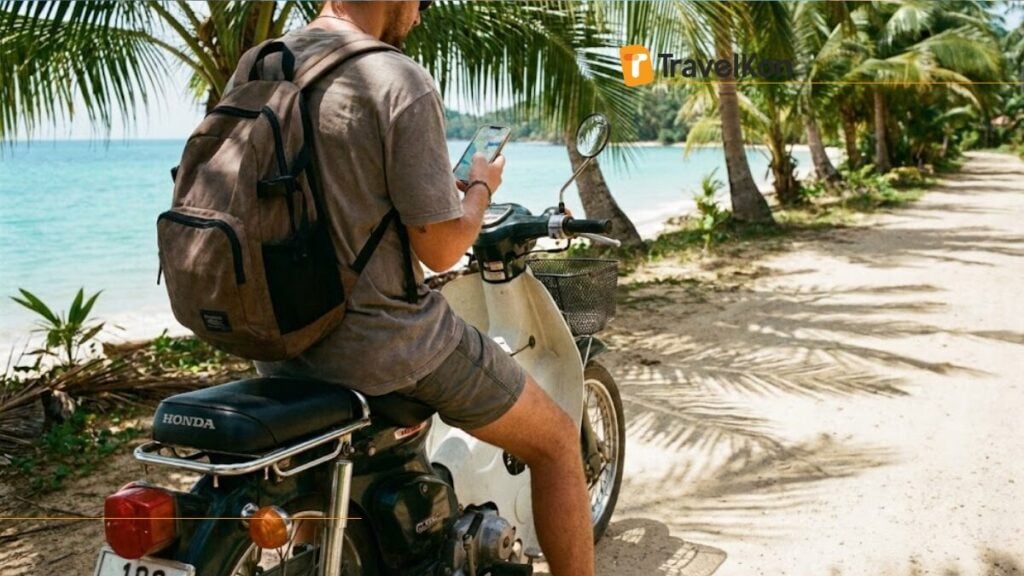
- Koh Yao Yai island Thailand sits in Phang Nga Bay, midway between Phuket and Krabi, less developed than either, with a rhythm that revolves around fishing villages rather than tourism.
- Getting to Koh Yao Yai from Phuket takes 30-40 minutes by speedboat or longtail, with ferries running several times daily from Bang Rong Pier on Phuket’s northeast coast.
- Mobile connectivity on the island is functional but inconsistent in remote areas, so having a thailand esim sorted before arrival keeps you connected without hunting for SIM cards on a quiet island.
Koh Yao Yai is not a party island, not a backpacker hub, and not a resort destination in the way Phuket or Koh Samui are. It’s a working fishing island where tourism exists as a side industry rather than the primary economy. The beaches are undeveloped, the villages are functional rather than scenic, and the infrastructure caters to locals first and visitors second.
For travelers seeking an alternative to Thailand’s more developed islands, Koh Yao Yai offers something increasingly rare: a place where Thai island life continues largely unchanged by mass tourism. The trade-off is that amenities are limited, activities are self-directed, and expectations need adjusting. This isn’t a destination where you show up and entertainment finds you.
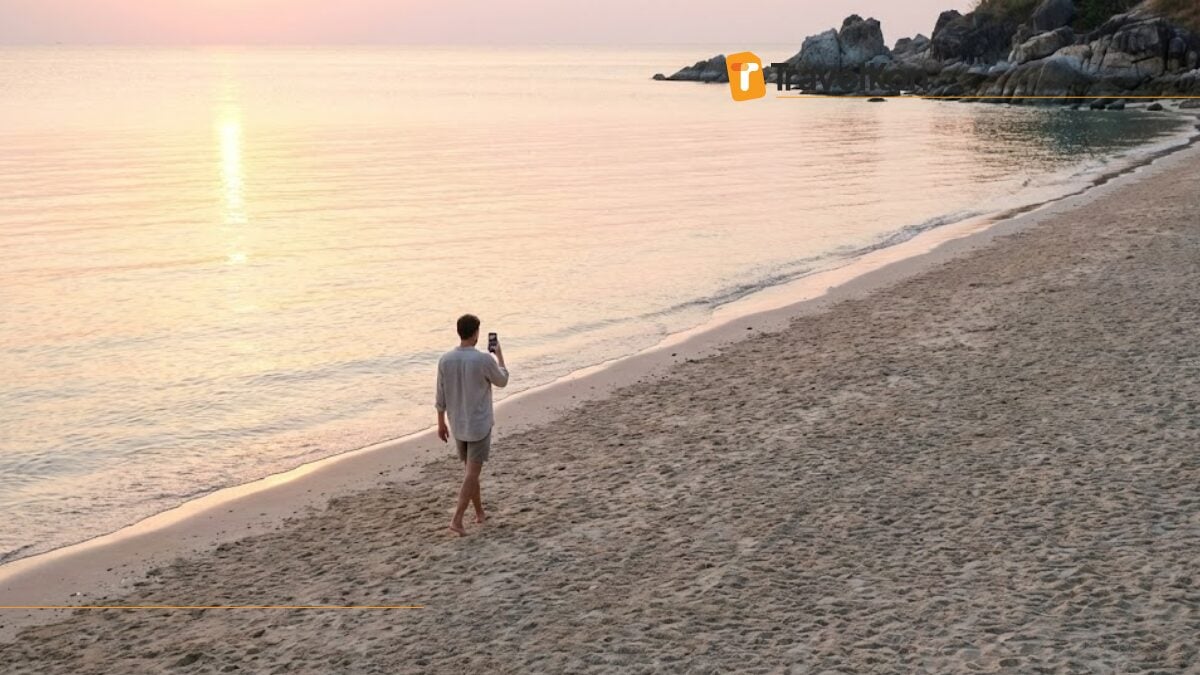

Why Koh Yao Yai Differs from Other Thai Islands
Compared to neighboring islands, Koh Yao Yai occupies a distinct position. It’s quieter than Phuket, less developed than Koh Phi Phi, and more local than Koh Lanta. The smaller neighboring island, Koh Yao Noi, is slightly more tourist-oriented with more accommodation options, though both islands share a similar low-key character.
What draws people here is the absence of what defines other Thai islands — no beach clubs, no fire shows, no organized pub crawls, and minimal nightlife beyond a few quiet bars. The rhythm is slower, the crowds are thinner, and the experience depends more on what you bring to it than what’s provided for you. For couples, slow travelers, and backpackers comfortable with quiet, Koh Yao Yai delivers. For anyone needing constant activity or social scenes, it won’t.
Where to Go on Koh Yao Yai (Main Areas)
Laem Sai Beach (Northeast Coast)
Laem Sai is Koh Yao Yai’s longest accessible beach. The sand is coarse, the water is calm, and the beach is mostly empty outside of a few resort areas. Sunrise here is clear and unobstructed, making early morning walks worthwhile if you’re staying nearby.
The beach suits people who want space over amenities. There are no beach vendors, no chair rentals, and minimal shade. Bring your own water and snacks.
Tha Khao Bay (Main Ferry Port)
Tha Khao Bay is where most ferries arrive, making it the island’s functional center. The area has a few guesthouses, restaurants, and small shops. The bay itself is working waterfront rather than swimming beach.
This area suits travelers who prioritize ferry access over beach proximity. It’s practical rather than scenic.
Pasai Area (Southern Beaches)
The southern part holds some of Koh Yao Yai’s better beaches and mid-range resorts. The area is spread out, quiet, and requires scooter access. Swimming conditions are good during high tide.
This suits couples and slow travelers wanting beach access with isolation. The trade-off is distance from the ferry pier.
Klong Jark Pier (Northwest Access Point)
This is the departure point for boats to Koh Yao Noi. The area itself is functional rather than destination-worthy, but useful for planning day trips.
Interior Villages (Local Life)
The interior villages are where most residents live and work. Rubber plantations, small farms, and local shops dominate. These areas offer context for understanding that Koh Yao Yai is a working island first.
What There Is to Do Beyond Beaches
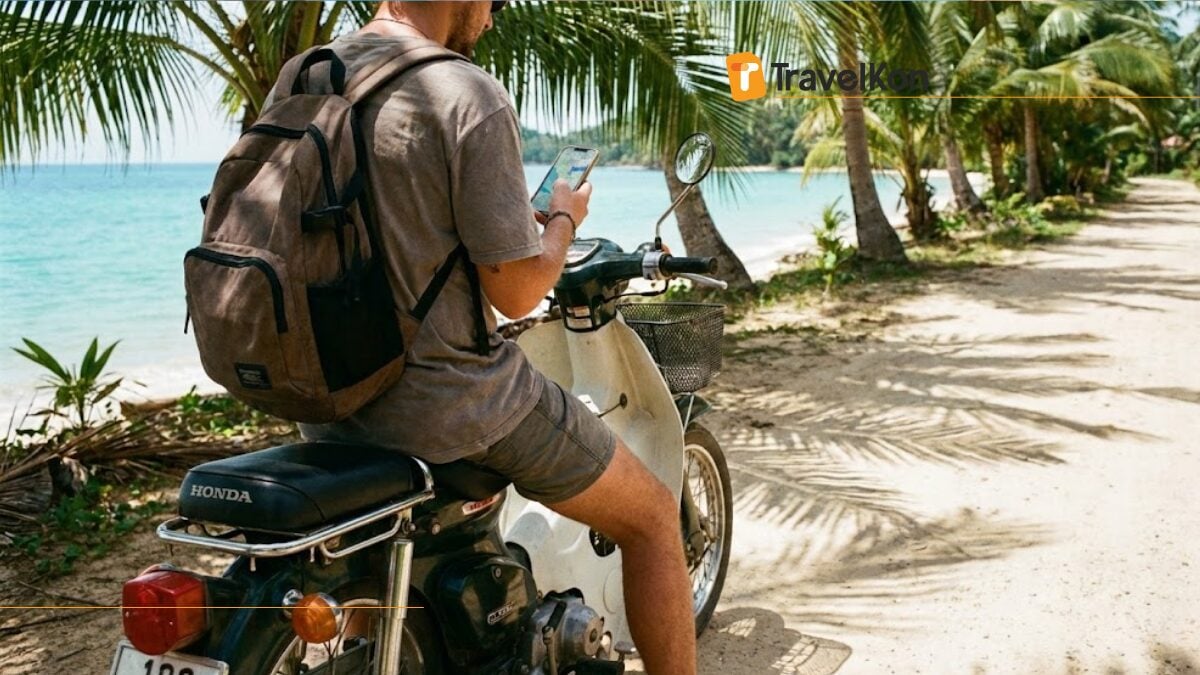
Koh Yao Yai’s activities are self-directed. Renting a scooter and exploring the island’s roads takes a few hours and reveals the island’s character — rubber trees, small mosques, roadside fruit stands, and villages where tourism barely registers. There are viewpoints along the coast offering perspectives on Phang Nga Bay’s limestone karsts.
Kayaking works well here, either rented independently or arranged through guesthouses. The waters are calm, and paddling along the coast is straightforward. Snorkeling is available but unremarkable — visibility varies, and reef quality doesn’t match Thailand’s better snorkeling destinations.
The rhythm is genuinely slow. Mornings involve beach walks or scooter rides, afternoons are for reading or swimming, and evenings center on meals and sunset. If you need structured activities, the island won’t provide it.
Food Reality on Koh Yao Yai
Eating on Koh Yao Yai means adapting to limited options. Small restaurants in villages serve standard Thai dishes for 60-120 baht per meal. The food is consistent and unpretentious, cooked for locals and priced accordingly.
Resort restaurants charge more (150-300 baht per dish) and offer wider menus including Western options. Fresh seafood is available and generally well-prepared, particularly at beachfront restaurants where grilled fish is standard.
There’s no street food scene, no night markets, and no food delivery. Planning meals around location and operating hours becomes part of the routine.
Koh Yao Yai Accommodation (Where to Stay)
Koh Yao yai accommodation ranges from basic guesthouses (600-1200 baht per night) to mid-range resorts (2000-5000 baht per night). Budget options cluster near Tha Khao Bay for ferry access. Beach resorts concentrate on the east and south coasts.
Staying near Tha Khao Bay trades beach proximity for practicality. Staying at southern beach resorts trades convenience for quieter beach access. There’s no area that offers both.
Most accommodation includes basic WiFi, though speeds vary. Air conditioning is standard in mid-range places, fans only in budget options.
When to Visit (Seasons and Timing)
November through March offers the most reliable weather — dry, comfortable temperatures, calm seas. This is peak season, so prices are higher. April and May bring heat and humidity but fewer visitors.
June through October is monsoon season. Rain doesn’t mean constant downpours, but ferry schedules become less reliable, some businesses close, and swimming conditions deteriorate. Low season offers significant savings but with real trade-offs.
Getting There and Getting Around
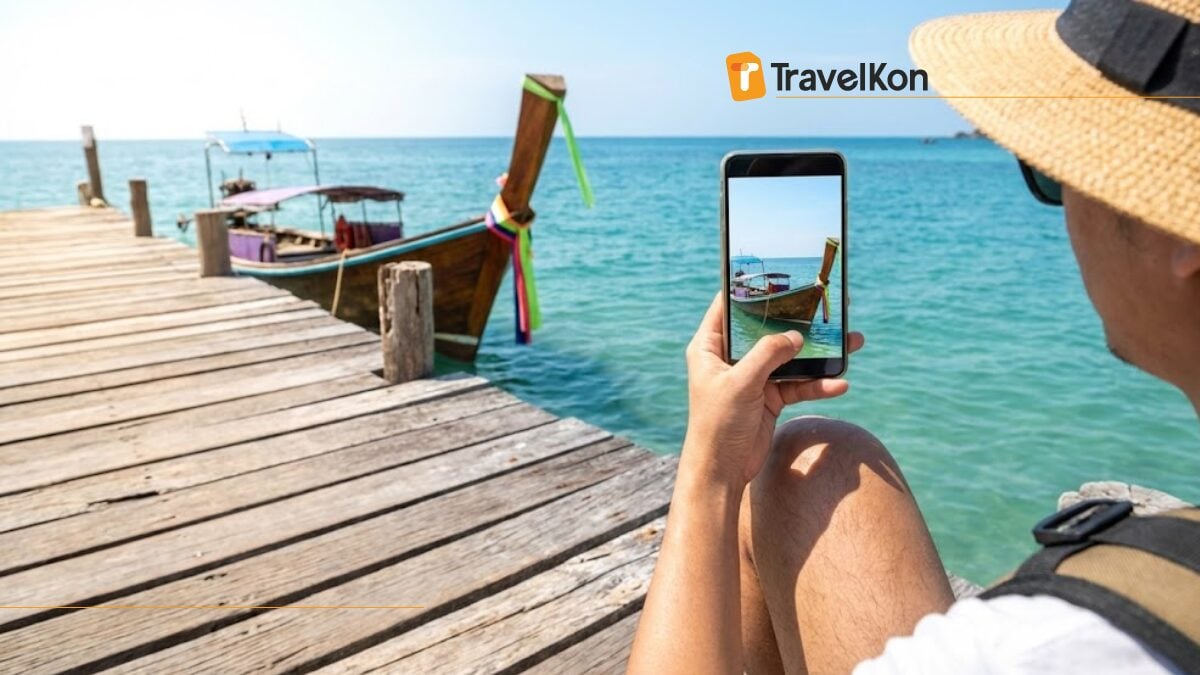
Reaching Koh Yao Yai from Phuket requires getting to Bang Rong Pier on Phuket’s northeast coast, then taking a speedboat (30 minutes, 200-300 baht) or longtail (40-50 minutes, 150-200 baht). Ferries run multiple times daily. From Krabi, boats leave from Tha Len Pier.
On the island, renting a scooter (200-300 baht per day) is practically essential unless you’re staying at a resort and never leaving. The roads are basic but manageable, traffic is minimal. Songthaews exist but run infrequently.
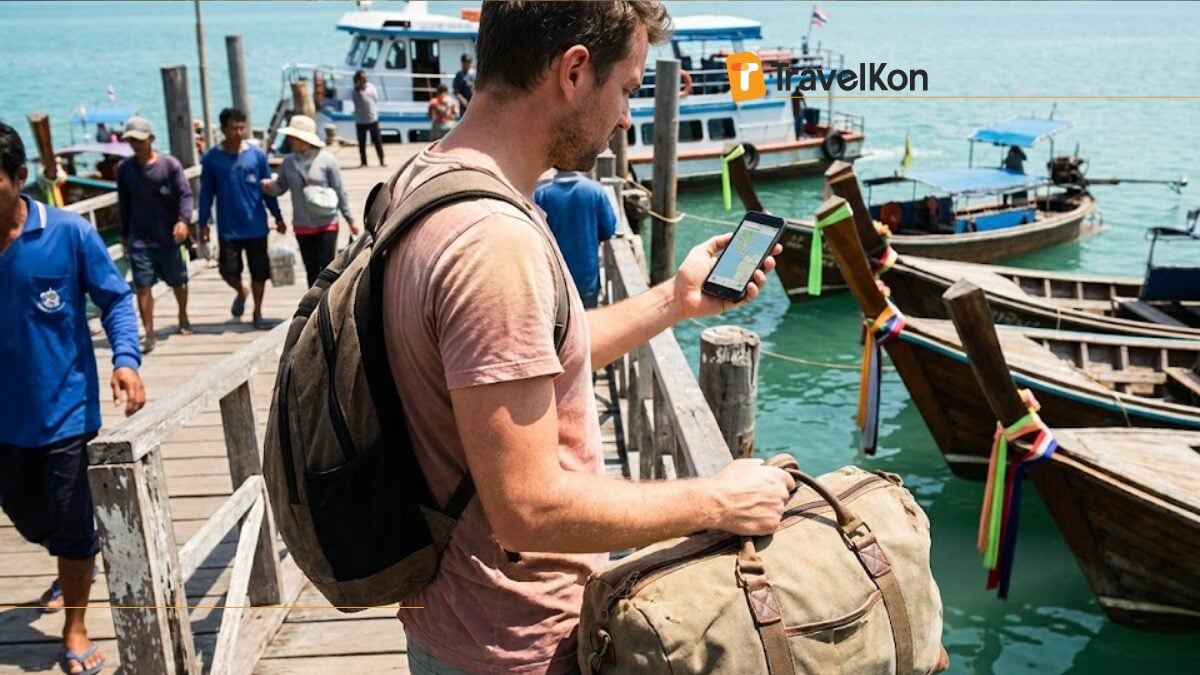
Having working mobile data matters more on a quiet island than in a city. Google Maps helps with navigation, restaurant searches, and ferry schedule checks. An unlimited data esim for thailand tourist activated before arrival means you’re not dependent on spotty resort WiFi.
Bring cash — ATMs are limited and card acceptance is rare outside resorts.
Who Koh Yao Yai Suits (and Doesn’t)
Koh Yao Yai works for couples seeking quiet beach time without resort crowds, slow travelers comfortable with limited activities, and backpackers who prefer isolation over social scenes. If you’re satisfied with simple beaches, scooter exploration, and unstructured days, the island delivers what it promises.
It doesn’t suit travelers who need nightlife, constant entertainment, or extensive dining options. It’s not ideal for first-time Thailand visitors who want the full spectrum of Thai island experiences in one place. And it won’t work for anyone uncomfortable with basic infrastructure or requiring specific amenities.
What Koh Yao Yai Actually Offers
Koh Yao Yai island Thailand provides an alternative to Thailand’s more developed islands — quieter, less commercialized, and more connected to local life than tourist infrastructure. The appeal is genuine but specific: it suits people who value quiet over activity, simplicity over variety, and who understand that “undeveloped” means both charm and limitation. Visit with appropriate expectations, and the island works. Arrive expecting Phuket without the crowds, and you’ll be disappointed.

