

- The things to do in Sri Lanka span eight UNESCO World Heritage Sites, whale watching, leopard safaris, surf breaks, and one of the more scenic train routes in Asia; all within a compact island.
- Places to visit in Sri Lanka divide naturally into four zones: the Cultural Triangle, the south and west coast, the Hill Country, and the east coast; each with a distinct best season.
- What activities to do in Sri Lanka depends more on when you arrive than what you prefer; the monsoon calendar shapes which coast and which experiences are viable in any given month.
Sri Lanka is a small island with an unusually wide range of experiences packed into a manageable geography. Most visitors can move between a beach, a colonial fort, a wildlife park, and a highland tea estate within a few days of each other without excessive transit. That density of experience is why it works well for first-time visitors, couples, backpackers, and slow travellers who want depth without covering thousands of kilometres.
An eSim Sri Lanka Unlimited Data plan is worth arranging before departure, particularly if your itinerary moves between cities, beaches, and rural highland areas. Coverage varies between providers; some plans that perform well in Colombo drop signal in the Hill Country or along the east coast. Checking coverage maps for your planned route before committing saves the most common connectivity frustration on the ground.


Top Things to Do in Sri Lanka for First-Time Visitors
The island’s appeal comes from how much variety fits within a short distance. A ten-day itinerary can reasonably include a colonial city, a surf beach, a highland train journey, and a leopard safari without feeling rushed. Core experiences that define a first visit:
- Climbing Sigiriya Rock Fortress at sunrise before day-tour crowds arrive
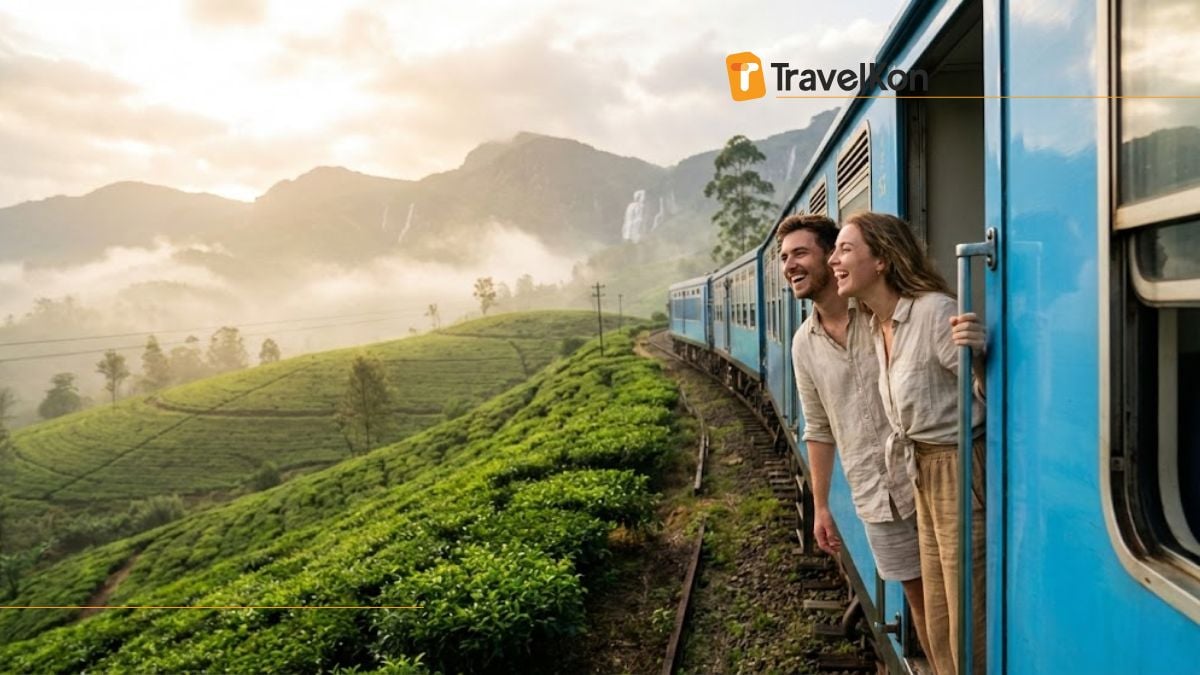
- Taking the slow train from Kandy to Ella through tea estate country
- Whale watching off Mirissa between December and March
- Walking Galle Fort in the early morning before the heat builds
- Spotting leopards on a jeep safari at Yala National Park
- Snorkeling at Pigeon Island near Trincomalee on the east coast
- Watching nesting turtles at Rekawa Beach after dark
These experiences cover the main pillars of what Sri Lanka offers: history, wildlife, coast, and landscape. They are not equally accessible in every month, and understanding the seasonal split before building an itinerary is what separates a well-planned first visit from one that misses key windows.
Explore Ancient Cities and Cultural Heritage Sites
Sri Lanka has a concentrated collection of ancient Buddhist and Hindu sites accessible without specialist knowledge. The Cultural Triangle in the north-central region holds the most significant cluster within reasonable driving distance of each other. Early morning visits to Sigiriya and Polonnaruwa are practical choices; the heat by mid-morning makes extended walking uncomfortable. Temple etiquette; covered shoulders, legs, and removed shoes; is enforced at most entrances.
Key cultural destinations to prioritise:
- Sigiriya: 5th-century rock fortress with summit frescoes; USD 30 entrance; best visited by 7am
- Polonnaruwa: Compact medieval royal city with intact Buddha statues; easier to cover than Anuradhapura
- Anuradhapura: Sri Lanka’s oldest ancient city; enormous site requiring at least half a day and a hired bicycle
- Dambulla Cave Temple: Five caves with over 150 Buddha statues; a practical stop between Sigiriya and Kandy
- Galle Fort: Dutch colonial walled city on the south coast; UNESCO-listed; best experienced on foot
The Cultural Triangle is most comfortable between May and September. It is accessible year-round, but December to March brings heavier visitor traffic, particularly at Sigiriya.
Enjoy Beaches and Coastal Experiences
The coastal experiences split clearly between the developed south and west coast and the quieter east coast. The south suits travellers who want reliable facilities and easy access from Colombo. The east suits those who want quieter beaches, better surf, and a more independent experience.
Recommended beach destinations and activities:
- Mirissa (south): Whale watching, relaxed beach days; best December to March
- Unawatuna (south): Calm swimming bay near Galle, good for families; best November to April
- Weligama (south): Beginner surf lessons, fishing town atmosphere; best November to March
- Hikkaduwa (west): Reef snorkeling, sea turtle encounters, easy train access; best November to April
- Arugam Bay (east): Right-hand point break, surf community; best May to September
- Nilaveli (east): Wide calm bay, Pigeon Island snorkeling, quieter than the south; best April to September
- Tangalle (south): Longer exposed beaches, turtle nesting at Rekawa; best December to April
What should I not miss in Sri Lanka on the coast? The whale watching window off Mirissa is the most time-specific experience and worth prioritising if your dates align with December through March.
Discover the Hill Country and Scenic Train Journey
The central highlands around Kandy, Ella, and Nuwara Eliya offer a genuinely different experience from the coast. Elevation reduces temperature, the landscape shifts from palms to tea bushes, and the pace is slower than the beach hubs.
The train between Kandy and Ella via Nanu Oya takes around six hours through tea estates, waterfalls, and mountain tunnels. Observation car seats are limited and book out well in advance; arranging this before arrival is necessary during peak season rather than an optional upgrade.
Key hill country stops to include:
- Kandy: Temple of the Tooth Relic, Royal Botanical Gardens at Peradeniya; one to two nights
- Ella: Small town with hikes to Little Adam’s Peak and Ella Rock; worth two to three nights as a base
- Nuwara Eliya: Colonial hill station at 1,868 metres, tea estate visits, Horton Plains access
- Horton Plains: High plateau walk to World’s End cliff edge; visit early morning before cloud arrives
The Hill Country is most comfortable and visually clear between January and April. The southwest monsoon from May brings cloud to the highlands, though the landscape turns lush green, which has its own character for slow travellers who do not mind mist.

Go on a Wildlife Safari
Sri Lanka is one of the more accessible safari destinations in Asia. The parks are within a few hours of major tourist centres, and wildlife density relative to park size means sightings are more consistent than in many larger destinations.
Recommended national parks by season and focus:
- Yala (south): Best for leopards; February to July is optimal; dry conditions concentrate animals near water
- Udawalawe (south-central): Best for elephant herds; reliable year-round; one of the most consistent elephant parks in Asia
- Minneriya and Kaudulla (Cultural Triangle): Best for the elephant gathering; June to October, peaking in July and August
- Kumana (east coast): Good for leopards and birdlife; April to July; pairs well with Arugam Bay
- Bundala (south coast lagoons): Flamingos and wading birds; November to March
Morning departures produce the most sightings across all parks. Group jeeps are cheaper; private jeeps offer more flexibility on pace and photography positioning.
Choose Activities Based on Your Travel Style
The mistake most first-time visitors make is trying to cover too much within too short a window. Two to three nights per region works better than moving every day.
Example activity combinations for different travel styles:
- Backpacker on 10 days: Galle Fort, south coast beaches, Ella, Kandy, Sigiriya; skip the east coast unless extending to 14 days
- Couple on 10 days: Colombo one night, Galle two nights, Mirissa two nights, Ella two nights, Kandy one night, Sigiriya one night
- Slow traveller on 14 days: Base in Galle three nights, Ella four nights, Cultural Triangle three nights; add Arugam Bay if travelling May to September
- Wildlife-focused: Udawalawe, Yala, Minneriya in gathering season; combine with Sigiriya and Kandy
- Culture-first: Colombo, Galle Fort, Kandy, Dambulla, Sigiriya, Polonnaruwa, Anuradhapura; two weeks minimum
Balancing culture, nature, and coast in a single trip is achievable in ten to fourteen days. The structure that works best for most first-time visitors is a coast, highlands, and Cultural Triangle sequence rather than moving daily between disconnected areas.
Planning an Itinerary That Works
Sri Lanka rewards visitors who match their activities to the season and allow enough time in each place to understand it. The island is small, but it is not a destination that benefits from being rushed.
For those moving between regions frequently, consistent data access matters more than it might seem; for navigation, transport schedules, and adjusting bookings when plans shift. A Sri Lanka eSim Travel plan sorted before departure keeps you connected across the different coverage areas you will pass through, from Colombo to the Hill Country to the east coast.
The travellers who leave Sri Lanka with the clearest sense of what the island is are the ones who chose fewer things and stayed longer, rather than trying to check every category in a single trip. The activities are there; the planning determines whether you experience them or simply pass through them.

