A July trip to Thailand can move quickly from simple holiday mode into real-time problem-solving. One minute, the plan is Suvarnabhumi Airport to Bangkok. The next, it is a Grab or Bolt pickup, a hotel message, a domestic flight to Ubon Ratchathani, a rainy-season tour update and a candle procession that needs maps, translation and photo sharing all at once.
And that is exactly why mobile data deserves more thought before departure. So before choosing between airport queues, local counters and digital activation, Australian travellers should consider the advantages a Thailand eSIM plan can offer.
Besides, Thailand is already a mobile-first travel destination. The country had 96.6 million active cellular mobile connections in late 2025, equal to 135% of the population. For tourists, mobile data is not just for scrolling because it’s needed for airport transfers, ride-hailing, maps, bookings, translation, weather alerts, hotel messages and last-minute transport checks.
Should You Buy a Thailand SIM Card or eSIM for July?
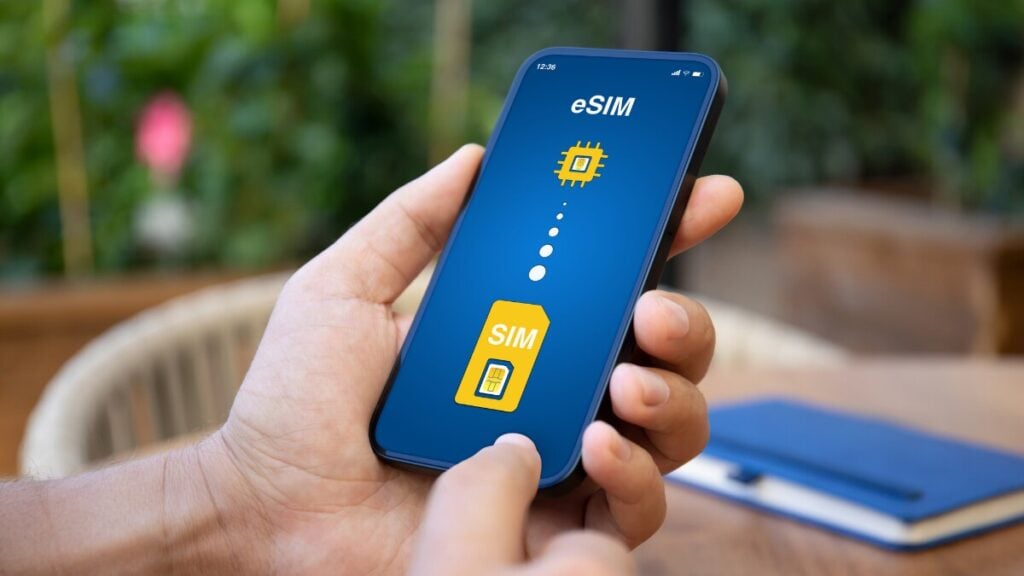
For most Australian tourists visiting Thailand in July, a Thailand eSIM is the better choice if the phone supports eSIM and the trip mainly needs mobile data. It can be installed before leaving Australia, used after arrival and kept separate from the Australian SIM.
That is a win because the first data need often happens before the holiday properly starts. At Suvarnabhumi Airport, travellers may need to message a hotel, confirm a domestic connection, find a ride-hailing pickup point, check a booking, translate instructions or update family back home. A pre-installed eSIM removes one more task from arrival day.
However, when your phone does not support eSIM, a local Thai number is needed, or a removable SIM feels easier, a physical Thailand SIM will make more sense. And if the itinerary includes Thailand plus Vietnam, Malaysia, Singapore, Indonesia or Cambodia, we’d recommend our Southeast Asia eSIM category as the best option.
What Is the Difference Between a Thailand SIM Card and eSIM?
Before choosing a Thailand SIM card or eSIM, focus less on the technology itself and more on how each option affects arrival, setup, Australian number access and July travel flexibility.
| Feature | Thailand eSIM | Physical Thailand SIM Card |
|---|---|---|
What it is | A digital SIM profile installed on a compatible phone | A physical plastic SIM inserted into the phone’s SIM tray |
Setup | Installed digitally, usually by scanning a QR code or following setup instructions | Requires inserting the SIM into the phone |
Best for | Travellers who want data ready before arrival and want to keep their Australian SIM in the phone | Travellers with non-eSIM phones or those who prefer a removable SIM |
Australian SIM access | Usually allows the Australian SIM to stay active for banking codes, messages and account verification | May require removing the Australian SIM unless the phone supports dual physical SIMs |
Arrival convenience | Stronger option because setup can often be handled before leaving Australia | Less convenient if the SIM is bought or swapped after landing |
Risk of losing SIM | No physical card to lose once installed | Australian SIM must be stored safely if removed |
Calls and SMS | Depends on the plan; many travel eSIMs are data-only | More likely to suit travellers who need local calls or SMS, depending on the plan |
July event travel | Useful for maps, ride-hailing, hotel messages, translation, weather alerts and Ubon Candle Festival updates | Also useful, but less convenient if setup happens after arrival |
Multi-city travel | Easy for Bangkok, Phuket, Chiang Mai and Ubon if the plan has suitable coverage and data | Works well once installed, but swapping SIMs can add friction |
Main drawback | Requires an eSIM-compatible, unlocked phone | Requires a SIM slot, physical handling and safe storage of the Australian SIM |
For most Australian travellers, the biggest advantage of a Thailand eSIM is that it can let the Australian SIM stay in the phone while the travel data line handles maps, transport, browsing and messaging. That is essential when bank verification codes, airline updates, family messages and account logins still rely on the Australian number.
For July travel, that convenience becomes more useful. Ubon Candle Festival can involve domestic flights, regional transport, temple visits, crowded procession routes, hotel coordination, ride-hailing pickup zones and rainy-season changes. A working data line from arrival reduces the small problems that can stack up during a busy trip.
Which TravelKon Option Should You Choose for Your July Thailand Itinerary?
The best choice depends on the route, phone compatibility and how heavily the phone will be used.
| Traveller Type | Best Fit | Why |
|---|---|---|
Bangkok, Phuket or Chiang Mai only | Thailand eSIM | Fast setup, no airport SIM queue, good for maps, messaging and ride-hailing |
Bangkok plus Ubon Candle Festival | Thailand eSIM with a larger data allowance | Event days create heavier use through maps, translation, photos, video and transport checks |
Older phone without eSIM support | Physical Thailand SIM card | Required if the device cannot install an eSIM |
Traveller who needs Thai calls or SMS | Physical Thailand SIM or selected plan with voice/SMS | Many travel eSIMs are data-only |
Thailand plus nearby countries | Southeast Asia regional eSIM | Simpler than switching country-specific plans |
Traveller who prefers a removable SIM | Physical Thailand SIM card | Easier for those who want a physical card |
Heavy video, hotspot or work use | Larger or unlimited data Thailand eSIM | Better fit for high data use, subject to fair-use terms |
How Much Data Do You Need for the Ubon Candle Festival?
The Ubon Ratchathani Candle Festival runs from 28–30 July 2026, with candle gathering at Thung Si Mueang on 28 July and day-and-night candle processions on 29–30 July. The event overlaps with Asahna Bucha and Khao Phansa, so travellers should expect a more active local rhythm around temples, public holidays, accommodation, opening hours and transport.
Data use during the festival depends less on casual browsing and more on what the phone has to do in the street.
| Traveller Type | Daily Data Estimate | Typical Usage | Real-World Activities |
|---|---|---|---|
Light Traveller | 1–2GB per day | Essential connectivity only | Google Maps for walking routes, temples, night markets and return transport; messaging hotels or guesthouses about arrival changes; basic translation for menus, signs and driver communication; checking weather alerts before heading out |
Moderate Traveller | 2–4GB per day | Mixed browsing and sharing | Everything in light use plus Grab or Bolt coordination after events; checking restaurants and tour operators; sharing photos and short video clips from markets, parades and temples |
Heavy Traveller | 5GB+ per day (or unlimited plan) | High media and multitasking use | Frequent video uploads and story posting; hotspotting to another device; cloud backups; consistent photo/video sharing; backup transport checks when weather disrupts roads or flights |
When is a Thailand eSIM Better for Bangkok, Phuket, Chiang Mai and Ubon?

A Thailand eSIM is better when convenience, speed of setup and data access matter more than having a local Thai number. For most Australian tourists, that is the normal travel pattern.
Bangkok
After landing at Suvarnabhumi, data becomes useful before proper sightseeing even starts. Ride-hailing pickup zones, hotel messages, currency checks, translation, airport maps and domestic connection updates all happen immediately, so a pre-installed Thailand eSIM gets the phone working straight away.
Phuket
In Phuket, July weather can shift plans quickly. Mobile data helps manage operator messages, pier changes, hotel pickups and local transport. Coverage and speed are location-dependent, especially on islands and beaches, but popular tourist areas are where travel eSIMs tend to be most useful.
Chiang Mai
In Chiang Mai, data supports temple routes, cafe searches, translation, ride-hailing and wet-weather changes. For trips combining city stays and regional tours, keeping the Australian SIM active while using a Thailand eSIM for data is far simpler than swapping physical SIMs.
Ubon Ratchathani
In Ubon Ratchathani, the need for reliable data ramps up during the Candle Festival. Processions, crowds, temple visits, night markets and constant photo sharing create heavier usage than a typical regional stop, making a Thailand eSIM the easier option from arrival.
When Is a Physical Thailand SIM Card Better?
As mentioned earlier, a physical Thailand SIM card is still the better choice in several cases.
The first is device compatibility. Some older phones do not support eSIM. Some dual-SIM phones support eSIM only in certain regions or only after software updates. If the phone is not eSIM-compatible, a physical Thailand SIM card is the practical option.
The second is when a local number is needed. Many travel eSIMs are data-only. That is fine for WhatsApp, Messenger, iMessage, FaceTime, email, Google Maps and ride-hailing data use, but it may not suit travellers who specifically need local Thai calls or SMS. Always check plan inclusions before buying.
The third is personal preference. Some travellers simply prefer a physical item they can insert, remove and hand to another compatible phone if needed. That can be reasonable for longer trips, less tech-confident travellers or anyone who likes a visible backup.
The downside is timing. Buying a Thailand SIM card after landing can mean queueing, choosing a plan under pressure, handling passport checks, swapping SIMs and keeping the Australian SIM safe. For a simple holiday, that may be acceptable. For a July itinerary that includes Bangkok, Phuket, Chiang Mai and Ubon, it adds friction exactly when the trip already has more moving parts.
A regional physical SIM can also make sense for multi-country routes where eSIM is not suitable. Travellers crossing borders after Thailand should compare our regional physical SIM options before deciding.
Mistakes to Avoid When Buying Thailand Mobile Data in July
The wrong mobile setup rarely ruins a Thailand trip, but it can make the first day harder than it needs to be. Avoid these common mistakes.
Waiting Until Bangkok Airport to Decide
Airport SIM counters can be convenient, but arrival is the worst time to compare options. Buy before departure when possible, especially if there is an onward domestic flight, late arrival or festival connection.
Buying Too Little Data for Event Days
Ubon Candle Festival is not a normal sightseeing day. Maps, ride-hailing, translation, photos, videos and weather checks can increase data use quickly. Choose a larger allowance if the trip includes several event-heavy days.
Assuming Unlimited Means Unrestricted
Unlimited data Thailand eSIM plans can still have fair-use rules. Speed reductions, daily high-speed caps, hotspot limits or network management may apply. Read the plan terms before relying on unlimited data for video uploads or remote work.
Deleting an eSIM Too Early
Do not delete an eSIM unless our support team tells you to do so. Some eSIMs cannot simply be reinstalled after deletion, especially once the QR code has already been used.
Activating the Plan Too Soon
Some plans begin validity when installed. Others begin when connected to a supported network in Thailand. Check the instructions before scanning or activating the eSIM.
Assuming Calls and SMS Are Included
Many travel eSIMs are data-only. Data is enough for most app-based travel needs, but travellers who need local calls or SMS should check plan inclusions carefully.
Forgetting Banking Codes
Keeping the Australian SIM active can help with bank verification, account logins and emergency contact. A Thailand eSIM is useful because it can often handle data while the Australian SIM remains available.
Relying on Public Wi-Fi
Hotel, cafe and airport Wi-Fi can help, but it is not a substitute for mobile data during rainy-season travel. Transport changes, weather alerts and pickup messages often happen while moving.
How to Set Up a TravelKon Thailand eSIM Before Leaving Australia
A Thailand eSIM is easiest to manage when setup happens before the travel day.
Start by checking whether the phone supports eSIM and is unlocked. Then buy the plan, open the setup instructions on a stable Wi-Fi connection and install the eSIM before departure if the plan instructions allow it.
Before leaving Australia, label the eSIM clearly in the phone settings. Names such as Thailand Data or Travel eSIM make it easier to avoid using the wrong line. Keep the Australian SIM as the primary line for calls and messages if banking codes or account verification are needed.
After landing in Thailand, switch mobile data to the Thailand eSIM, follow the plan’s roaming settings and test the connection before leaving the airport. If the phone does not connect immediately, restart the device and check that the correct data line is selected.
Lately, do not delete the eSIM if there is a setup issue. Check the instructions first, because some QR codes cannot be reused once installed. Feel free to reach out to our team if you experience any issues.
FAQs
Is eSIM Better Than a Thailand SIM Card for July Events?
Yes, for most tourists with compatible phones. A Thailand eSIM is usually better for July events because it can be installed before departure, used quickly after landing and kept separate from the Australian SIM. That is useful for Ubon Candle Festival, rainy-season updates, ride-hailing, hotel messages, maps and translation.
A physical Thailand SIM card is better if the phone does not support eSIM or if local calls and SMS are required.
Can I activate a Thailand eSIM before I leave Australia?
A Thailand eSIM can be installed before leaving Australia, but activation timing depends on the plan. Some plans start when installed. Others start when the eSIM connects to a supported network in Thailand.
Read the activation instructions before scanning the QR code. For July trips, install the eSIM while still on stable Wi-Fi, but only activate the plan when the instructions say it is safe to do so.
Can I Buy a Thailand SIM Card at Bangkok Airport?
Yes, travellers can buy a Thailand SIM card at Bangkok airport, including Suvarnabhumi. The drawback is convenience. Arrival is already busy with immigration, baggage, transport, hotel messages and possible onward flights.
Buying before departure is cleaner if the trip moves quickly from Bangkok to Phuket, Chiang Mai or Ubon. It avoids making a data decision while tired and under time pressure.
Will a Thailand eSIM Work in Ubon Ratchathani?
A Thailand eSIM should work in many populated areas where the plan’s network partners have coverage, but performance depends on the phone, plan, local signal, network congestion and exact location.
For the Ubon Candle Festival, install the eSIM before travel, test it after arrival and avoid relying only on public Wi-Fi around processions, night markets or transport pickup points.
How Much Data Do I Need for the Ubon Candle Festival?
For the Ubon Candle Festival, allow more data than a normal sightseeing day. Light use may sit around 1–2GB per day. Moderate use can reach 2–4GB per day. Heavy photo, video, cloud backup or hotspot use needs a larger plan or an unlimited data Thailand eSIM with clear fair-use rules.
The festival runs 28–30 July 2026, so a three-day event block can use data quickly if maps, ride-hailing, translation and media sharing are active throughout the day and evening.
Do Thailand eSIM Plans Include Calls or SMS?
Some Thailand eSIM plans are data-only. Others may include calls or SMS, depending on the product. Do not assume voice or text is included.
Data-only is enough for many travellers because WhatsApp, Messenger, iMessage, FaceTime, email, Google Maps, translation apps and ride-hailing work through mobile data. Travellers who need local Thai calls, hotel phone contact or SMS verification should check inclusions before buying.
Is Unlimited Thailand eSIM Data Really Unlimited?
Unlimited data often comes with fair-use conditions. That may mean reduced speed after a certain usage level, hotspot limits, daily high-speed caps or other restrictions.
For ordinary travel use, an unlimited data Thailand eSIM can still be useful, especially during event-heavy trips.
What is the Best Thailand eSIM for Tourists in July?
The best Thailand eSIM for tourists in July is the one that fits the route, phone and data habits. For Bangkok, Phuket and Chiang Mai, a standard data plan may be enough. For Ubon Candle Festival, rainy-season tours or heavy photo and video sharing, choose a larger allowance or selected unlimited option.
For Thailand-only trips, start with a Thailand eSIM. For Thailand plus nearby countries, a Southeast Asia regional eSIM is usually simpler. For older phones or travellers who prefer a removable card, a physical Thailand SIM card remains the safer choice.
Final Thoughts
July travel in Thailand moves quickly, and the small details often decide how smooth the experience feels. Sorting mobile data before departure gives you control from the moment you land, whether plans shift with the weather or schedules tighten around busy routes.
A TravelKon eSIM keeps things simple and reliable, especially across multiple cities. The focus should be on consistency, not just cost, so you can move, adjust and explore without second-guessing your connection.