You leave Akihabara Station through the wrong gate, the location dot drifts beneath the railway tracks, and the shop saved months ago has moved. Meanwhile, the character figure you wanted may be several floors above street level with only Japanese signage pointing towards it.
Akihabara is central Tokyo’s best-known district for electronics, anime, manga, gaming and maid cafes. Save an offline Akihabara map before visiting, then compare Japan eSIMs if you need mobile data for directions, translation and live price checks. The district rewards a plan, but it does not require an exhausting shop-by-shop itinerary.
Is Akihabara Worth Visiting?
Yes, Akihabara tends to resonate with anime fans, gamers, electronics buyers, and travellers curious about Japanese pop culture. Allow three to four hours for a first visit or six to eight hours when hunting for specific collectables.
Non-anime visitors can browse cameras, keyboards, PC parts, audio equipment and retro technology, then visit Kanda Myojin or the red-brick Manseibashi complex. Akihabara is less rewarding when treated as a checklist of 20 similar shops. Choose one main interest and one secondary interest before arriving.
Why Is Akihabara Famous?
Akihabara developed from a post-war market for radio parts and household electronics. As consumer technology moved towards computers and gaming, specialist retailers followed. Anime, manga, collectables, idol culture and themed cafés later became equally prominent, creating the present mix of technical retail and otaku culture.
Large electronics retailers now sit beside component stalls and character-goods shops, retaining the district’s Electric Town identity.
How to Get There and Choose the Right Station Exit
JR Akihabara Station serves the Yamanote, Keihin-Tohoku and Chuo-Sobu lines. The Tokyo Metro Hibiya Line and Tsukuba Express also stop at Akihabara. Suehirocho Station on the Ginza Line is useful at the northern end of Electric Town. If you are unfamiliar with the rail network, you can read through our blog on transport in Japan before visiting, so you’ve got a clearer idea of how everything connects.
From Tokyo Station, take a northbound Yamanote or Keihin-Tohoku service. From Shinjuku, use the Chuo-Sobu Local or change from a Chuo Line rapid service at Ochanomizu. Check the live stopping pattern rather than relying on train colour alone.
| Station Exit | Best For | Common Mistake |
|---|---|---|
JR Electric Town Gate | Radio Kaikan, anime shops, retro games and arcades | Following “Central Exit” and starting east of the tracks |
JR Central Gate | Yodobashi Akiba, hotels and eastern-side restaurants | Assuming it leads into the anime district |
JR Showa-dori Gate | Hibiya Line transfers and quieter dining | Using it when most saved shops are west of the station |
Suehirocho Station | Finishing a northbound Chuo-dori route | Walking back to JR Akihabara unnecessarily |
Most first-timers should start at the Electric Town Gate. Screenshot the official station map and street route to avoid any problems.
Anime, Manga, and Collectables
Match Akihabara anime stores to what you want to buy:
- Current releases: Animate carries books, media and licensed goods from popular series.
- Figures and model kits: Radio Kaikan places several specialist retailers in one building.
- Pre-owned and older goods: Mandarake is useful for discontinued merchandise, manga and collectables.
- Specific series: Search the Japanese title and character name. English titles may not match shelf labels.
Use a two-pass buying rule. Photograph the item, condition, floor and price, then check another seller before purchasing. For boxed figures, inspect seals, fading, dents and missing-part notices. Keep in mind that unopened only describes condition; it does not prove authenticity or market value.
Treat an Akihabara maid cafe as timed entertainment rather than a normal coffee stop. Check the seating charge, compulsory order, session length, performance costs and photography rules. Also, choose a venue with a published menu, and never photograph staff or promoters without permission.
Electronics, Retro Games, and Arcades
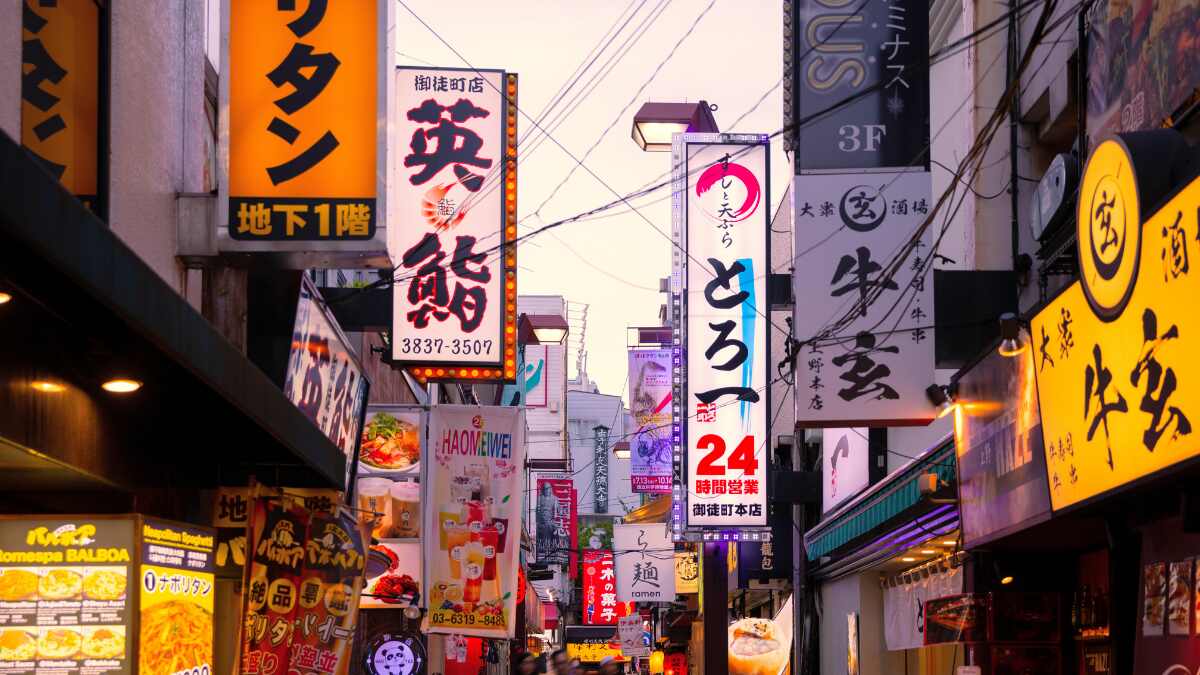
Use Yodobashi Akiba for mainstream electronics and straightforward product comparison. The Electric Town side is better for specialist audio, keyboards, PC components and used equipment.
Japan operates on 100 volts. Confirm that any device supports Australian voltage rather than checking the plug alone. Also review menu language, mobile bands, region locks, app availability and international warranty coverage.
Super Potato Akihabara is an entertaining retro-game stop, but its fame can mean larger crowds and higher prices. Check console regions, game-language options and the condition of cartridges, discs and internal batteries.
An Akihabara arcade commonly places crane games on lower floors and rhythm, racing, fighting or card games above. Read the floor directory and set a spending limit; repeated low-cost attempts can cost more than buying the prize elsewhere.
| Venue | Best For | Typical Visit | Crowd/Price Note |
|---|---|---|---|
Radio Kaikan | Figures, cards and hobby goods | 45–75 mins | Busy; compare sellers inside |
Animate | Current anime and manga | 30–60 mins | Busy; standard retail pricing |
Mandarake Complex | Pre-owned and older items | 45–90 mins | Dense browsing; condition affects price |
Super Potato | Retro games and consoles | 20–40 mins | Popular and often premium-priced |
GiGO | Crane, rhythm and arcade games | 30–60 mins | Spending depends on play limits |
Yodobashi Akiba | Mainstream electronics and dining | 45–90 mins | Broad range; compare Australian prices |
Shop hours, stock and access can change. Eligible purchases made from1 November 2026 move to a departure-refund system. Retailer participation, passport records and departure verification still apply, so check the current requirements.
A Half-Day Akihabara Route
This west-side route answers what to do in Akihabara without unnecessary backtracking:
- 11:00 am — Electric Town Gate: Start at Radio Kaikan.
- 11:10 am — Radio Kaikan: Visit only the floors matching your interests.
- 12:10 pm — Lunch: Eat on the Electric Town side before walking north.
- 1:00 pm — Chuo-dori: Choose Animate, Mandarake or one specialist shop.
- 2:15 pm — Retro Games or Maid Café: Pick one planned experience.
- 3:15 pm — Arcade: Check upper floors for games beyond crane machines.
- 4:00 pm — Departure: Continue north to Suehirocho or return south to JR Akihabara.
For a full day, visit Yodobashi first through the Central Gate, cross to Electric Town, then add Kanda Myojin or Manseibashi. Allow extra time for queues and tax-free purchasing.
When to Visit Akihabara
Late morning through evening gives the best balance of open shops and illuminated streets. Weekday afternoons are generally easier for deliberate shopping. Part of Chuo-dori becomes a Sunday pedestrian zone from 1:00 pm to 6:00 pm between April and September and until 5:00 pm from October to March. Weather and local conditions can cause cancellation.
Visit during daylight for serious shopping and after dark for street atmosphere and arcades.
Practical Details for First-Time Visitors
Coin lockers are available around major stations, but large spaces can fill quickly, so leave your suitcases at the hotel when possible. Many shops occupy narrow multi-store buildings with small lifts, steep stairs and limited room for prams or luggage. Families should check lift directories because some buildings contain age-restricted floors.
Public toilets are easiest to find inside the station, department stores and larger commercial buildings. If buying bulky figures, check airline baggage limits and protect boxes from crushing. Station buildings and Yodobashi provide convenient dining and rest stops.
For a nearby contrast, pair Akihabara with Kanda Myojin, Ueno, Ochanomizu or Jimbocho. You can also plan more things to see and do in Japan around the wider itinerary.
Maps, Translation, and Mobile Data
Before leaving reliable Wi-Fi, download useful Japan travel apps and save shops as essential, optional or price check. Download Japanese offline translation and screenshot the return station exit.
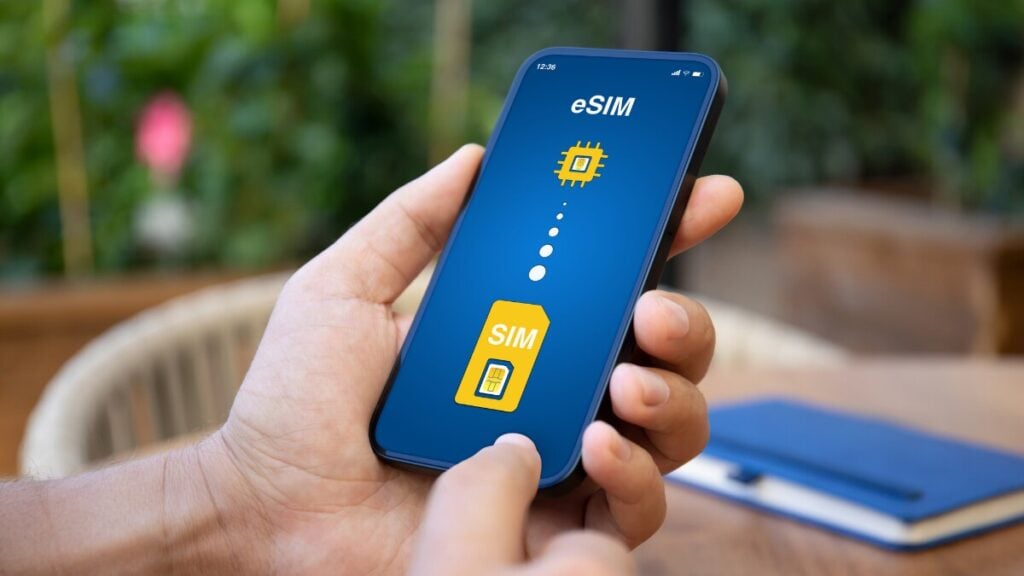
Mobile data helps with camera translation, stock pages, exchange rates and directions. Reception can weaken on basement or upper floors, so load product pages before entering. Travellers without eSIM-compatible phones can compare Japan SIM cards and choose the most ideal plan for their travel needs.
FAQs
Is Akihabara a Tourist Trap?
Not as a whole. It remains a working retail and entertainment district, but famous shops, crane games and themed cafés can be expensive. Compare prices, check complete café charges and avoid buying an item solely because it is labelled rare.
Is Akihabara Better During the Day or at Night?
Daytime is better for comparing shops and inspecting used goods. Evening provides the strongest illuminated street atmosphere and suits arcade visits. Arriving in late morning and staying until early evening provides both experiences.
Do You Need Cash or Mobile Data in Akihabara?
Bring both. Large retailers commonly accept cards, but yen remains useful for capsule machines, older arcade cabinets and smaller shops. Mobile data supports maps, translation and price checks; an offline route remains useful when indoor reception weakens.