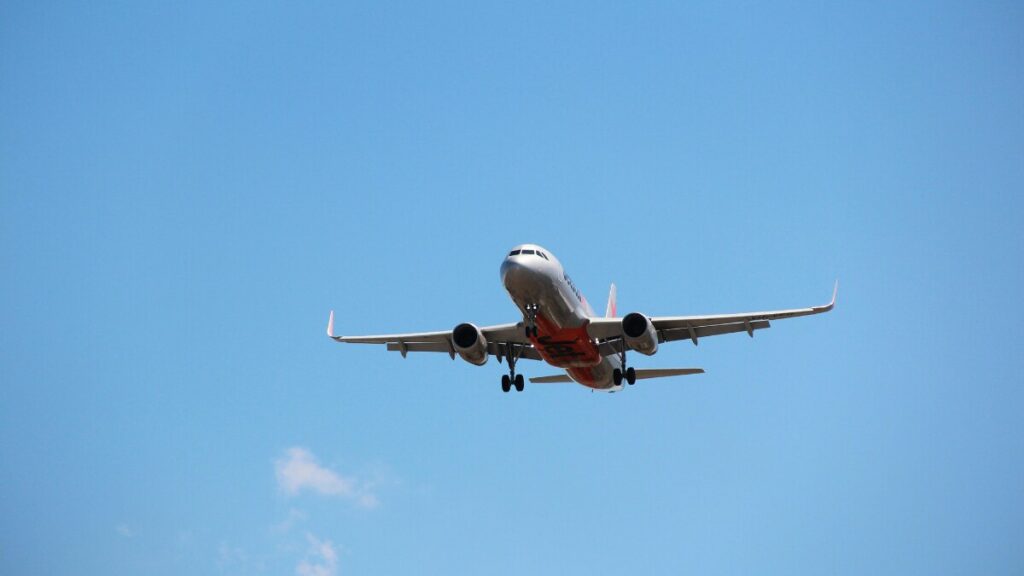
Planning a multi-city trip often falls apart when you realise your return flight drags you back to where you started. Open-jaw flights fix that. You can fly into one city and leave from another, saving time, money, and long retraces.
This guide breaks down how to find, price, and book them without confusion. While mapping routes, sort your data early so navigation stays smooth. Before you go, compare global eSIMs to stay connected across borders without swapping SIM cards.
What Is an Open-Jaw Flight?
An open-jaw flight is a return-style itinerary in which the destination and/or origin differ between the outbound and inbound journeys. You complete the gap between those airports independently.
A common Australian example is:
- Sydney to Tokyo by air
- Tokyo to Osaka independently
- Osaka to Sydney by air
The Tokyo to Osaka section is called the surface sector and is not included in the long-haul airfare. When the route is drawn on a map, the gap makes it resemble an open mouth.
Multi-city describes the search function used to find several flight sectors, while open-jaw describes the route itself. A multi-city search can produce an open-jaw, several connected flights or a combination of separate tickets.
How to Book and Compare Open-Jaw Flights
Airline websites and flight-comparison tools normally place open-jaw searches under Multi-city.
Enter the Route Correctly
For the Sydney and Japan example, enter:
- First flight: Sydney to Tokyo
- Second flight: Osaka to Sydney
Do not add Tokyo to Osaka unless you intend to fly that section as part of the booking. The airline search only needs the ticketed flights.
Follow this comparison process:
- Create a return benchmark. Price Sydney–Tokyo–Sydney using your intended dates.
- Select Multi-city. Enter Sydney–Tokyo and Osaka–Sydney on separate rows.
- Reverse the route. Compare Tokyo-in and Osaka-out with Osaka-in and Tokyo-out.
- Test nearby airports and dates. Change one variable at a time.
- Match the fare conditions. Compare the same cabin, baggage, meals, seats and change rules.
- Price the surface sector. Include trains, luggage reservations, tolls, airport transport and accommodation.
- Check the ticket structure. Look for separate-ticket or self-transfer warnings before paying.
- Repeat the search with the airline. Confirm flight numbers, operators, terminals and conditions directly.
Qantas provides a multi-city search for routes departing Australia, while Google Flights can compare different gateways. A lower comparison-site price may involve separate tickets, restricted baggage or an online agent rather than the operating airline.
Why the Search May Not Work
An open jaw may return a high fare, separate tickets or no result because:
- No airline or ticketing partnership covers both gateways.
- One route operates only on selected days or seasons.
- The lowest fare class is unavailable on one flight.
- The surface sector conflicts with the fare’s geographical rules.
- The search engine cannot construct a valid return fare.
- One leg requires a self-transfer or separate ticket.
- The alternative airport has fewer long-haul services.
Try reversing the itinerary, moving one date or changing one gateway. If the airline still cannot price the route, request assistance before buying unrelated one-way tickets.
When an Open Jaw Saves Time or Money
Open-jaw flights reduce backtracking more reliably than they reduce airfare.
A Japan Time Comparison
A Japan itinerary might begin in Tokyo, continue through Kyoto and finish in Osaka.
| Factor | Tokyo Return | Tokyo-In, Osaka-Out |
|---|---|---|
International route | Sydney–Tokyo–Sydney | Sydney–Tokyo, Osaka–Sydney |
Required backtracking | Osaka to Tokyo | None |
Intercity travel added solely for departure | At least 2 hours and 21 minutes by the fastest Shinkansen | None |
Additional local travel | Osaka to Shin-Osaka, then Tokyo to the departure airport | Osaka to Kansai Airport |
Main comparison | Lower airfare versus added rail cost and time | Higher or lower airfare versus removed backtracking |
The train time does not include reaching Shin-Osaka, waiting for departure or transferring from Tokyo Station to Haneda or Narita. The practical backtrack can therefore consume much more than the published intercity journey.
Use our guide on how to find affordable flights to Japan to compare both entry and exit points. If an open-jaw option comes in slightly higher but saves you the hassle of backtracking and a full travel day, it can still work out as the better value.
Vietnam and Europe Examples
For Vietnam, fly into Hanoi, travel south and return from Ho Chi Minh City. Test the reverse direction because flight schedules may favour starting in the south. Ensure that you compare flights to Vietnam before fixing the route.
Open-jaw flights to Europe work well for holidays moving steadily across several countries. A Brisbane traveller could arrive in London, continue through France and Switzerland, then fly home from Rome instead of returning to Britain.
For broader coverage across multiple stops, compare Asia eSIMs if your trip runs through the region. If your route includes European destinations, go for our Europe eSIM plans to keep data consistent across borders.
Calculate the Complete Cost
Return itinerary: airfare + backtracking transport + airport transfers + extra accommodation + time lost returning to the original city.
Open-jaw itinerary: multi-city airfare + planned surface transport + airport transfers + baggage, seat and payment fees.
A standard return may be better when the alternative airport adds another flight, offers poor schedules or creates an expensive one-way car-hire fee.
Destination, Origin, and Double Open Jaws
| Type | Example | Independent Section |
|---|---|---|
Destination open jaw | Sydney–Tokyo, then Osaka–Sydney | Tokyo to Osaka |
Origin open jaw | Melbourne–Singapore, then Singapore–Sydney | Sydney to Melbourne |
Double open jaw | Melbourne–Tokyo, then Osaka–Sydney | Tokyo to Osaka and Sydney to Melbourne |
A destination open jaw is the most useful version for many Australian holidays. You use the same Australian city but different overseas arrival and departure points.
An origin open jaw uses different Australian airports. A double open jaw changes both ends of the journey, creating two independent sectors.
Changing airports within one metropolitan area may not count as a technical open jaw. Airlines can treat Haneda and Narita as Tokyo or Heathrow and Gatwick as London for fare purposes. Comparing those airports can still uncover better schedules or prices.
Tickets, Connections, and Baggage
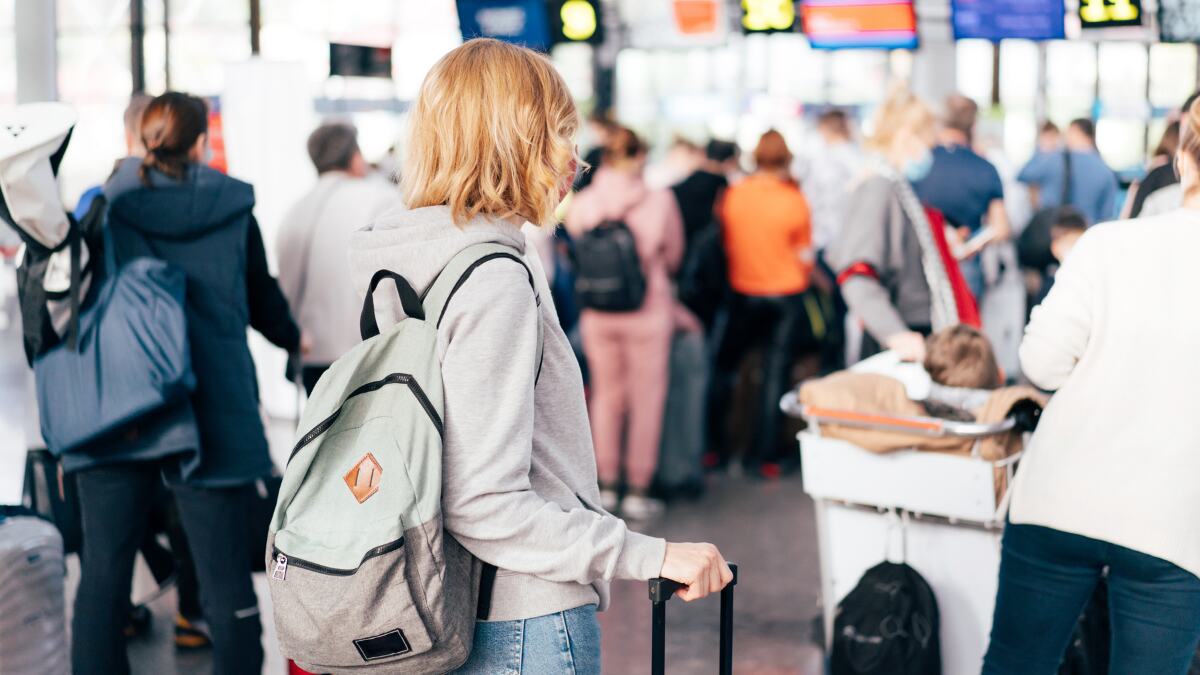
One Booking Is Not Necessarily One Ticket
One checkout, itinerary email or booking reference does not prove that every flight is issued on one protected ticket. An online agent may combine separate tickets and label the journey as a self-transfer.
Before paying, check:
- Whether a self-transfer or separate tickets appear
- Which airline operates each flight
- Whether baggage must be collected and checked again
- Who handles rebooking after a delay
- Whether missed-connection protection comes from the airline or booking agent
Different airlines can appear on one ticket when suitable ticketing and interline arrangements exist. Other combinations may require separate tickets.
The airline has no responsibility for the independent surface sector. If a delayed train or separately booked flight causes you to miss the journey home, you may be treated as a no-show. Reach the final departure city the previous day when the independent sector involves a border crossing, weather-sensitive transport or another flight.
Check Baggage at Every Stage
Checked baggage does not move across the surface sector automatically. Collect it at the first destination, carry it during the independent journey and check it again at the final departure airport.
For air connections, through-checking depends on the ticket and airline agreements. Confirm the destination printed on the baggage receipt.
Keep passports, medication, insurance details, electronics and one change of clothing in cabin baggage.
Know the Related Terms
- Surface sector: The independently completed gap
- ARNK: The reservation-system marker for an intentional gap
- Stopover: A longer break within a ticketed air journey
- Positioning flight: A separate flight used to reach another departure airport
- Self-transfer: A connection where you manage check-in, baggage and disruption risk
FAQs
Is an Open-Jaw Flight the Same as a Multi-City Flight?
Not exactly. An open-jaw contains an independent gap between flight endpoints, such as arriving in Tokyo and departing from Osaka. Multi-city is the broader search function used to book several sectors. You normally select Multi-city when booking an open-jaw itinerary.
Are Open-Jaw Flights Cheaper?
Not always. Their more dependable advantage is avoiding backtracking. Compare airfare, surface transport, transfers, baggage and additional accommodation. A slightly dearer open-jaw may still provide better value when it removes several hours of unnecessary travel.
Can Different Airlines Be Used on an Open Jaw?
Yes. Different airlines can appear on one ticket when ticketing and interline arrangements permit. Other combinations may be sold as separate tickets requiring a self-transfer. Check baggage handling and disruption protection before paying.
What Happens to Checked Baggage on a Multi-City Itinerary?
Baggage follows the ticketed flights, not the open surface sector. Collect it at the first destination, transport it yourself and check it again at the final departure airport. For flight connections, verify the destination printed on the baggage receipt.