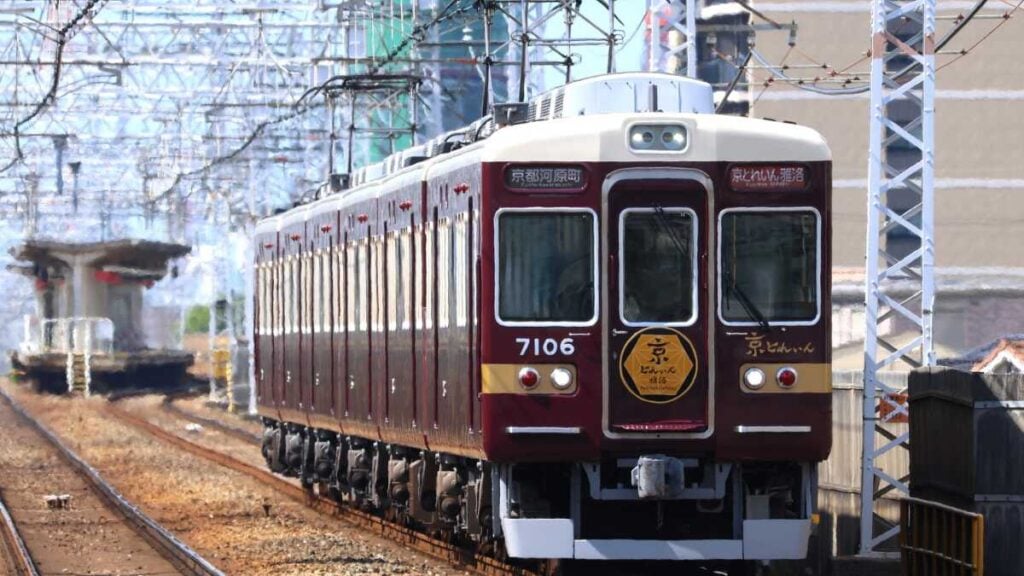
Japan stands out globally, with around 28% of passenger kilometres travelled by rail, and that dependence on trains is exactly what shapes travel here. Kyoto’s rail connections make distant cities look deceptively easy. Before choosing between Nara’s temples, Osaka’s food districts or Hiroshima’s memorial sites, compare Japan eSIMs and keep live train information available throughout the day.
Station-to-station time tells only part of the story. Transfers, platform waits, local buses and long walks can turn a fast train ride into a demanding outing. The best Kyoto day trip is the one that matches your interests, available time and energy.
Kyoto Day Trips and Approximate Time
| Destination | Typical One-Way Time | Best Rail Route | Best For | Ground Time | Effort |
|---|---|---|---|---|---|
Uji | 17–20 minutes | JR Nara Line | Tea, temples and a half-day | 3–5 hours | Low |
Otsu | About 10 minutes | JR Biwako Line | Lake views and an easy change of pace | 4–6 hours | Low |
Nara | Around 45 minutes | JR Miyakoji Rapid or Kintetsu | Temples, deer and history | 6–8 hours | Low–medium |
Osaka | 30–50 minutes | JR Special Rapid or Hankyu | Food, shopping and nightlife | 7–10 hours | Medium |
Kobe | About 50 minutes | JR Special Rapid to Sannomiya | Harbour views and dining | 6–8 hours | Medium |
Himeji | Around 45 minutes | Direct Shinkansen | A major surviving castle | 5–7 hours | Medium |
Hikone | 50–70 minutes | JR Biwako Line | A quieter castle town | 5–7 hours | Medium |
Hiroshima | 1 hour 40 minutes | Direct Shinkansen | Memorial sites and modern history | 6–8 hours | High |
The times listed above are planning estimates from Kyoto Station, so ensure that you add the journey from your accommodation, waiting time and transport after arrival.
Keep at least three full sightseeing days for Kyoto before allocating time to day trips from Kyoto. With only two days in the city, leaving usually removes more value than it adds.
Nara and Uji for Easy First Trips
Nara: The Best First Kyoto Day Trip
Nara is the strongest all-round choice for first-time visitors. Take the JR Miyakoji Rapid from Kyoto Station, or compare Kintetsu services if your accommodation is closer to Kyoto Station’s Kintetsu platforms or another station on that network.
Follow this walking route:
- Begin at Kōfuku-ji.
- Walk through Nara Park.
- Allow the largest block of time for Tōdai-ji.
- Add Kasuga Taisha or Isuien Garden.
- Finish in Naramachi before returning.
The train journey is simple, but the sightseeing route involves sustained walking. Nara’s deer are wild animals. Keep food concealed until feeding, show empty hands afterwards and supervise children closely.
Uji: The Easiest Half-Day Trip
Uji suits travellers who want a meaningful outing without losing a full day. Take the JR Nara Line to JR Uji Station, then walk to Byōdō-in, the Uji River and Ujigami Shrine before stopping for tea.
Uji pairs naturally with Fushimi Inari because both lie along the JR Nara Line. Check the stopping pattern: JR Inari Station is served by local trains, not every rapid service towards Uji or Nara.
Combining Uji and Nara is possible, but it leaves less time for Nara’s major temples.
Osaka, Kobe, and Himeji for City or Castle Days
Osaka: Best for Food and Nightlife
An Osaka day trip from Kyoto works best when the goal is food, shopping and a clear contrast with Kyoto.
Choose two connected areas:
- Osaka Castle and Umeda: History, shopping and city views.
- Kuromon Market and Namba: Street food, shopping and Dotonbori after dark.
The JR Special Rapid is convenient for Osaka Station and Umeda. Hankyu services may suit accommodation near central Kyoto and travellers heading towards Osaka-Umeda.
Stay for dinner. Returning before Osaka’s evening districts become active defeats much of the purpose. Universal Studios Japan requires a separate full day.
Kobe: Best for a Manageable City Day
Take a JR Special Rapid to Sannomiya. Choose Kitano or Kobe Chinatown, then continue towards Meriken Park and the harbour.
Kobe works well when you want fewer compulsory sights and more time for lunch or waterfront walking. Do not add Arima Onsen unless the hot-spring town is the main priority; reaching it introduces additional rail or bus connections.
Himeji: Best for One Major Landmark
Take a direct Shinkansen to Himeji and walk along Ōtemae-dōri to Himeji Castle. Visit Koko-en Garden afterwards.
Entering the castle first reduces the risk of reaching it after queues have grown. Its interior contains steep staircases, narrow passages and low openings, so travellers with limited mobility should assess the route before entering.
Himeji and Kobe can be combined, with Himeji first. The pairing is efficient but creates a longer, faster-paced day.
Nature and Quieter Castle Alternatives
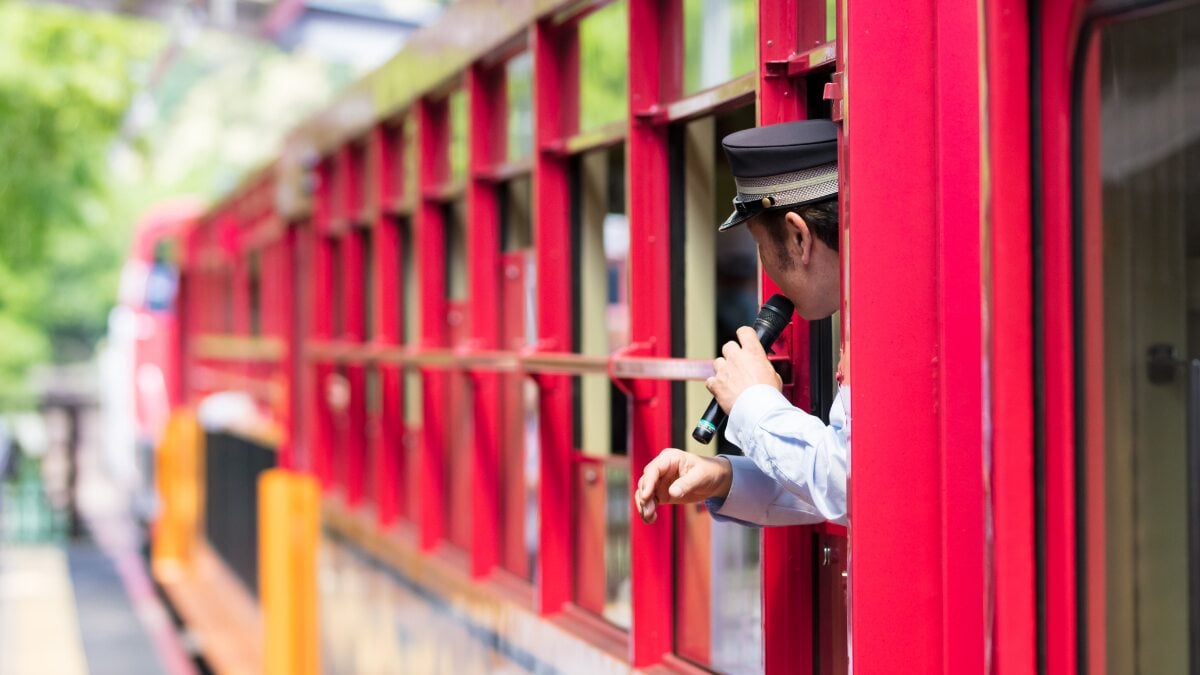
Kurama and Kibune
Reaching Kurama from Kyoto Station normally requires multiple stages via Tōfukuji and Demachiyanagi, or a subway-and-bus combination. Allow roughly an hour or more before beginning the walk.
The mountain route between Kurama and Kibune covers 3.9 kilometres and takes approximately two to three hours before temple stops. Wear suitable footwear and check conditions after heavy rain. Autumn weekends can produce crowded Eizan trains.
Otsu and Lake Biwa
Take the JR Biwako Line to Otsu Station. Continue on foot towards Otsu Port and the waterfront, then add Mii-dera if time and energy permit.
The short rail journey does not place you beside every Lake Biwa attraction. Choose one compact section instead of treating Japan’s largest lake as a single walkable destination.
Hikone: A Quieter Alternative to Himeji
Take the JR Biwako Line towards Hikone, changing at Maibara when required. Walk from Hikone Station to Hikone Castle, then continue to Genkyū-en Garden.
Choose Hikone for a quieter castle town and slower pace. Choose Himeji for the more imposing landmark and faster Shinkansen journey.
Hiroshima and Miyajima: When the Long Day Is Worth It
A Kyoto to Hiroshima day trip works when Hiroshima is a major priority and an overnight stay is impossible. Hiroshima alone provides enough time for Peace Memorial Park, the Atomic Bomb Dome, Peace Memorial Museum and a meal.
Adding Miyajima makes the schedule considerably harder. Hiroshima Station to Miyajimaguchi takes approximately 30 minutes, followed by a walk and ferry.
For a combined trip:
- Reserve an early Shinkansen from Kyoto.
- Visit Miyajima before midday.
- Check the tide forecast.
- Return to Hiroshima for the memorial sites.
- Leave enough time to reach Hiroshima Station without relying on the final practical connection.
The complete day can exceed 12 hours. Stay overnight if Mount Misen, an unhurried museum visit or Miyajima after the daytime crowds matters.
Kōyasan, Kanazawa, Amanohashidate and Ine are also usually better overnight. Day tours from Kyoto become useful for routes involving several connections, but independent rail remains simpler for Uji, Nara, Osaka, Kobe, Himeji and Otsu.
Tickets, Seasons, and Mobile Data
Start by taking a closer look at transport in Japan, so you can move beyond the map view and plan journeys that account for transfers, timing, and the way different rail networks connect in real travel conditions.
- Check the complete hotel-to-attraction route.
- Compare JR and private railways for Nara, Uji and Osaka.
- Reserve Shinkansen seats during peak travel periods.
- Reservations generally open one month before departure.
- Remember that an IC card does not replace every Shinkansen or limited-express ticket.
- Download Japan travel apps for platform and service changes.
- Save tickets and collection instructions offline.
- Compare Japan SIM cards if a physical SIM suits your device better.
Spring blossom periods increase queues at Nara and Himeji. Summer heat makes exposed walks harder. Autumn crowds affect Uji and the Eizan route, while winter weather can disrupt mountain plans.
Do not purchase a national Japan Rail Pass automatically. Individual tickets or an IC card are generally simpler for nearby trips. Compare regional-pass prices only when taking several eligible long-distance journeys.
For journeys that go beyond Kansai, you can start exploring a wider mix of destinations across the country and see more places to visit in Japan, where each region brings its own pace, character, and travel rhythm worth planning around.
FAQs
What Is the Easiest Day Trip From Kyoto?
Uji is the easiest half-day option because the direct rail journey is short and its main sights form a compact walking route. Nara is the best straightforward full-day choice, combining easy train access with Tōdai-ji, Nara Park, Kasuga Taisha and Naramachi.
Can You Visit Hiroshima From Kyoto in One Day?
Yes. Hiroshima alone makes a reasonable but long day when using an early direct Shinkansen. Adding Miyajima is technically possible, but the local train, ferry and return transfers can push the total outing beyond 12 hours. Stay overnight if both destinations are priorities.
Is Osaka or Nara Better From Kyoto?
Choose Nara for temples, parks, history and a clearly defined walking route. Choose Osaka for food, shopping, nightlife and a stronger contrast with Kyoto. Nara is usually better for first-time visitors with one spare day; Osaka suits travellers seeking an urban evening.
Do You Need a Rail Pass for Kyoto Day Trips?
Usually not. Individual tickets or an IC card are simpler for Uji, Nara, Osaka, Kobe and Otsu. Compare regional-pass coverage for Himeji, Hiroshima or several long-distance journeys. Confirm the operator and train type because passes do not cover every service.