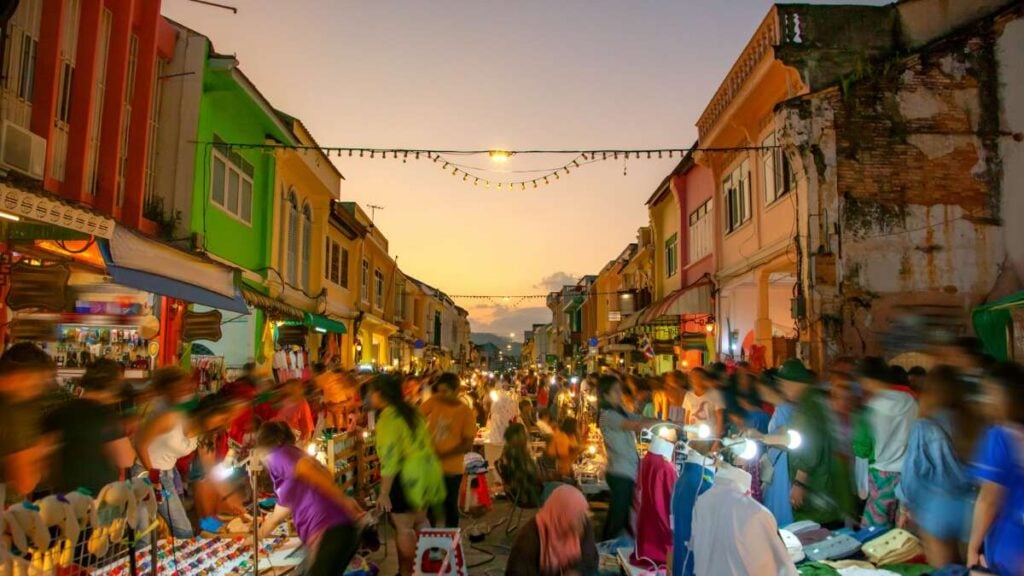
Phuket’s Vegetarian Festival offers two very different ways to experience the island, from early-morning religious processions to evening food walks through streets lined with vegetarian dishes. With more than 140,000 visitors expected, planning your days ahead can help you avoid unnecessary travel delays and make time for the shrines and celebrations that interest you most.
Check individual shrine schedules before arranging transport, as ceremonies do not always follow the same timetable. If you plan to share photos, navigate between festival sites or find places to eat, compare Thailand eSIM plans for Phuket before your trip.
When Is Phuket Vegetarian Festival 2026?
The Phuket Vegetarian Festival runs from 10–18 October 2026. The Go Teng pole-raising ceremony takes place on 9 October, before the main nine-day observance. That opening ceremony explains why some listings start a day earlier.
The festival honours the Nine Emperor Gods through shrine ceremonies, dietary observance and devotional practices. Vegetarian food provides an accessible introduction to that religious purpose.
The Vegetarian Festival in Thailand is observed by Thai-Chinese communities in several destinations. Phuket’s celebration has its own connection to Chinese migration and the island’s former tin-mining communities.
| At a Glance | What You Need to Know |
| Main observance | Saturday 10–Sunday 18 October 2026 |
| Opening ceremony | Friday 9 October; confirm the time with your chosen shrine |
| Recommended first procession | Jui Tui, Friday 16 October at 08:00 |
| Food-walk area | Ranong Road and the neighbouring Jui Tui and Put Cho shrines |
| Final farewell | Sunday 18 October, continuing towards midnight at Saphan Hin |
| Public viewing | Street processions are free to watch |
| Time zone | Thailand time, UTC+7 |
| Programme | Check the 2026 ritual table for individual shrines |
Public street viewing does not require a festival ticket. Food, transport, voluntary offerings and optional guided tours are separate expenses. Access to ritual spaces remains subject to shrine instructions.
If the opening ceremony is your priority, arrive by 9 October and obtain the selected shrine’s own notice before fixing your departure time. A general opening announcement does not establish an identical visitor arrival time for every shrine.
Know the Ceremonies Before Choosing a Visit
Go Teng is the ceremonial pole-raising associated with welcoming the deities. Street processions bring shrine participants through communities, where households prepare offerings.
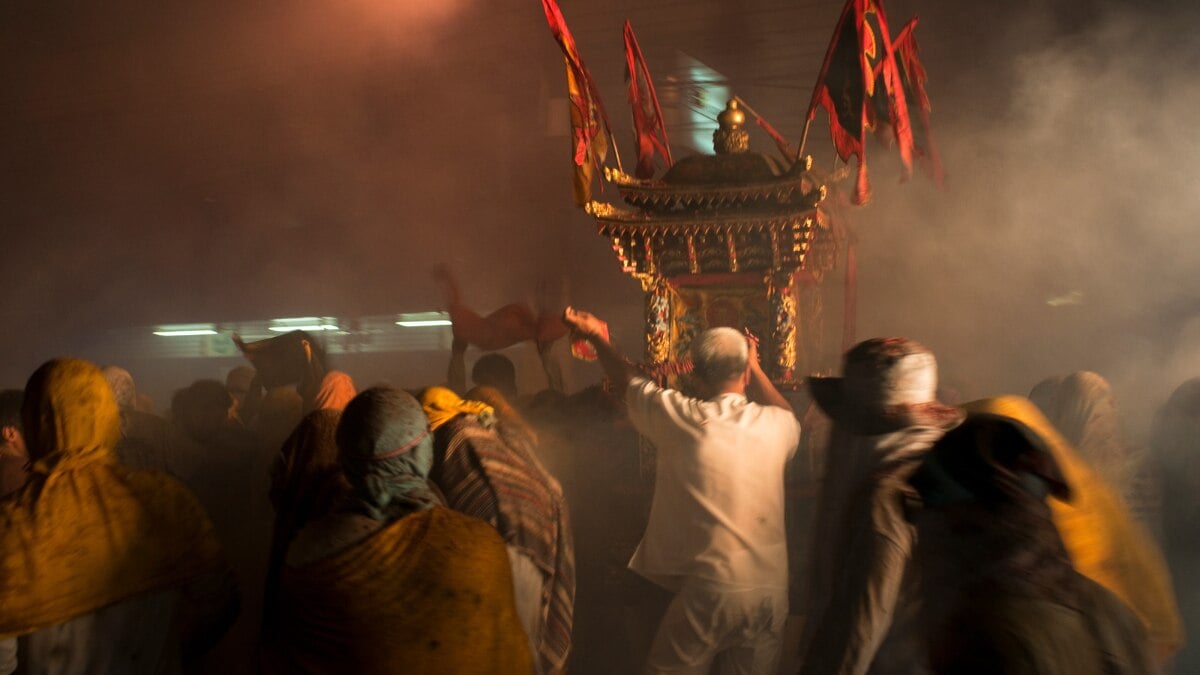
Ma song are spirit mediums understood within the tradition to embody deities. Some devotional practices involve piercing or fire-walking. Give participants space and observe from permitted areas.
The farewell sends off the Nine Emperor Gods at the end of the observance. Its late finish requires a separate return plan.
Why Kathu Is Central to the Festival
Kathu is closely associated with the festival’s beginnings among Chinese migrants working in Phuket’s mining communities. Its origin tradition connects an epidemic with renewed religious observance.
Choose Kathu if that historical connection interests you. It requires a separate journey from the central shrine-and-food circuit, rather than an extra stop during the same walk.
Which Shrine Processions Fit Your Visit?
Jui Tui on Friday 16 October at 08:00 is a practical first choice if you are staying in town. Its later departure gives you more preparation time than a dawn procession, and nearby food streets make it easy to extend the visit.
These selected departures cover much of the festival period.
| Date | Shrine | Area | Departure |
| Sunday 11 October | Jchoor Su Gong Naka | Ban Naka, Wichit | 07:30 |
| Monday 12 October | Sapam | Koh Kaew, north of town | 07:20 |
| Tuesday 13 October | Lim Hu Tai Su, also called Sam Kong | Sam Kong neighbourhood | 07:45 |
| Wednesday 14 October | Baan Tha Rue | Sri Sunthon, Thalang | 06:09 |
| Thursday 15 October | Bang Liao, also called Bang Neow | Phuket Road | 06:00 |
| Friday 16 October | Jui Tui | Soi Phuthorn, near Ranong Road | 08:00 |
| Saturday 17 October | Kathu | Kathu district | 06:45 |
| Sunday 18 October | Sui Boon Tong, also called Lor Rong | Lor Rong neighbourhood | 07:00 |
Note: Each time marks departure from the shrine and does not tell you when the procession will reach a viewing street farther along its route.
Choose Between the Three Recommended Shrines
- Bang Liao: Choose this for an early start around Phuket Road. Save the Bang Neow shrine location and arrange transport before dawn.
- Jui Tui: Choose this for a town-based introduction with food afterwards. Ensure you save the Jui Tui shrine location and approach from Ranong Road towards Soi Phuthorn.
- Kathu: Choose this for its historical setting and save the Kathu shrine location separately.
Allow around half an hour before departure to find a permitted position. Choose somewhere with room to step back and an exit that does not require crossing the procession.
A shrine pin helps with orientation, but attendants and temporary barriers determine the final approach. Avoid planning a viewing position directly in front of an entrance.
Plan the Final Night Separately
The farewell takes place on 18 October 2026, with the final send-off at Saphan Hin around midnight.
Save the Saphan Hin location and agree on a collection point outside the ceremonial route. Your return journey may fall on Monday 19 October, so confirm the date as well as the pick-up time.
Expect crowds, firecrackers and smoke. Choose another evening for relaxed food browsing if your group prefers an earlier finish, and keep a tight airport transfer separate from this ceremony.
What Does Jay Food Mean, and Where Can You Try It?
Jay food excludes animal products and pungent ingredients such as garlic and onions. Look for yellow flags with red lettering, often displaying เจ.
The intended preparation excludes meat, seafood, eggs and dairy. Tofu, mushrooms, soy protein and taro appear in dishes that may otherwise contain animal ingredients.
Mock meats can resemble their counterparts closely. Ask what you are ordering rather than identifying ingredients by appearance.
| Dish | What to Expect | How to Choose |
| Popiah | Fresh vegetable spring rolls | Start with a snack before ordering a main dish |
| Phat si eo, jay version | Stir-fried noodles prepared for the observance | Choose this when you want a noodle meal |
| Mock duck curry | Plant-based pieces in coconut-milk curry | Ask about chilli and order rice separately if needed |
Recipes and serving sizes vary between vendors. Always confirm the jay preparation, particularly when ordering a dish that ordinarily contains egg or meat.
Follow a Compact Shrine and Food Circuit
For a Phuket Old Town food visit, focus on the Ranong Road shrine area. Allow around two hours for shrine stops, browsing and eating.
Start at the Jui Tui shrine approach, reached from Ranong Road via Soi Phuthorn. Share that destination with your driver, then agree on an accessible drop-off point nearby.
- Visit Jui Tui first. Follow the permitted entrance and pause at the shrine before beginning your food purchases.
- Walk to adjoining Put Cho. The shrine, also called Put Jaw, is directly beside Jui Tui. Use the Put Cho location to identify the neighbouring entrance rather than searching farther along Ranong Road.
- Retrace your approach towards Ranong Road. Go through the festival stalls around the shrine area.
- Choose food before arranging collection. Compare a few stalls, start with a snack and then select a main dish.
- Walk back to your agreed pick-up point. Leave the busiest streets before expecting your driver to approach.
Maps may spell Soi Phuthorn as Phuthon or Phutorn, so ensure you save both shrine locations so spelling differences do not interrupt the visit.
Reserve one evening for Phuket Town, then build the rest of your Phuket itinerary around your remaining days. Give a morning procession its own transport arrangement rather than assuming the evening plan also works before dawn.
Ask About Allergies Separately
A jay flag is a religious food label, not an allergy guarantee. Soy, wheat-based substitutes, nuts and shared cooking equipment can still be a problem if you are allergic to them.
Explain the ingredients you need to avoid and ask about sauces, toppings and preparation. If communication remains uncertain, choose another vendor.
Carry small-denomination baht. Eat clear of shrine entrances and offering tables, and purchase food from stalls rather than taking ceremonial offerings.
How Do You Visit Respectfully?
Choose modest clothing covering shoulders and knees. Devotees observing the festival wear white; visitors should follow each shrine’s requirements.
Remove shoes where directed, keep voices low and leave offerings undisturbed. Always ask before photographing ceremonies or taking close photographs of participants.
Give spirit mediums and processions room to move. Stay outside restricted ritual spaces and follow attendants’ instructions.
For broader preparation, read our guide on cultural etiquette for visitors to Thailand to learn how to behave respectfully around religious sites, ceremonies and local customs.
Choose an Experience That Suits Your Group
A food evening or daytime shrine visit can provide a less intense introduction. Check the ceremony schedule first, because evening visits may coincide with major rituals.
With children or companions uncomfortable around loud noise or piercing practices, choose a position with an easy exit. There is no need to remain beside a ceremony that makes someone uncomfortable.
How Do You Get Around When Processions Affect Roads?
A Phuket Town base reduces the journeys needed for Jui Tui, Bang Liao and nearby food visits. Patong or another beach base can work, but a dawn procession needs an agreed early departure.
Choose one shrine for the morning. Transfers between several departures become difficult when processions restrict roads.
Live maps help you locate an alternative collection point if your original street is blocked. With festival crowds and temporary road closures, having a reliable eSIM data plan can make it easier to stay connected and adjust your plans when needed.
Agree on the Return Before Leaving
Ask your accommodation to reconfirm transport and choose a recognisable collection point outside the procession route. Send the driver that location in advance.
For an early visit, confirm whether the driver will wait or return later. For the farewell, agree on late collection before leaving your accommodation.
Save your hotel and shrine addresses in English and Thai, then ensure you install all useful travel apps for Thailand for navigation and translation.
What Should You Pack and Set Up on Your Phone?
Bring closed shoes, rain protection, drinking water and a charged phone. Check the day’s forecast before departure. See our guide to Thailand weather by month to get a clearer idea of what conditions you can expect during your visit.
Firecrackers can be loud, while incense and firecracker smoke can affect comfort. Carry ear protection if useful and choose somewhere you can step away.
Before leaving your accommodation:
- Save shrine locations, the current schedule and transport details offline.
- Agree on meeting and collection points, and share them with companions and your driver.
- Charge your phone and power bank.
- Install your eSIM using its instructions, check when validity begins and confirm how you will contact your driver.
Keep essential addresses and bookings available without a connection. Saved information remains useful if messages are delayed.
FAQs
Is This Only a Vegetarian Food Festival?
No. It is a religious observance honouring the Nine Emperor Gods. Vegetarian food accompanies shrine ceremonies, processions and devotional practices.
Which Morning Procession Should You Choose?
For a town-based first visit, Jui Tui on 16 October at 08:00 is a practical choice. Bang Liao starts earlier on 15 October at 06:00, while Kathu’s 17 October procession requires a separate journey.
Do You Need a Ticket?
Public street processions are free to watch. Food, transport and optional guided tours are separate expenses. Access to ritual areas remains controlled.
Do You Have to Wear White?
Follow the shrine’s instructions. White is associated with devotee observance; visitors should choose modest clothing and respect local requirements.
Can You Visit from Patong?
Yes. Arrange both journeys and allow for procession-related traffic. Focus on one event rather than planning several transfers across the island.