
- Sri Lanka has no universally bad month; the best season to travel depends on which coast and which experience you are prioritising.
- The island’s two monsoon systems mean the west and south coast peak between December and March, while the east coast peaks between May and September.
- The worst time to visit Sri Lanka for most first-timers is October, when both coasts receive significant rainfall and the island is at its wettest overall.
Sri Lanka rewards travellers who understand its seasonal logic rather than assume one blanket travel window covers the whole island. The country is compact but climatically split, and choosing the wrong coast for your travel dates is the most common planning mistake. Getting the calendar right is as important as choosing where to go.
Before departure, sorting eSim Sri Lanka Data and Calls is worth considering; most eSim options cover data only, which is sufficient for navigation, accommodation bookings, and messaging. For calls, apps like WhatsApp or Google Meet handle most needs over a data connection, making a traditional call plan largely unnecessary for most travellers.
Best Season to Travel to Sri Lanka Overall
The clearest recommendation for most first-time visitors is December through March. This window covers the dry season on the west and south coast, the Cultural Triangle, and the Hill Country, which together form the most visited travel circuit on the island. Conditions are reliable, wildlife parks are accessible, and the beach and culture combination works well within a single itinerary.
This period stands out for several reasons:
- Dry and sunny weather across the south coast, Galle, Mirissa, and Unawatuna
- The Cultural Triangle; Sigiriya, Polonnaruwa, Dambulla; is at its most accessible and comfortable
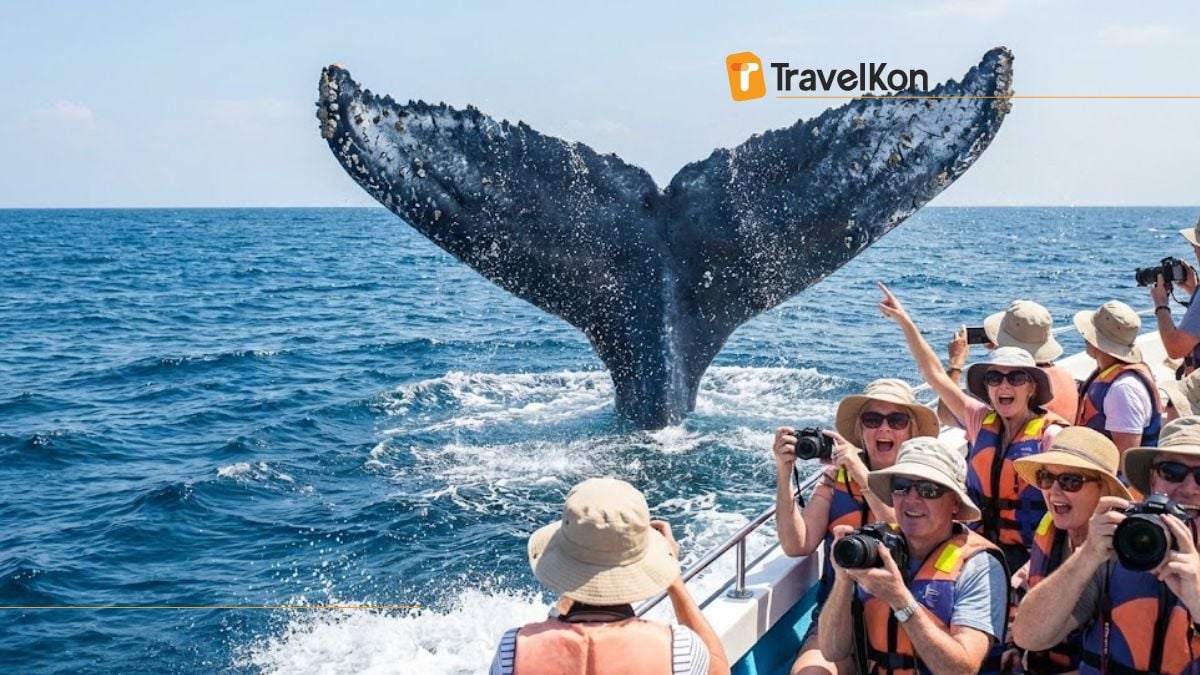
- Whale watching season off Mirissa is active, with blue and sperm whales sighted regularly
- Yala and Udawalawe national parks are dry, making wildlife more concentrated and visible
- The Hill Country train route between Kandy and Ella is clear and scenic
The trade-off is cost and crowds. January and February are peak season, and accommodation in popular areas fills quickly. Prices are at their highest, particularly on the south coast. Travellers with flexibility who can visit in November or early April will find conditions nearly as good at notably lower rates.

Sri Lanka Weather and Monsoon Explained
The island’s weather is governed by two monsoon systems that affect opposite sides of the island at different times of year. Understanding this split is the most useful piece of knowledge for planning any Sri Lanka trip.
Essential climate facts:
- The southwest monsoon runs from May to September and brings heavy rain to the west coast, south coast, and Hill Country
- The northeast monsoon runs from October to January and affects the east coast, north, and parts of the Cultural Triangle
- Two inter-monsoon periods; April and October to November; bring unpredictable weather across the whole island
- The Cultural Triangle in the north-central dry zone sits between both systems and is broadly accessible year-round
- October is the wettest month island-wide and is the period most consistently described as the worst time to visit Sri Lanka for weather-sensitive itineraries
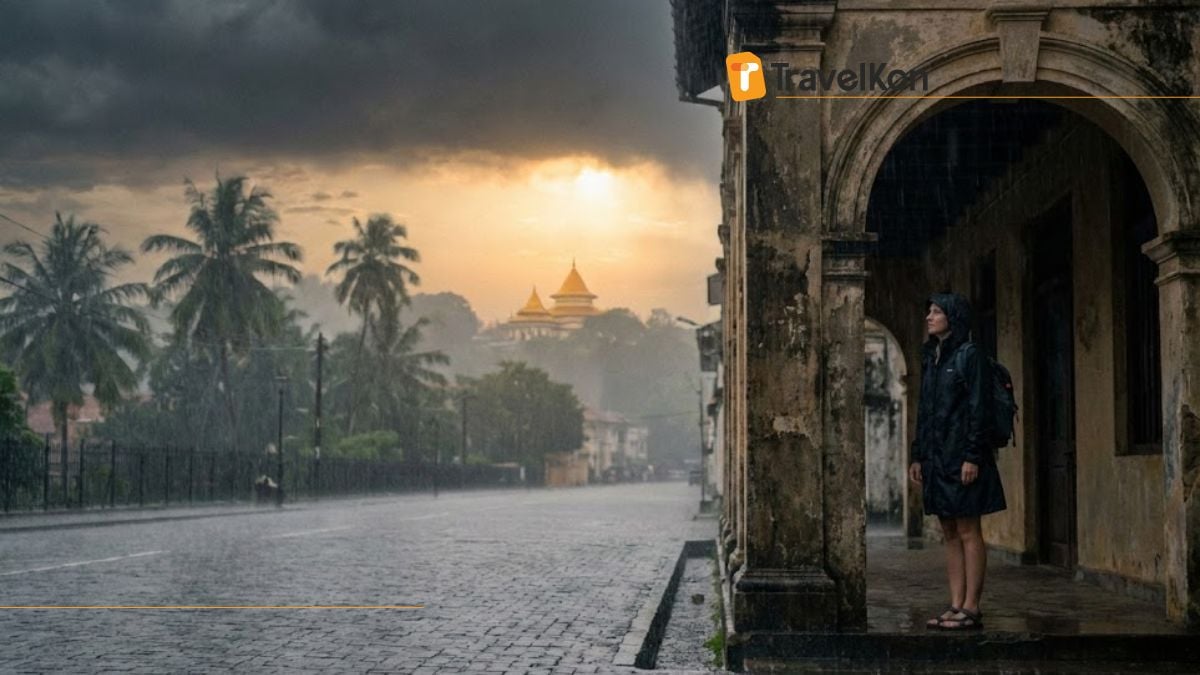
What first-time visitors often misunderstand is that the monsoon does not mean constant rain. Downpours tend to be intense and short, often clearing within hours. The issue is reliability rather than all-day rain; outdoor plans become harder to schedule, transport is disrupted on some routes, and sea conditions on the affected coast become unfavourable for beach or water activities.
The second common mistake is treating the whole island as one weather zone. The east coast in June is dry and sunny while the south coast is under the southwest monsoon. Planning around this split rather than against it opens up good conditions in every month of the year.
Best Season for Beaches: West and South vs East Coast
The two coasts operate on opposite calendars, and the right choice depends entirely on when you are travelling.
West and south coast beaches are at their best from November through April:
- Unawatuna; sheltered bay, calm swimming, good for families and couples
- Mirissa; wide bay, whale watching departures, gentle surf at the edges
- Hikkaduwa; reef snorkeling close to shore, reliable train access from Colombo
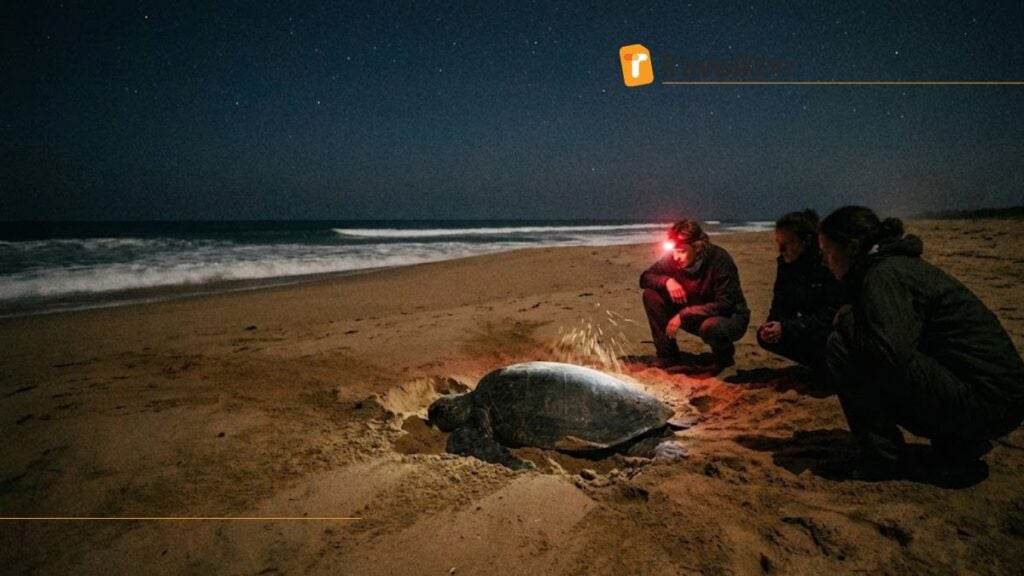
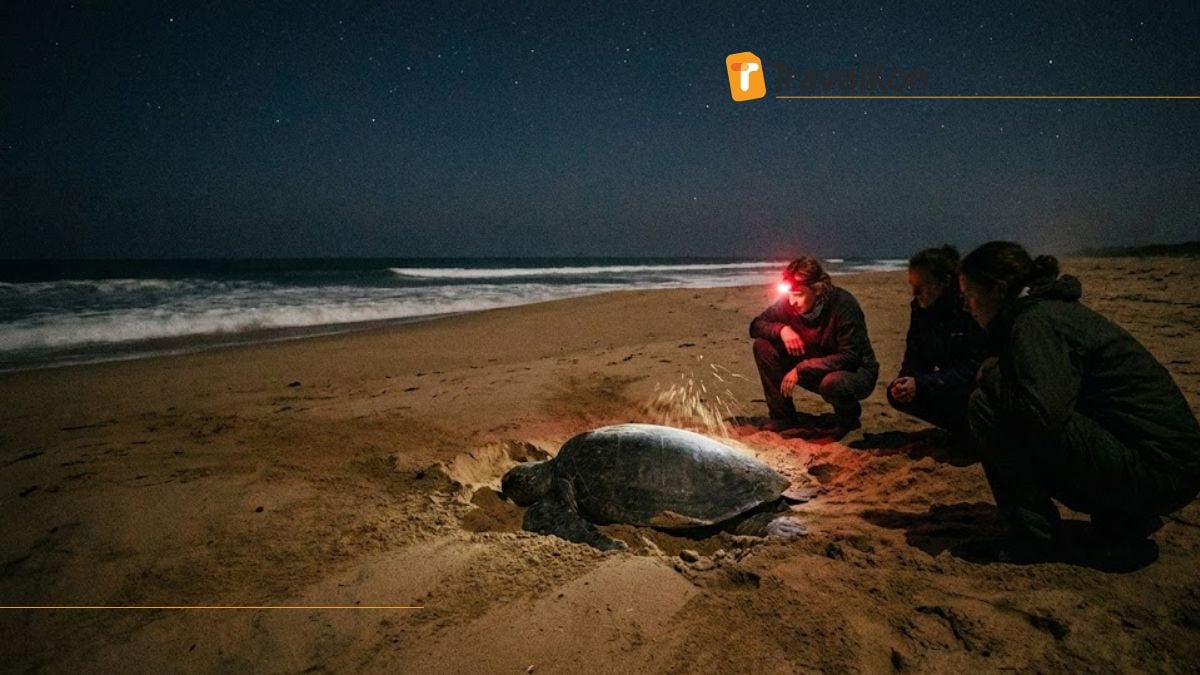
- Tangalle; longer, more exposed beaches, turtle nesting at Rekawa from May to September
- Weligama; beginner surf, fishing town atmosphere, good surf schools
East coast beaches are at their best from May through September:
- Arugam Bay; the island’s main surf destination, right-hand point break, peak season June to August
- Nilaveli; wide white bay north of Trincomalee, calm clear water, access to Pigeon Island snorkeling
- Pasikuda; very shallow bay, good for families with children who are not strong swimmers
- Trincomalee; natural harbour, calmer bay swimming, good base for the northeast
The key difference between the two regions is development level. The south coast has more infrastructure, more accommodation options, and more tourist services. The east coast is quieter, less developed, and offers a more independent-travel oriented experience. Choosing the right coast based on travel dates is more important than any preference between the two.
Best Season for Hill Country and the Scenic Train
The Hill Country around Kandy, Ella, and Nuwara Eliya is at its most comfortable and visually clear between January and April. The southwest monsoon, which arrives in May, brings cloud and rain to the highlands and can reduce visibility significantly. The November to December period sees improving conditions as the monsoon eases.
Key hill country destinations by timing:
- January to April: Ella, Nuwara Eliya, and Horton Plains are clearest and most comfortable; the Kandy to Ella train offers the best views during this window
- June to September: The highlands are lush and green after monsoon rain; misty conditions are common but the landscape has its own appeal
- October to November: Inter-monsoon rain makes this the least reliable period for highland travel
The train between Kandy and Ella via Nanu Oya is one of the more photographed rail routes in Asia. Observation car seats are limited and book out weeks in advance; this applies year-round but particularly between December and March. The journey takes around six hours and passes through tea estates, waterfalls, and mountain tunnels. Travelling by day is necessary to see the scenery; overnight options miss the point.
Who should prioritise this region: couples who want a cooler, more scenic contrast to the coast; slow travellers who want to base in Ella for several nights; backpackers on the standard south coast to Hill Country circuit.
Best Season for Wildlife Safaris
Wildlife viewing in Sri Lanka is strongly tied to water availability. As water sources reduce in the dry season, animals concentrate around remaining tanks and rivers, making sightings more consistent and easier to find.
Recommended national parks by season:
- Yala National Park (south): Best from February to July; the leopard density is high year-round but dry conditions between February and April produce the most reliable sightings. The park closes for a few weeks in September.
- Udawalawe (south-central): Good year-round for elephant herds; one of the more consistent wildlife parks regardless of month
- Minneriya and Kaudulla (Cultural Triangle): Best from June to October when the tank water levels drop and elephant herds of several hundred gather on the exposed grassland; July and August are the peak months
- Kumana (east coast): Best from April to July; good for leopard sightings and bird life; combined well with an Arugam Bay visit
- Bundala (south coast lagoon): Good from November to March when migratory flamingos arrive
The most common mistake when planning a safari is assuming any park works in any month. Yala in the wet season offers reduced access and lower sighting rates. Minneriya in the dry season is unremarkable. Matching the park to the month makes a significant practical difference.
How to Choose the Best Season for Your Trip
The right travel window depends on what you are prioritising. Sri Lanka good time to visit varies meaningfully by experience type, and understanding the trade-offs helps avoid disappointment.
Example scenarios and recommended timing:
- Beach and culture on the south coast: December to March is the clearest window; November and April work for those who can accept some weather risk in exchange for lower costs
- Surf and east coast exploration: May to September; Arugam Bay peaks in June to August
- Wildlife safari focus: February to April for Yala; June to October for Minneriya elephant gathering
- Hill Country and scenic train: January to April for the clearest skies and most comfortable temperatures
- Budget travel with weather flexibility: May and September are shoulder months on the south coast with lower prices and acceptable conditions on alternate coasts
- Both coasts in one trip: April is the most balanced month; neither coast is at its absolute best, but both are manageable
Common mistakes when choosing travel dates: booking flights before checking which coast is in season; assuming October is acceptable because it is low season rather than genuinely difficult; and planning a south coast itinerary for June without building in the east coast as an alternative.
Which month is best to visit Sri Lanka for a single-coast first trip? December to February for the south, June to August for the east. Both answers are correct depending on where you are heading.
Planning Around the Calendar, Not Against It
Sri Lanka is one of those destinations where the planning decisions made before booking matter more than most adjustments made on the ground. The island is small and well-connected enough that once you arrive, most logistics resolve themselves. What does not resolve itself easily is arriving on the wrong coast in the wrong month.
The seasonal split is not a complication; it is a feature. It means the island never fully closes. Every month has a coast that is working well, a national park worth visiting, and a train route worth taking. A Sri Lanka eSim Travel plan keeps you connected as you move between regions; useful when you are rerouting around weather, checking updated road conditions, or booking last-minute accommodation in a town you had not originally planned to stop in.
The travellers who get the most out of Sri Lanka are not necessarily the ones with the most time or the biggest budget. They are the ones who understood the monsoon calendar before they booked, chose their coast deliberately, and left enough room in the schedule to slow down when the place warranted it.

