Transport in Japan: What Has Changed and What First-Time Visitors Need to Know in 2026
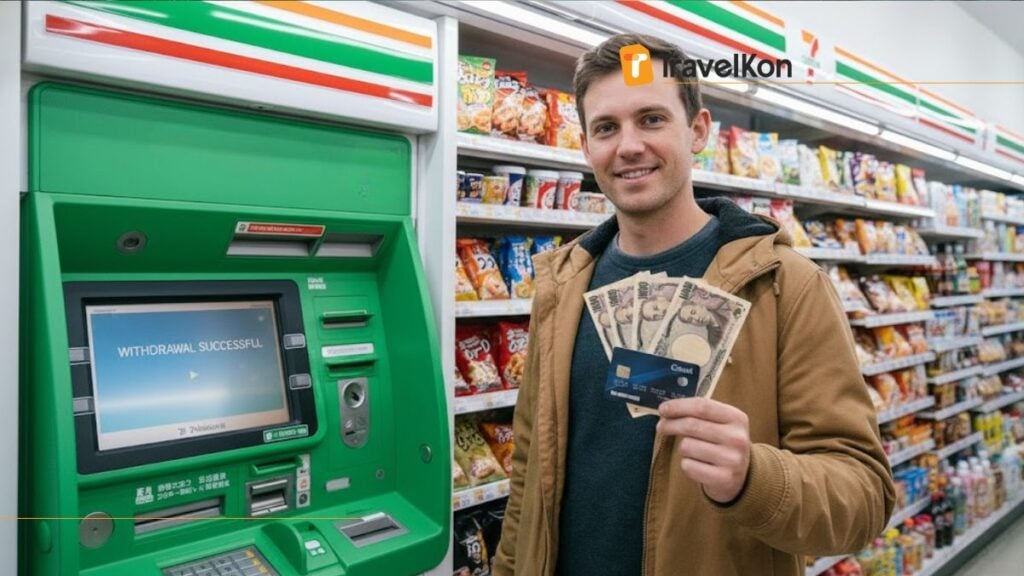
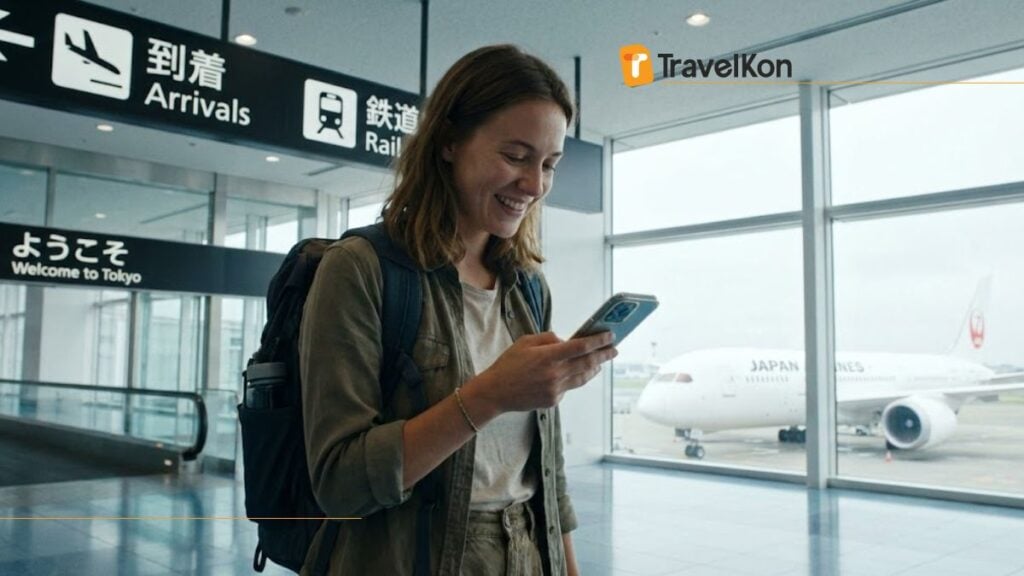
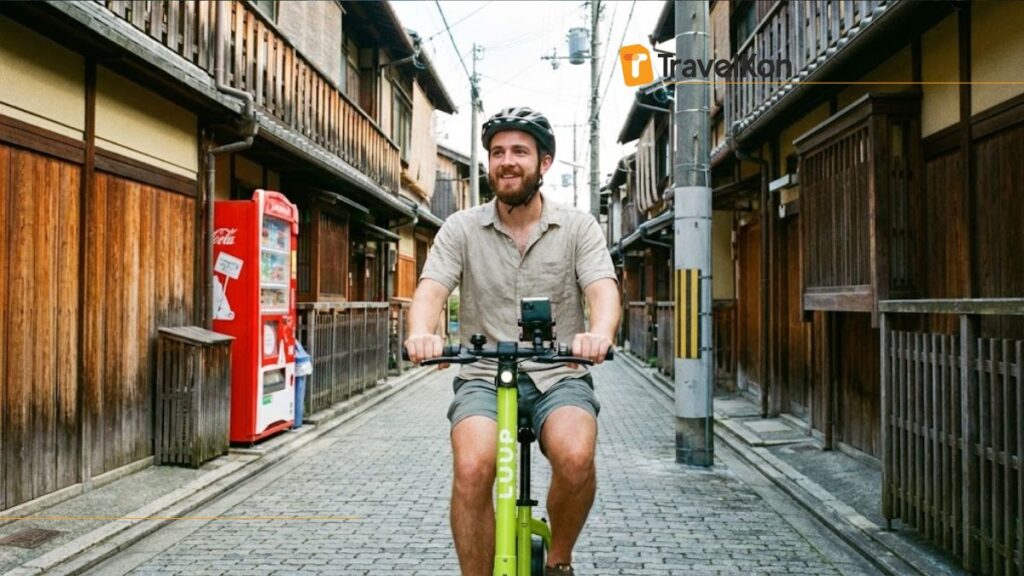
Japan’s transport network is genuinely one of the best-designed in the world, but it punishes visitors who arrive without preparation. Booking the wrong pass, using the wrong app, or misunderstanding luggage rules on Shinkansen creates avoidable friction. Navigation across multiple transport modes; rail, metro, bus, ferry, and ride-hailing; requires reliable mobile data from the moment you land.A Prepaid Japan eSIM with Instant Activation lets you pull up live train schedules, navigate IC card top-up locations, and book Shinkansen seats without depending on airport WiFi. The best esim japan options cover the full national network, which matters when you’re moving between regions. The JR Pass in 2026: When It’s Worth It and When It Isn’t Bottom line: The 2023 price hike made the National JR Pass a poor default choice; calculate your specific routes before buying. The 7-day National JR Pass now costs approximately ¥50,000 (~$333 / ~€311). A Tokyo–Hiroshima–Kyoto–Tokyo round trip on Hikari Shinkansen covers roughly ¥45,000–¥48,000 in regular fares, making the pass worthwhile only for heavy long-distance travel completed within 7 days. For most itineraries, regional passes offer far better value. Regional Pass alternatives: The Nozomi and Mizuho surcharge: JR Pass holders cannot ride Nozomi or Mizuho services without purchasing a full-fare separate ticket. Hikari and Sakura trains cover the same routes and are fully pass-compatible, adding roughly 15–20 minutes per journey. If speed is the priority, budget an additional ¥3,000–¥4,000 (~$20–$27) per Nozomi segment. Pro-Tip: Use the Navitime Japan Travel app to filter routing by JR Pass compatibility before purchasing. Knowing your exact pass value prevents buying the national pass for a Kansai-only trip. IC Cards in 2026: Digital Suica Is the Standard Bottom line: Add Suica or Pasmo to Apple Wallet or Google Pay before you fly; physical cards are available again but digital is faster. After years of chip shortages, Suica cards returned to full availability at major stations in late 2025. Both Suica and Pasmo work across trains, metro, buses, convenience stores, and lockers nationwide. Setting up Mobile Suica before departure: Physical card options: Warning: Welcome Suica expiry catches visitors who load ¥5,000–¥10,000 early and fail to spend it within 28 days. For trips over 28 days or if you want a refund option, choose standard Suica. Recommended starting load: ¥3,000–¥5,000 (~$20–$33) covers airport transit and several days of city travel. Luggage Forwarding and Shinkansen Rules: The Overtourism Adjustment Bottom line: Send large luggage ahead; it costs less than a taxi and removes the most common Shinkansen stress. Luggage forwarding (takuhaibin) via Yamato Transport costs approximately ¥2,200–¥2,500 (~$15–$17) per suitcase from Narita Airport to a central Tokyo hotel, arriving within 24 hours. Repeat between cities for longer itineraries. Most hotels accept forwarded bags before check-in time. Shinkansen oversize baggage rule (2026): Bags with total dimensions exceeding 160cm require a reserved seat with designated oversize space on Nozomi, Hikari, Sakura, and Mizuho services. Traveling without the reservation results in a ¥1,000 (~$7) on-the-spot penalty. Pro-Tip: Forwarding luggage between Kyoto and Tokyo costs ¥2,500 ($17) and eliminates managing bags through two of Japan’s busiest stations; cheaper and easier than any alternative. Digital Navigation and Booking in 2026: The Apps That Actually Work Bottom line: Google Maps handles transit well, but local apps give JR Pass users, taxi bookers, and Shinkansen buyers a clear advantage. Smart EX for Shinkansen booking: The official digital platform for Tokaido and Sanyo Shinkansen routes. Book reserved seats, choose carriages, and skip ticket office queues entirely; a significant advantage during peak periods when queues exceed 30 minutes. Links to a credit card or IC card for gate entry. Navitime Japan Travel: The most Japan-specific English transit app. Key advantages over Google Maps: Go; Japan’s ride-hailing standard: Uber operates in Japan with limited coverage. Go (Mobility Technologies) dominates with far more driver availability across Tokyo, Osaka, Kyoto, and regional cities. Available in English, accepts international cards, and allows advance booking for early-morning airport runs. Warning: Street-hailed taxis cannot provide upfront pricing and may refuse short trips during busy periods. Go and Uber both allow fixed-fare estimation before confirming. 2026 Transport Updates: What Is New and What Is Changing Bottom line: Several changes affect Japan travel logistics in 2026; know them before finalizing your itinerary. JR Hello Kitty Shinkansen; end of service: The Hello Kitty-themed Shinkansen completed its final run in spring 2026. Standard Mizuho and Sakura trains now cover the same Shin-Osaka to Hakata route. International departure tax update: Japan’s departure tax of ¥1,000 (~$7) per person is under review for an increase in late 2026 as part of overtourism management policy. The tax is collected within your outbound airfare; no separate airport payment required. Crowd-alternative routes worth considering: Beyond Trains: Japan’s Broader Transport Landscape in 2026 Bottom line: E-scooters, overnight buses, ferries, and rental bicycles cover travel needs that trains do not. LUUP e-scooters and e-bikes: Expanded across Tokyo, Osaka, and Kyoto neighborhoods in 2026. Users aged 16 and above do not need a driver’s license but must complete an in-app English safety quiz and verify identity with a passport. Rates run approximately ¥200 (~$1.33) to unlock plus ¥15–¥20 per minute; effective for covering the gap between metro stations and specific temples or restaurants. Overnight lie-flat buses: Dream Sleeper and newer services on the Tokyo–Osaka route offer 180-degree reclining seats with privacy partitions for approximately ¥10,000–¥14,000 (~$67–$93). This functions as a moving hotel room that saves one night’s accommodation cost. Rickshaw (jinrikisha) tours: Not practical commuting; these are guided neighborhood tours in Asakusa, Arashiyama, and Kamakura priced at ¥3,000–¥8,000 (~$20–$53) for 10–30 minutes. Pullers in major tourist areas typically speak conversational English. Rental bicycles and Cycle Terminals: In areas like Shimanami Kaido and rural Okayama, cycling is a core activity. Cycle Terminals allow one-way rentals; pick up at one location, return at another; for approximately ¥1,000–¥3,000 (~$7–$20) per day. Ferry and island-hopping: Seto Inland Sea ferries connect Hiroshima, Onomichi, and the Shimanami islands at a slower pace. Overnight ferries to Kyushu from Osaka include passenger cabins and onsen facilities; a practical alternative
Transport in Japan: What Has Changed and What First-Time Visitors Need to Know in 2026 Read More »