Travel Guides

digital nomad visa bali

Bali Digital Nomad Visa: How to Apply and What Remote Workers Need to Know

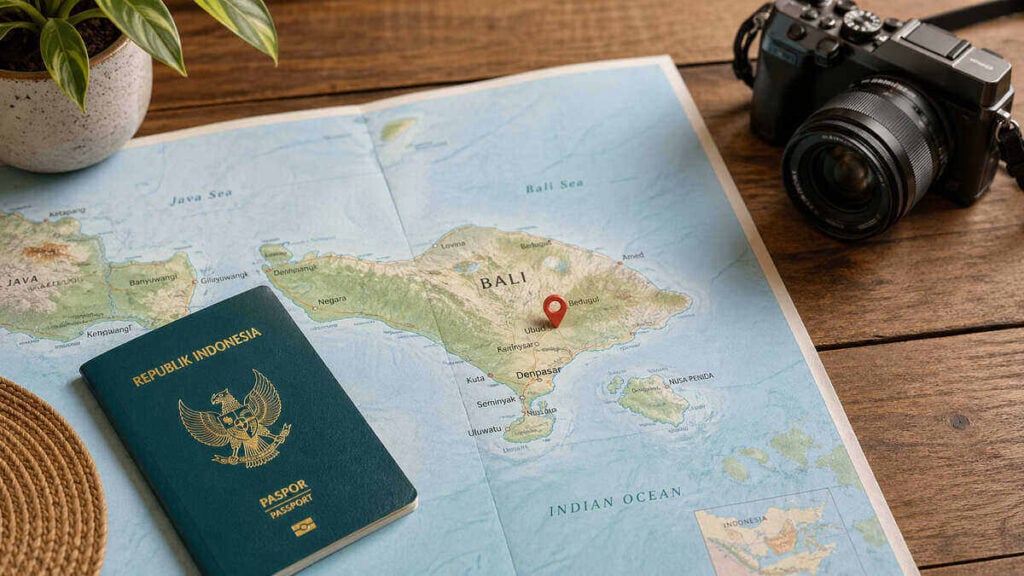
If you have been thinking about how to get a Bali digital nomad visa, you are probably already picturing what a longer stay could look like. Maybe you want more time in Bali without rushing through a short holiday, or maybe you want to work remotely from Bali while keeping your employer, clients, and income outside Indonesia. Either way, it helps to clear up one thing early. Bali does not have a separate visa system of its own.  What People Mean When They Search for a Bali Digital Nomad Visa As mentioned above, the phrase gets used a lot because Bali is the place readers care about, but the visa rules sit at Indonesia level. In practice, most people searching for a Bali visa for remote workers want to know whether they can stay in Bali while working online for an employer or business based overseas.  The Remote Worker Visa ( E33G) is designed for that, and allows you to carry out assignments from an overseas company, travel to and from Indonesia, and stay for up to one year. However, those under this visa are prohibited from selling goods or services in Indonesia or receiving compensation from individuals or companies in Indonesia, which is why the visa is best understood as a remote work pathway tied to offshore income rather than local employment. Who This Bali Remote Work Visa Is Best For As the name implies, this Bali remote work visa path is most relevant for remote employees and some contractors whose work arrangement clearly sits outside Indonesia. It may also suit some founders or consultants, but the current official document requirements specifically include an employment contract with a company established outside Indonesian territory.  That means anyone with a less standard setup should check the fit carefully before applying. If your plan involves local clients, local billing, or taking work inside Indonesia, this is where you need to be cautious. Bali Digital Nomad Visa Eligibility and Requirements Before looking at how to apply for the Bali digital nomad visa, it helps to get clear on the current eligibility points and Bali visa requirements. For the E33G route, Immigration currently lists a passport with at least six months of passport validity, a personal bank statement showing at least US$2,000 over the last three months, a recent photograph, a CV, a travel itinerary, proof of income worth at least US$60,000 per year, and an employment contract with a company established outside Indonesia.  Additionally, the visa must be used to enter Indonesia within 90 days from the date of issue, while the stay itself is listed as up to one year. In a nutshell, your application needs to show who you are, that you can support yourself, and that your work arrangement is genuinely offshore. That is the core of the current Indonesia digital nomad visa pathway. The easiest way to make the process feel manageable is to gather the documents needed before you begin the online form. You also need an account on the eVisa portal, and should prepare electronic files in PDF or JPEG format before submitting the application. Beyond the formal visa paperwork, it is also smart to sort the practical parts of the move early. That can include your first accommodation details, your flight timing, any health insurance you want in place before departure, and your general arrival preparation. Even where those items are not the core documents listed on the visa page, having them organised makes the move far smoother. How to Apply for a Bali Digital Nomad Visa Step by Step 1. Start with the official Indonesia eVisa portal To apply for the Bali digital nomad visa, start with the official Indonesia eVisa system rather than a third-party summary. Bali may be the destination, but the visa sits under Indonesia’s national Immigration framework. The government portal sets out the basic flow clearly: apply, pay, then download the visa once it is approved. 2. Choose the correct visa category The Indonesian Immigration pages currently identify E33G as the remote worker option for people carrying out tasks from a foreign company while staying in Indonesia, so ensure you choose that if it’s what you need. 3. Create your account and upload your documents All applicants must have an account on the eVisa platform before applying. Once you are logged in, you can start the form and upload the required files. Your name, passport details, and supporting documents should all match cleanly across the application. 4. Pay the visa fee For the current E33G route, the official pages list a one-year stay and a fee of 7,000,000 IDR. The Immigration listing also shows the related fee lines attached to the visa. Because official fees can change, it is always worth checking the live government page again before paying. 5. Allow enough time for processing Currently, processing of the E33G visa takes five working days after payment is received. That gives you a useful baseline for planning, but it is still better not to leave your application until the week of departure. 6. Download the approved visa and prepare for arrival Once approved, the eVisa portal says the visa can be downloaded from the link sent to your email. Keep digital copies in more than one place before you travel. This is also the point to finish your arrival preparation, confirm your airport transfer and first accommodation, and make sure you understand the broader Bali entry requirements before departure.  Keep in mind that travellers are required to submit an arrival card within three days before arrival. If you want a broader pre-trip checklist, our guide to Bali entry requirements can help you get started. 7. Keep the visa validity and stay period separate in your mind This is an easy detail to miss. The visa must be used to enter Indonesia within 90 days from the date of issue. However, the visa duration or validity period is different from the period of stay. For E33G, you have a stay period

Bali Digital Nomad Visa: How to Apply and What Remote Workers Need to Know Read More »

bali expat life

Bali Expat Life: Cost of Living Guide for Long-Stay Travellers and Remote Workers

Bali still looks affordable from a distance. The trouble starts when people budget for the version of Bali they imagine rather than the one they are actually likely to live in. Rent in popular areas has climbed, convenience spending adds up fast, and the gap between a lean setup and a comfortable one is much wider than many first-time movers expect.  This Bali expat life cost of living guide will help you price Bali properly before you commit to a move, a few months abroad, or a longer remote-work stint.  Who This Bali Cost of Living Guide Is For This guide is written for remote workers, digital nomads, long-stay travellers, and anyone comparing living in Bali as an expat with staying put or choosing another base in Asia. It is also useful for couples trying to work out shared costs, and for solo travellers who want a realistic view of the Bali cost of living for singles rather than backpacker maths.  The point is not to sell Bali as cheap. But rather show where the money actually goes once you move beyond short-stay tourist spending and start building a real Bali monthly budget. Is Bali Still Affordable for Expats? This destination still works well for expats, but the real cost of living in Bali depends less on fantasy and more on housing choices, visa planning, transport habits, and whether your daily routine leans local or imported. Current travel guides still place a modest solo lifestyle around the lower end of the market, while a comfortable setup for remote workers lands much higher once private accommodation, gym spend, coworking, health cover, and a mix of local and Western dining are added.  Bali.com places mid-range living for digital nomads and remote workers at roughly USD 1,200 to USD 1,800 per month, while most guides put modest solo living closer to USD 900 to USD 1,200 and a more comfortable expat setup around USD 1,800 to USD 2,500. The point is not the exact number. It is that the Bali expat cost of living changes quickly once you stop living like a short-term visitor and start paying for privacy, convenience, and consistency. Average Bali Remote Worker Budget A good way to think about Bali living costs is by lifestyle tier rather than chasing one magic number. At the lower end, people usually keep costs down with a simple room or guesthouse, local meals, scooter transport, and a base outside the busiest strips. In the middle, which is where many remote workers land, the spend rises because you are paying for a private place, a better location, more café meals, stronger Wi-Fi, and a more stable routine.  That mid-range band is the most common setup for digital nomads, with private accommodation, mixed dining, scooter or ride-app transport, and regular fitness or social spend included in the picture. That is why a realistic Bali digital nomad budget is best treated as a range, not a neat one-line promise. Accommodation Is the Biggest Budget Variable If one line item decides your budget, it is housing. Bali accommodation costs move more than almost anything else, depending on where you stay, how long you commit to, how much privacy you want, and whether you are happy with a room, co-living, apartment, or full villa. Current mid-range living rates put private apartments, simple villas, or co-living options around USD 500 to USD 1,000 per month. However, a more comfortable expat setup with a private villa in areas such as Sanur, Ubud outskirts, or Pererenan can push the monthly budget much higher. That is why Bali rent prices can swing your total harder than food, transport, or coworking. A cheaper room in a practical area can keep the whole month under control. A private villa in a high-demand pocket can change the entire budget on its own. As you can see, area choice matters as much as the property itself. If you want to compare neighbourhoods before you decide, you can have a look at some of the best locations to stay in Bali. Your choice affects not just rent, but how often you use transport, how much you spend on cafés, and whether your daily routine quietly drifts into premium territory. Cost of Food and Groceries in Bali Bali food costs are where a lot of people either save money without trying or lose control of their budget without noticing. You can get an inexpensive restaurant meal at about Rp46,778, a meal for two at a mid-range restaurant at about Rp431,229, and a cappuccino at about Rp36,106. Those numbers tell you that eating local can still be very manageable, but a steady cafe routine in expat-heavy areas changes the picture. In practice, food spending comes down to where you choose to eat. If you are happy eating at warungs most days and using supermarkets for basics, daily expenses in Bali stay fairly reasonable. If you prefer Western brunches, imported groceries, wine, and delivery, your spending starts to look very different. This is one of the biggest reasons two people can talk about the cost of living in Bali as if they are describing two completely different islands. Transport Costs in Bali Depend on Convenience Bali transport costs usually sit well below rent, but they still deserve attention because convenience tends to inflate them. Scooter or ride-app transport is roughly USD 80 to USD 150 per month. That feels manageable until you factor in what happens when you live slightly too far from your usual cafes, gym, beach, or workspace and start leaning on ride apps several times a day. And that is why transport is really more of a location question. A scooter and a sensible base can keep your transport spending light. A lovely villa that is just far enough away from everything can make even short trips feel like a recurring tax on your week. For anyone building a Bali budget by lifestyle, transport should be priced alongside accommodation rather than treated as a separate afterthought.

Bali Expat Life: Cost of Living Guide for Long-Stay Travellers and Remote Workers Read More »

Do I need a visa for Europe from Australia

Do I Need a Visa for Europe from Australia? 101 Complete Guide

If you’re an Australian planning a European adventure, the question “Do I need a visa for Europe from Australia?” is crucial. Many travelers from Australia can benefit from visa-free travel to much of Europe, especially the Schengen Area, for short stays. However, recent updates like the new ETIAS travel authorization system have added steps to the process. This article dives into the most commonly asked questions by Australians about visa requirements, travel authorizations, and entry conditions to Europe — all designed to help you travel confidently and smoothly. What Are the Current Visa Requirements for Australians Traveling to Europe? Australians can generally enjoy visa-free entry to the Schengen Area countries for stays up to 90 days within any 180-day period, primarily for tourism, business, or family visits. A valid passport, which must be valid for at least three months beyond your intended departure from Europe, is essential. The Schengen Area covers 29 countries, including popular destinations like France, Italy, Spain, and Germany. Importantly, though no traditional visa is needed for short stays, travelers must still comply with border checks and may need to show proof of onward travel or sufficient funds. Traveling last summer, I remember breezing through customs in Paris with just my passport and travel itinerary, highlighting how straightforward this process is under the visa exemption rules. So, Do I need a visa for Europe from Australia? Travel Essentials Checklist for Visa-Free Entry What Is ETIAS and How Does It Affect Australian Travelers? Starting mid-2025, Australian travelers to Schengen countries must apply for the European Travel Information and Authorization System (ETIAS) before their visit. ETIAS is an electronic travel authorization designed to improve security by pre-screening visitors from visa-exempt countries. This process requires submitting an online application with passport details, traveler information, and security questions, supported by a valid email and a credit/debit card for a small processing fee. ETIAS approval lasts for three years or until the passport expires, simplifying multiple trips within that period. During preparation for a recent trip, I submitted my ETIAS application online in minutes, receiving approval quickly, which brought peace of mind for my upcoming travels. ETIAS Application Requirements How Can I Calculate My Visa-Free Days in Europe? Understanding the Schengen 90/180-day rule is essential to avoid overstaying. The rule allows Australians to stay in the Schengen Area for a total of 90 days within any rolling 180-day period, meaning your time in Europe is counted backward from each day of your stay. For example, if your trip involves multiple entries or travel outside the Schengen Area, each day counts toward your 90-day allowance. Online calculators provided by the European Commission help travelers track these days to plan accordingly. Once, I mistakenly underestimated my days in the Schengen zone, which led me to use an official calculator tool that helped me realign my travel plans and avoid penalties. So, Do I need a visa for Europe from Australia? Practical Steps to Track Visa-Free Days What Are Typical Entry Requirements Beyond Visas for Australian Travelers? Besides visa or ETIAS, travelers must meet standard border entry requirements including the presentation of a valid passport, possibly proof of onward travel, and showing financial means for the stay. Border officials have the final say whether to admit travelers. Having documents like accommodation reservations, travel insurance, and return tickets can ease entry. It’s also advisable to be aware of any travel restrictions or alerts against certain regions due to health or security concerns, and check these before departure. On one trip, being prepared with printed hotel confirmations and travel insurance gave me confidence at customs and helped smooth entry procedures. So, Do I need a visa for Europe from Australia? Key Entry Checklist for European Borders Where Can Australians Find Official Information and Assistance for Their European Travel Visa Needs? Australians planning to travel to Europe can find up-to-date information on visa and travel requirements from official government sources like the Australian Department of Foreign Affairs and Trade (Smartraveller) and the EU’s official ETIAS site. Travel insurance providers, consular services, and visa assistance companies also offer valuable help for securing required documents and understanding regulations. Having reliable sources ensures you stay informed about any changes, including sudden border policies or safety advice, essential for stress-free travel planning. On my last trip, the Australian government’s Smartraveller website was my go-to resource for the latest updates, giving me confidence that my travel plans were fully compliant. Top Resources for Visa and Travel Information

Do I Need a Visa for Europe from Australia? 101 Complete Guide Read More »

eSIM Australia prepaid options

eSIM Australia Prepaid Options, Best Prepaid SIM Australia 2026

eSIM Australia prepaid options offer a flexible and tech-savvy alternative to traditional SIM cards, ideal for 2026 travelers and residents. This guide reviews the best prepaid SIM plans with eSIM compatibility, focusing on affordability, data packages, and network coverage. Whether you want hassle-free activation or extensive plan choices, understanding the latest eSIM options ensures an optimal mobile experience in Australia. Explore the top eSIM providers and plans to stay connected effortlessly. Australia & New Zealand eSIM The Australia & New Zealand eSIM from TravelKon offers flexible, data-only mobile connectivity suitable for travelers visiting these countries. It provides up to 30GB of 4G/5G data valid for 7 to 30 days depending on the plan purchased, with unlimited data at reduced speeds after the cap is reached. The eSIM Australia prepaid is easy to activate using a QR code sent instantly via email without any ID registration required. It supports hotspot tethering and works on a reliable network provider, CSL HK, compatible with unlocked eSIM capable phones. Users benefit from a seamless and convenient connection experience spanning Australia and New Zealand with no daily data limits. TravelKon eSIM for Australia & NZ offers fast data, easy activation, and seamless calls/texts. One of the best user testimonials highlights the convenience and reliability: “I loved how easy and fast the activation was—just scanned the QR code and I was connected right away upon arrival in Australia. The internet speed was great for navigating and streaming, and having coverage in both Australia and New Zealand with one eSIM was fantastic. Highly recommend for traveling in these regions!” For more details or purchase, see the official product page here: Australia & New Zealand ESIM – TravelKon. Asia, Europe, USA, Mexico eSIM 28 Countries The Asia, Europe, USA & MX eSIM from TravelKon offers extensive coverage including Australia and 28 other countries, providing seamless 4G/5G data connectivity for international travelers. This eSIM is designed for flexibility and convenience, allowing users to stay connected across multiple continents without needing to change SIM cards. Activation is instant via a QR code, with no physical SIM required, and it is compatible with most unlocked eSIM-capable phones. The plans come with generous data allowances and various duration options, making it ideal for those who travel frequently or visit multiple countries in one trip. Get fast Australia eSIM for 28 countries Asia, Europe, USA & Mexico with instant activation. A standout testimonial from a satisfied user expresses: “Using this eSIM was a game-changer for my multi-country trip. Installation was super easy—just scanned the QR code, and I was online instantly in Asia and later in Europe without any issues. The internet speed was stable, and I didn’t have to worry about buying various local SIMs. Highly recommend for frequent travelers!” For full details and purchase options, you can visit: Asia, Europe, USA & Mexico eSIM – TravelKon. Orange Global Explorer eSIM 180+ Countries The World eSIM by Orange available on TravelKon offers comprehensive coverage including Australia, enabling seamless 4G and 5G connectivity across 180 countries worldwide. This global eSIM solution is ideal for travelers seeking reliable and flexible internet access during international journeys without the hassle of physical SIM cards. It provides multiple data plans with high-speed data allowances and easy digital activation through QR code scans compatible with most unlocked eSIM-capable devices. The coverage is robust with the support of Orange’s extensive network infrastructure, ensuring connectivity in Australia and a wide range of global destinations. Global coverage in 180 countries with Orange eSIM Australia, fast data, unlimited calls & easy setup. One of the best user testimonials captures the essence of its convenience and reliability: “The World eSIM by Orange was my go-to for my worldwide travels, especially in Australia. The setup was instant via QR code, and the coverage and internet speed were excellent everywhere I went. Having one SIM to cover so many countries saved me from buying multiple local SIMs — I highly recommend this for any frequent traveler!” For more product details and to purchase, visit: World eSIM 180+ Countries Orange – TravelKon. World Explorer 5G eSIM Connect globally with World Explorer eSIM: 100+ countries, fast data, simple activation. The World Explorer eSIM by TravelKon offers robust coverage including Australia, providing seamless 5G and 4G connectivity across more than 180 countries worldwide. This global eSIM solution is perfect for travelers who want a flexible, hassle-free internet option that eliminates the need for multiple physical SIM cards. It features easy digital activation via QR code, compatible with most unlocked eSIM-enabled devices, and offers a variety of data plans tailored for different travel durations and usage needs. With extensive and reliable coverage, especially in Australia, it ensures travelers stay connected wherever their journey takes them. One of the best user testimonials highlights the practical convenience and excellent performance: “I used the World Explorer eSIM during my trip to Australia and beyond, and it worked flawlessly. Activation was quick and easy, and I never had to worry about losing connection as I traveled. The internet speed was impressive, making navigation and communication smooth throughout. Highly recommended for anyone traveling internationally!” For more details and purchase options, you can visit: World Explorer eSIM – TravelKon. Feature / Product Australia & New Zealand eSIM Asia, Europe, USA & Mexico eSIM (28 Countries) Global eSIM 180 Countries Orange World Explorer eSIM (180+ Countries) Coverage Australia, New Zealand only Australia + 27 other countries in Asia, Europe, USA, Mexico Australia + 179 countries worldwide Australia + 180+ countries worldwide Data Plans Various data allowances for different durations Flexible plans with varied data for multi-country use Multiple high-speed 4G/5G data plans Various plans for different travel durations Special Features Data-only service, ideal for trips to Australia & NZ Multi-region coverage, no need to swap physical SIMs Strong global network by Orange with broad coverage Flexible global use, supports hotspot tethering Ideal for Travelers focused on Australia & New Zealand Travelers covering Asia, Europe, USA, and Mexico Global travelers seeking wide coverage and reliable network

eSIM Australia Prepaid Options, Best Prepaid SIM Australia 2026 Read More »

New Zealand famous landmarks

New Zealand famous landmarks to explore in 2026

New Zealand famous landmarks to explore hold an irresistible charm for travelers worldwide. From towering structures to geysers and castles, this diverse country offers attractions that combine natural wonders and historical marvels. Whether you’re planning your first trip or returning to uncover hidden gems, this guide will fuel your wanderlust and equip you with essential insights to make the most of your journey. New Zealand famous landmarks, unique to explore: What Are the Most Famous Landmarks in New Zealand? New Zealand’s iconic landmarks include the Sky Tower in Auckland, the tallest tower in the Southern Hemisphere at 328 meters. The Phutu Geyser in Rotorua commands attention as the largest geyser in the Southern Hemisphere, erupting spectacularly around 15 times a day. Nearby, the Wai-O-Tapu Geothermal Wonderland offers vivid geothermal pools and geysers such as the Champagne Pool and Lady Knox Geyser. The historic Otago Peninsula Castle in Dunedin showcases Gothic architecture surrounded by lush gardens. Exploring these landmarks reveals New Zealand’s natural beauty and architectural heritage, highlighting the contrast between modern urban structures and ancient geothermal forces. New Zealand famous landmarks, explore! How to Choose Which Landmarks to Visit What Are Some Interesting Facts About New Zealand’s Landmarks? The Phutu Geyser bursts with a sulphurous stream reaching 30 meters high, lasting about ten minutes each eruption. The Sky Tower’s observation decks offer panoramic views of Auckland’s skyline extending 80 kilometers on clear days. Wai-O-Tapu’s Champagne Pool is a volcanic cauldron with vibrant colors from mineral deposits, while Lady Knox Geyser regularly shoots fountains up to 20 meters high. These facts add a captivating layer to visiting each site, making every tour an educational experience sprinkled with wonders of nature and engineering. Enhancing Your Experience with Landmark Facts When Is the Best Time to Visit New Zealand’s Landmarks? New Zealand’s climate remains temperate year-round, with summer and winter temperatures varying by about 10°C. Visit the Sky Tower in the evening to enjoy city lights, while the Otago Peninsula Castle shines during daylight hours. Rotorua’s geothermal areas can be explored anytime, but early morning or late afternoon visits offer cooler temperatures and fewer crowds. Planning your trip by season and time of day optimizes your experience, avoiding peak tourist hours and climate discomfort. Best Visiting Times for Quality Experience What Are Some Other Popular Attractions in New Zealand? Besides the famous landmarks, New Zealand offers other captivating destinations like the Te Whakarewarewa Geothermal Valley and Te Puia Reserve, home to 65 geysers and over 500 hot springs. The living Maori village of Te Whakarewarewa provides an authentic cultural experience. Nature enthusiasts will enjoy the Kiwi Conservation Center, a sanctuary dedicated to preserving the iconic kiwi bird. These sites enrich your travel itinerary with cultural depth and ecological adventures. Including Additional Attractions to Enrich Your Trip Are There Any Unique Features About New Zealand’s Landmarks? New Zealand’s geothermal features stand as unique natural wonders with extraordinary hot springs and geysers. The Sky Tower is not just a landmark but a crucial telecommunication hub. Otago Peninsula Castle is New Zealand’s only castle, blending historic elegance with beautiful, extensive gardens and diverse activities. These distinctive attributes make exploring New Zealand’s landmarks a one-of-a-kind experience, combining nature, history, and modern innovation. Maximizing Unique Experiences at New Zealand Landmarks

New Zealand famous landmarks to explore in 2026 Read More »

Best Travel Insurance for Europe

Best Travel Insurance for Europe, Secure Your Trip Now!

Best travel insurance for Europe is a must-have for global tourists heading to iconic destinations like Paris, Rome, London, Amsterdam, and Barcelona. Ensuring you have the right coverage provides peace of mind against medical emergencies, trip cancellations, lost baggage, and more, allowing you to explore Europe’s rich culture and stunning landscapes worry-free. Whether you’re wandering through historic sites or indulging in local cuisines, the right insurance plan keeps you prepared for the unexpected throughout your European adventure. What is the best travel insurance for Europe? Choosing the Right Provider The best travel insurance for Europe is determined by your specific needs, including coverage for medical emergencies, trip interruptions, and personal belongings. Providers like IMG, Nationwide, WorldTrips, and Seven Corners are highly rated for their comprehensive plans tailored to travelers visiting major cities such as Paris, Rome, and London. These companies offer plans with flexible terms and solid customer support, key for handling issues quickly during your trip. Narratively, travelers often share how choosing a reputable provider transformed their experience—from smooth claim processes during medical emergencies in Madrid to hassle-free assistance with flight cancellations in Venice. Such real stories reinforce the importance of picking a travel insurance provider with extensive European network support and easy claim filing. How to Quickly Compare Top Providers Do I need travel insurance for Europe? Why it’s Essential Travel insurance is highly recommended for Europe given the varying healthcare costs, unpredictable trip disruptions, and potential loss or theft of belongings. Across popular destinations like Amsterdam’s canal district or the Swiss Alps, unexpected medical treatments or travel delays can incur high costs without coverage. Insurance not only protects your finances but also offers services like emergency evacuation and 24/7 travel assistance. Many travelers have recounted sudden hospital visits for illnesses in Barcelona or urgent trip cancellations due to weather in Dublin, where insurance coverage saved them from financial burden and stress. This essential safety net turns travel mishaps into manageable situations, ensuring your journey continues as planned. Important Benefits of Having Travel Insurance What does travel insurance for Europe typically cover? Understanding Key Coverage Typical coverage includes medical expenses, trip cancellations, travel delays, lost luggage, and personal liability. For example, medical coverage is crucial in cities like London or Paris where healthcare services are costly for non-residents. Trip cancellation coverage reimburses prepaid costs if your plans change unexpectedly, while lost luggage protection helps replace essential items during your stay in Rome or Vienna. Personal liability coverage also protects you against legal claims if you accidentally cause damage or injury. This broad scope ensures that whether exploring museums or hiking in the Alps, you enjoy the necessary support and compensation for unforeseen events. Key Inclusions of European Travel Insurance Plans How much does travel insurance for Europe cost? Factors Affecting Price The price of travel insurance varies based on age, trip length, coverage level, and destination specifics. For a one-week trip to European hubs like Paris, Rome, or Barcelona, costs typically range between $50 to $200, with premium plans offering extended coverage or higher payout limits. Longer trips or travelers with pre-existing conditions may incur higher rates. Travelers who have opted for budget plans sometimes faced limited coverage when accidents occurred, emphasizing the importance of balancing cost with comprehensive protection. Many recommend purchasing insurance early to access better rates and avoid last-minute price surges. Tips to Manage Travel Insurance Costs Can I buy travel insurance for Europe at the last minute? What to Expect Yes, last-minute travel insurance purchases are possible and often supported by major providers. However, buying insurance late may exclude coverage for pre-existing conditions or trip cancellations related to known circumstances. Early purchase is ideal for full protection. Travelers who bought last-minute insurance sometimes experienced delays in activation or exclusions for coverage during their trip to cities like Amsterdam or Prague. Customer support availability is another factor to consider when opting for last-minute plans, ensuring timely assistance in emergencies. Last-Minute Purchase Considerations Securing the best travel insurance for Europe empowers tourists to explore with confidence—from the romantic streets of Paris to the vibrant culture of Rome and historic charm of London. With tailored plans addressing the most common concerns and thorough preparation, you can focus fully on creating memories rather than worrying about unexpected setbacks.

Best Travel Insurance for Europe, Secure Your Trip Now! Read More »

Plymouth Europe Visit

Discover Plymouth Europe, History, Nature & Vibrant City Life!

Plymouth Europe invites global travelers to dive into a captivating mix of historic grandeur, stunning natural beauty, and lively urban culture. This vibrant waterfront city offers more than just picturesque views—the echoes of its rich naval past and its unique charm provide a memorable experience for every visitor. Whether you’re drawn by heritage, nature, or the bustling food and arts scene, Plymouth has something to enchant every traveler from all corners of the globe. What Is the Historical Significance of Plymouth in Europe? Plymouth’s history stretches back to the Bronze Age, evolving through centuries into the bustling port city known worldwide today. Notably, it is famed as the departure point of the Pilgrim Fathers aboard the Mayflower in 1620, marking a defining episode in transatlantic history. The city’s naval heritage shines through with landmarks such as the Devonport Naval Heritage Centre, preserving the story of one of Europe’s key naval dockyards. Walking through Plymouth, visitors experience history firsthand as they explore the Mayflower Steps or visit the Devonport Dockyard, absorbing tales of seafaring and exploration that shaped both European and New World history. Key Historical Insights About Plymouth What Are the Best Attractions to Visit in Plymouth? Plymouth is home to some of the UK’s most compelling attractions. From the Mayflower Steps to the Plymouth Gin Distillery, the city blends history with modern-day appeal beautifully. Nature lovers can enjoy the UK’s largest aquarium, while cultural enthusiasts will find vibrant shopping, art galleries, and entertainment bustling throughout the city. Visitors often relish strolling along the picturesque waterfront or sampling locally crafted gin, connecting past and present through immersive, memorable experiences. Must-Visit Plymouth Attractions What Nature Experiences Can Tourists Enjoy in Plymouth? Plymouth offers several lush parks, nature reserves, and coastal walks that showcase the city’s natural beauty. The waterfront area provides scenic strolls alongside views of the English Channel, while nearby green spaces cater to those seeking tranquility. The mix of urban and natural escapes makes Plymouth ideal for outdoor enthusiasts and photographers alike. Visitors often share stories of peaceful mornings by the water or wildlife spotting in quiet parks, highlighting the city’s balance of nature and urban life. Top Nature Activities in Plymouth How Can Visitors Experience Plymouth’s Vibrant Cultural Scene? Plymouth thrives with a rich cultural tapestry that includes arts festivals, theaters, and diverse dining options. The city boasts numerous galleries and hosts annual events celebrating music, food, and heritage. Its culinary scene reflects the port city’s global influences, offering fresh seafood and innovative culinary delights. Guests often find themselves drawn into lively markets, quaint cafes, and historic pubs, where the warm atmosphere and cultural richness create a truly engaging visit. Highlights of Plymouth’s Cultural Life What Travel Tips Are Essential for Visiting Plymouth? Planning a trip to Plymouth requires knowing the best seasons to visit, transportation options, and local customs. Spring and summer offer the best weather for outdoor activities, but the city’s charm shines throughout the year. Public transport and walking are excellent ways to explore, and booking accommodations in the waterfront or city center helps maximize the experience. Travelers appreciate easy access to historical sites, plus advice on dining, local events, and practical tips to navigate the city comfortably. Important Travel Tips for Plymouth Visitors

Discover Plymouth Europe, History, Nature & Vibrant City Life! Read More »

Abruzzo Europe Escape

Discover Abruzzo Europe, Scenic Escape & Insider Local Tips!

Abruzzo Europe escape invites global travelers to discover a captivating region known for its stunning scenery, rich history, and authentic Italian culture. From soaring mountains and pristine national parks to charming medieval villages and beautiful Adriatic beaches, Abruzzo offers a unique blend of nature and tradition. This guide addresses the most common questions about visiting Abruzzo, helping tourists unlock the best experiences that this less-explored Italian region has to offer. What Are the Must-Visit Scenic Spots in Abruzzo? Unveiling Natural & Historical Beauty Abruzzo is famous for its national parks like Gran Sasso and Monti della Laga, where visitors can enjoy majestic mountain views and rare wildlife sightings including bears and golden eagles. The Adriatic coastline dazzles with picturesque beaches, while medieval towns such as Civita di Bagnoregio showcase rich cultural heritage. Visitors immerse in the harmony of unspoiled nature and ancient history that defines the region. Tourists often recount hiking through lush trails in the national parks or strolling cobblestone streets in medieval villages, experiencing a genuine connection to Abruzzo’s soul. Top Scenic Spots in Abruzzo How Can Travelers Experience Authentic Italian Culture in Abruzzo? Local Traditions & Cuisine Authenticity reigns in Abruzzo where visitors are encouraged to stay in cozy B&Bs or agriturismos for a true taste of regional life. Engaging with locals reveals time-honored traditions and vibrant customs. The culinary delights such as arrosticini lamb skewers and wild boar ragù (pappardelle al cinghiale) highlight Abruzzo’s rich gastronomic heritage. Visitors share meaningful moments dining with local families or participating in festivals that celebrate the region’s enduring cultural identity. Authentic Cultural Experiences in Abruzzo What Are Key Local Tips for Traveling in Abruzzo? Insider Advice for an Exceptional Trip Travelers benefit from exploring beyond typical tourist paths to discover hidden gems throughout Abruzzo’s diverse landscapes. Planning visits during spring or autumn maximizes comfort with mild weather and lively local events. Renting a car is recommended to access remote areas and scenic routes often missed by public transport. Tourists often highlight the rewarding experience of spontaneous roadside stops where nature and history meet in peaceful, lesser-known spots. Practical Travel Tips for Abruzzo How to Plan Activities and Seasonal Adventures in Abruzzo? Making the Most of Your Visit Seasonal opportunities abound in Abruzzo, from hiking and wildlife watching in summer to skiing in winter’s mountainous terrain. National parks offer trails for all skill levels and peaceful spots for picnics and photography. During autumn, the Festival of San Gennaro and other local celebrations enrich the cultural calendar. Tourists reminisce about lively street festivals coupled with breathtaking natural settings, creating perfectly balanced travel memories. Seasonal Activities to Enjoy in Abruzzo What Nearby Destinations Complement an Abruzzo Trip? Expanding Your European Adventure Abruzzo’s strategic location allows for easy access to notable nearby towns and regions, enhancing travel variety. Visitors can explore Sulmona’s charming streets, discover the breathtaking scenery of Majella National Park, or head to the Adriatic coast for beach relaxation. Close by, historic cities like L’Aquila offer further cultural immersion. Travelers enjoy combining Abruzzo’s natural beauty with regional day trips to enrich their Italian itinerary. Recommended Day Trips from Abruzzo

Discover Abruzzo Europe, Scenic Escape & Insider Local Tips! Read More »

Bonn Europe Guide

Explore Bonn Europe, Historic & Vibrant Travel Hub!

Bonn Europe guide introduces global tourists to a city where history and modernity seamlessly coexist. Once the capital of West Germany, Bonn offers rich historical landmarks, cultural treasures, and vibrant urban experiences. Visitors can explore Beethoven’s birthplace, wander through beautiful Rhine river scenery, and immerse themselves in museums, gardens, and festivals. This guide answers the most frequently asked questions about Bonn, helping travelers plan an unforgettable visit to this charming and significant city in Europe. What are the Key Historical Highlights of Bonn? Exploring the City’s Past Bonn’s history is deeply woven with its role as the former capital of West Germany and its status as the birthplace of Ludwig van Beethoven. The city houses many landmarks such as the Beethoven House, Bonn Minster, and Poppelsdorf Palace, reflecting its rich heritage. Visitors can walk the cobblestone streets of the old town, witnessing centuries-old architecture alongside modern civic buildings. Travelers often share stories of tracing Beethoven’s footsteps through the dedicated museum and enjoying classical concerts that celebrate his legacy in the city where he was born. Essential Bonn History Landmarks to Visit What Are the Must-See Attractions in Bonn? Exploring Culture and Nature Bonn is renowned for its cultural diversity and scenic beauty, making it ideal for nature lovers and culture seekers alike. The Rhine River promenade offers peaceful walks and stunning views, while museums such as the Bundeskunsthalle and Kunstmuseum Bonn showcase impressive art collections. The city’s parks, including Rheinaue Leisure Park, provide ample opportunities for outdoor activities and relaxation. Visitors recall pleasant afternoons spent biking along the Rhine, mingling in local cafes, and exploring the lively market squares bursting with local culture. Top Bonn Attractions for Travelers How to Experience Bonn’s Music and Festival Scenes? Celebrating Local Heritage As Beethoven’s hometown, Bonn’s music scene is vibrant with classical concerts, festivals, and open-air performances. The annual Beethovenfest draws international audiences for high-quality music events. Beyond classical music, Bonn also hosts jazz festivals, cultural fairs, and seasonal celebrations offering diverse entertainment. Many tourists cherish attending live performances at Beethovenhalle or casual concerts in city squares, which create an intimate connection to Bonn’s musical roots and modern cultural life. Experiencing Bonn’s Music and Festivals What Are the Best Travel Tips for Exploring Bonn? Practical Visitor Insights Bonn boasts excellent public transportation, including trains, trams, and bike rentals, making it easy to navigate the city and its surroundings. The best times to visit are spring and early autumn when the weather is mild and festivals abound. Staying near the old town or Rhine riverfront offers easy access to attractions and dining. Travelers often recall the convenience of using the “Bonn Regio” transport network that connects Bonn with nearby Cologne and Düsseldorf, adding value to their itineraries. Bonn Travel Tips for Tourists What Are the Best Nearby Destinations to Explore from Bonn? Expanding the Adventure Bonn’s central location allows for easy day trips to several fascinating destinations. Travelers can visit the Cologne Cathedral and museums just a short train ride away. Königswinter offers the stunning Drachenfels hill and castle ruins with panoramic views. The Siebengebirge nature park invites hiking and outdoor activities. Nearby Ahr Valley is renowned for wine tasting and charming villages, perfect for day excursions. Visitors often highlight memorable trips combining Bonn’s urban charm with the natural and historical richness found in its surroundings. Top Day Trips from Bonn

Explore Bonn Europe, Historic & Vibrant Travel Hub! Read More »

Biarritz Europe Travel

Explore Biarritz Europe, Stunning Beaches, Food & Culture Hub!

Biarritz Europe travel offers a captivating blend of stunning beaches, rich Basque culture, and mouth-watering cuisine. For the global tourist, this charming coastal town presents an ideal destination to experience the best of France’s Atlantic coast. From sunbathing on world-renowned beaches to savoring traditional pintxos and exploring elegant street markets, Biarritz promises an unforgettable adventure filled with relaxation and cultural discovery. Keep reading to find answers to the top questions travelers ask about this vibrant destination. What Are the Best Beaches in Biarritz? Exploring the Coastal Gems Biarritz boasts some of Europe’s most iconic beaches, each offering unique experiences. The Grande Plage is the town’s main beach, perfect for sunbathers and swimmers. Côte des Basques is a favorite among surfers, offering challenging waves and breathtaking views. Surfers’ Beach, also known as Plage de la Milady, welcomes both beginners and seasoned surfers with its inviting waters. These beaches not only deliver excellent water activities but also stunning Atlantic vistas. Travelers often share stories of early morning surf sessions at Côte des Basques, followed by relaxing walks along the Grande Plage promenade, soaking in the fresh ocean air and stunning sunsets. Top Tips for Enjoying Biarritz Beaches What Are the Best Things to Do in Biarritz Beyond Beaches? Discovering Local Attractions Beyond its beautiful shores, Biarritz offers rich activities for every traveler. Exploring the historic lighthouse (Phare de Biarritz) provides panoramic views of the coastline. The town’s vibrant markets, especially Les Halles covered market, are perfect for sampling local produce, cheeses, and traditional Basque snacks known as pintxos. Art lovers can visit the Biarritz Museum of Asian Art or stroll through the old town to admire elegant architecture. Visitors reflect on leisurely afternoons wandering boutique shops and cafes, sharing meals of fresh seafood with locals, creating a warm and immersive cultural experience. Essential Biarritz Activities to Experience What Is Basque Cuisine Like in Biarritz? Savoring Local Flavors Basque cuisine in Biarritz is a vibrant mix of smoky, spicy, and fresh flavors. Popular dishes include pintxos—bite-sized snacks that pair perfectly with local wines—fresh oysters sourced from nearby coasts, and grilled fish infused with regional herbs. The culinary scene blends traditional Basque recipes with French influences, creating a rich gastronomic tapestry. Many travelers recount their delight in tasting authentic, homemade Basque dishes at small local eateries, praising the freshness and generosity of the portions. The sensory experience is enhanced by lively markets and bustling bar scenes. Must-Try Basque Culinary Experiences What Is the Culture Like in Biarritz? Experiencing French-Basque Heritage Biarritz’s culture is an elegant blend of French sophistication and Basque tradition. The architecture reflects this fusion, with charming old buildings alongside modern seaside resorts. Traditional music, dance, and festivals celebrate Basque identity throughout the year, inviting tourists to immerse themselves in local customs. The welcoming community and emphasis on gastronomy and nature create a unique cultural vibe. Visitors often find themselves enthralled by festive events where Basque dances and music showcase the region’s history, offering unforgettable moments of connection and celebration. How to Embrace Biarritz Culture What Are Insider Tips Locals Share About Biarritz? Unlocking Hidden Gems Locals recommend spending time at less crowded beaches like Plage Miramar and Villefranque for quiet relaxation away from tourist hubs. For food lovers, trying daily specials at small, family-run Basque restaurants is a must. Early visits to the Les Halles market will reward guests with the freshest picks and best interactions with vendors. Outdoor enthusiasts should explore nearby coastal paths and nature reserves for breathtaking scenery. Tourists who follow these local tips often report more authentic and memorable experiences, deepening their appreciation of Biarritz beyond its famous attractions. Local Tips for the Best Biarritz Experience

Explore Biarritz Europe, Stunning Beaches, Food & Culture Hub! Read More »

0
    0
    Your Cart
    Your cart is emptyReturn to Shop