
- Colombo is Sri Lanka’s commercial and cultural capital, located on the west coast about 35 kilometres south of Bandaranaike International Airport; most visitors pass through on arrival and departure.
- Sri Lanka weather in Colombo is tropical year-round; the southwest monsoon brings heavier rain between May and September, though the city remains navigable in most conditions.
- Colombo Sri Lanka attractions range from active Buddhist temples and colonial architecture in the Fort district to a long coastal promenade and one of South Asia’s most chaotic street markets.
Colombo is the kind of city most first-time visitors underestimate. It does not announce itself dramatically on arrival, but it holds enough to fill two days with genuine interest if you know where to look. It suits travellers who want to ease into Sri Lanka before heading to the beaches and highlands, and it gives useful context for understanding the layered colonial and Buddhist history you will encounter elsewhere on the island.
Most eSim plans do not include a local phone number by default; a Sri Lanka eSim with Phone Number option requires checking provider terms specifically, as standard plans cover data only. For calls, apps like WhatsApp or Google Meet work reliably over a data connection and cover most communication needs while travelling.

Visit the Gangaramaya Temple and Seema Malaka
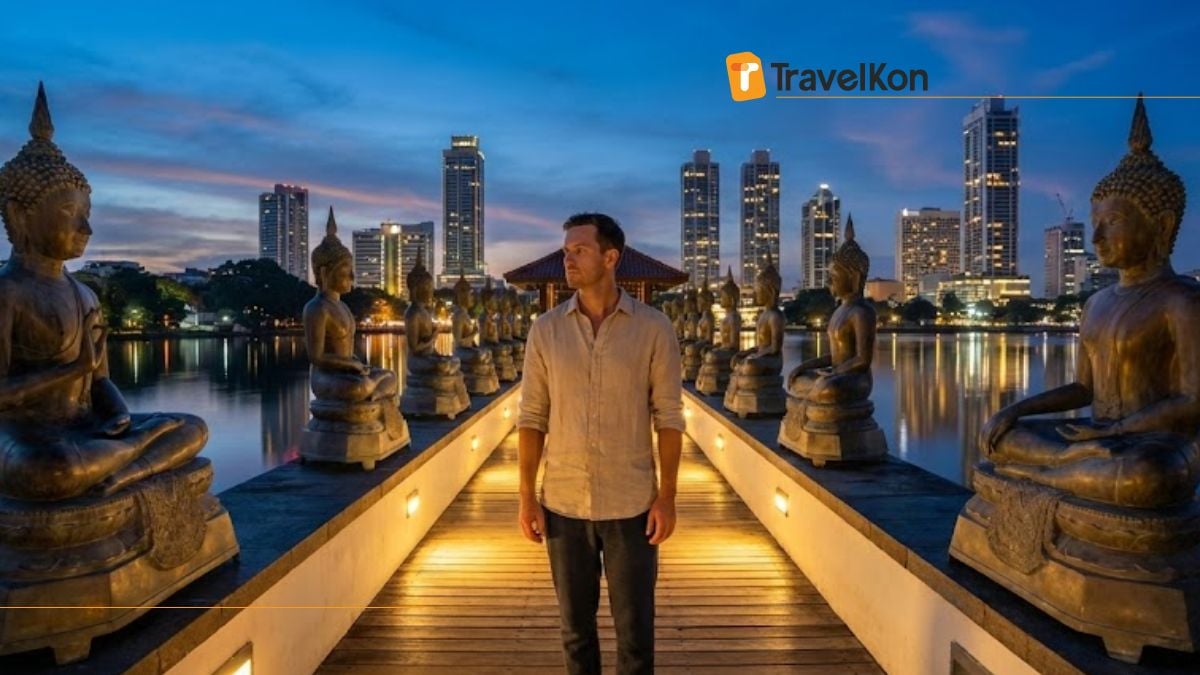
Gangaramaya Temple is one of the more visually layered sites in Colombo. Built up over decades through donations from Buddhist communities across Asia, the complex has an eclectic character that sets it apart from older, more uniform temple sites. The main building contains statues, vehicles, clocks, and donated objects in dense accumulation. The adjacent Seema Malaka sits on a platform over Beira Lake and offers a calmer, architecturally distinct counterpoint. Both sites require covered shoulders and legs, and shoes are removed before entering.
Key highlights within the temple complex:
- The main shrine hall with its layered collection of statues and offerings from across Asia
- Seema Malaka on Beira Lake; quieter and worth time separate from the main temple
- The temple museum with antique vehicles and donated religious objects
- The Bo tree area at the rear; an active place of worship rather than a tourist exhibit
The temple is best visited in the early morning or late afternoon. Entry is free, with a donation box at the entrance.
Walk Along Galle Face Green at Sunset
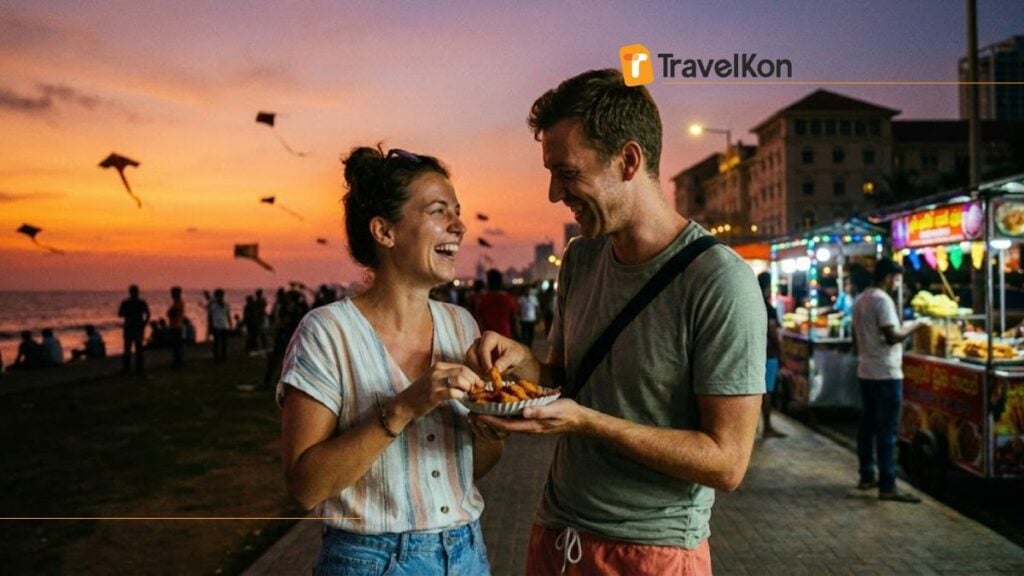
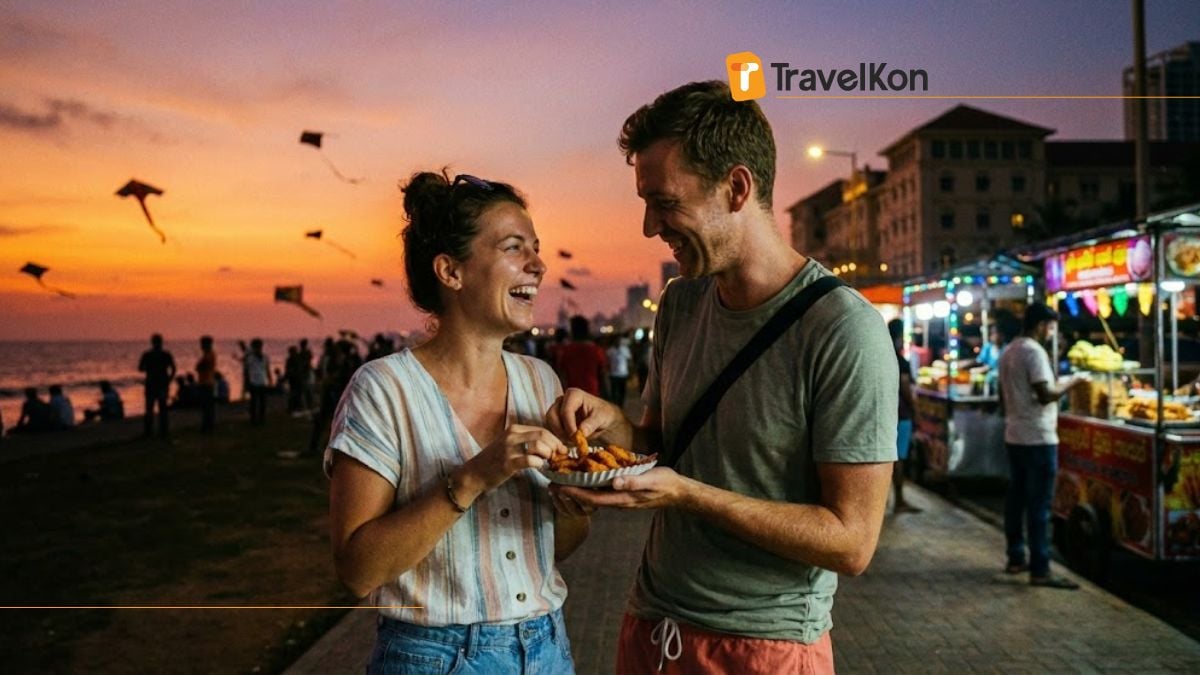
Galle Face Green is a long coastal promenade running south from the Fort district along the Indian Ocean. It functions as a gathering point for local families, food vendors, and kite flyers in the late afternoon. The atmosphere is relaxed and observational; it gives a more honest read on everyday Colombo than most other areas of the city. Street food vendors line the inland edge from around 4pm onward.
Things to try and see at Galle Face Green:
- Isso wade; fried prawn fritters sold by vendors along the green
- Kite flying; a consistent weekend activity that draws large family groups
- The ocean view at sunset facing west over the Indian Ocean
- The colonial-era Galle Face Hotel exterior; one of the oldest hotels in Asia
Explore Pettah Market and Colombo Fort
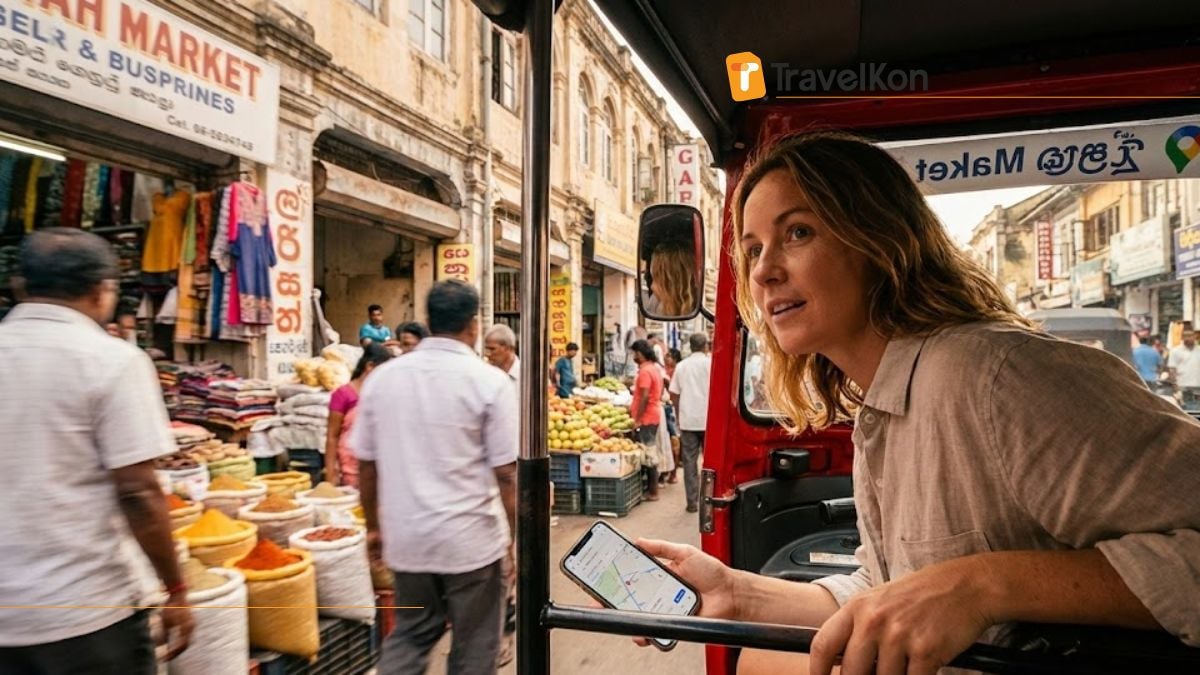
Pettah is the city’s main market district; streets are loosely organised by product type covering electronics, fabric, spices, and produce. The pace is fast and the crowds are real. Colombo Fort, directly adjacent, carries a very different character; colonial architecture, wider streets, and significantly less density. The Dutch Hospital complex in Fort is a 17th-century building repurposed as a dining and retail precinct worth walking through for the architecture alone.
Notable spots and experiences in the area:
- Pettah Main Street; the busiest commercial spine, good for observing the market system
- The Grand Mosque on New Moor Street; one of the more prominent landmarks in Pettah
- The Dutch Hospital Precinct in Fort; colonial building converted to restaurants and boutiques
- The Old Lighthouse and Clock Tower in Fort; both visible from street level without entry fees
Discover Colombo’s Museums and Cultural Landmarks
Colombo’s museums provide useful context for Sri Lanka’s history that pays dividends at sites like Anuradhapura and Polonnaruwa. The National Museum in Cinnamon Gardens is the most complete option, covering the full historical arc from prehistoric Sri Lanka through colonial rule to independence. It suits slow travellers and couples who want background before heading to the Cultural Triangle.
Key museums and landmarks to visit:
- National Museum of Colombo: Main historical collection; the Kandyan throne and crown are among the most significant displays
- Dutch Period Museum: Smaller VOC-era collection in a restored colonial building in Pettah
- Lionel Wendt Gallery: Sri Lanka’s most active contemporary art space; check current exhibitions
- Independence Memorial Hall: Built to mark independence in 1948; the surrounding grounds offer green space in a dense part of the city
Take a Day Trip to Mount Lavinia Beach
Mount Lavinia is a beach suburb about 12 kilometres south of central Colombo and the closest coastal option for city-based visitors. The beach is narrower and the water less clear than beaches further south, but its proximity makes it practical for travellers with limited time or an early flight from Sri Lanka Colombo airport the following morning.
Activities to enjoy at Mount Lavinia:
- Beach walking in the early morning before crowds arrive
- Seafood lunch at promenade restaurants; fresh fish and crab are the more reliable choices
- The Mount Lavinia Hotel grounds; a colonial-era property with direct ocean frontage
- Watching informal cricket on the beach on weekend afternoons
The train from Colombo Fort takes around 25 minutes and costs very little; faster and more comfortable than a tuk-tuk for this distance.
Use an eSIM to Navigate and Explore Colombo Easily
Data connectivity makes a practical difference in Colombo. Tuk-tuk drivers do not always speak English fluently, street addresses are inconsistently signposted, and apps like PickMe and Google Maps are the most reliable tools for moving between the Fort, Pettah, Cinnamon Gardens, and Galle Face without confusion.
Practical ways travellers use eSIM while exploring:
- Google Maps navigation between neighbourhoods and attractions
- PickMe app for booking tuk-tuks at fixed rates without fare negotiation
- WhatsApp for communicating with accommodation and operators
- Checking train schedules to Mount Lavinia or onward to Galle and Kandy
- Confirming restaurant bookings and accommodation details on arrival
A Sri Lanka eSim Travel plan activated before departure means working data from the moment you exit arrivals at Bandaranaike Airport; the 35-kilometre transfer into the city is the first point where connectivity makes the arrival meaningfully smoother.
Ride a Tuk-Tuk Around the City for a Local Experience
Tuk-tuks are the standard short-distance transport across Colombo and the most practical way to move between the Fort, Pettah, Galle Face, and Cinnamon Gardens in a single day. Fares should be agreed before departure; the going rate within central Colombo is around 200 to 400 rupees for short trips. The PickMe app shows fares upfront and removes negotiation entirely.
Popular routes to explore by tuk-tuk:
- Fort to Pettah to Gangaramaya Temple; covers historical, commercial, and religious layers in sequence
- Cinnamon Gardens to the National Museum to Independence Square; wider streets, quieter pace
- Beira Lake circuit; connects Gangaramaya, Seema Malaka, and surrounding residential streets
Agree the fare before entering, confirm the destination clearly, and share your location if travelling alone after dark in unfamiliar areas.
Getting Colombo Right Before You Move On
Colombo rewards visitors who treat it as an introduction to Sri Lanka rather than an obstacle between the airport and the coast. Two nights give enough time to cover the main colombo sri lanka attractions without rushing, and the city provides context that makes the rest of the island more legible. The practical side; navigating between districts, booking onward transport, checking train schedules; is easier with reliable data from day one. Sorting a plan before you land is the simpler approach.

