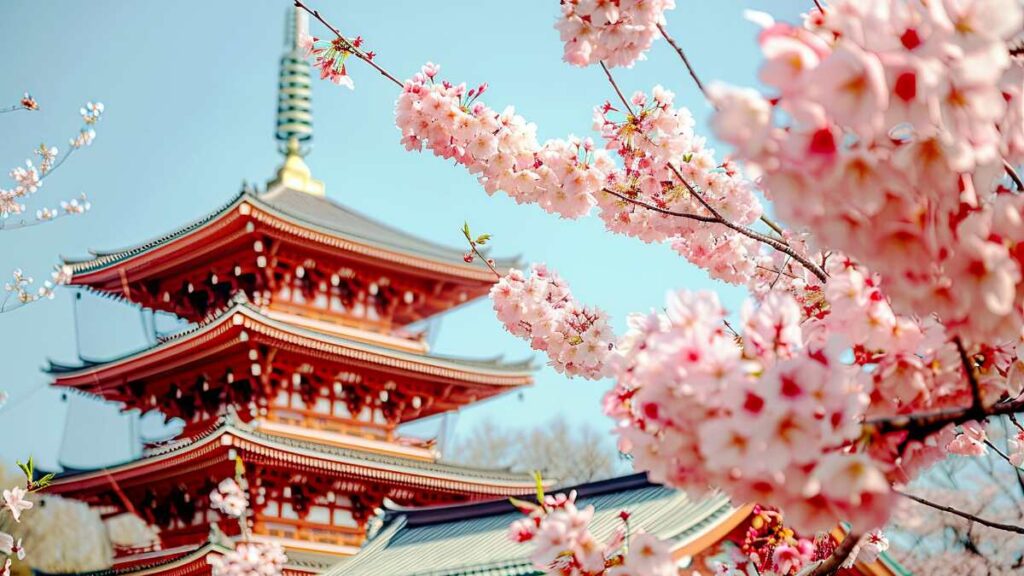
South Korea’s cherry blossom season is brief and highly sensitive to weather. Trees may be approaching full bloom in one region while buds are only beginning to open farther north. Heavy rain, strong wind or a sudden rise in temperature can also shorten the best viewing period.
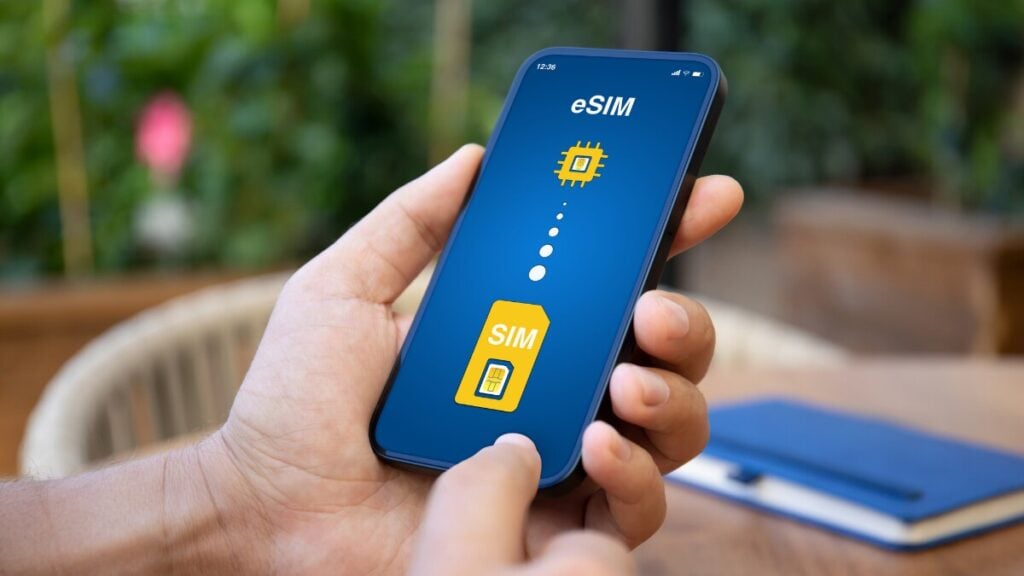
The most reliable approach is to select a primary destination, keep a later-flowering alternative available and leave one day uncommitted. You also need to reserve essential transport, install Korean navigation apps and get the right South Korea eSIM plan for your data needs before departure.
Korea Cherry Blossom Travel at a Glance
South Korea’s main blossom period runs from late March to mid-April. Flowering tends to begin on Jeju Island and in southern cities such as Busan before progressing through Jinhae and Gyeongju towards Seoul and northern provinces.
Full bloom commonly arrives about one week after the first flowers open, although the strongest local display may last only several days.
For a first visit choose:
- Seoul for convenient transport and several viewing areas.
- Jinhae when the blossoms are the main purpose of the trip.
- Gyeongju for historic sites, walking routes and lake scenery.
- Busan for coastal sightseeing and easier access to Jinhae.
- Jeju for an earlier season and distinctive king cherry blossoms.
Note: Check the annual forecast one or two weeks before arrival rather than planning around a date published months in advance.
When Is Cherry Blossom Season in South Korea?
The season usually moves from the warmer South towards the North.
| Region | Typical Bloom Period | Suggested Time | Peak-Season Conditions |
|---|---|---|---|
Jeju Island | Late March to early April | 3–4 nights | Busy near festival streets |
Busan | Late March to early April | 2–3 nights | Manageable outside headline sites |
Jinhae | Late March to early April | 1–2 nights | Extremely busy during Gunhangje |
Gyeongju | Late March to early April | 2 nights | Heavy around Bomun Lake and central sites |
Seoul | Early to mid-April | 3–5 nights | Dense crowds at Yeouido and Seokchon Lake |
Incheon | Early to mid-April | Day trip | Usually less pressured than central Seoul |
Gangwon Province | Early to mid-April | 1–2 nights | Highly dependent on destination |
These periods are seasonal guides rather than guaranteed dates. That said, if you arrive before the flowers open, you should check southern areas. Those arriving after the southern peak may find better conditions around Seoul, Incheon or Gangwon Province.
Which Destination Best Suits Your Trip?
| Traveller | Best Choice | Main Advantage |
|---|---|---|
First-time visitor | Seoul | Multiple blossom sites and straightforward public transport |
Dedicated blossom trip | Jinhae | Korea’s largest festival setting |
Culture and scenery | Gyeongju | Blossoms beside royal tombs, traditional streets and lakes |
Coastal holiday | Busan | Southern flowering period and access to Jinhae |
Early-season visit | Jeju | Usually among the first regions to bloom |
Short urban break | Seoul | Several viewing areas within one city |
Please keep in mind that accessibility varies within each destination. Metro access does not always mean short walking distances, and locations such as Namsan include slopes. Travellers with limited mobility should check lift access, path conditions and taxi drop-off points for each attraction.
Seoul: Best for a Flexible City Break
Seoul offers several blossom areas without requiring an intercity journey. Museums, palaces, markets and shopping districts also provide alternatives when rain or poor air quality limits outdoor plans.
Yeouido Spring Flower Route
Search for 여의도 봄꽃축제 or 윤중로 벚꽃길 in Naver Map.
Yeouido’s main route follows Yeouiseo Road near the National Assembly and contains 1,886 Korean cherry trees. It is one of the capital’s best-known spring walks and becomes heavily congested during festival evenings and weekends.
National Assembly Station is convenient for the western section, while Yeouinaru Station provides access from the Han River side. A weekday morning visit offers the best chance of moving comfortably along the route.
Seokchon Lake|석촌호수
Seokchon Lake provides an easy-to-follow circuit beside Lotte World and Lotte World Tower. Plus, its central location makes it suitable for families and visitors combining blossom viewing with nearby attractions.
The path is flatter than Namsan, but peak-season crowds can slow movement around narrow sections of the lake. Early morning is generally more comfortable than late afternoon or evening.
Seoul Forest and Namsan
Search for 서울숲 for Seoul Forest or 남산공원 for Namsan Park.
Seoul Forest works well when you want a spacious park followed by cafés around Seongsu. Namsan, on the other hand, offers elevated city views but requires more walking and includes sloped sections.
Avoid crossing the city repeatedly to collect famous locations. One major site paired with a nearby neighbourhood usually produces a better day than attempting three crowded parks.
Jinhae: Best for a Dedicated Blossom Trip
The Jinhae Gunhangje Festival attracts more than 2 million visitors each year. Approximately 360,000 cherry trees flower across the district during the season.
Unlike a festival held inside one park, Jinhae’s attractions are spread across the district. Transport times can therefore increase sharply when roads and buses are crowded.
Yeojwacheon Stream|여좌천 로망스다리
Yeojwacheon is known for its canal-side path, pedestrian bridges and evening illumination. The blossom tunnel extends for approximately 1.5 kilometres.
Visit early if photography is a priority because the narrow bridges attract queues once tour groups begin arriving.
Gyeonghwa Station|경화역 벚꽃길
Gyeonghwa Station is a former railway stop with trees lining an approximately 800-metre section of track.
It is separate from Yeojwacheon, so the two sites should not be treated as one continuous walk. Allow extra time for the journey between them during the festival.
Should You Stay in Jinhae?
An overnight stay is worthwhile when Gunhangje is the centrepiece of the holiday. It allows you to visit one headline location early and the other after daytime crowds begin leaving.
Busan is the most practical major-city base for a day trip. A same-day return from Seoul is possible, but the long transfer leaves less time for the festival and increases the impact of traffic delays.
Gyeongju: Best for History and Lakeside Scenery
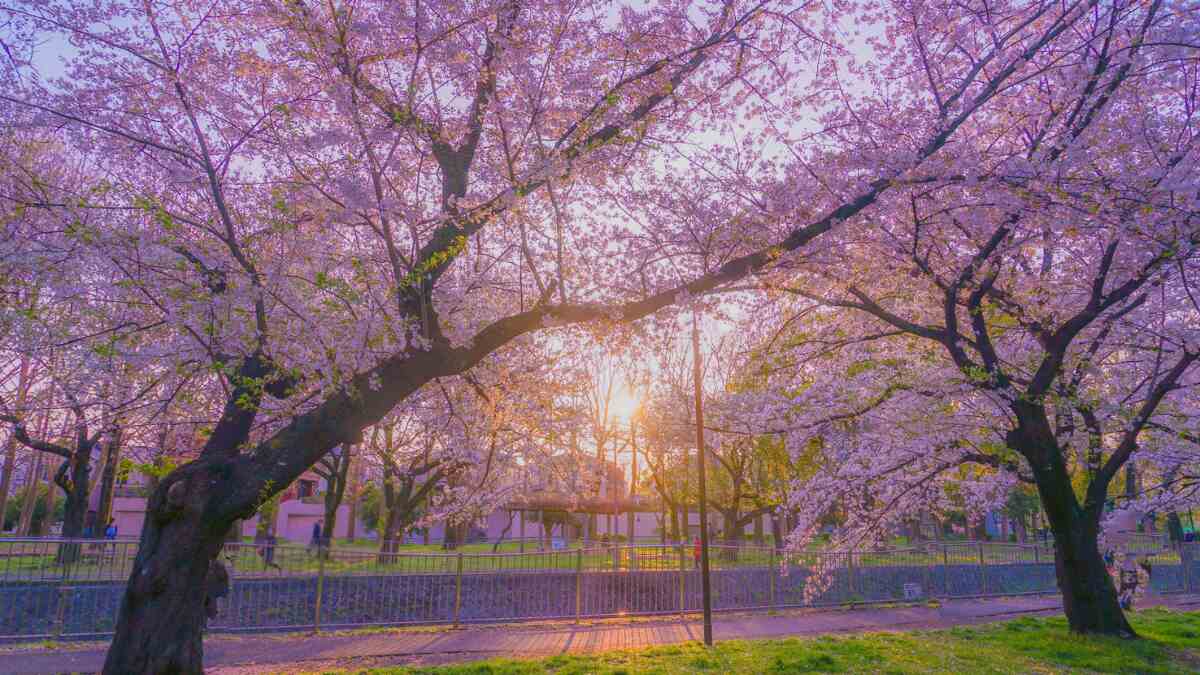
Gyeongju places cherry blossoms beside royal tombs, traditional streets, observatories and lake paths.
Useful Korean search terms include:
- 대릉원 — Daereungwon Tomb Complex
- 황리단길 — Hwangnidan-gil
- 첨성대 — Cheomseongdae
- 보문호 — Bomun Lake
- 보문정 — Bomunjeong Pavilion
Daereungwon, Hwangnidan-gil and Cheomseongdae can be combined into a central walking route. Bomun Lake lies outside the historic centre and deserves a separate half-day rather than being added hurriedly before an onward train.
Stay for two nights when possible. Use the first day for the historic centre and the second morning for Bomun Lake before continuing to Busan.
Busan: Best for Southern Blooms and a Coastal Break
Busan generally flowers before Seoul and works particularly well for travellers visiting in late March. The city’s blossom locations are widely dispersed, so choosing one area is more practical than attempting all of them.
Oncheoncheon Stream|온천천시민공원
Oncheoncheon is the easiest choice for a first-time visitor. The streamside paths can be reached by metro and combined with cafés or other central districts.
Dalmaji Road|달맞이길
Dalmaji Road sits near Haeundae and is better suited to travellers already staying in eastern Busan. The area includes hills, so it is less convenient for anyone wanting a flat walking route.
Samnak Ecological Park|삼락생태공원
Samnak provides a more spacious riverside setting but requires more travel than Oncheoncheon for visitors based near Haeundae or central Busan.
Choose Oncheoncheon for convenience, Dalmaji Road for coastal scenery or Samnak for a less urban setting. Keep Jinhae for a separate day.
Jeju Island: Best for an Earlier Season
Jeju is usually one of the first parts of South Korea to flower. Its king cherry blossoms are known for larger, more prominent petals, and their peak display can last only two or three days.
Jeonnong-ro Cherry Blossom Road|전농로 왕벚꽃거리
Jeonnong-ro is a 1.2-kilometre road lined with king cherry trees and is approximately a 10-minute drive from Jeju International Airport.
PS: It is the easiest major blossom location to add to a short stay in Jeju City.
Jangjeon-ri|장전리 왕벚꽃거리
Jangjeon-ri in Aewol is another recognised festival area and provides a more rural alternative to Jeonnong-ro. The two locations have previously hosted Jeju’s cherry blossom festival programme.
A rental car gives you more freedom outside Jeju City. Travellers using buses should concentrate on one or two accessible locations and combine them with year-round attractions rather than spending the day transferring across the island.
A Realistic Five-Day Route During Cherry Blossom Season
A five-day trip should avoid combining Seoul, Gyeongju, Busan and Jinhae. That route requires too many hotel changes and long-distance transfers.
Days 1–3: Seoul
Use the first day for central attractions such as Gyeongbokgung Palace, Bukchon or Insadong.
Visit Yeouido early on the second day and continue along the Han River. On the third day, choose Seokchon Lake or Seoul Forest based on current conditions and your accommodation location.
Day 4: Seoul to Busan
Take an early long-distance train to Busan. Spend the afternoon at Oncheoncheon or in a coastal district rather than attempting Jinhae immediately after arrival.
Day 5: Jinhae
Leave early for Jinhae and visit Yeojwacheon before continuing to Gyeonghwa Station. Return to Busan after the main sightseeing period.
And if you want to include Gyeongju, plan for at least seven days. That is three in Seoul, two in Gyeongju and two in Busan, with Jinhae replacing one Busan sightseeing day.
Essential Apps and Offline Preparation
Install and test the main travel apps at home:
- Naver Map: Korean place searches, public transport and walking directions.
- KakaoMap: A useful alternative when comparing routes.
- Papago: Text, image and short-conversation translation.
- Kakao T or k.ride: Taxi requests where account and payment setup permit.
- Korail services: Long-distance rail booking details and references.
Save major attractions under their Korean names because translated English names do not always return the correct local result.
Keep offline copies of accommodation addresses, train confirmations, airport transfer instructions, passport details, travel insurance and emergency contacts. Carry a second payment card separately from the main wallet.
How Much Mobile Data Do You Need?
Video, cloud backups and hotspot use consume far more data than navigation or messaging.
| Traveller Type | Typical Use | Planning Allowance |
|---|---|---|
Light | Maps, messages and occasional searches | 3–5 GB per week |
Moderate | Navigation, translation, taxis and photo uploads | 5–10 GB per week |
Heavy | Frequent video, cloud syncing or hotspot use | 15 GB or more |
These estimates assume daily navigation and messaging, limited social uploads and no routine video streaming. Actual consumption depends on device settings and personal behaviour.
Remember to always disable automatic app updates, video autoplay and cloud photo backups before using mobile data overseas.
Where a TravelKon eSIM Fits
Mobile data is most valuable when a planned day changes, as it allows you to check bloom reports, compare transport routes, request a taxi, translate an address or contact accommodation without depending on public Wi-Fi.
Install your TravelKon eSIM while connected to a stable home network, and take a moment to review our guide on how eSIMs work when travelling if you’re new to the process. If anything feels unclear, our 24/7 support team is always within reach.
After landing:
- Select the travel eSIM as the mobile data line.
- Turn off roaming data for the Australian SIM.
- Retain the Australian number only when needed for calls or verification messages.
- Check whether the selected plan permits hotspot use.
Airport Wi-Fi may help inside the terminal, but it does not provide continuous access while transferring to a bus, train or accommodation.
FAQs
What Is the Best Month for Cherry Blossoms in South Korea?
Late March and early April offer the widest range of choices. Jeju and southern cities usually flower before Seoul and northern regions.
How Long Does Full Bloom Last?
The strongest local display commonly lasts several days and can approach one week in stable conditions. Rain, wind and unusually warm temperatures may shorten it.
Is Seoul or Jinhae Better?
Seoul suits travellers who value easy transport and varied sightseeing. Jinhae is better when seeing a large concentration of blossoms is the trip’s main objective.
Can Jinhae Be Visited From Seoul in One Day?
Yes, but the journey is inefficient during the festival. Staying locally or travelling from Busan provides more time at Yeojwacheon and Gyeonghwa Station.
Are Cherry Blossom Festivals Free?
Most outdoor viewing areas do not charge admission. Tours, reserved attractions, performances and transport may have separate fees.
What Can You Do if Peak Bloom Has Passed?
Check current conditions in regions farther north, look for later-flowering varieties or prioritise cultural and coastal attractions that do not depend on the season.
Can Korean Travel Apps Work Offline?
Downloaded translation files, screenshots and saved details may remain available. Live directions, timetable changes and taxi bookings normally require an internet connection.
Takeaways
Choose a destination with several viewing areas, reserve the necessary intercity transport, and retain enough flexibility to respond to actual flowering conditions. Save Korean place names, prepare essential documents offline and arrange reliable mobile data before leaving Australia.
A TravelKon South Korea eSIM can support your trip from airport arrival through the final intercity transfer. At the same time, the real protection against a changing season comes from a realistic route and alternatives that remain worthwhile without perfect blossoms.
Festival schedules and annual blossom forecasts should be confirmed before each spring trip.