Italy is no longer just a short-stay holiday idea for remote workers. For Australian travellers with overseas income, it can be a serious base for several months of work, travel and slower living.
Before booking flights, accommodation or coworking spaces, planning needs to cover the visa pathway, income evidence, tax risk, post-arrival admin and mobile data. Choosing the right Italy eSIM plan before departure can also make arrival easier, especially when maps, banking, accommodation messages and work apps need to function from the airport.
The Italy digital nomad visa is not something to treat casually. Requirements can change, consulates can interpret evidence differently and long-stay planning can affect tax residency. Use this guide as a practical planning framework, then verify the latest requirements with the Italian consulate responsible for your application.
What Is the Italy Digital Nomad Visa?
The Italy digital nomad visa is a long-stay visa route for eligible non-EU citizens who can work remotely using digital tools while living in Italy. It is aimed at highly skilled remote workers and digital nomads whose work can be performed online.
| Planning Point | What to Know |
|---|---|
Who it suits | Non-EU remote workers, freelancers, contractors and certain business owners |
Common duration | Up to 1 year initially |
Renewal | May be renewable if conditions continue to be met |
Income benchmark | Often cited around €25,500 to €28,000 annually, depending on guidance used |
Health insurance | Must cover medical and hospital costs for the stay; some consular guidance references at least €30,000 cover |
Post-arrival step | Apply for a residence permit within 8 working days of entering Italy |
Main risk | Assuming remote work permission also allows local Italian employment |
Note: This table is for planning purposes, not immigration advice. Always check the current visa page, appointment process and document checklist for the Italian consulate that covers your place of residence in Australia.
Eligibility Points to Verify Before Applying
Before applying, it’s worth checking that you meet Italy’s core eligibility requirements, as the visa is aimed at a specific profile of remote professionals. A quick review now can save time and avoid complications later in the process.
Passport Validity
Your passport should be valid well beyond the intended stay and have enough blank pages for visa processing. Renewing a passport before applying is usually easier than updating visa documents later.
Highly Skilled Work
Italy’s route is aimed at highly skilled workers. Evidence may include:
- University qualification
- Professional licence
- Recognised work experience
- Senior technical or specialist role
- Portfolio or proof of professional activity
Applicants are expected to have at least 6 months of prior experience in their field. Check your local Italian consulate’s checklist early, as this is where the exact requirements are confirmed.
Proof of Remote Employment or Business Activity
Remote work must look real, current and sustainable.
Prepare evidence such as:
- Employment contract
- Employer remote-work letter
- Freelance agreements
- Client contracts
- Invoices
- Business registration
- Recent payslips
- Tax returns
- Bank statements
The evidence should show that income is earned remotely rather than through the Italian labour market.
Income Requirement
A practical planning benchmark is at least €25,500 to €28,000 per year, although the exact threshold should be checked against the current consular guidance when applying. If applying with family members, expect higher income expectations.
Health Insurance
Private health insurance should cover medical treatment and hospital care for the full stay. Some consular guidance refers to at least €30,000 in cover.
Check:
- Medical and hospital coverage
- Repatriation coverage
- Policy duration
- Exclusions
- Pre-existing condition rules
- Whether the insurer provides a visa-ready certificate
Accommodation
Italy may require evidence of suitable accommodation for the intended stay.
This may include:
- Registered rental agreement
- Property ownership evidence
- Long-stay accommodation proof accepted by the consulate
A short hotel booking may not be enough for every application.
Clean Criminal Record
Prepare early because police checks can take time and may need translation, apostille or certification.
Tax and Residency Considerations
A visa does not settle tax residency by itself.
Tax risk can depend on:
- Total days spent in Italy
- Australian tax residency
- Italian tax residency
- Business structure
- Employer location
- Client location
- Income type
- Family relocation
Professional tax advice is sensible before relocating, particularly for freelancers, company directors and business owners.
How to Research and Apply Step by Step
1. Confirm the Correct Route
Start with the Italian consulate responsible for your Australian state or territory. Confirm whether the route applies to your work arrangement.
2. Check Eligibility Before Spending Money
Check:
- Income
- Work type
- Professional experience
- Insurance
- Accommodation
- Criminal record requirements
3. Build the Document Pack
Organise documents by category:
- Identity
- Work
- Income
- Accommodation
- Insurance
- Character
- Tax or business evidence
Make the application easy to assess.
4. Book the Appointment
Applications are usually submitted through the correct Italian consular channel. Appointment availability can vary, especially before peak European travel periods.
5. Wait Before Making Major Commitments
Avoid irreversible bookings until approval. Flexible accommodation and changeable flights reduce risk.
6. Prepare for Arrival
The visa is not the final admin step. Long-stay arrivals usually need to complete local residence formalities after entering Italy.
What Happens After You Arrive in Italy

After entering Italy, digital nomad and remote worker visa holders generally need to apply for a residence permit, known as a permesso di soggiorno, within 8 working days.
Expect to manage:
- Local post office kit or application process
- Questura appointment
- Fingerprints
- Passport and visa copies
- Accommodation evidence
- Insurance evidence
- Payment receipts
- Local address details
Keep every stamped receipt. These documents can come in handy while waiting for the physical residence permit.
Can Family Members Come Too?
Family may be possible, but it should not be assumed.
If travelling with a partner or children, verify:
- Whether family members can apply with the main applicant
- Whether income thresholds increase
- Whether accommodation must be larger or more clearly documented
- Whether school enrolment or health coverage evidence is needed
- Whether family approval happens before or after arrival
Family applications add complexity. Start earlier than a solo applicant would.
Best Places in Italy for Remote Workers
The right base depends on budget, lifestyle and how often travel is needed.
| City | Why It May Suit Remote Workers |
|---|---|
Milan | Business hub, strong transport, expensive but practical |
Rome | International, historic, well-connected, busy |
Florence | Smaller city feel, strong lifestyle appeal, tourist-heavy |
Bologna | Student city, good rail links, practical for northern Italy |
Turin | More affordable than Milan, with a strong professional feel |
Palermo or Catania | Warmer, cheaper, good for slower southern living |
Naples | High energy, coastal access, lower costs than northern hubs |
Do not choose a city only by Instagram appeal. Check apartment availability, local transport, coworking options, mobile coverage and travel time to airports.
How Mobile Data Fits Into Remote Work Planning
The first hours in Italy tend to be a blur of directions, tickets, check-ins, and quick logins, and having a steady connection keeps it all from piling up. Reliable data also covers the small but critical tasks, like banking codes, translations, and the odd work message or hotspot session when Wi-Fi doesn’t cooperate.
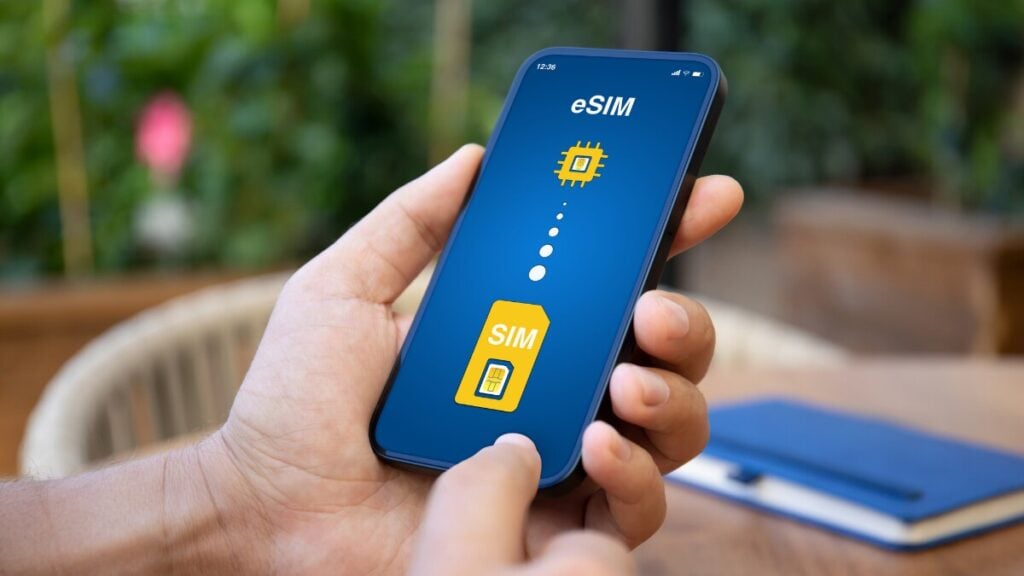
An Italy travel eSIM cuts out the usual arrival pressure. Instead of wrestling with patchy airport Wi-Fi or worrying about roaming charges, you land with data ready to go. It also means you can keep your main number active for calls and verification texts. Our travel eSIMs make that setup straightforward, especially if you’d rather not deal with physical SIM swaps.
Before you commit, take a minute to check the basics. Make sure your phone supports eSIM, look at when the plan activates, and choose a data allowance that matches how you actually use your phone. It’s a small step, but it saves a lot of second-guessing once you’re already on the ground.
If this is your first eSIM, our guide on how international eSIMs work will help you understand how regional, single-country, and global data plans are structured before you choose one.
Best TravelKon eSIM Options to Consider
Start by matching your data plan to how you actually work and move, not just how long you’ll be in Italy. With TravelKon, that usually means choosing a setup that can handle both your day-to-day navigation and the heavier demands of remote work.
| Traveller Type | Suggested Data Allowance |
|---|---|
Light traveller | 5–10 GB for maps, messaging, banking and browsing |
Hybrid traveller | 10–20 GB for email, apps, maps and occasional hotspot |
Remote worker | 20–50 GB for work chat, video calls, cloud tools and hotspot |
Full-time digital nomad | 50 GB or unlimited where available if mobile data may become the main backup |
A ten-day stay with hotspot and video calls can use more data than a month of light messaging.
Our Italy eSIM plans are useful for Australian travellers who want mobile data ready from airport arrival without replacing their physical SIM card. This can also help keep an Australian number active for banking or verification codes, depending on phone settings and provider support.
FAQs
Can Australians Apply for the Italy Digital Nomad Visa?
Australians are eligible if they meet the current requirements for the relevant Italian visa category. Check the Italian consulate responsible for your location in Australia before preparing documents.
Is the Italy Remote Work Visa the Same as the Italy Digital Nomad Visa?
Not exactly. The terms are often used together, but remote workers are commonly employees, while digital nomads are often freelancers or self-employed professionals. The required evidence can differ.
How Much Income Do You Need?
A practical planning benchmark is around €25,500 to €28,000 per year. Always verify the current threshold before applying.
How Long Can You Stay?
The initial stay is commonly described as up to 1 year, with renewal possible if conditions continue to be met.
Do You Need a Residence Permit After Arrival?
Yes. Long-stay visa holders generally need to apply for a residence permit within 8 working days of entering Italy.
Can You Work for Italian Clients?
Do not assume so. The route is designed for remote work and may restrict local labour market activity. Confirm before accepting Italian clients or employment.
Can Family Members Join?
Possibly, but family members can increase the income, accommodation and documentation burden. Check the family rules before lodging the main application.
Will Moving to Italy Affect Australian Tax?
It can. Tax residency depends on time in Italy, ties to Australia, income type and personal circumstances. Get tax advice before relocating.
Can an Italy eSIM Be Used as a Hotspot?
Many eSIM plans support hotspot use, but plan conditions vary. Check hotspot support before buying if laptop backup matters.
Takeaways
The Italy digital nomad visa can suit Australian travellers who want to work remotely from Italy for longer than a normal tourist stay, but it needs careful planning.
The strongest applications are not built at the last minute. Confirm the correct route, check the income benchmark, prepare work and accommodation evidence, organise health insurance and understand the residence permit step after arrival.
Connectivity belongs in the same planning process. Maps, banking, accommodation messages, work platforms, two-factor authentication and hotspot backup all depend on mobile data from the moment the plane lands.
Verify the official rules, prepare documents early and choose an Italy eSIM plan that matches how work will actually happen while overseas.