An MVNO, or mobile virtual network operator, sells mobile services using radio-network access supplied by another operator. It may control its plans, prices, billing, SIM profiles and customer support without owning mobile towers or licensed spectrum.
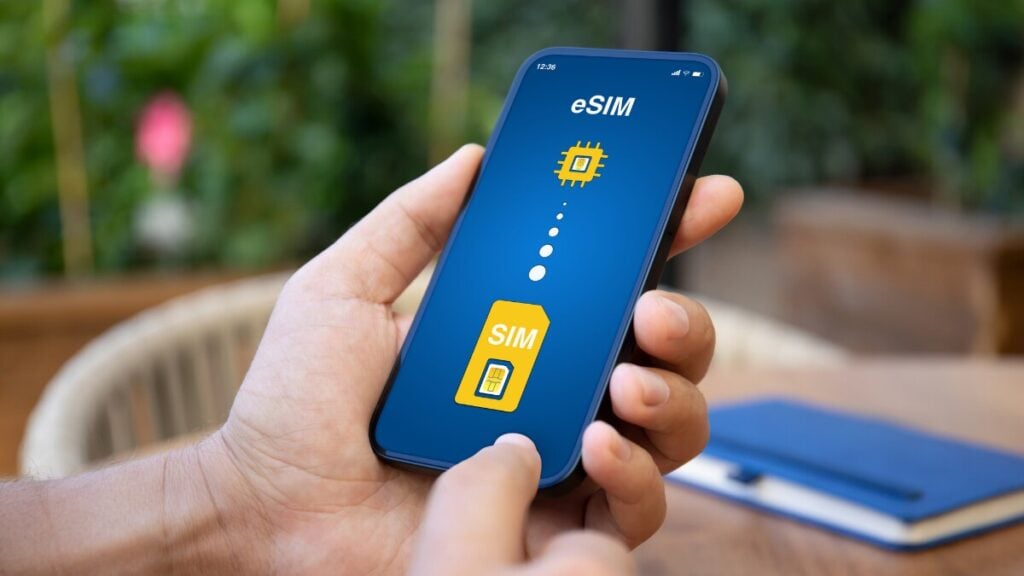
An eSIM, on the other hand, is a method of downloading a SIM profile to a compatible device. An eSIM provider may be an MVNO, network owner, reseller or travel company using another organisation’s platform.
In a nutshell,MVNO describes how a mobile provider obtains network access while eSIM describes how a SIM profile is installed. A provider can be both, either or neither. A quick comparison of TravelKon eSIMs by destination, partner network and plan conditions, not simply by the seller’s brand.
What an MVNO Is and How It Works
A mobile network operator, or MNO, owns or operates spectrum and radio-network infrastructure such as towers, antennas and base stations.
An MVNO purchases wholesale network access and sells mobile services under its own brand. Depending on its operating model, it may also manage:
- SIM and eSIM profiles
- Prices and data allowances
- Billing and customer accounts
- Customer support
- Number management
- Roaming arrangements
- Speed and service policies
Australia had 30.4 million prepaid and postpaid mobile services in June 2025. Independent MVNOs supplied 3.8 million of them, roughly one in eight. More than 2,100 MVNOs operated globally in 2025. Their level of technical control varies considerably.
MNO, MVNO, Reseller, and eSIM Compared
| Category | Main Role | What Matters to You |
| MNO | Owns or operates the radio network and spectrum | Direct network access and local retail services |
| MVNO | Buys network access and sells plans under its own brand | Host network, coverage, features and support |
| Reseller | Markets services supplied through another provider | Clear terms and effective problem escalation |
| eSIM | Digitally stores and installs a SIM profile | Device compatibility and activation method |
| Travel eSIM provider | Sells destination, regional or global plans | Partner networks, routing and support |
These categories can overlap. You may buy a plan from one company, receive a profile issued through another and connect through a third company’s local network.
Types of MVNO
There is no single global naming system, but three broad models describe how much control an MVNO may have.
| Model | Typical Control | Practical Effect |
| Branded reseller | Sales, branding and sometimes support | Relies heavily on wholesale systems |
| Light MVNO | Plans, billing, support and some SIM management | Greater control over customer service |
| Full MVNO | SIM identities, core systems, billing and service policies | Greater control over provisioning and traffic routing |
A full MVNO still depends on an MNO for spectrum and radio access. It may resolve provisioning or routing issues more directly, while a reseller may need to pass faults through several suppliers. The business model does not guarantee better coverage, speed or support.
Why MVNO Plans Can Be Cheaper
An MVNO does not need to build and maintain a complete radio network. This can reduce operating costs and support cheaper or more flexible plans.
Potential advantages include:
- Lower prices
- Prepaid or no-contract options
- SIM-only plans
- Specialised data or international inclusions
- Access to an established mobile network
Potential disadvantages include:
- Speed caps
- Limited 5G access
- Fewer handset-payment options
- Reduced rewards or entertainment benefits
- Different roaming features
- Online-only support
MVNOs exchange infrastructure ownership for wholesale dependence. That may reduce costs, but it can also limit their control over network access, new features and fault resolution.
An MVNO is not automatically cheaper or worse than a network owner. Compare the exact plan rather than relying on the provider category.
Australian MVNOs and Travel eSIMs Are Different
Australia’s three main national mobile network operators are Telstra, Optus and TPG Telecom, which operates the Vodafone brand. Other mobile brands use wholesale network access or operate as related sub-brands.
Searches for Telstra MVNO, Optus MVNO or best MVNO Australia generally concern domestic plans. The provider’s ownership, retail brand and network access are separate questions.
For example, a provider described as a Telstra MVNO may use a Telstra wholesale product rather than Telstra’s complete retail network footprint. An Optus MVNO or Vodafone-based provider may also have different speed, 5G, roaming and support conditions from the network owner’s direct plans.
Provider relationships change, and brands commonly called MVNOs may be owned or operated by a major network group. Check the current critical information summary and coverage description for the exact plan instead of relying on an old provider list.
When comparing mobile networks in Australia, check:
- The network footprint included with the plan
- Coverage at home, work and regular destinations
- 4G and 5G availability
- Maximum speeds
- Data banking or rollover
- International calls and roaming
- Support channels
- Number-transfer requirements
Many Australian MVNO plans support bring-your-own-device service and number transfers. Confirm eligibility and ensure the account details supplied for porting match the current provider’s records.
A travel eSIM works differently. It commonly uses international wholesale and roaming arrangements to connect visitors to networks overseas. Do not use an Australian domestic-MVNO comparison to predict its performance.
How Travel eSIMs Use Partner Networks
After arrival, the phone uses credentials stored in the eSIM profile to request access from an available partner network. If registration is accepted, that visited network provides the local radio connection.
Depending on the plan, your phone may:
- Connect to one preferred partner
- Choose between several permitted networks
- Require manual network selection
- Receive 5G through one partner but only 4G through another
- Route internet traffic through a regional gateway
A network can appear in the phone’s manual-selection list but reject registration because the plan has no agreement to use it.
The service behind an eSIM may also send internet traffic through another country. This can affect latency, IP-based location results, streaming services and access to restricted websites. Full signal bars do not guarantee a fast response because signal strength measures the local radio connection—not the complete route to the internet.
What a Network Name Does Not Guarantee

A recognised carrier name does not automatically provide the same experience as buying directly from that carrier.
It does not confirm:
- Access to the operator’s complete network footprint
- 5G availability
- Maximum or typical speed
- The same traffic priority as direct customers
- Hotspot permission
- Voice calls, SMS or a local number
- Support from the visited network
- Local internet routing
Do not assume every MVNO receives lower priority. Traffic treatment depends on the wholesale agreement, technical configuration and specific plan.
Coverage maps are estimates rather than promises of indoor service. Buildings, terrain, congestion, device frequencies and outages can affect the actual connection.
How to Compare an MVNO or Travel eSIM
Before purchasing, check:
- Network access: Identify the permitted network in every destination.
- Coverage: Confirm whether the plan uses the complete network or a smaller wholesale footprint.
- Speed: Check 4G, LTE or 5G access and any speed cap.
- Data policy: Read high-speed allowances, throttling and fair-use rules.
- Hotspot: Establish whether tethering is allowed or restricted.
- Activation: Check what starts the validity period and whether the QR code can be reused.
- Compatibility: Check whether a phone supports eSIM and confirm that it is unlocked.
- Support: Verify operating hours, contact methods and escalation procedures.
The visited network will not usually provide direct help because you are not its retail customer. Support normally begins with the company that sold the plan.
Compare eSIMs with data roaming using the complete cost and included service. For an incompatible device or removable option, you can compare TravelKon SIM cards.
FAQs
What Is an eSIM MVNO?
An eSIM MVNO is a mobile virtual network operator that supports downloadable eSIM profiles. It still relies on one or more MNOs for radio access. Not every business selling travel eSIMs is itself the MVNO; some operate as resellers or distributors.
Are MVNOs Cheaper Than Major Networks?
They often are because they avoid the expense of building a complete radio network. Lower prices are not guaranteed, and cheaper plans may have speed caps, fewer extras or more limited support.
Does an MVNO Have Worse Coverage?
Not automatically. Coverage depends on the host agreement, included network footprint, device compatibility and location. Some MVNO plans closely match the host network, while others use a smaller wholesale footprint.
Can an MVNO Offer 5G and Hotspot Use?
Yes, when its wholesale agreement and retail plan include those features. The host network’s capabilities do not guarantee that every MVNO plan receives access.
How Can You Tell Which Network a Travel eSIM Uses?
Check the product page or support material for named partners. After arrival, the connected carrier appears in the phone’s network settings, but that name does not confirm speed priority, complete-network access or internet-routing location.