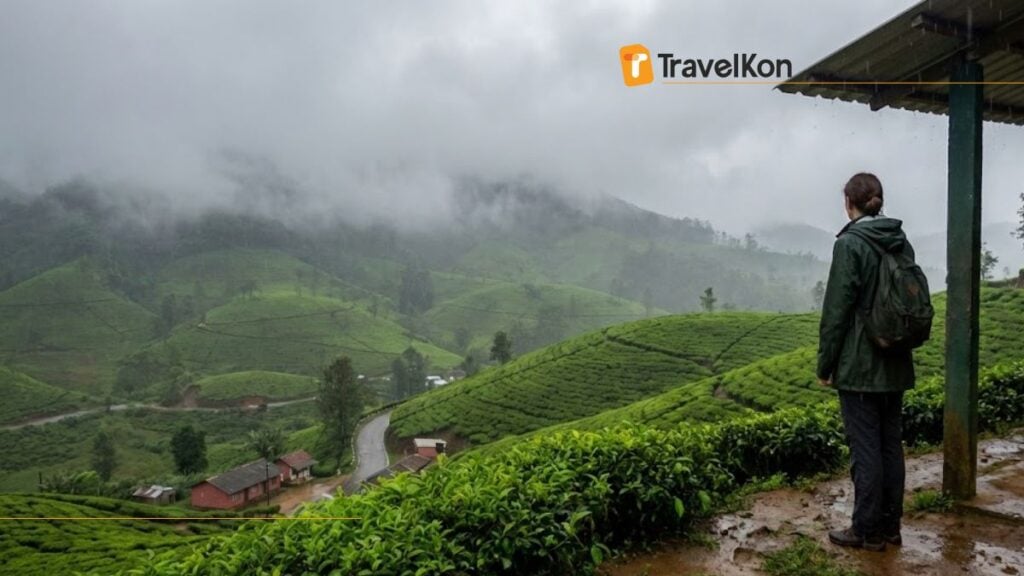
Sri Lanka

Sri Lanka Travel Guide Sri Lankan Hill Country

A Practical Sri Lanka Travel Guide for Anyone Planning Their First Visit

Sri Lanka is a compact island that rewards planning more than most destinations its size. The road network, train lines, and budget accommodation have all improved significantly over the past decade, making independent travel genuinely accessible. What surprises many first-time visitors is how much the experience changes depending on which coast they start from and what time of year they arrive. Getting a Cheap eSim Sri Lanka option sorted before you land is worth doing for practical reasons. Local SIM cards are available at the airport, but queues at arrivals can be long and coverage quality varies. An eSim activated before departure means you have working data from the moment you clear customs. Why Visit Sri Lanka for Your First Trip Sri Lanka is compact enough to navigate without committing weeks to logistics, diverse enough for travellers with very different priorities, and developed enough that first-time independent visitors rarely feel stranded. Wildlife highlights include: Eight UNESCO World Heritage Sites are spread across the island, including ancient ruins at Anuradhapura and Polonnaruwa, the colonial port city of Galle, and the tea country around Nuwara Eliya. The potential challenges are worth noting: coastal heat and humidity can be draining, popular sites like Sigiriya carry high entrance fees, and train seat bookings require more advance planning than travellers used to Southeast Asia might expect. Best Time to Visit Sri Lanka Two monsoon systems govern the island: For the south coast and Hill Country circuit, December through March is the most reliable window. Peak season falls in January and February; November and April are quieter and cheaper. The east coast; Arugam Bay, Trincomalee, Nilaveli, and Pasikuda; is at its best from May through September. Entry Requirements and Visa Most nationalities require an Electronic Travel Authorisation (ETA) applied for online before departure: Approval is typically granted within 24 hours. Arrival at Bandaranaike International Airport is straightforward; the ETA is confirmed digitally at the immigration counter. How to Get to Sri Lanka All international flights arrive at Bandaranaike International Airport in Negombo, about 35 kilometres north of Colombo. Direct services operate from: From Australia, routing typically goes through Singapore or Kuala Lumpur (around 14 to 16 hours). From London, the direct flight takes around ten to eleven hours. Booking four to eight weeks ahead and travelling mid-week generally produces better fares. Where to Go for First Timers The classic route loops from Colombo through the south coast, up through the Hill Country, and across to the Cultural Triangle. It covers the most varied terrain without excessive backtracking. Colombo: One to two nights. Worth exploring the Pettah market district, Galle Face promenade, and Cinnamon Gardens. Galle and the South Coast: Two to three nights. The Dutch-built Galle Fort is among the sri lanka best tourist destination choices for colonial history. Mirissa and Unawatuna beaches are within easy reach. Hill Country: Two to three nights across Kandy and Ella. Kandy holds the Temple of the Tooth Relic; Ella is smaller and backpacker-oriented with good hill walks. The train between Kandy and Ella via Nanu Oya is one of the most scenic rail routes in Asia. Cultural Triangle: Two days minimum for Sigiriya, Polonnaruwa, and Dambulla. How Many Days You Need Journey times to factor in: Colombo to Ella is around six hours by train; Ella to Sigiriya is four to five hours by bus and tuk-tuk. For a first trip, ten to fourteen days is the more comfortable range. Getting Around Sri Lanka Travelling around Sri Lanka independently is feasible on public transport. Journey times tend to be longer than the distances suggest, particularly on mountain roads. Where to Stay and What It Costs Accommodation by budget level: Book ahead from December through March on the south coast and in the Cultural Triangle. Direct booking via WhatsApp often produces better rates at smaller guesthouses. Daily budget estimates: Entrance fees are a significant cost: Sigiriya charges USD 30 per person, and Yala safari jeep hire adds up quickly. Local food; rice and curry at USD 1 to 3 per plate; keeps food costs low. Safety and Common Scams Sri Lanka is generally safe for all travellers, including solo visitors and women travelling independently. The most common issues are non-violent: Health basics: drink bottled or filtered water, use insect repellent in forested areas, and carry travel insurance that covers medical evacuation. Medical facilities in Colombo are reasonable; outside the capital, serious conditions require transfer to the city. Cultural Etiquette and Practical Tips At Buddhist temples and Hindu kovils: For connectivity and payments, cash remains essential outside Colombo and the major beach towns. ATMs at major banks are the most reliable. A Sri Lanka eSim Travel plan keeps Google Maps and booking apps running as you move between less-connected areas, which matters more than most travellers anticipate. Sample 10-Day Itinerary For 14 days, add Polonnaruwa, Anuradhapura, and one day at Udawalawe. For 7 days, base the south coast section entirely in Galle. Before You Go The foundation before departure: What tends to go wrong on first visits is poor timing relative to the monsoon, overloaded itineraries that rush what deserves more time, and underestimating site entrance fees. Plan the coast and the calendar together, leave room in the schedule, and Sri Lanka tends to deliver.

A Practical Sri Lanka Travel Guide for Anyone Planning Their First Visit Read More »
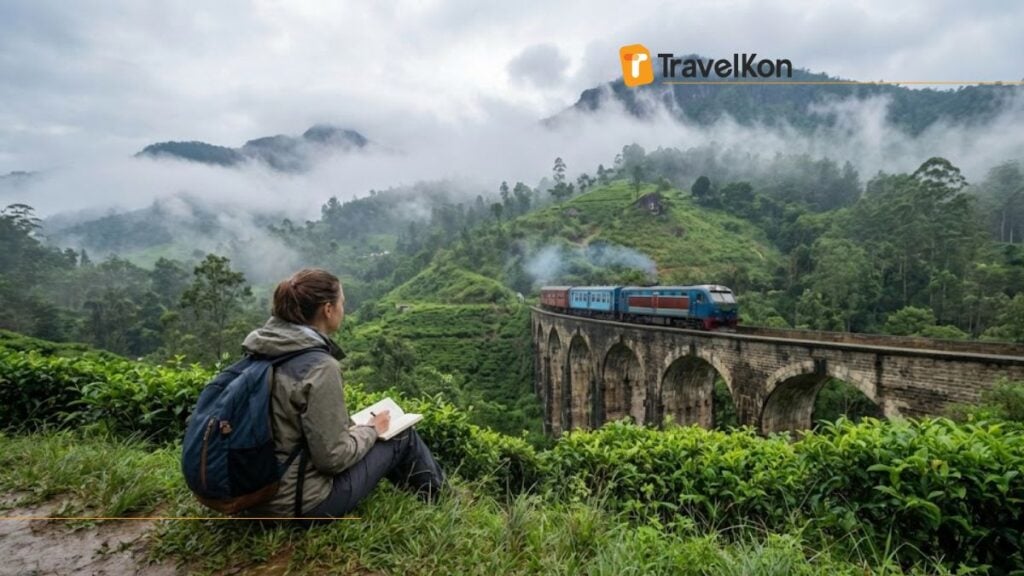
When to Go to Sri Lanka September The Lush Green Highlands

When to Go to Sri Lanka, A Month-by-Month Guide for Travellers

Sri Lanka is a compact island with a disproportionate range of landscapes, climates, and experiences. It draws backpackers on tight itineraries, couples looking for a mix of culture and coast, and slow travellers who settle into a guesthouse and let weeks pass. The dual monsoon system means the island never fully shuts down, but the experience changes significantly depending on the month you arrive and the coast you head to first. Managing expectations around weather is the single most useful piece of planning advice for a first visit. For travellers who move frequently between Colombo, the Cultural Triangle, southern beaches, and the east coast surf towns, reliable data connectivity makes a real practical difference. Sri Lanka eSim Travel options vary in coverage, particularly in rural highland areas and less-visited eastern districts. A plan that works well in Colombo may drop signal around Ella or Arugam Bay, so it is worth checking coverage maps before you commit to a provider. TravelKon lists Sri Lanka eSim options with coverage details that account for both urban and regional travel, which is useful if your itinerary crosses multiple climate zones. January Weather and Regions: January is one of the most reliable months on the island. The southwest monsoon has long passed, and the northeast monsoon is easing. The west coast, south coast, and Cultural Triangle are dry and sunny. The east coast remains unsettled with occasional rain. Best Destinations: Galle, Mirissa, Unawatuna, Sigiriya, and Kandy all perform well in January. Whale watching off Mirissa is at its most productive, with blue whales passing through reliably between December and March. Wildlife and Nature: Yala and Udawalawe national parks are accessible and dry, making wildlife sightings easier as animals gather near water sources. Leopard sightings at Yala are more consistent when vegetation is low. Crowds and Costs: January sits within peak season and prices reflect that. Accommodation in Galle and Mirissa fills quickly, particularly around popular guesthouses in the Fort. Booking several weeks ahead is standard practice. Pros and Cons: Excellent beach and wildlife conditions. Predictable weather across most of the island. Higher prices and more tourists, particularly on the south coast. The east coast is not worth prioritising this month. Who Should Visit: Couples and first-time visitors who want reliable weather for a mix of beach, culture, and wildlife. Budget travellers can still manage, but need to book earlier and accept less flexibility on price. Travel Tip: If you are watching whales at Mirissa, book a smaller, reputable operator. The boats that run large passenger groups can be inconsistent on wildlife ethics. February Weather and Regions: February mirrors January in terms of conditions. The west and south remain dry. The Hill Country around Nuwara Eliya and Horton Plains is cool and clear, making it a good addition to a southern itinerary. Best Destinations: Nuwara Eliya, Horton Plains, Ella, and the south coast. The train journey from Kandy to Ella via Nanu Oya is one of the more photographed rail routes in South Asia and is comfortable in February weather. Festivals and Events: Thai Pongal falls in mid-January and flows into early February in some Tamil communities. Nuwara Eliya has a colonial-era horseracing season that begins around this time, drawing local crowds. Crowds and Costs: Still peak season. The train between Kandy and Ella is heavily booked; securing a seat in the observation car requires advance reservation, which can be done through the Sri Lanka Railways website or a local agent. Pros and Cons: Good conditions across most of the island. The Hill Country scenery is at its clearest. Prices remain high and transport options on popular routes need planning. Who Should Visit: Slow travellers who want to base themselves in Ella or Nuwara Eliya for a week. Couples who want a combination of highlands and beach in one trip. March Weather and Regions: March begins the inter-monsoon transition. Weather is generally stable but afternoon thunderstorms become more common across the island. The south coast and west coast remain largely dependable. Best Destinations: Colombo, Negombo, Galle, and the Cultural Triangle. March is a reasonable month to visit Colombo before the city becomes heavy with pre-monsoon humidity. Wildlife and Nature: Whale watching continues off Mirissa through March. Bundala National Park hosts large flamingo populations in the dry lagoon areas. Crowds and Costs: The peak season thins out by mid-March. Prices begin to soften, particularly at smaller guesthouses and mid-range hotels. This is the beginning of the shoulder season window. Pros and Cons: Better value than January and February. Weather is still mostly reliable on the west and south. Afternoon storms can interrupt outdoor plans and some days feel noticeably more humid. Who Should Visit: Budget travellers who want peak-season quality at shoulder-season prices. Backpackers doing the full loop from Colombo down through the south and up to the Cultural Triangle. April Weather and Regions: April is the inter-monsoon period before the southwest monsoon arrives in earnest. It is one of the hotter months, and humidity climbs. Rainfall becomes unpredictable across both coasts. The northeast begins to dry out, making the east coast increasingly viable. Best Destinations: Trincomalee and the east coast begin to open up. Pigeon Island National Park near Trincomalee offers good snorkelling conditions as the season improves. The Cultural Triangle remains accessible. Festivals and Events: Sinhala and Tamil New Year falls in mid-April and is one of the most important cultural events on the Sri Lankan calendar. Transport and accommodation are under significant pressure around this date, and many local businesses close briefly. Crowds and Costs: The New Year holiday creates a domestic travel surge. Foreign visitor numbers are lower than in the peak season, but internal demand pushes prices up around the holiday itself. Pros and Cons: The cultural experience around New Year is genuine and worth witnessing. Weather is unpredictable and some days are uncomfortably hot. The east coast starts to offer an alternative as conditions improve. Who Should Visit: Travellers interested in local festivals rather than beach conditions. Those heading to

When to Go to Sri Lanka, A Month-by-Month Guide for Travellers Read More »

Flights to Sri Lanka From The Global Transit Lounge

Flights to Sri Lanka From Major Countries, What the Journey Costs and Takes in 2026

Sri Lanka draws visitors for reasons that span beaches, hill country tea plantations, ancient temple complexes, and wildlife reserves concentrated in a relatively compact island. Most international arrivals fly into Colombo’s Bandaranaike International Airport, with a smaller number landing at the newer Mattala Rajapaksa International Airport in the south. Understanding your specific route; flight duration, connection points, typical pricing patterns; makes the difference between a smooth arrival and a exhausting journey that starts your trip poorly. Is an eSIM the best option for traveling in Sri Lanka? For most international visitors, yes; Sri Lanka’s tourist SIM card process at the airport can involve queues and paperwork, while a best esim for Sri Lanka activated before departure means you land with working data for navigation, accommodation bookings, and transport apps immediately. The alternative is hunting for a Dialog or Mobitel counter after a long-haul flight when you just want to leave the airport. Flights to Sri Lanka From the US Who This Route Is For US travelers face one of the longest journeys to Sri Lanka, making this route suited to trips of 2+ weeks minimum. The flight investment; both time and cost; justifies longer stays that allow for proper exploration of the island’s diverse regions. Flight Distance & Duration The US to Sri Lanka requires crossing either the Pacific or Atlantic and Indian Ocean. From New York (JFK), flights cover approximately 14,000 kilometers and take 18–22 hours with one connection. From Los Angeles or San Francisco, expect 16,000 kilometers and 20–24 hours with connections. Direct flights do not exist from any US city. Main Departure Cities East Coast: New York (JFK), Washington DC (IAD), Boston (BOS). West Coast: Los Angeles (LAX), San Francisco (SFO), Seattle (SEA). All require at least one connection, typically in the Middle East, Europe, or Asia. Airlines Flying to Sri Lanka No US carriers fly to Sri Lanka. Common routing options include Emirates via Dubai, Qatar Airways via Doha, Etihad via Abu Dhabi, Singapore Airlines via Singapore, or European carriers (Lufthansa, British Airways) via their respective hubs. West Coast travelers sometimes route via Hong Kong or Bangkok on Cathay Pacific or Thai Airways. Direct vs Connecting Flights All US-Sri Lanka routes require minimum one connection. East Coast routing via Middle Eastern hubs (Dubai, Doha, Abu Dhabi) typically totals 18–20 hours. West Coast routing via Asian hubs (Singapore, Bangkok, Hong Kong) runs 20–24 hours. Two-connection options exist but rarely save money and add significant travel time. Average Flight Prices East Coast: USD $900–$1,400 for good advance bookings. West Coast: USD $1,000–$1,500. Peak periods (December-January, July-August) add USD $300–$500 to baseline prices. Shoulder season (April-June, September-October) offers the best rates. Best Time to Book Book 10–12 weeks ahead for shoulder season. Peak season travel requires 4–5 months advance booking to avoid significant price surges. Mid-week departures (Tuesday-Thursday) typically cost USD $100–$150 less than weekend flights. Arrival Airports in Sri Lanka Nearly all international flights arrive at Bandaranaike International Airport (CMB), 35 kilometers north of Colombo. Some Middle Eastern carriers offer onward connections to Mattala (HRI) in the south, though CMB remains the primary gateway. Practical Tips Before Flying Long layovers are common. Dubai, Doha, and Singapore airports all offer comfortable transit areas with shower facilities and rest zones. How many hours flight from the US to Sri Lanka depends heavily on layover length; choose connections that balance price with sanity. Flights to Sri Lanka From the UK Who This Route Is For UK travelers have one of the more straightforward routes to Sri Lanka, with good direct flight options and competitive pricing from multiple carriers. Suits both short (10–14 day) and extended trips given the manageable flight duration. Flight Distance & Duration London to Colombo covers approximately 8,700 kilometers. Direct flights take 10–11 hours. One-stop flights via Middle Eastern hubs add 2–4 hours depending on layover, totaling 13–15 hours. Main Departure Cities London Heathrow (LHR) and Gatwick (LGW) dominate, with direct and one-stop options. Manchester (MAN) and Birmingham (BHX) typically connect through London or Middle Eastern hubs. Airlines Flying to Sri Lanka SriLankan Airlines and British Airways operate direct London–Colombo flights. Emirates, Qatar Airways, and Etihad provide competitive one-stop options via Dubai, Doha, and Abu Dhabi respectively. Gulf Air via Bahrain offers another alternative. Direct vs Connecting Flights Direct flights cost £550–£900 return off-peak. One-stop via Middle East runs £450–£750 and adds 3–5 hours. Direct flights offer better value when total journey time and convenience are factored in. Average Flight Prices Expect £550–£800 for good advance bookings. Peak UK holiday periods (Christmas-New Year, Easter, summer) push to £850–£1,300. Avoid booking during UK school holidays when all Asian routes surge. Best Time to Book Book 8–12 weeks ahead for shoulder season. December-January travel requires 4+ months advance. Tuesday-Wednesday departures save £50–£100 compared to Friday-Sunday. Arrival Airports in Sri Lanka Most UK flights land at Bandaranaike International (CMB). Direct flights from London arrive primarily at CMB. How long is the flight to Sri Lanka from the UK averages 10–11 hours direct; manageable for most travelers. Practical Tips Before Flying Overnight flights from London arrive in Colombo mid-morning, which works well for same-day hotel check-in. Day flights exist but are less common and often more expensive. Flights to Sri Lanka From Australia Who This Route Is For Australians have relatively short access to Sri Lanka compared to North American or European travelers. The route suits both quick 10-day trips and extended stays given the moderate flight duration. Flight Distance & Duration Sydney or Melbourne to Colombo covers approximately 7,500 kilometers. Direct flights take 9–10 hours when available (seasonal). One-stop flights via Singapore, Kuala Lumpur, or Bangkok run 12–14 hours total. Main Departure Cities Sydney (SYD), Melbourne (MEL), Brisbane (BNE), and Perth (PER) all have one-stop options. Direct flights are seasonal and less frequent than regional connection options. Airlines Flying to Sri Lanka SriLankan Airlines operates direct Melbourne–Colombo seasonally. Singapore Airlines, Malaysia Airlines, Thai Airways, and Cathay Pacific offer competitive one-stop options via their respective hubs. Scoot (Singapore Airlines’ budget arm)

Flights to Sri Lanka From Major Countries, What the Journey Costs and Takes in 2026 Read More »

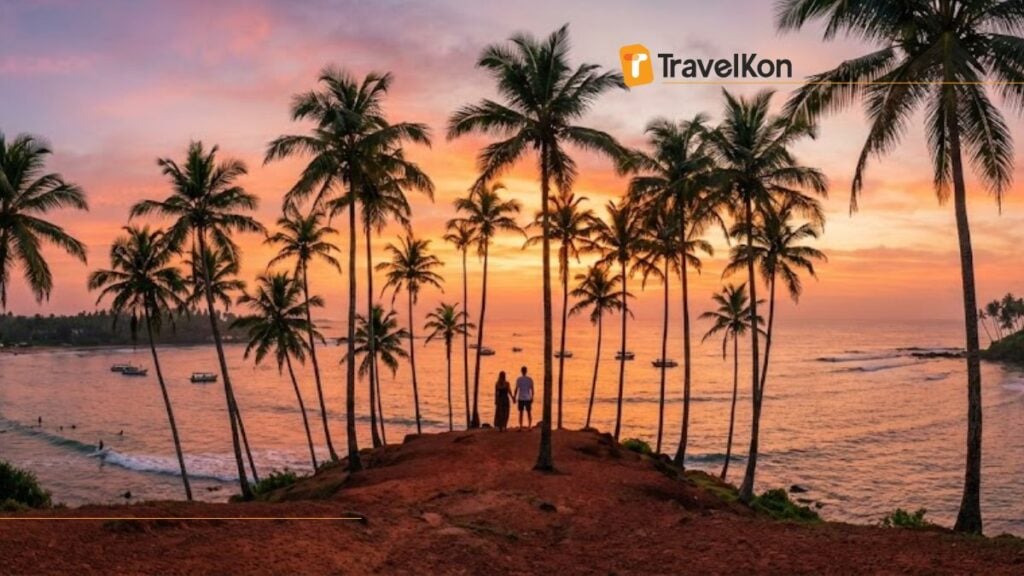
Best Beaches in Sri Lanka Golden Hour at Mirissa’s Coconut Hill

The Best Beaches in Sri Lanka, Sorted by What You Actually Want From Them

Sri Lanka’s beaches are not all the same experience. The south coast is polished, well-connected, and draws the majority of international visitors. The east coast is quieter and less developed, carrying a different character shaped by Tamil and Muslim communities. The west coast is the most accessible from Colombo. Knowing which coast suits your travel style matters more than chasing a single name from a list. Connectivity between beach towns is manageable but signal quality drops once you leave the major hubs. A Sri Lanka Prepaid eSim loaded before departure means you can check ferry schedules, locate accommodation in less-visited bays, and navigate the three-wheeler network without relying on guesthouse Wi-Fi. Coverage varies between providers, and it is worth checking which networks perform well in the specific areas on your itinerary before committing to a plan. Unawatuna Unawatuna sits in a sheltered bay a few kilometres south of Galle and is one of the most visited stretches of sand on the south coast. The bay curves into a natural crescent that reduces swell, making it one of the calmer options among the best beaches in Sri Lanka for swimming. The water is generally safe for average swimmers during the dry season between November and April, and the shoreline is shallow enough that children can move in and out of the water without concern. That combination makes it a practical choice for families who want south coast access without managing strong currents. The beach is backed by a strip of restaurants, guesthouses, and small shops that have grown organically over decades. Facilities are well-developed; sunbeds, snorkeling rental, and cold drinks are all available without effort. Mid-range accommodation sits right on the bay, while quieter guesthouses are found on the surrounding lanes. Nearby, Jungle Beach is accessible by a short walk or boat ride and is considerably less busy for those who find the main bay too crowded. Unawatuna is best visited between December and March when conditions are at their most reliable. Tuk-tuks from Galle take around ten minutes and cost very little. The beach has a lifeguard presence during peak season, and the tree line at the back of the sand provides natural shade during the afternoon hours. The crowd level here is real; during peak season the bay fills with a mix of tourists and day-trippers from Galle. It is not a beach for those looking for isolation. What it offers is a comfortable, well-organised experience within easy reach of one of the south coast’s most interesting towns. Mirissa Mirissa is a wide south coast bay with a consistent character: unhurried, surfable at the edges, and calm enough in the centre for relaxed swimming. It is one of the more considered choices among the best beaches in Sri Lanka for couples who want atmosphere without an aggressive party scene. The beach is long enough that finding a quieter stretch away from the main cluster of sunbeds is straightforward. The headland at the eastern end provides a natural boundary, and the section beyond it is almost always quieter. Between December and March, whale watching boats depart from the small harbour at the western end. Blue and sperm whales are sighted regularly in the waters south of the island during this window, and Mirissa is the most common departure point. The boats vary in quality and ethics; a smaller, reputable operator is worth the slightly higher price. This single activity draws many visitors to the bay who might otherwise look further east. Accommodation ranges from simple wooden guesthouses on the back lanes to small boutique properties on the headland. The mid-range options near the beach are reasonable value in the shoulder months of November and April; prices climb steeply in January and February. Coconut Hill, a short walk from the sand, offers a clear view over the bay and is one of the better vantage points on the south coast at any time of day. The best time to visit is December through March. The sea is calm, the weather is predictable, and the whale watching season is active. Getting to Mirissa from Galle by tuk-tuk takes around thirty minutes; from Colombo, the train to Weligama followed by a short tuk-tuk ride is the most comfortable option. Arugam Bay Arugam Bay on the east coast carries a reputation built almost entirely on surf. The main break at the southern end of the bay is a right-hand point break that works best between May and September when the east coast is in its dry season and swell arrives consistently from the Indian Ocean. Among the best beaches in Sri Lanka for surfing, Arugam Bay is the reference point that most instructors and visiting surfers use. It draws regulars from Australia, Europe, and North America during peak months, and the lineup can get crowded when the conditions are good. Outside of the surf crowd, the town has developed a relaxed secondary culture of cafes, yoga studios, and low-key guesthouses. The lagoon to the north of the bay is calm and suited to stand-up paddleboarding and kayaking. The surrounding area also offers leopard sightings at Kumana National Park and flamingo watching at coastal lagoons; these are underused options worth building into a longer stay. Getting to Arugam Bay requires planning. The road from Colombo takes around seven to eight hours by bus; a domestic flight to Batticaloa followed by a transfer reduces that significantly. Connectivity on the east coast is patchy in places, and having a Sri Lanka eSim Travel plan that covers regional networks is practical when navigating transport logistics from the road. Accommodation is primarily budget to mid-range, with a collection of surf-oriented guesthouses and bungalows. The atmosphere is low-pressure and community-oriented in a way that the south coast, with its more transient visitor flow, rarely matches. Families with older children who surf will find it works; younger children would be better served by a calmer bay. Hikkaduwa Hikkaduwa is on the west coast about ninety minutes south of Colombo by

The Best Beaches in Sri Lanka, Sorted by What You Actually Want From Them Read More »

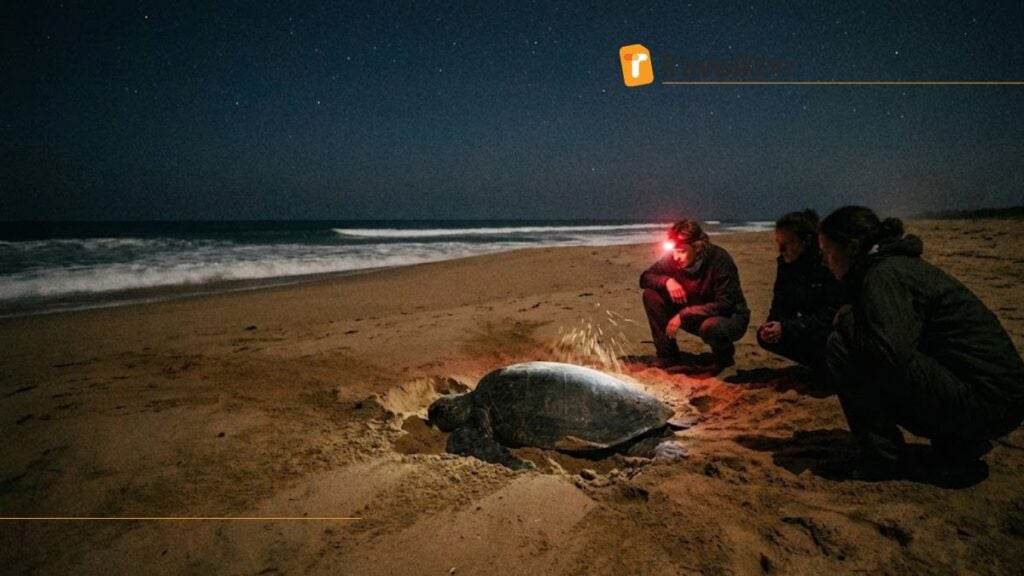
Best Season to Travel to Sri Lanka Rekawa Turtle Nesting at Night

When Is the Best Season to Travel to Sri Lanka and Does It Actually Matter?

Sri Lanka rewards travellers who understand its seasonal logic rather than assume one blanket travel window covers the whole island. The country is compact but climatically split, and choosing the wrong coast for your travel dates is the most common planning mistake. Getting the calendar right is as important as choosing where to go. Before departure, sorting eSim Sri Lanka Data and Calls is worth considering; most eSim options cover data only, which is sufficient for navigation, accommodation bookings, and messaging. For calls, apps like WhatsApp or Google Meet handle most needs over a data connection, making a traditional call plan largely unnecessary for most travellers. Best Season to Travel to Sri Lanka Overall The clearest recommendation for most first-time visitors is December through March. This window covers the dry season on the west and south coast, the Cultural Triangle, and the Hill Country, which together form the most visited travel circuit on the island. Conditions are reliable, wildlife parks are accessible, and the beach and culture combination works well within a single itinerary. This period stands out for several reasons: The trade-off is cost and crowds. January and February are peak season, and accommodation in popular areas fills quickly. Prices are at their highest, particularly on the south coast. Travellers with flexibility who can visit in November or early April will find conditions nearly as good at notably lower rates. Sri Lanka Weather and Monsoon Explained The island’s weather is governed by two monsoon systems that affect opposite sides of the island at different times of year. Understanding this split is the most useful piece of knowledge for planning any Sri Lanka trip. Essential climate facts: What first-time visitors often misunderstand is that the monsoon does not mean constant rain. Downpours tend to be intense and short, often clearing within hours. The issue is reliability rather than all-day rain; outdoor plans become harder to schedule, transport is disrupted on some routes, and sea conditions on the affected coast become unfavourable for beach or water activities. The second common mistake is treating the whole island as one weather zone. The east coast in June is dry and sunny while the south coast is under the southwest monsoon. Planning around this split rather than against it opens up good conditions in every month of the year. Best Season for Beaches: West and South vs East Coast The two coasts operate on opposite calendars, and the right choice depends entirely on when you are travelling. West and south coast beaches are at their best from November through April: East coast beaches are at their best from May through September: The key difference between the two regions is development level. The south coast has more infrastructure, more accommodation options, and more tourist services. The east coast is quieter, less developed, and offers a more independent-travel oriented experience. Choosing the right coast based on travel dates is more important than any preference between the two. Best Season for Hill Country and the Scenic Train The Hill Country around Kandy, Ella, and Nuwara Eliya is at its most comfortable and visually clear between January and April. The southwest monsoon, which arrives in May, brings cloud and rain to the highlands and can reduce visibility significantly. The November to December period sees improving conditions as the monsoon eases. Key hill country destinations by timing: The train between Kandy and Ella via Nanu Oya is one of the more photographed rail routes in Asia. Observation car seats are limited and book out weeks in advance; this applies year-round but particularly between December and March. The journey takes around six hours and passes through tea estates, waterfalls, and mountain tunnels. Travelling by day is necessary to see the scenery; overnight options miss the point. Who should prioritise this region: couples who want a cooler, more scenic contrast to the coast; slow travellers who want to base in Ella for several nights; backpackers on the standard south coast to Hill Country circuit. Best Season for Wildlife Safaris Wildlife viewing in Sri Lanka is strongly tied to water availability. As water sources reduce in the dry season, animals concentrate around remaining tanks and rivers, making sightings more consistent and easier to find. Recommended national parks by season: The most common mistake when planning a safari is assuming any park works in any month. Yala in the wet season offers reduced access and lower sighting rates. Minneriya in the dry season is unremarkable. Matching the park to the month makes a significant practical difference. How to Choose the Best Season for Your Trip The right travel window depends on what you are prioritising. Sri Lanka good time to visit varies meaningfully by experience type, and understanding the trade-offs helps avoid disappointment. Example scenarios and recommended timing: Common mistakes when choosing travel dates: booking flights before checking which coast is in season; assuming October is acceptable because it is low season rather than genuinely difficult; and planning a south coast itinerary for June without building in the east coast as an alternative. Which month is best to visit Sri Lanka for a single-coast first trip? December to February for the south, June to August for the east. Both answers are correct depending on where you are heading. Planning Around the Calendar, Not Against It Sri Lanka is one of those destinations where the planning decisions made before booking matter more than most adjustments made on the ground. The island is small and well-connected enough that once you arrive, most logistics resolve themselves. What does not resolve itself easily is arriving on the wrong coast in the wrong month. The seasonal split is not a complication; it is a feature. It means the island never fully closes. Every month has a coast that is working well, a national park worth visiting, and a train route worth taking. A Sri Lanka eSim Travel plan keeps you connected as you move between regions; useful when you are rerouting around weather, checking updated road conditions,

When Is the Best Season to Travel to Sri Lanka and Does It Actually Matter? Read More »

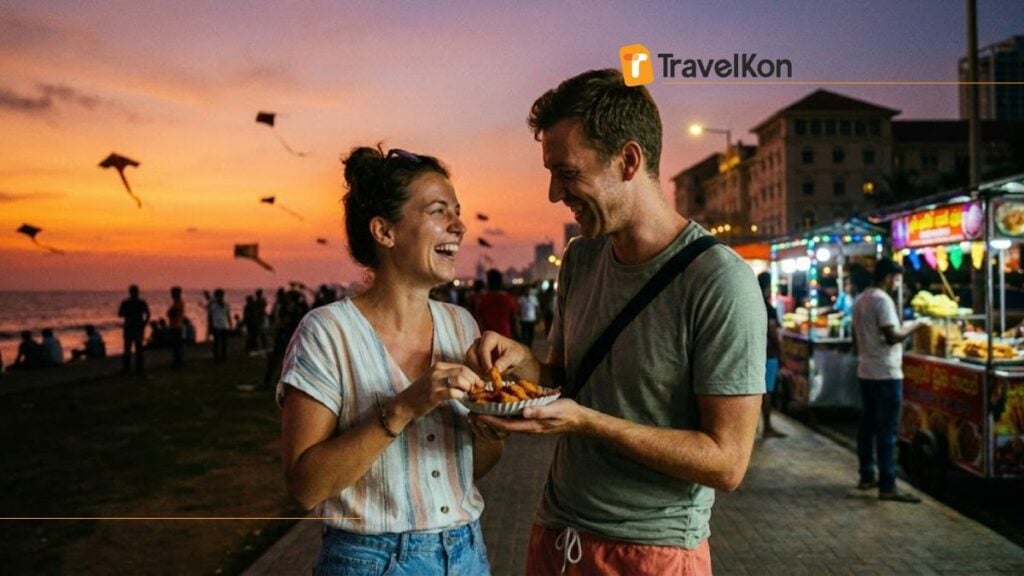
Things to Do in Colombo Sri Lanka Golden Hour at Galle Face Green

Things to Do in Colombo Sri Lanka; Plus an eSIM Tip Before You Head South

Colombo is the kind of city most first-time visitors underestimate. It does not announce itself dramatically on arrival, but it holds enough to fill two days with genuine interest if you know where to look. It suits travellers who want to ease into Sri Lanka before heading to the beaches and highlands, and it gives useful context for understanding the layered colonial and Buddhist history you will encounter elsewhere on the island. Most eSim plans do not include a local phone number by default; a Sri Lanka eSim with Phone Number option requires checking provider terms specifically, as standard plans cover data only. For calls, apps like WhatsApp or Google Meet work reliably over a data connection and cover most communication needs while travelling. Visit the Gangaramaya Temple and Seema Malaka Gangaramaya Temple is one of the more visually layered sites in Colombo. Built up over decades through donations from Buddhist communities across Asia, the complex has an eclectic character that sets it apart from older, more uniform temple sites. The main building contains statues, vehicles, clocks, and donated objects in dense accumulation. The adjacent Seema Malaka sits on a platform over Beira Lake and offers a calmer, architecturally distinct counterpoint. Both sites require covered shoulders and legs, and shoes are removed before entering. Key highlights within the temple complex: The temple is best visited in the early morning or late afternoon. Entry is free, with a donation box at the entrance. Walk Along Galle Face Green at Sunset Galle Face Green is a long coastal promenade running south from the Fort district along the Indian Ocean. It functions as a gathering point for local families, food vendors, and kite flyers in the late afternoon. The atmosphere is relaxed and observational; it gives a more honest read on everyday Colombo than most other areas of the city. Street food vendors line the inland edge from around 4pm onward. Things to try and see at Galle Face Green: Explore Pettah Market and Colombo Fort Pettah is the city’s main market district; streets are loosely organised by product type covering electronics, fabric, spices, and produce. The pace is fast and the crowds are real. Colombo Fort, directly adjacent, carries a very different character; colonial architecture, wider streets, and significantly less density. The Dutch Hospital complex in Fort is a 17th-century building repurposed as a dining and retail precinct worth walking through for the architecture alone. Notable spots and experiences in the area: Discover Colombo’s Museums and Cultural Landmarks Colombo’s museums provide useful context for Sri Lanka’s history that pays dividends at sites like Anuradhapura and Polonnaruwa. The National Museum in Cinnamon Gardens is the most complete option, covering the full historical arc from prehistoric Sri Lanka through colonial rule to independence. It suits slow travellers and couples who want background before heading to the Cultural Triangle. Key museums and landmarks to visit: Take a Day Trip to Mount Lavinia Beach Mount Lavinia is a beach suburb about 12 kilometres south of central Colombo and the closest coastal option for city-based visitors. The beach is narrower and the water less clear than beaches further south, but its proximity makes it practical for travellers with limited time or an early flight from Sri Lanka Colombo airport the following morning. Activities to enjoy at Mount Lavinia: The train from Colombo Fort takes around 25 minutes and costs very little; faster and more comfortable than a tuk-tuk for this distance. Use an eSIM to Navigate and Explore Colombo Easily Data connectivity makes a practical difference in Colombo. Tuk-tuk drivers do not always speak English fluently, street addresses are inconsistently signposted, and apps like PickMe and Google Maps are the most reliable tools for moving between the Fort, Pettah, Cinnamon Gardens, and Galle Face without confusion. Practical ways travellers use eSIM while exploring: A Sri Lanka eSim Travel plan activated before departure means working data from the moment you exit arrivals at Bandaranaike Airport; the 35-kilometre transfer into the city is the first point where connectivity makes the arrival meaningfully smoother. Ride a Tuk-Tuk Around the City for a Local Experience Tuk-tuks are the standard short-distance transport across Colombo and the most practical way to move between the Fort, Pettah, Galle Face, and Cinnamon Gardens in a single day. Fares should be agreed before departure; the going rate within central Colombo is around 200 to 400 rupees for short trips. The PickMe app shows fares upfront and removes negotiation entirely. Popular routes to explore by tuk-tuk: Agree the fare before entering, confirm the destination clearly, and share your location if travelling alone after dark in unfamiliar areas. Getting Colombo Right Before You Move On Colombo rewards visitors who treat it as an introduction to Sri Lanka rather than an obstacle between the airport and the coast. Two nights give enough time to cover the main colombo sri lanka attractions without rushing, and the city provides context that makes the rest of the island more legible. The practical side; navigating between districts, booking onward transport, checking train schedules; is easier with reliable data from day one. Sorting a plan before you land is the simpler approach.

Things to Do in Colombo Sri Lanka; Plus an eSIM Tip Before You Head South Read More »

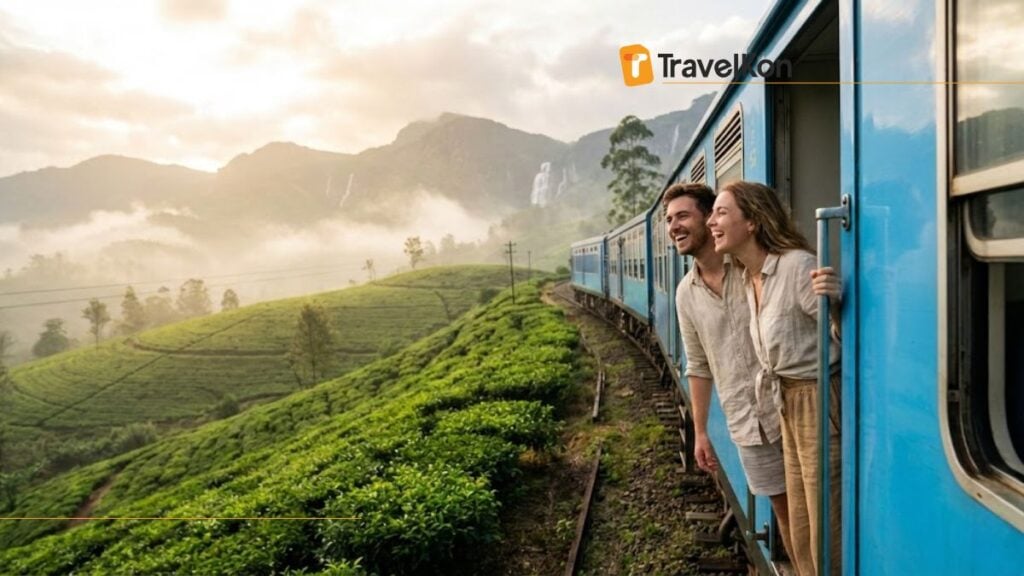
Things to Do in Sri Lanka The Scenic Highland Train Journey

Things to Do in Sri Lanka That Actually Reflect What the Island Offers

Sri Lanka is a small island with an unusually wide range of experiences packed into a manageable geography. Most visitors can move between a beach, a colonial fort, a wildlife park, and a highland tea estate within a few days of each other without excessive transit. That density of experience is why it works well for first-time visitors, couples, backpackers, and slow travellers who want depth without covering thousands of kilometres. An eSim Sri Lanka Unlimited Data plan is worth arranging before departure, particularly if your itinerary moves between cities, beaches, and rural highland areas. Coverage varies between providers; some plans that perform well in Colombo drop signal in the Hill Country or along the east coast. Checking coverage maps for your planned route before committing saves the most common connectivity frustration on the ground. Top Things to Do in Sri Lanka for First-Time Visitors The island’s appeal comes from how much variety fits within a short distance. A ten-day itinerary can reasonably include a colonial city, a surf beach, a highland train journey, and a leopard safari without feeling rushed. Core experiences that define a first visit: These experiences cover the main pillars of what Sri Lanka offers: history, wildlife, coast, and landscape. They are not equally accessible in every month, and understanding the seasonal split before building an itinerary is what separates a well-planned first visit from one that misses key windows. Explore Ancient Cities and Cultural Heritage Sites Sri Lanka has a concentrated collection of ancient Buddhist and Hindu sites accessible without specialist knowledge. The Cultural Triangle in the north-central region holds the most significant cluster within reasonable driving distance of each other. Early morning visits to Sigiriya and Polonnaruwa are practical choices; the heat by mid-morning makes extended walking uncomfortable. Temple etiquette; covered shoulders, legs, and removed shoes; is enforced at most entrances. Key cultural destinations to prioritise: The Cultural Triangle is most comfortable between May and September. It is accessible year-round, but December to March brings heavier visitor traffic, particularly at Sigiriya. Enjoy Beaches and Coastal Experiences The coastal experiences split clearly between the developed south and west coast and the quieter east coast. The south suits travellers who want reliable facilities and easy access from Colombo. The east suits those who want quieter beaches, better surf, and a more independent experience. Recommended beach destinations and activities: What should I not miss in Sri Lanka on the coast? The whale watching window off Mirissa is the most time-specific experience and worth prioritising if your dates align with December through March. Discover the Hill Country and Scenic Train Journey The central highlands around Kandy, Ella, and Nuwara Eliya offer a genuinely different experience from the coast. Elevation reduces temperature, the landscape shifts from palms to tea bushes, and the pace is slower than the beach hubs. The train between Kandy and Ella via Nanu Oya takes around six hours through tea estates, waterfalls, and mountain tunnels. Observation car seats are limited and book out well in advance; arranging this before arrival is necessary during peak season rather than an optional upgrade. Key hill country stops to include: The Hill Country is most comfortable and visually clear between January and April. The southwest monsoon from May brings cloud to the highlands, though the landscape turns lush green, which has its own character for slow travellers who do not mind mist. Go on a Wildlife Safari Sri Lanka is one of the more accessible safari destinations in Asia. The parks are within a few hours of major tourist centres, and wildlife density relative to park size means sightings are more consistent than in many larger destinations. Recommended national parks by season and focus: Morning departures produce the most sightings across all parks. Group jeeps are cheaper; private jeeps offer more flexibility on pace and photography positioning. Choose Activities Based on Your Travel Style The mistake most first-time visitors make is trying to cover too much within too short a window. Two to three nights per region works better than moving every day. Example activity combinations for different travel styles: Balancing culture, nature, and coast in a single trip is achievable in ten to fourteen days. The structure that works best for most first-time visitors is a coast, highlands, and Cultural Triangle sequence rather than moving daily between disconnected areas. Planning an Itinerary That Works Sri Lanka rewards visitors who match their activities to the season and allow enough time in each place to understand it. The island is small, but it is not a destination that benefits from being rushed. For those moving between regions frequently, consistent data access matters more than it might seem; for navigation, transport schedules, and adjusting bookings when plans shift. A Sri Lanka eSim Travel plan sorted before departure keeps you connected across the different coverage areas you will pass through, from Colombo to the Hill Country to the east coast. The travellers who leave Sri Lanka with the clearest sense of what the island is are the ones who chose fewer things and stayed longer, rather than trying to check every category in a single trip. The activities are there; the planning determines whether you experience them or simply pass through them.

Things to Do in Sri Lanka That Actually Reflect What the Island Offers Read More »

0
    0
    Your Cart
    Your cart is emptyReturn to Shop