Thailand SIM Card vs eSIM: Best Option for July Events and Ubon Candle Festival
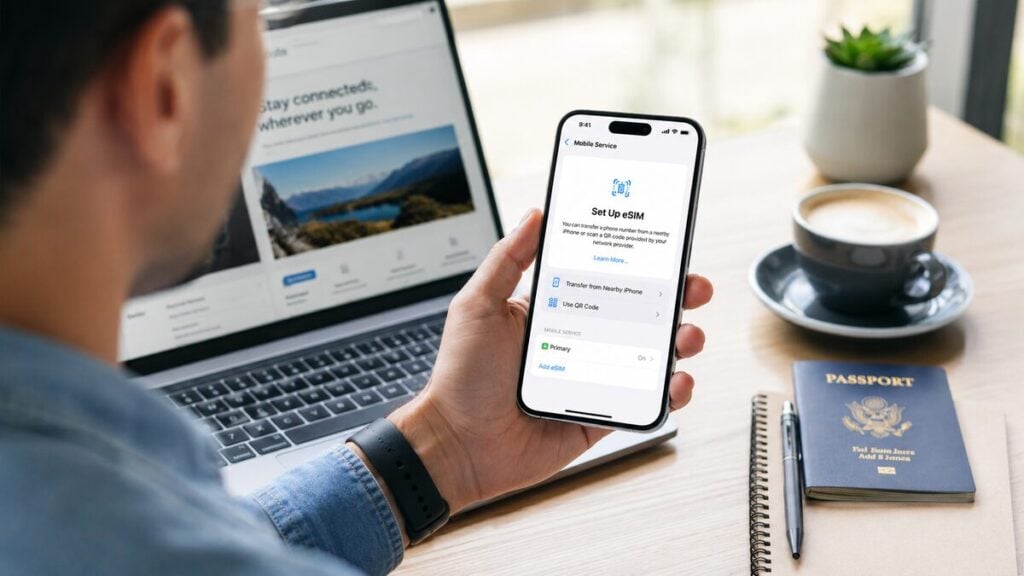
A July trip to Thailand can move quickly from simple holiday mode into real-time problem-solving. One minute, the plan is Suvarnabhumi Airport to Bangkok. The next, it is a Grab or Bolt pickup, a hotel message, a domestic flight to Ubon Ratchathani, a rainy-season tour update and a candle procession that needs maps, translation and photo sharing all at once. And that is exactly why mobile data deserves more thought before departure. So before choosing between airport queues, local counters and digital activation, Australian travellers should consider the advantages a Thailand eSIM plan can offer. Besides, Thailand is already a mobile-first travel destination. The country had 96.6 million active cellular mobile connections in late 2025, equal to 135% of the population. For tourists, mobile data is not just for scrolling because it’s needed for airport transfers, ride-hailing, maps, bookings, translation, weather alerts, hotel messages and last-minute transport checks. Should You Buy a Thailand SIM Card or eSIM for July? For most Australian tourists visiting Thailand in July, a Thailand eSIM is the better choice if the phone supports eSIM and the trip mainly needs mobile data. It can be installed before leaving Australia, used after arrival and kept separate from the Australian SIM. That is a win because the first data need often happens before the holiday properly starts. At Suvarnabhumi Airport, travellers may need to message a hotel, confirm a domestic connection, find a ride-hailing pickup point, check a booking, translate instructions or update family back home. A pre-installed eSIM removes one more task from arrival day. However, when your phone does not support eSIM, a local Thai number is needed, or a removable SIM feels easier, a physical Thailand SIM will make more sense. And if the itinerary includes Thailand plus Vietnam, Malaysia, Singapore, Indonesia or Cambodia, we’d recommend our Southeast Asia eSIM category as the best option. What Is the Difference Between a Thailand SIM Card and eSIM? Before choosing a Thailand SIM card or eSIM, focus less on the technology itself and more on how each option affects arrival, setup, Australian number access and July travel flexibility. Feature Thailand eSIM Physical Thailand SIM Card What it is A digital SIM profile installed on a compatible phone A physical plastic SIM inserted into the phone’s SIM tray Setup Installed digitally, usually by scanning a QR code or following setup instructions Requires inserting the SIM into the phone Best for Travellers who want data ready before arrival and want to keep their Australian SIM in the phone Travellers with non-eSIM phones or those who prefer a removable SIM Australian SIM access Usually allows the Australian SIM to stay active for banking codes, messages and account verification May require removing the Australian SIM unless the phone supports dual physical SIMs Arrival convenience Stronger option because setup can often be handled before leaving Australia Less convenient if the SIM is bought or swapped after landing Risk of losing SIM No physical card to lose once installed Australian SIM must be stored safely if removed Calls and SMS Depends on the plan; many travel eSIMs are data-only More likely to suit travellers who need local calls or SMS, depending on the plan July event travel Useful for maps, ride-hailing, hotel messages, translation, weather alerts and Ubon Candle Festival updates Also useful, but less convenient if setup happens after arrival Multi-city travel Easy for Bangkok, Phuket, Chiang Mai and Ubon if the plan has suitable coverage and data Works well once installed, but swapping SIMs can add friction Main drawback Requires an eSIM-compatible, unlocked phone Requires a SIM slot, physical handling and safe storage of the Australian SIM For most Australian travellers, the biggest advantage of a Thailand eSIM is that it can let the Australian SIM stay in the phone while the travel data line handles maps, transport, browsing and messaging. That is essential when bank verification codes, airline updates, family messages and account logins still rely on the Australian number. For July travel, that convenience becomes more useful. Ubon Candle Festival can involve domestic flights, regional transport, temple visits, crowded procession routes, hotel coordination, ride-hailing pickup zones and rainy-season changes. A working data line from arrival reduces the small problems that can stack up during a busy trip. Which TravelKon Option Should You Choose for Your July Thailand Itinerary? The best choice depends on the route, phone compatibility and how heavily the phone will be used. Traveller Type Best Fit Why Bangkok, Phuket or Chiang Mai only Thailand eSIM Fast setup, no airport SIM queue, good for maps, messaging and ride-hailing Bangkok plus Ubon Candle Festival Thailand eSIM with a larger data allowance Event days create heavier use through maps, translation, photos, video and transport checks Older phone without eSIM support Physical Thailand SIM card Required if the device cannot install an eSIM Traveller who needs Thai calls or SMS Physical Thailand SIM or selected plan with voice/SMS Many travel eSIMs are data-only Thailand plus nearby countries Southeast Asia regional eSIM Simpler than switching country-specific plans Traveller who prefers a removable SIM Physical Thailand SIM card Easier for those who want a physical card Heavy video, hotspot or work use Larger or unlimited data Thailand eSIM Better fit for high data use, subject to fair-use terms How Much Data Do You Need for the Ubon Candle Festival? The Ubon Ratchathani Candle Festival runs from 28–30 July 2026, with candle gathering at Thung Si Mueang on 28 July and day-and-night candle processions on 29–30 July. The event overlaps with Asahna Bucha and Khao Phansa, so travellers should expect a more active local rhythm around temples, public holidays, accommodation, opening hours and transport. Data use during the festival depends less on casual browsing and more on what the phone has to do in the street. Traveller Type Daily Data Estimate Typical Usage Real-World Activities Light Traveller 1–2GB per day Essential connectivity only Google Maps for walking routes, temples, night markets and return transport; messaging hotels or guesthouses about arrival changes; basic
Thailand SIM Card vs eSIM: Best Option for July Events and Ubon Candle Festival Read More »