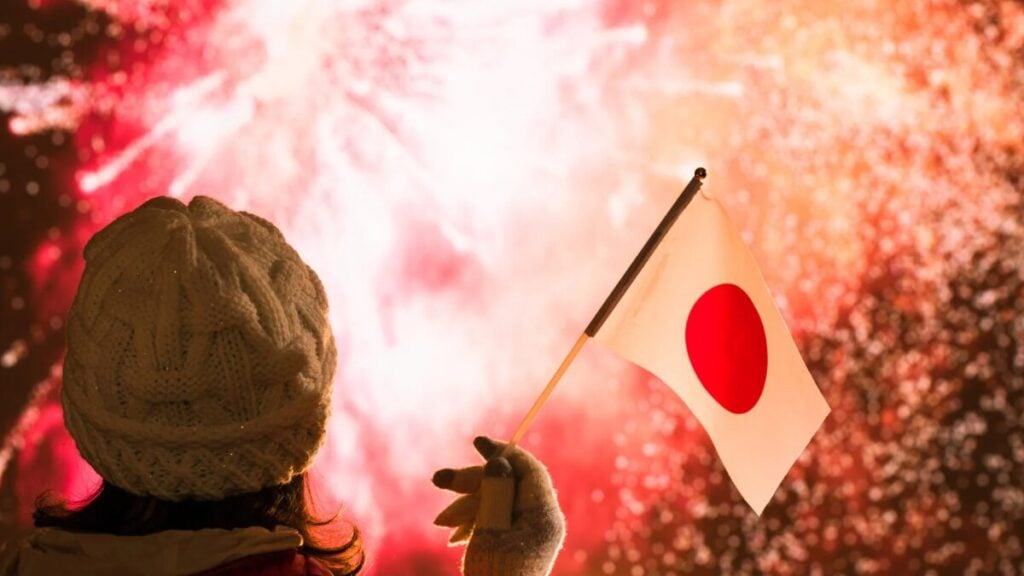
Japan welcomes the New Year with a tradition that brings millions of people to its shrines and temples. Known as hatsumode, the year’s first visit is an opportunity to pray for good fortune, purchase protective charms and welcome a fresh start. From Tokyo’s Meiji Jingu to Kyoto’s Fushimi Inari Taisha, popular sites attract enormous crowds between 1 and 3 January.
Planning to join them in 2027? Here’s when to visit, where to go, how to follow local customs and what Australian travellers should know about winter weather, holiday closures and late-night trains.
What Is Hatsumode?
Hatsumode (初詣) is Japan’s tradition of making the first visit to a Shinto shrine or Buddhist temple in the new year. People pray for health, happiness and prosperity, draw paper fortunes and purchase charms associated with good luck.
Most visits take place between 1 and 3 January, although the custom continues throughout the first week and beyond. Some worshippers arrive just before midnight on New Year’s Eve to begin their prayers as the year changes.
Hatsumode is part of Oshogatsu, Japan’s traditional New Year celebrations centred on 1 January. It differs from Japan’s Lunar New Year event, which follows a separate calendar and takes place later in winter.
Visitors of any faith can participate, provided they respect the customs and follow instructions at each site.
When Should You Go for Hatsumode in 2027?
The busiest period falls over the first three days of January, but your experience depends on when you arrive.
31 December 2026, Thursday: Some Buddhist temples ring their bells 108 times around midnight in a ritual called joya no kane, symbolising the removal of worldly desires. Senso-ji traditionally holds the ceremony, although its exact 2026–27 arrangements remain subject to confirmation. Major shrines begin attracting visitors before midnight.
1 January 2027, Friday: New Year’s Day is a national public holiday. Some visitors combine hatsumode with hatsuhinode, the year’s first sunrise, which occurs at approximately 6:50 am in Tokyo.
2–3 January, Saturday–Sunday: Popular shrines remain busy throughout the weekend. Visiting early in the morning may mean shorter queues than arriving around midday or during the afternoon.
4–7 January, Monday–Thursday: Many businesses resume operations during the first week of January. These dates can offer a quieter experience, although crowd levels vary between shrines.
9–11 January, Saturday–Monday: Coming of Age Day falls on 11 January, creating another long weekend. Many municipalities hold ceremonies for people turning 20, and some participants visit shrines wearing formal kimono.
Checking Japan public holidays before choosing your travel dates can help you anticipate busy transport services, attraction closures and holiday crowds.
Which Shrines and Temples Are Best for Hatsumode?
Japan has thousands of shrines and temples, but several destinations are particularly popular during New Year celebrations.
| Site | Location | Nearest Station | What to Expect |
| Meiji Jingu | Tokyo | JR Harajuku | One of Japan’s busiest hatsumode shrines |
| Senso-ji | Tokyo | Asakusa | Historic Buddhist temple and shopping street |
| Naritasan Shinshoji | Narita | JR or Keisei Narita | Convenient for airport travellers |
| Fushimi Inari Taisha | Kyoto | JR Inari | Famous red torii gates |
| Sumiyoshi Taisha | Osaka | Nankai Sumiyoshitaisha | Major Osaka New Year destination |
Meiji Jingu, Tokyo
Historical estimates suggest that more than 3 million people visit Meiji Jingu during the New Year period. The shrine sits within a forested area beside Harajuku, but its popularity can mean several hours of queuing to reach the main prayer area.
JR Harajuku Station is close to the entrance, although reaching the main shrine requires a longer walk through the grounds.
Regular opening hours are 6:40 am to 4 pm in December and 6:40 am to 4:20 pm in January. Special New Year hours may differ, and overnight access for 31 December 2026 should be checked against official announcements.
Senso-ji, Asakusa
Tokyo’s oldest established Buddhist temple is a popular hatsumode destination, particularly for travellers staying in eastern Tokyo.
The approach passes through Nakamise-dori, a shopping street known for traditional snacks and souvenirs. During New Year celebrations, however, it can become extremely crowded.
The main hall normally opens from 6:30 am to 5 pm between October and March, although holiday arrangements may differ.
Asakusa Station is served by Tokyo Metro, Toei and Tobu services. If visiting with others, agree on a meeting point away from the busy Kaminarimon Gate.
Naritasan Shinshoji, Narita
Naritasan Shinshoji is a large Buddhist temple complex near Narita Airport.
Selected trains connect the airport with Narita’s railway stations in around 10 minutes, followed by a walk of approximately 10–20 minutes, depending on your route.
The approach street is lined with traditional shops and restaurants serving grilled eel. Expect heavy crowds around New Year’s Day, and avoid scheduling a visit too close to an international flight.
Fushimi Inari Taisha, Kyoto
Fushimi Inari Taisha is famous for its thousands of red torii gates winding through the wooded slopes of Mount Inari.
Historical government reporting indicates that more than 2.5 million people have visited during the first three days of January in past years.
JR Inari Station sits opposite the shrine entrance, although queues can extend into surrounding streets.
In Osaka, Sumiyoshi Taisha offers another major hatsumode experience, accessible from Nankai’s Sumiyoshitaisha Station.
For a calmer alternative, consider a neighbourhood shrine near your accommodation. The tradition is the same, without necessarily spending hours in a queue.
How Do You Visit a Shrine Respectfully?
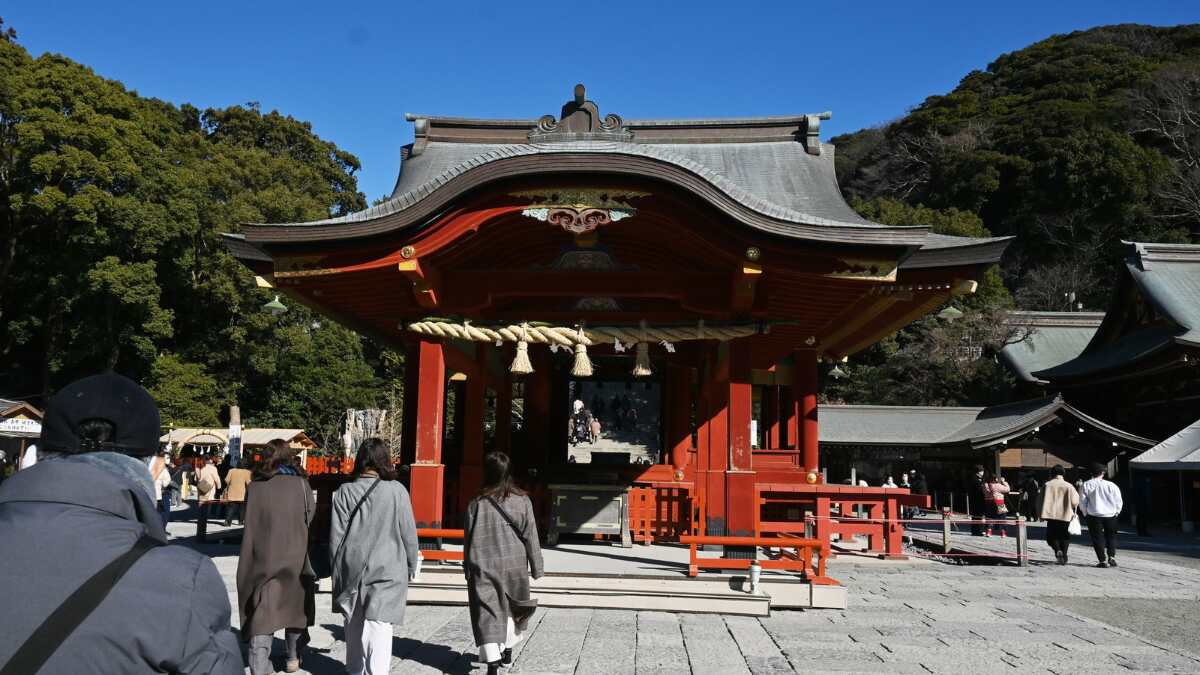
You do not need to memorise every ritual, but understanding the basics will help you participate confidently.
- Bow at the torii gate. A small bow shows respect. Walk slightly to the side of the approach where practical, as the centre is traditionally reserved for the deity.
- Purify your hands. At the temizuya, rinse your left hand, then your right. Some facilities also permit mouth rinsing using water poured into your cupped hand. Follow posted instructions and never put your mouth directly against a communal ladle or spout.
- Make an offering. Place a coin in the offering box and ring the bell if provided. Five-yen coins are popular because go-en resembles a Japanese word associated with good connections, although other denominations are acceptable.
- Pray respectfully. At most Shinto shrines, bow twice, clap twice, pray silently and bow once more. At Buddhist temples such as Senso-ji, press your palms together without clapping.
- Follow the queue. Staff may direct visitors through designated routes during busy periods. Avoid blocking pathways or stopping suddenly for photographs.
Photography restrictions vary. At Meiji Jingu, photography is prohibited in the main worship area.
Knowing cultural etiquette in Japan before departure can also help you navigate everyday customs beyond shrine visits.
What Are Omikuji, Omamori and Ema?
Many visitors take part in additional New Year traditions after praying.
Omikuji are paper fortunes offering predictions or guidance for the coming year. They range from daikichi, meaning great blessing, to kyo, indicating bad luck, although categories vary. You can keep your fortune or tie it to a designated rack.
Omamori are protective charms associated with wishes such as good health, safe travel, academic success or relationships. Many people replace them annually and return older charms for respectful disposal.
Ema are wooden plaques on which visitors write wishes before hanging them at the shrine. New Year designs often feature the zodiac animal, which for 2027 is the Sheep, also called the Goat.
You may also see hamaya, decorative arrows traditionally associated with protection against misfortune.
How Much Do Charms and Fortunes Cost?
Paper fortunes typically cost ¥100–300, while protective charms and wooden prayer plaques generally range from ¥500 to over ¥1,000, depending on the shrine, design and type.
Carry some cash for shrine offerings, food stalls and small purchases, as card payments aren’t always accepted. Knowing how to carry enough cash in Japan can help you budget for these expenses while keeping enough yen on hand throughout your trip.
What Should You Eat and Wear?
January is winter in Japan, and standing outside for an hour or longer can become uncomfortable. Wear a warm coat, insulating layers, gloves and comfortable shoes. Disposable heat packs called kairo are sold at convenience stores and can help during long queues.
Some visitors wear kimono, but ordinary winter clothing is perfectly acceptable. Larger shrines and temples may have temporary food stalls known as yatai, selling snacks and warm drinks. Try amazake, a sweet fermented rice drink traditionally served hot. Some varieties contain alcohol, so check before purchasing.
Eat in designated areas rather than while moving through crowded prayer queues.
What Is Open, and How Do You Get Around?
New Year’s Day is a national public holiday, and smaller shops, restaurants and attractions may close for several days.
Convenience stores generally remain open, although individual branches may adjust their hours. Department stores often begin their New Year sales in early January, sometimes offering fukubukuro, or lucky bags.
Are Trains Running Overnight on New Year’s Eve 2026?
JR East has confirmed additional services on six Tokyo-area routes between 31 December 2026 and 1 January 2027.
Three routes will operate additional overnight services:
| Route | Approximate Service Period |
| Yamanote Line | 1:00–4:50 am |
| Keihin-Tohoku/Negishi Line | 1:00–4:00 am |
| Chuo-Sobu Local Line | 12:10–4:40 am |
The Chuo Rapid, Yokosuka and Sobu/Narita routes will also receive selected additional departures rather than continuous overnight services.
Other railway operators, including Tokyo Metro and Toei, may follow different schedules. Their 2026–27 overnight arrangements should be checked through official announcements.
Before leaving your accommodation, save your return route, download offline maps and check the final connection to your hotel. A JR train may still be operating after the subway you need has stopped running.
Staying Connected During Hatsumode
Crowded stations, temporary pedestrian routes and late-night transport changes make reliable mobile data useful during Hatsumode.
You can check train departures, navigate alternative routes and contact your group if you become separated.
Compare Japan eSIM plans before departure to find an option suited to your trip length, data requirements and device compatibility.
Many of our travel eSIM plans are data-only, but with a compatible dual-SIM phone, you can use your Japan eSIM for mobile data while keeping your Australian SIM active to receive bank verification texts, provided your home provider supports SMS roaming.
Check your roaming settings and charges before travelling to avoid unexpected costs.
FAQs
When Is Hatsumode in 2027?
The most popular dates are 1–3 January 2027, beginning just after midnight on New Year’s Eve. Visits continue throughout the first week and beyond.
What Do You Do at Hatsumode?
Visitors typically purify their hands, make an offering and pray. Many also draw paper fortunes, purchase protective charms or write wishes on wooden plaques.
Can Tourists Participate in Hatsumode?
Yes. Tourists are welcome at shrines and temples open to the public, provided they follow local customs and respect restrictions.
Which Shrine Is Busiest for Hatsumode?
Meiji Jingu in Tokyo is traditionally among Japan’s busiest, with historical estimates exceeding three million visitors during the New Year period.
Are Trains Running All Night on New Year’s Eve?
Some JR East routes will operate additional overnight services for 2026–27, including the Yamanote, Keihin-Tohoku/Negishi and Chuo-Sobu local lines. Check other operators separately.