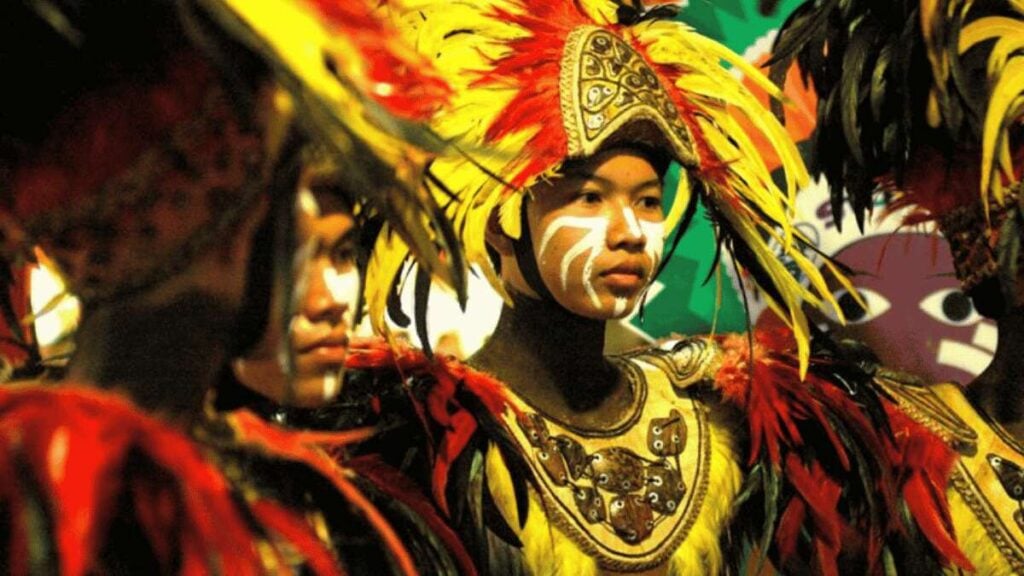
Landing in Manila or Cebu without working data turns small travel tasks into serious connectivity problems. July festivals add another layer of issues that can impact your travel experience. Manila event season keeps visitors moving between malls, hotels, venues and late-night rides.
Additionally, Pagoda Festival brings Manila-to-Bulacan day-trip planning into the mix. Before that first ride, it pays to compare available Philippines eSIM plans so your phone is useful from the first hour of the trip.
Which Philippines eSIM Should You Choose for July?
If your itinerary stays within the Philippines, whether that means Manila, Cebu, Boracay, Palawan, Bohol, Siargao or a mix of islands, it makes sense to go for our Philippines eSIM plans.
But if the journey stretches beyond one country, covering places like Singapore, Thailand, Malaysia, Indonesia, Vietnam or Cambodia, a Southeast Asia eSIM is the more practical option. Still weighing up island routes? Our Philippines Islands travel guide can help you get started.
Best TravelKon eSIM Plan by Trip Type
The right plan should match the way the trip actually works on the ground. A Manila-only event trip does not need the same data allowance as a two-week island-hopping route. On the other hand, a Philippines-only holiday does not need the same coverage as a multi-country Southeast Asia itinerary.
| Trip Type | Suggested TravelKon Option | Why |
|---|---|---|
Manila plus Bulacan festival travel | Philippines eSIM | Best fit for Grab, maps, hotel messages, ticket checks and day-trip coordination |
Manila plus Cebu, Boracay, Palawan or Bohol | Philippines eSIM | Keeps mobile data simple across domestic travel |
Philippines plus Singapore, Thailand, Malaysia, Indonesia or Vietnam | Southeast Asia eSIM | Avoids switching plans between countries |
Heavy video, remote work or hotspotting | Larger or unlimited Philippines eSIM plan | Better fit for high daily data use |
Short city break with light usage | Smaller fixed-data Philippines eSIM plan | More cost-effective when usage is controlled |
Still choosing islands | Philippines planning content first | Helps match the data plan to the actual route |
Note: Always check our live product page before buying because plan prices, data allowances, validity periods, hotspot rules, fair-use terms and availability can change. Compare the current options, then choose the plan that covers the full route rather than the one that simply looks cheapest.
What Makes the Best Philippines eSIM for Australian Travellers?
The best Philippines eSIM for Australian travellers should solve the trip before the trip starts. It should not create another airport task after a long flight.
A strong plan should:
- Work for the actual route, not just the arrival city.
- Be installable before departure on stable Wi-Fi.
- Give enough data for maps, Grab, hotel messages and tour coordination.
- Support island travel where the selected network has coverage.
- Let compatible phones keep the Australian SIM active for banking codes and important messages.
- Have clear plan terms, especially around unlimited data and fair-use limits.
- Make validity clear, so the plan covers the full trip.
- Make hotspot rules clear before purchase.
- Avoid reliance on airport SIM counters, local registration queues or hotel Wi-Fi.
Keep in mind that a cheap eSIM plan is only cheap if it covers the full trip. If it runs out before a late-night Grab ride, ferry transfer, hotel check-in or island tour pickup, what you save won’t make any sense.
Why Use a Philippines eSIM Instead of Buying a Local SIM After Arrival?
A travel eSIM removes the weakest part of the arrival experience, needing internet just to get connected in the first place.
Buying a local SIM after arrival can still make sense for longer stays, local calls or specific local-number needs. But for short July trips, an eSIM is usually the best option. It can be installed before departure, then activated when the phone connects to a supported network in the Philippines.
That makes a difference in real travel moments:
- Arriving at NAIA and trying to find the correct Grab pickup area.
- Getting stuck in Manila traffic while the hotel, driver or group chat keeps updating.
- Moving between Makati, BGC, Pasay, Quezon City and event venues.
- Landing in Cebu and messaging a hotel, driver or island-transfer operator.
- Checking a Manila concert ticket QR code outside a venue.
- Coordinating with friends after a mall event or arena show.
- Travelling from Manila to Bocaue, Bulacan for Pagoda Festival.
- Confirming van, boat and hotel transfer details for Boracay.
- Receiving El Nido or Coron boat-tour updates by message.
- Sending live location when the meeting point is unclear.
Local SIM purchase can involve extra setup. The Philippines has mandatory SIM registration under Republic Act No. 11934, which requires SIM registration before activation for end users. That is manageable, but it is not what most travellers want to deal with after a flight, during a festival weekend or before a hotel transfer.
An eSIM is also useful because it can let many travellers keep their Australian number active on the same phone, depending on the device and settings. That helps when banking codes, airline alerts or family messages still rely on the Australian SIM.
How Much Data Do You Need for Manila Events, Bulacan Day Trips and Island Travel?
Most travellers overestimate map data and underestimate video, hotspotting and social uploads. For ordinary travel use, mobile data goes a long way. Maps, WhatsApp, Messenger, Grab, email, browsing and booking checks are relatively light.
Short-form video, cloud photo backup, FaceTime, video calls, TikTok, Instagram reels and hotspotting use data much faster.
Use this practical guide:
| Trip Style | Suggested Data Range | Why |
|---|---|---|
3–5 days in Manila or Cebu | 3–5 GB | Maps, ride-hailing, messaging and light browsing |
7 days with events and day trips | 5–10 GB | More movement, more maps, more ticket and transport checks |
10–14 days across Manila and islands | 10–20 GB | Island transfers, tour messages, social uploads and daily maps |
Remote work or heavy hotspotting | 20 GB+ or unlimited | Laptop tethering, video calls and file use consume data quickly |
Video-heavy traveller | Unlimited plan with fair-use checks | Reels, TikTok and cloud backup can burn through fixed data |
Actual usage depends heavily on video, hotspotting, app updates, cloud backup and how often hotel Wi-Fi is available. Turn off automatic cloud backup and app updates on mobile data if the plan is limited.
Pagoda Festival in Bocaue, Bulacan runs from 4th to 7th July. For travellers coming from Manila, this is exactly the kind of day trip where mobile data earns its keep. Road timing can shift. Pickup points can change. Group members may split up. Translation, maps, ride-hailing and live location sharing all become practical tools rather than nice extras.
Manila’s July event and concert season creates a different pattern. Data is less about rural coverage and more about venue logistics. Ticket QR codes, mall navigation, restaurant bookings, Grab pickup points, group chats and late-night hotel routes all rely on the phone working outside the venue, not just inside the hotel.
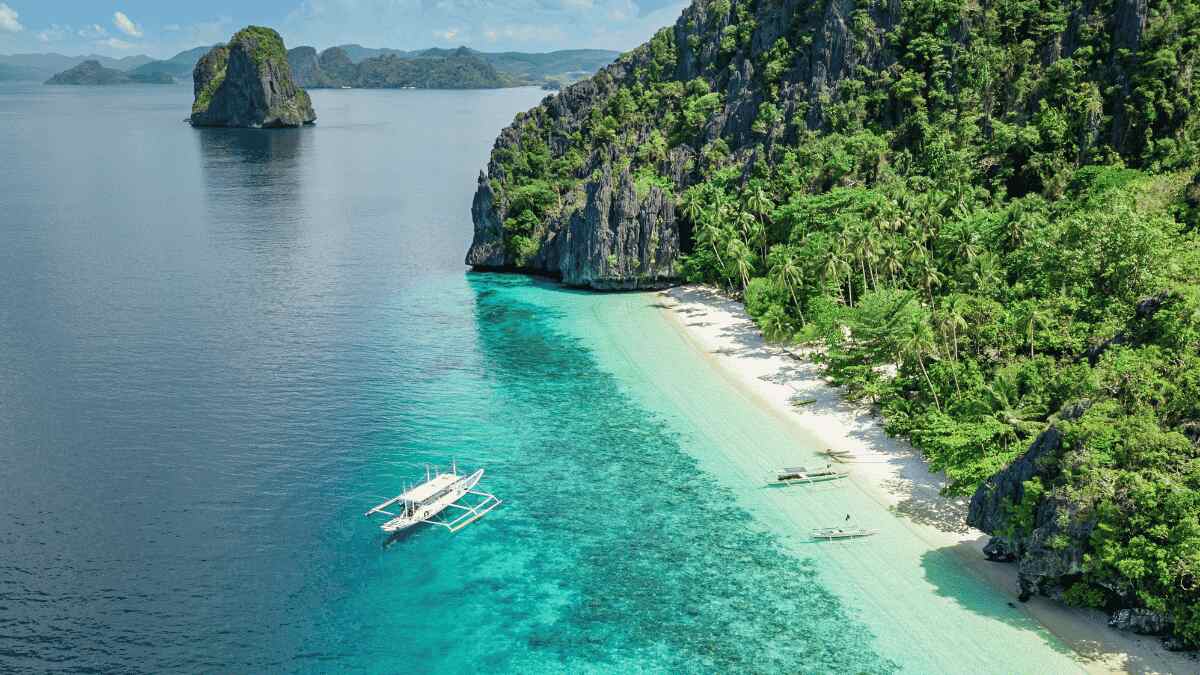
Island travel needs a more conservative mindset. Cebu, Boracay, Palawan, Bohol and Siargao are not one single coverage experience. Signal can be strong in town centres and weaker near remote beaches, boats, island-hopping stops and inland roads.
Boracay transfers can involve airport arrival, van transfer, boat crossing and hotel handoff. El Nido and Coron tours often depend on operator messages, weather updates and meeting-point changes. Bohol countryside trips can move through areas where signal is less reliable than in Tagbilaran or Panglao. Siargao day trips can feel easy in town and less predictable once moving between beaches, roads and boat areas.
A Philippines eSIM is useful, but it should not replace offline preparation. Save hotel addresses, tour contacts, ferry details and booking screenshots before leaving reliable Wi-Fi.
Are Unlimited Data eSIM Plans Worth It When Visiting the Philippines?
Unlimited data eSIM plans can be worth it for heavy users. However, these plans should never be read as unlimited high-speed data with no conditions.
Many unlimited travel data plans use fair-use policies. That may mean high-speed data up to a daily or total threshold, then slower speeds after heavy use. Some plans also restrict hotspotting or manage speeds during congestion.
Choose unlimited data if:
- The phone will be used for hotspotting.
- Video uploads are likely every day.
- Remote work or video calls are part of the trip.
- The itinerary involves frequent movement between cities and islands.
- Tracking daily data usage sounds annoying.
- The price gap between fixed data and unlimited is small enough to justify the comfort.
Do not choose unlimited data only for the word “unlimited”. A fixed-data plan can be better if:
- The trip is short.
- Hotel Wi-Fi will handle video use.
- The phone is mainly for maps, Grab, WhatsApp and browsing.
- Fair-use speed reduction would be worse than buying a clear fixed allowance.
- The traveller prefers a lower upfront cost and knows usage will be light.
If the phone will be used for maps, messaging and rides, a moderate data plan is usually enough. But if the phone will be used for hotspotting, video, work calls and constant uploads, choose a larger plan or an unlimited option with clear fair-use terms.
What Should You Check Before Travelling to a Philippines Festival?
Festival and event travel is where small phone issues become real travel problems. The best setup happens before the airport.
Before flying, check:
- The phone is unlocked.
- The phone supports eSIM.
- The eSIM is installed on stable Wi-Fi.
- Activation timing matches the plan instructions.
- The Australian SIM can stay active if needed for banking codes.
- Grab, hotel, airline and booking apps are already signed in.
- Ticket QR codes are saved offline.
- Passport and travel documents are accessible offline.
- Hotel and driver details are saved outside email.
- Offline maps are downloaded for Manila, Bulacan and island destinations.
- Cloud photo backup and app updates are turned off for mobile data if using a fixed allowance.
For the Pagoda Festival, confirm local event logistics close to travel. Festival routes, road access, riverfront crowd movement, transport timing and pickup points can change. Mobile data helps, but screenshots and offline details protect the day if the signal drops.
For Manila concerts and events, save venue names, gate details, QR tickets and transport pickup points. Malls, arenas, convention centres and hotel zones can be confusing when crowds leave at the same time.
For WOFEX Manila, keep the logistics simple. The event runs from 29th to 1st August across the World Trade Centre and SMX Convention Centre, so business travellers should save registration details, venue notes, contact details and transport plans before arriving.
For island travel, build in coverage caution. Boats, remote beaches and day tours are exactly where travellers should not rely on live data for every detail. Keep tour operator names, meeting points, ferry times and emergency contacts available offline.
FAQs
Can You Install a Philippines eSIM Before July Events?
Yes. A Philippines eSIM can usually be installed before departure while connected to stable Wi-Fi, then activated according to the plan instructions. This is the safest option before Manila events, Pagoda Festival travel or island transfers.
Do not wait until you are standing at the airport, outside a venue or beside a ferry counter to start setup.
Will a Philippines eSIM Work With Grab?
A Philippines eSIM can support Grab where mobile data is available because Grab runs through the internet connection on the phone. Set up and sign in to Grab before flying where possible, especially if arriving late into Manila or Cebu.
A local number may still matter if an account needs SMS verification.
Does a Philippines eSIM Work in Boracay, Palawan and Cebu?
A Philippines eSIM can work in Boracay, Palawan and Cebu where the supported network has coverage. Coverage is usually stronger in towns, resorts, airports and main tourist areas, and weaker around remote beaches, boats, inland roads and smaller island stops.
Download offline maps and save tour details before leaving major towns.
Can a Philippines eSIM Be Used for Hotspotting?
Some Philippines eSIM plans allow hotspotting, but plan rules can vary. Check the plan details before buying if a laptop, tablet or second phone needs to connect.
Hotspotting uses data quickly, especially with video calls, file syncing and cloud backup.
Is Airport Wi-Fi Enough to Install an eSIM in Manila?
Airport Wi-Fi may work, but it should not be the main plan. Installing an eSIM while tired, carrying luggage and trying to find a Grab pickup point is an avoidable headache.
Install the eSIM before departure on stable Wi-Fi, then follow the activation instructions after landing.
What happens if the signal is weak on an Island Tour?
If the signal is weak on an island tour, offline preparation becomes the backup. Save hotel addresses, tour contacts, ferry details, meeting points and booking screenshots before leaving town.
A Philippines eSIM helps where coverage exists, but remote beaches, boats and inland routes can still be patchy.
Is a Philippines eSIM Data-Only?
Many Philippines eSIM plans are data-only. That means they support internet-based services such as WhatsApp, Messenger, maps, Grab, email, browsing and translation, but may not include a local phone number, local calls or SMS.
Check the plan details before buying if calls or SMS matter.
Can You Keep an Australian Number Active While Using a Philippines eSIM?
Yes, many dual-SIM phones allow an Australian SIM to stay active while a Philippines eSIM handles mobile data. This can help with banking SMS, airline alerts and important calls from Australia.
Check roaming settings carefully so the Australian SIM does not create unexpected roaming charges.
How Much Data Do You Need for a Philippines Trip?
Light travellers may only need 3–5 GB for a short city trip. A 7-day trip with events, maps, ride-hailing and regular social use often fits better with 5–10 GB. A 10–14 day trip across Manila and islands may need 10–20 GB or more.
Heavy video, hotspotting, cloud backup and remote work can justify a larger or unlimited data Philippines eSIM plan.
Takeaways
July in the Philippines moves quickly, from crowded festival streets in Manila and Bulacan to quieter stretches across the islands. A reliable travel eSIM plan from TravelKon keeps everything within reach, from transport updates to last-minute bookings and navigation between stops. Plan your data around how you travel, not just where you land. Get it right before departure, and the rest of the trip tends to fall into place.