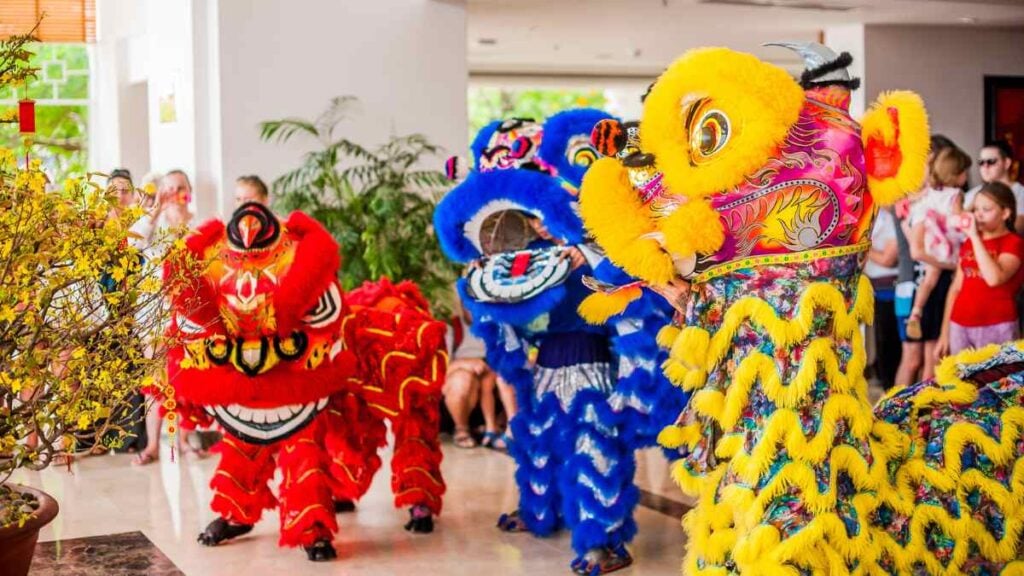
For a few days each year, Vietnam’s busiest streets become unusually quiet. Noodle shops close, flower markets empty and millions of people travel home to celebrate with family. Tết, the Vietnamese Lunar New Year, is the country’s biggest holiday, bringing colourful traditions alongside transport disruptions, business closures and higher travel costs. If you’re visiting from Australia, knowing what to expect can make the difference between a frustrating trip and a memorable one.
Tết falls on Saturday 6 February 2027, with the official public-sector holiday running from 4 to 10 February. Here’s how to plan around the celebrations.
What Is Tết in Vietnam?
Tết, short for Tết Nguyên Đán, marks the beginning of the Vietnamese lunar year and the arrival of spring. It’s a time for family reunions, honouring ancestors and welcoming good fortune. In 2027, Vietnam celebrates the Year of the Goat (Đinh Mùi).
Preparations begin weeks beforehand. Families clean their homes, visit ancestral graves and decorate with flowers. Peach blossoms are popular in northern Vietnam, while yellow apricot blossoms brighten homes in the south. Kumquat trees, believed to symbolise prosperity, appear outside shops and houses.
Food is equally important. Traditional dishes include:
- Bánh chưng and bánh tét: Sticky rice cakes filled with mung beans and pork, wrapped in leaves. Bánh chưng is traditionally square, while bánh tét is cylindrical.
- Mứt: Candied fruits and ginger offered to visiting relatives.
- Dưa hành: Pickled shallots commonly served alongside rich festive dishes.
- Boiled chicken: Often prepared for family meals and ancestral offerings.
Travellers can experience these traditions at markets, restaurants and hotels, although Tết remains primarily a family celebration.
When Is Tết 2027, and How Long Is the Holiday?
Vietnam’s official public-sector Tết holiday runs for seven consecutive days, from Thursday 4 February to Wednesday 10 February 2027.
| Date | Occasion | What Travellers Can Expect |
| Thursday 4 February | Public-sector holiday begins | Government offices close and travel demand increases |
| Friday 5 February | New Year’s Eve (Giao Thừa) | Family gatherings, religious ceremonies and possible midnight fireworks |
| Saturday 6 February | Mùng 1, New Year’s Day | Many businesses close and families celebrate at home |
| Sunday 7 February | Mùng 2 | Family visits continue and services remain limited |
| Monday 8 February | Mùng 3 | Some businesses begin preparing to reopen |
| Tuesday 9 February | Mùng 4 | More restaurants, shops and attractions resume trading |
| Wednesday 10 February | Mùng 5 | Final day of the public-sector holiday |
The seven-day government break includes five statutory Tết holidays and two compensatory days. Private employers can arrange their five-day holiday differently, meaning business closures won’t necessarily follow the government schedule.
Vietnam’s 2026 holiday lasted nine days, making the 2027 public-sector break shorter. However, reduced services may extend beyond the official dates.
If you’re planning an extended trip, it’s worth reviewing Vietnam public holidays beyond Tết, as other national celebrations can also affect transport schedules, attraction opening hours and government services.
What Closes and What Stays Open During Tết?
Business hours change considerably during Tết, particularly from New Year’s Eve through Mùng 3. Larger cities and tourist destinations generally retain more services than smaller towns.
Businesses That Commonly Close
Expect temporary closures or reduced hours at:
- Government offices, including immigration departments
- Family-run restaurants, street-food stalls and traditional markets
- Independent shops, tailors and smaller spas
- Some travel agencies and locally operated tours
Government office closures are particularly important if you need immigration assistance. Avoid relying on visa extensions or administrative appointments during the holiday.
Businesses That Usually Stay Open
Hotels, resorts, convenience stores and some larger supermarkets generally continue operating, although opening hours may change.
Major tourist attractions often remain accessible, while restaurants in hotel districts and popular visitor areas may operate with limited menus or holiday surcharges.
Hoi An provides a useful example. During Tết 2026, authorities suspended old-town ticket sales from 16 to 19 February and adjusted evening street programmes, although historic monuments remained accessible.
Note: Before booking, contact restaurants, attractions and tour operators directly. Google Maps opening hours may not reflect temporary holiday changes.
What Happens on New Year’s Eve and Mùng 1?
Friday 5 February is Tết Eve, when families gather for meals, ancestral offerings and ceremonies welcoming the new year.
Restaurants may close earlier than usual, so arrange dinner in advance. Some cities traditionally organise midnight fireworks, although specific 2027 programmes depend on local announcements.
Mùng 1, Saturday 6 February, is generally the quietest day. Many families spend the morning at home before visiting relatives or pagodas.
For travellers, it’s an opportunity to experience a different side of Vietnam. Walk through decorated streets, visit accessible temples respectfully or enjoy the atmosphere around your accommodation.
Avoid scheduling complicated transfers on Mùng 1 unless you’ve confirmed transport arrangements.
How Does Tết Affect Flights, Trains and Travel Costs?
Tết creates one of Vietnam’s busiest domestic travel periods. People leave major cities before the holiday to visit family, then return as work resumes.
According to the Vietnam National Authority of Tourism, Vietnam recorded approximately 14 million visitor trips during the nine-day Tết holiday in 2026, an increase of 12% from the previous year.
Airport traffic illustrates the pressure. On 22 February 2026, Ho Chi Minh City’s Tan Son Nhat International Airport handled a record 177,859 passengers in a single day.
Flights from Australia
Australia has strong family connections with Vietnam. The 2021 Australian Census recorded 257,997 Vietnam-born residents, and Tết is an important homecoming period.
If you’re flying from Sydney, Melbourne, Brisbane or another Australian city, compare fares early and allow flexibility around your departure dates.
Prices depend on the route, airline and booking period, so don’t assume every flight during Tết will cost more.
Domestic Trains and Buses
Vietnam Railways’ 2027 Tết travel period runs from 23 January to 25 February, with tickets released in September 2026.
The busiest periods generally include the days before Tết and the return journey towards the end of the holiday.
If you’re travelling between Hanoi, Da Nang and Ho Chi Minh City, book Vietnam train journeys early to improve your chances of securing preferred departures and sleeper accommodation.
Check cancellation conditions before paying, as peak-period refund rules can be stricter and may differ between booking providers.
Taxis and Ride-Hailing
Grab and other transport services may operate with fewer available drivers or additional holiday charges.
During Tết 2026, Grab introduced temporary surcharges of VND 5,000 for eligible GrabBike trips and VND 15,000 for eligible GrabCar trips during specified holiday periods.
Pre-book airport transfers where possible, particularly if arriving late at night or travelling on Mùng 1.
Accommodation Prices
Popular destinations can experience substantial demand from domestic holidaymakers.
During Tết 2026, Phu Quoc reported hotel occupancy of around 95%, while some Da Lat accommodation providers charged considerably higher holiday rates.
Book accommodation early, check cancellation policies and confirm whether restaurants and other hotel facilities will operate during the holiday.
Where Should You Spend Tết in Vietnam?
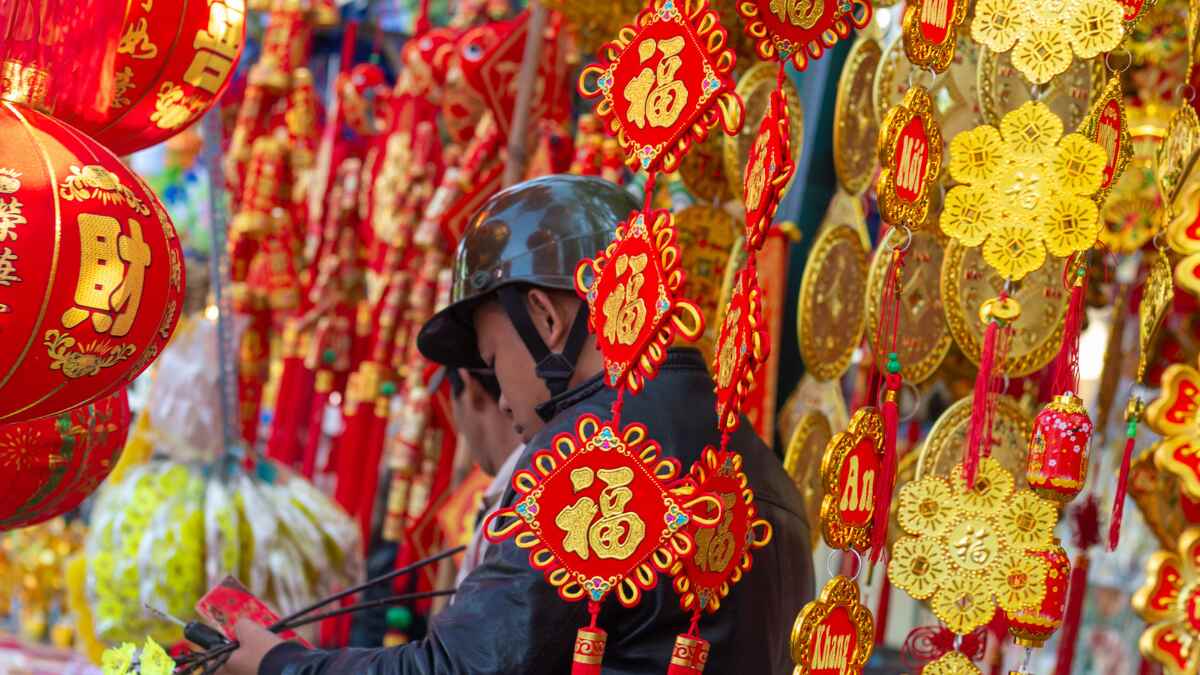
The best destination depends on whether you want festive celebrations, traditional neighbourhoods or a relaxing holiday.
Hanoi: Traditional Celebrations
Hanoi offers flower markets, decorated streets and a strong sense of traditional Tết. Before the holiday, visit Hàng Lược flower market or walk around Hoàn Kiếm Lake to see families shopping for peach blossoms and kumquat trees.
Hanoi organised fireworks at 33 locations for Tết 2026. The 2027 programme should be checked once officially announced.
February is generally cool and sometimes damp, so bring layers.
Ho Chi Minh City: Flowers and Festivities
Nguyễn Huệ Flower Street is among the city’s best-known Tết attractions, featuring elaborate floral displays and seasonal decorations.
The event attracts large crowds, particularly during the evenings. Visit early if you prefer a quieter experience.
Some central restaurants and shopping centres remain open, making Ho Chi Minh City a practical option for travellers who want festive activities alongside modern conveniences.
Hoi An: Lanterns and Cultural Traditions
Hoi An offers colourful decorations, historic streets and traditional celebrations. The first full moon of the 2027 lunar year falls on Saturday 20 February. The preceding evening, Friday 19 February, is the 14th lunar day, traditionally associated with Hoi An’s monthly lantern celebrations.
However, the official 2027 Nguyên Tiêu programme and related activities should be confirmed before planning your visit around those dates.
Da Nang, Nha Trang and Phu Quoc: Beach Holidays
Coastal destinations attract domestic travellers during Tết, particularly families taking advantage of the holiday.
Resorts generally continue operating, but popular accommodation can fill quickly. Check weather conditions too, as February brings different conditions across Vietnam’s coastline.
How Should Visitors Behave During Tết?
Tết has customs that visitors should respect, even when staying in busy tourist areas.
A few useful practices include:
- Use the greeting “Chúc mừng năm mới”: It means Happy New Year.
- Respect first-footing traditions: Some families carefully choose their first visitor of the year, known as xông đất. Don’t visit someone’s home on Mùng 1 unless invited.
- Bring a small gift: Fruit, tea or sweets are appropriate when visiting a household.
- Understand lì xì: Red envelopes containing money are traditionally given to children and sometimes other family members.
- Dress respectfully at pagodas: Cover your shoulders and knees, and follow local instructions.
Some families also avoid sweeping, arguments or negative conversations on New Year’s Day because of traditional beliefs about good fortune.
For more guidance on greetings, social customs and temple visits, our guide on cultural etiquette in Vietnam can help you navigate everyday interactions respectfully.
What Should You Prepare Before Travelling?
A little preparation can prevent avoidable problems when businesses and government offices close.
Check your visa early. Australian passport holders generally need a visa for Vietnam unless an exemption applies. Reviewing the Vietnam eVisa requirements for Australians before booking helps you understand eligibility, application procedures and processing requirements.
Carry some Vietnamese dong. Smaller restaurants, markets and local transport providers may prefer cash. ATMs and money changers can also be busier or less accessible during the holiday.
Save important bookings offline. Keep screenshots of transport tickets, hotel addresses and reservation confirmations in case mobile coverage becomes unreliable.
Confirm your accommodation arrangements. Ask whether the hotel’s restaurant, airport transfer service and reception will operate normally.
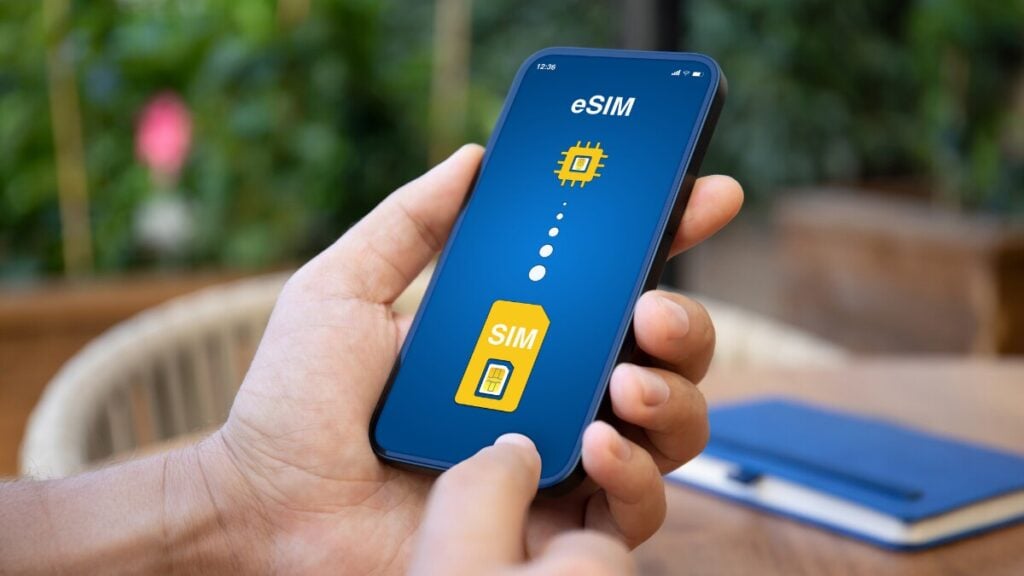
Arrange mobile connectivity. Having mobile data makes it easier to check transport changes, contact accommodation providers and find restaurants that remain open.
How Can TravelKon Help You Stay Connected During Tết?
When restaurants close unexpectedly or transport schedules change, reliable mobile data helps you adjust your plans without depending entirely on hotel Wi-Fi.
You can compare Vietnam eSIM plans for Tết travel based on your itinerary, trip duration, device compatibility and included data.
Many TravelKon eSIMs can be installed before departure, although activation conditions and validity periods vary by plan. Check the product instructions before setting up your eSIM.
If you need Australian bank verification texts, confirm that your home provider supports receiving SMS overseas. You can use your Vietnam eSIM for mobile data while keeping your Australian SIM available for supported SMS services, with data roaming disabled on your home line.
FAQs
When Is Tết 2027?
Tết falls on Saturday 6 February 2027. New Year’s Eve is Friday 5 February, and the official public-sector holiday runs from 4 to 10 February.
Are Restaurants Open During Tết?
Many family-run restaurants close for several days, particularly from Mùng 1 to Mùng 3. Hotels, chains and restaurants in tourist districts are more likely to remain open, sometimes with reduced hours.
Is Tết a Good Time to Visit Vietnam?
Yes, if you want to experience traditional celebrations and don’t mind some closures. Travellers prioritising unrestricted sightseeing may prefer arriving after the first three days, when more businesses begin reopening.
Are Tết and Chinese New Year the Same?
They generally begin on the same date, but Vietnam has its own customs, foods and traditions. The Vietnamese zodiac also includes the Cat instead of the Rabbit.
How Early Should You Book Tết Transport?
Book as early as practical, particularly for travel immediately before the holiday and the return rush. Vietnam Railways released its 2027 Tết tickets in September 2026, while international flights are generally available further in advance.