What Is the Best SIM Card for Japan During Spring Travel Season?
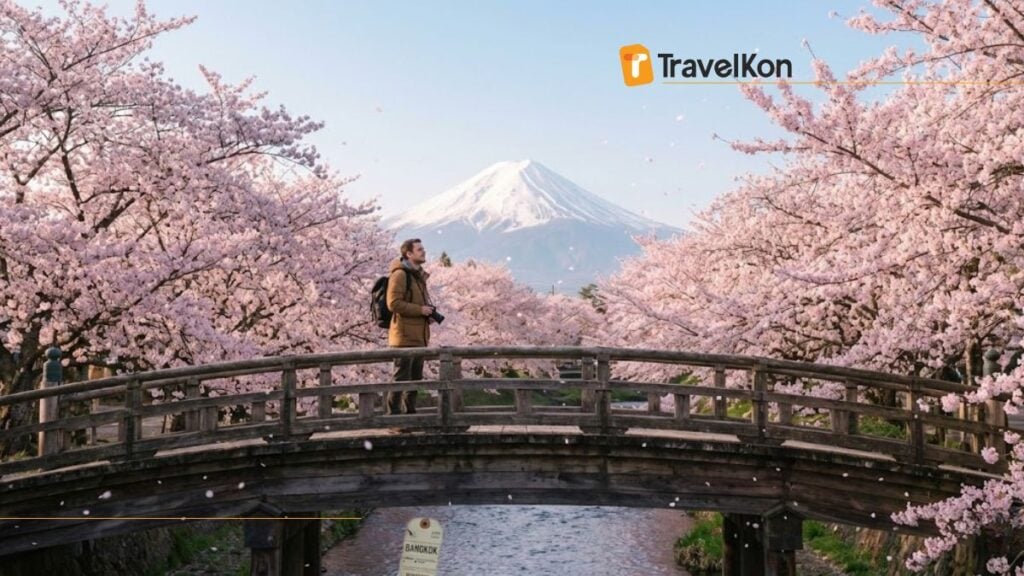
A Japan SIM card becomes more important during spring because the trip rarely stays still. One day you might be checking cherry blossom updates in Tokyo, the next you are loading train platforms in Kyoto, translating a menu in Osaka, or finding your hotel after dark near Shinjuku Station. Spring is one of Japan’s busiest and most rewarding travel periods. The Japan National Tourism Organization notes that cherry blossom season begins from late March in the south and moves north through April, while Golden Week at the end of April can bring heavier domestic travel. That makes reliable mobile data less of a nice-to-have and more of a travel tool. Quick Answer: Which Japan SIM Card Works Best in Spring? For most tourists, the best Japan SIM is a data-focused prepaid option with enough allowance for maps, train apps, translation, messaging, booking confirmations, and light browsing. If your phone is not eSIM-compatible, or you simply prefer a physical card, compare Japan SIM card options before you fly. Look for three things: the data allowance, the validity period, and the activation process. Spring itineraries can stretch quickly. A seven-day Tokyo-only trip is different from two weeks across Tokyo, Kyoto, Osaka, Nara, Hiroshima, and Hakone. Why Spring Travel Changes Your Data Needs in Japan Spring in Japan is beautiful, but it can also be logistically intense. Cherry blossom plans move with the weather. Trains are busy. Popular viewing spots around Ueno Park, Meguro River, Philosopher’s Path, and Osaka Castle can change from relaxed to crowded fast. Mobile data helps you adjust. You might need to check train transfers, find a less crowded station exit, translate an allergy warning, open a digital ticket, message your hotel, or use maps when a planned cherry blossom stop is too busy. Public WiFi exists in many places, but it is not what you want to rely on while changing platforms or walking between stations. For seasonal context, the JNTO spring travel guide is worth checking before choosing how much data you need. Japan SIM Card vs eSIM vs Pocket WiFi A physical SIM card is simple if your phone has a SIM slot and is unlocked. You insert it, follow the activation steps, and use mobile data on your own phone. It is a good fit for travellers who want a dedicated Japan data SIM card for tourist use and do not want to carry another device. An eSIM can be even simpler if your phone supports it, but not every traveller has an eSIM-compatible device. Pocket WiFi can suit groups, but it adds another thing to charge, carry, return, and keep within range. If your priority is a physical card, compare a SIM card for Japan trip by matching days, data, and activation instructions to your route. What to Check Before Buying a Japan SIM Be careful with the phrase “cheap SIM card Japan”. A lower price only helps if the card has enough data, the right validity period, and clear setup instructions. Running out of data halfway through a Kyoto day trip is not a bargain. Best Japan SIM Card by Traveller Type Traveller Best fit Why Cherry blossom city hopper Higher data prepaid SIM Maps, train apps, photos, weather checks, and route changes add up. First-time Japan tourist Simple data SIM Easy navigation matters more than complicated inclusions. Regional traveller Check network and validity Routes through Hokkaido, Hakone, or rural areas need more planning. Short Tokyo stay Moderate data SIM Navigation, messaging, and bookings are the main jobs. Products to Compare Before You Buy For most spring trips, the Japan 5G SIM Card is the practical product to compare first. Current options include 5GB to 50GB with 30 and 45 day validity choices, which fits many Tokyo, Kyoto, Osaka, and multi-city itineraries. If Japan is part of a wider Asia route, compare the Asia 5G SIM Card 13 Countries, which currently offers 10GB to 50GB options with 30 and 45 day validity choices. The KDDI and SoftBank unlimited Japan SIM products were showing as out of stock during this product check, so they should not be treated as the main recommendation unless availability changes. For a simple physical-card option, compare a Japan data SIM card for tourist before you leave, then keep setup instructions saved offline. FAQs Is a Japan SIM card better than pocket WiFi? For many solo travellers and couples, yes. A SIM card means mobile data is on your own phone and there is no extra device to charge or return. Pocket WiFi can still suit groups. Can tourists buy a prepaid SIM card in Japan? Yes, but buying before travel can make arrival easier, especially during busy spring periods when you want to move quickly from airport to train or hotel. Do Japan travel SIMs include calls? Many tourist SIMs are data-only. If calls or SMS matter, check inclusions carefully before buying. How much data do I need in Japan during spring? Light users can manage with moderate data. Heavy map use, photo sharing, hotspotting, and multi-city travel usually need more allowance.
What Is the Best SIM Card for Japan During Spring Travel Season? Read More »