Esim Guides

harbin ice festival

Harbin Ice Festival 2027: Dates, Tickets and Cold-Weather Tips

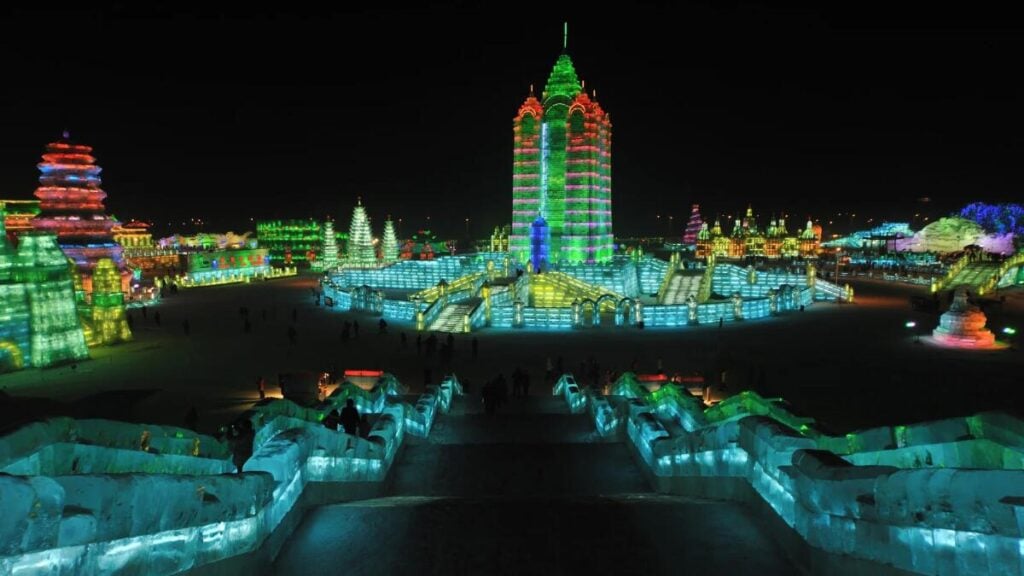
Harbin’s winter showpiece is cut from river ice, lit up for a couple of months and then handed back to the thaw. Of all the trips in the China travel guides, this is the one where the calendar can still move after the flights are booked. China’s best-known ice festival runs on short notice: last season’s opening day was confirmed only 3 days ahead, and a warm spell closed the park on 21 February 2026, about a week early. When Is the Harbin Ice Festival 2026–27? No opening date has been announced yet. The 28th Harbin Ice and Snow World was unveiled on 12 October 2026 without dates or prices, and the window announced at a Harbin government press conference on 10 November 2026 is mid-December. Construction updates since then point to mid-to-late December, with no fixed day. Harbin’s ice season comprises two linked events: Harbin Ice and Snow World, the ticketed ice city in Songbei District, and the citywide China Harbin International Ice and Snow Festival, whose ceremony is held at the park. Last season, the park opened on 17 December 2025 and the ceremony followed on 5 January 2026. January is generally the safest window, when the park is fully built and thaw risk is low. Expect the longest queues in opening week and around Chinese New Year (6 February 2027). The 2025 Spring Festival holiday drew 12.15 million visitors to Harbin. Do Australians Need a Visa for Harbin in 2027? Australian ordinary passport holders can currently stay in mainland China visa-free for up to 30 days. The policy runs only until midnight Beijing time on 31 December 2026, and as at 23 November 2026, no 2027 extension had been published. This is particularly important for travellers arriving in late December and staying into January. Entry before the cut-off falls under the current policy, but confirm with a Chinese consulate that your entire stay is covered before making non-refundable bookings. If you arrive in 2027 and no extension has been announced, you may need a tourist visa. Alternatively, Australians who qualify under China’s 240-hour visa-free transit rules may be able to visit Harbin without a tourist visa, provided their itinerary meets the applicable entry and onward travel requirements. The Main Sites: Where to Go and When Harbin’s ice lantern displays date from 1963, and the formal festival from 1985. The ice comes from the Songhua River, and Ice and Snow World now stores blocks from one winter to start building early the next. Venue Show Your Driver Best Time Last-Season Adult Price Metro Harbin Ice and Snow World 哈尔滨冰雪大世界 Mid-afternoon into night CNY 328 Line 2, Ice and Snow World Sun Island Snow Expo 太阳岛雪博会 Daylight; last entry around 4:30 pm recently CNY 198 Line 2, Sun Island Zhaolin Park Ice Lantern Fair 兆麟公园冰灯游园会 Evening Free Near Central Street Songhua River Ice and Snow Carnival 松花江冰雪嘉年华 Daytime Check on arrival On the frozen river Last-season guides only; check each venue’s announcements. Harbin Ice and Snow World This season’s site covers a record 1.25 million square metres, with 400,000 cubic metres of ice and snow, more than 1,000 structures and a new Frozen-themed zone created with Walt Disney (China). The 2024–25 edition drew 3.56 million visits in 68 days. Arrive between 2 and 3 pm to see the ice in daylight before the lights come on around 4 to 4:30 pm. The ice slides draw the longest queues, which ran 3 to 7 hours on opening day in December 2024, so consider visiting on a weekday after the first week. Sun Island, Zhaolin Park and the River Carnival Sun Island’s snow sculptures are best appreciated in sunlight, one metro stop from Ice and Snow World. Zhaolin Park, the original lantern show near Central Street, has been free since 2018. The Songhua River Carnival spreads across about 1.4 million square metres of river ice, with more than 60 activities from late December. Is It Worth It? In January, yes. Visit Sun Island in the morning and Ice and Snow World from mid-afternoon into the night. Spend the second evening at Zhaolin Park and Central Street. The trip most likely to disappoint is one booked for late February with non-refundable arrangements, when a single warm week can close the park. How Much Are Tickets and How Do You Buy Them? The last confirmed price for Harbin Ice Festival tickets at Ice and Snow World is CNY 328 for a standard adult in 2025–26. Prices for 2026–27 are still to be confirmed. Last season opened with a CNY 298 promotion. Last season, the park accepted passports and overseas payment methods. Buy through official channels, such as the park’s WeChat account, or a well-established booking platform, using your name exactly as printed in your passport. Some third-party vouchers must be exchanged for a paper ticket at a designated gate with your original passport. Last season, tickets for dates cancelled due to the thaw were refunded, but flexible booking terms are particularly useful in February. A metro ride cost CNY 2 last season and an airport taxi about CNY 120–150. The bigger expenses are summer-holiday flights, peak-week hotels and cold-weather gear, which can be difficult to find in Australian shops in December. Self-guided or a Harbin Ice Festival tour?  A self-guided visit is generally cheaper and lets you time your arrival for dusk. A tour may bundle the ticket, pick-up and return journey, which can be useful at 9 pm when ride-share demand spikes outside the gates. Check whether return transfers are included and what happens if the weather closes the park. How Cold Is Harbin in January, and What Should You Wear? January averages roughly −13°C by day and −22°C overnight, and December and February run a few degrees milder. An evening at Ice and Snow World can bring temperatures close to the overnight low. Take a break in a heated hall every hour or so and keep a power bank in an inside pocket. Knowing why phones lose charge faster in

Harbin Ice Festival 2027: Dates, Tickets and Cold-Weather Tips Read More »
tết in vietnam

Tết 2027 in Vietnam: What’s Open, What Closes and How to Travel

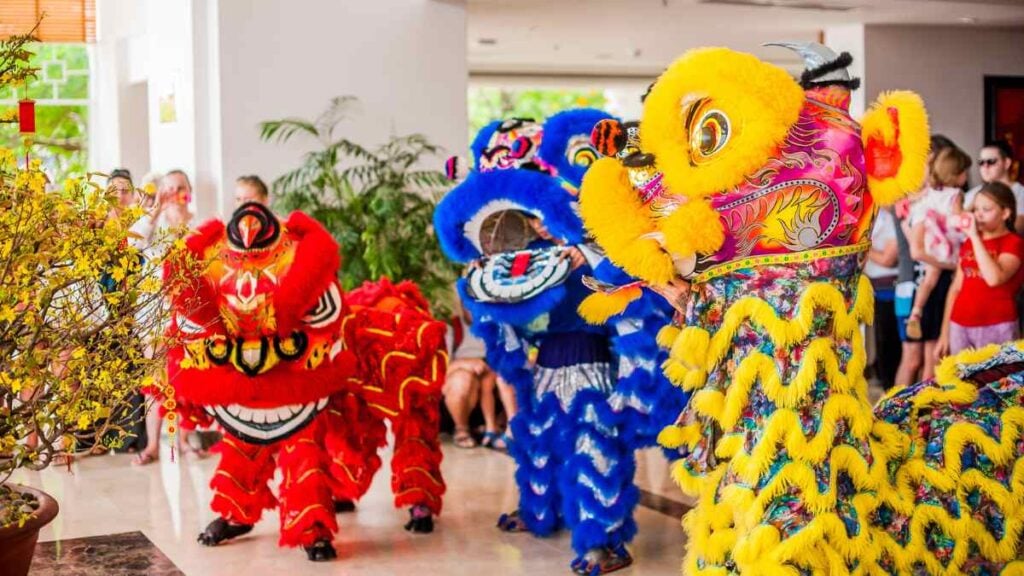
For a few days each year, Vietnam’s busiest streets become unusually quiet. Noodle shops close, flower markets empty and millions of people travel home to celebrate with family. Tết, the Vietnamese Lunar New Year, is the country’s biggest holiday, bringing colourful traditions alongside transport disruptions, business closures and higher travel costs. If you’re visiting from Australia, knowing what to expect can make the difference between a frustrating trip and a memorable one. Tết falls on Saturday 6 February 2027, with the official public-sector holiday running from 4 to 10 February. Here’s how to plan around the celebrations. What Is Tết in Vietnam? Tết, short for Tết Nguyên Đán, marks the beginning of the Vietnamese lunar year and the arrival of spring. It’s a time for family reunions, honouring ancestors and welcoming good fortune. In 2027, Vietnam celebrates the Year of the Goat (Đinh Mùi). Preparations begin weeks beforehand. Families clean their homes, visit ancestral graves and decorate with flowers. Peach blossoms are popular in northern Vietnam, while yellow apricot blossoms brighten homes in the south. Kumquat trees, believed to symbolise prosperity, appear outside shops and houses. Food is equally important. Traditional dishes include: Travellers can experience these traditions at markets, restaurants and hotels, although Tết remains primarily a family celebration. When Is Tết 2027, and How Long Is the Holiday? Vietnam’s official public-sector Tết holiday runs for seven consecutive days, from Thursday 4 February to Wednesday 10 February 2027. Date Occasion What Travellers Can Expect Thursday 4 February Public-sector holiday begins Government offices close and travel demand increases Friday 5 February New Year’s Eve (Giao Thừa) Family gatherings, religious ceremonies and possible midnight fireworks Saturday 6 February Mùng 1, New Year’s Day Many businesses close and families celebrate at home Sunday 7 February Mùng 2 Family visits continue and services remain limited Monday 8 February Mùng 3 Some businesses begin preparing to reopen Tuesday 9 February Mùng 4 More restaurants, shops and attractions resume trading Wednesday 10 February Mùng 5 Final day of the public-sector holiday The seven-day government break includes five statutory Tết holidays and two compensatory days. Private employers can arrange their five-day holiday differently, meaning business closures won’t necessarily follow the government schedule. Vietnam’s 2026 holiday lasted nine days, making the 2027 public-sector break shorter. However, reduced services may extend beyond the official dates. If you’re planning an extended trip, it’s worth reviewing Vietnam public holidays beyond Tết, as other national celebrations can also affect transport schedules, attraction opening hours and government services. What Closes and What Stays Open During Tết? Business hours change considerably during Tết, particularly from New Year’s Eve through Mùng 3. Larger cities and tourist destinations generally retain more services than smaller towns. Businesses That Commonly Close Expect temporary closures or reduced hours at: Government office closures are particularly important if you need immigration assistance. Avoid relying on visa extensions or administrative appointments during the holiday. Businesses That Usually Stay Open Hotels, resorts, convenience stores and some larger supermarkets generally continue operating, although opening hours may change. Major tourist attractions often remain accessible, while restaurants in hotel districts and popular visitor areas may operate with limited menus or holiday surcharges. Hoi An provides a useful example. During Tết 2026, authorities suspended old-town ticket sales from 16 to 19 February and adjusted evening street programmes, although historic monuments remained accessible. Note: Before booking, contact restaurants, attractions and tour operators directly. Google Maps opening hours may not reflect temporary holiday changes. What Happens on New Year’s Eve and Mùng 1? Friday 5 February is Tết Eve, when families gather for meals, ancestral offerings and ceremonies welcoming the new year. Restaurants may close earlier than usual, so arrange dinner in advance. Some cities traditionally organise midnight fireworks, although specific 2027 programmes depend on local announcements. Mùng 1, Saturday 6 February, is generally the quietest day. Many families spend the morning at home before visiting relatives or pagodas. For travellers, it’s an opportunity to experience a different side of Vietnam. Walk through decorated streets, visit accessible temples respectfully or enjoy the atmosphere around your accommodation. Avoid scheduling complicated transfers on Mùng 1 unless you’ve confirmed transport arrangements. How Does Tết Affect Flights, Trains and Travel Costs? Tết creates one of Vietnam’s busiest domestic travel periods. People leave major cities before the holiday to visit family, then return as work resumes. According to the Vietnam National Authority of Tourism, Vietnam recorded approximately 14 million visitor trips during the nine-day Tết holiday in 2026, an increase of 12% from the previous year. Airport traffic illustrates the pressure. On 22 February 2026, Ho Chi Minh City’s Tan Son Nhat International Airport handled a record 177,859 passengers in a single day. Flights from Australia Australia has strong family connections with Vietnam. The 2021 Australian Census recorded 257,997 Vietnam-born residents, and Tết is an important homecoming period. If you’re flying from Sydney, Melbourne, Brisbane or another Australian city, compare fares early and allow flexibility around your departure dates. Prices depend on the route, airline and booking period, so don’t assume every flight during Tết will cost more. Domestic Trains and Buses Vietnam Railways’ 2027 Tết travel period runs from 23 January to 25 February, with tickets released in September 2026. The busiest periods generally include the days before Tết and the return journey towards the end of the holiday. If you’re travelling between Hanoi, Da Nang and Ho Chi Minh City, book Vietnam train journeys early to improve your chances of securing preferred departures and sleeper accommodation. Check cancellation conditions before paying, as peak-period refund rules can be stricter and may differ between booking providers. Taxis and Ride-Hailing Grab and other transport services may operate with fewer available drivers or additional holiday charges. During Tết 2026, Grab introduced temporary surcharges of VND 5,000 for eligible GrabBike trips and VND 15,000 for eligible GrabCar trips during specified holiday periods. Pre-book airport transfers where possible, particularly if arriving late at night or travelling on Mùng 1. Accommodation Prices Popular destinations can experience substantial

Tết 2027 in Vietnam: What’s Open, What Closes and How to Travel Read More »

chinese new year

When Is Chinese New Year 2027? Date, China Holiday and Lantern Festival

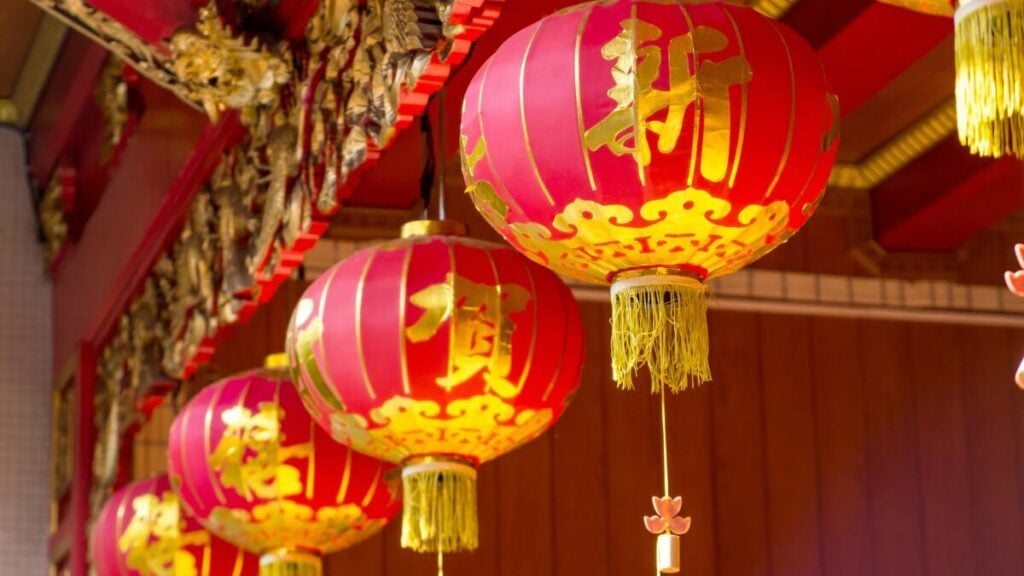
Chinese New Year transforms China into a celebration of family, tradition and good fortune. Streets glow with red lanterns, flower markets draw festive crowds, and temple fairs bring centuries-old customs to life. For Australians planning a visit, the celebrations offer plenty to experience, but travelling during China’s busiest holiday season requires preparation. From securing train tickets to navigating temporary closures and checking visa requirements, a little planning goes a long way. Here’s what to expect when celebrating Chinese New Year in China in 2027. When Is Chinese New Year 2027, and How Long Is the Holiday? Chinese New Year 2027 falls on Saturday 6 February, marking the beginning of the Year of the Fire Goat. China’s official Spring Festival holiday runs for nine consecutive days, from Friday 5 February to Saturday 13 February, while traditional celebrations conclude with the Lantern Festival on Saturday 20 February. Date What Happens Sunday 31 January Make-up working day Friday 5 February Chinese New Year’s Eve and start of the holiday Saturday 6 February Chinese New Year, Year of the Fire Goat begins Wednesday 10 February Fifth lunar day, when some businesses traditionally reopen Saturday 13 February Final day of the official holiday Sunday 14 February Make-up working day Saturday 20 February Lantern Festival Four days, from 5 to 8 February, are statutory holidays. The remaining days of the nine-day break are arranged through weekends and adjusted working days, a system known as tiáoxiū (调休). Sunday 31 January and Sunday 14 February are designated working days, although individual businesses may operate differently. If you’re planning a longer trip, checking other China public holidays can help you schedule sightseeing and intercity travel around additional national celebrations. Chinese New Year Dates From 2026 to 2030 Chinese New Year follows the traditional lunisolar calendar, meaning the date changes each year. Year Chinese New Year Zodiac Animal 2026 Tuesday 17 February Horse 2027 Saturday 6 February Goat 2028 Wednesday 26 January Monkey 2029 Tuesday 13 February Rooster 2030 Sunday 3 February Dog Celebrations extend beyond mainland China, although public holidays and local customs differ. Knowing which countries celebrate Lunar New Year can help you compare destinations if you’re considering a multi-country Asian holiday. What Does the Year of the Fire Goat Mean? The Chinese zodiac follows a repeating 12-year animal cycle combined with five traditional elements. In 2027, the Goat is associated with Fire, giving the year its full designation, Fire Goat (丁未). The animal is sometimes translated as Sheep or Ram because the Chinese character yáng (羊) can refer to both sheep and goats. In traditional Chinese astrology, people born in Goat years enter their běnmìng nián, the year corresponding to their birth animal. Some believe this period brings challenges and wear red clothing, bracelets or accessories for protection. For travellers, zodiac symbolism appears on lanterns, red envelopes, shopping centre displays and festive decorations. The traditions change with each zodiac year, as illustrated by how we covered the 2025 Year of the Snake and its association with the Wood element. Which Chinese New Year Traditions Will You See? Several customs shape the celebrations: Visitors can experience many of these traditions at markets, temples, public performances and festive shopping districts. How Busy Is China During the Spring Festival Travel Rush? China’s annual Spring Festival travel rush, known as Chūnyùn (春运), typically lasts around 40 days as people travel between their workplaces and family homes. According to China’s Ministry of Transport, the 2026 travel season recorded approximately 9.41 billion cross-regional passenger trips, including more than 2.8 billion during the nine-day holiday. These figures count journeys rather than individual travellers. The enormous volume illustrates why railway tickets, flights and accommodation can become difficult to secure around the celebrations. When Should You Book Trains? China Railway’s 12306 booking system generally releases ordinary train tickets 15 days before departure, counting the travel date. If this rule remains unchanged, important booking dates include: Travel Date Expected Ticket Release Friday 5 February Friday 22 January Saturday 6 February Saturday 23 January Saturday 13 February Saturday 30 January Sunday 14 February Sunday 31 January Popular routes connecting Beijing, Shanghai, Guangzhou and other major cities can sell out rapidly during peak periods. Book international flights and accommodation early, then set reminders for railway ticket releases. Consider alternative departure times or routes if your preferred service becomes unavailable. At major railway stations, allow approximately 45–60 minutes for security, passport checks and finding your platform, with additional time during particularly busy periods. Which Days Are Busiest? The days immediately before New Year’s Eve and the final days of the holiday typically experience substantial travel demand. For greater flexibility, consider staying in one city over the busiest dates rather than attempting several long-distance journeys. Travelling against the main passenger flow may help, although availability varies by route. Avoid assuming that departures from major cities will be easy to secure simply because the holiday has begun. What Is Open During Chinese New Year 2027? Opening hours vary considerably between cities, neighbourhoods and businesses. Many family-run restaurants, smaller shops and traditional markets close around New Year’s Eve. Some reopen after several days, while others remain closed for much of the official holiday. Larger shopping centres, international hotels, chain restaurants and major tourist attractions generally continue operating, although hours may change. Temple fairs are a popular exception to the closures. Beijing’s Ditan and Longtan temple fairs, for example, operated from 17 to 23 February during the 2026 celebrations, offering performances, traditional food and festive activities. For attractions requiring timed entry, reserve tickets early and check whether bookings require your passport details. Confirm restaurant availability and hotel check-in arrangements before travelling. Where Should You Celebrate Chinese New Year in China? Beijing: Traditional Temple Fairs Beijing is a strong choice for traditional celebrations, including temple fairs, folk performances and festive food stalls. February temperatures are often near or below freezing, so pack warm layers. Guangzhou: Flower Markets Guangzhou’s flower markets are known for kumquat trees, orchids and peach blossoms. The days before New Year’s

When Is Chinese New Year 2027? Date, China Holiday and Lantern Festival Read More »

japan new year

Hatsumode 2027: Seeing in the New Year at Japan’s Shrines

Japan welcomes the New Year with a tradition that brings millions of people to its shrines and temples. Known as hatsumode, the year’s first visit is an opportunity to pray for good fortune, purchase protective charms and welcome a fresh start. From Tokyo’s Meiji Jingu to Kyoto’s Fushimi Inari Taisha, popular sites attract enormous crowds between 1 and 3 January.  Planning to join them in 2027? Here’s when to visit, where to go, how to follow local customs and what Australian travellers should know about winter weather, holiday closures and late-night trains. What Is Hatsumode? Hatsumode (初詣) is Japan’s tradition of making the first visit to a Shinto shrine or Buddhist temple in the new year. People pray for health, happiness and prosperity, draw paper fortunes and purchase charms associated with good luck. Most visits take place between 1 and 3 January, although the custom continues throughout the first week and beyond. Some worshippers arrive just before midnight on New Year’s Eve to begin their prayers as the year changes. Hatsumode is part of Oshogatsu, Japan’s traditional New Year celebrations centred on 1 January. It differs from Japan’s Lunar New Year event, which follows a separate calendar and takes place later in winter. Visitors of any faith can participate, provided they respect the customs and follow instructions at each site. When Should You Go for Hatsumode in 2027? The busiest period falls over the first three days of January, but your experience depends on when you arrive. 31 December 2026, Thursday: Some Buddhist temples ring their bells 108 times around midnight in a ritual called joya no kane, symbolising the removal of worldly desires. Senso-ji traditionally holds the ceremony, although its exact 2026–27 arrangements remain subject to confirmation. Major shrines begin attracting visitors before midnight. 1 January 2027, Friday: New Year’s Day is a national public holiday. Some visitors combine hatsumode with hatsuhinode, the year’s first sunrise, which occurs at approximately 6:50 am in Tokyo. 2–3 January, Saturday–Sunday: Popular shrines remain busy throughout the weekend. Visiting early in the morning may mean shorter queues than arriving around midday or during the afternoon. 4–7 January, Monday–Thursday: Many businesses resume operations during the first week of January. These dates can offer a quieter experience, although crowd levels vary between shrines. 9–11 January, Saturday–Monday: Coming of Age Day falls on 11 January, creating another long weekend. Many municipalities hold ceremonies for people turning 20, and some participants visit shrines wearing formal kimono. Checking Japan public holidays before choosing your travel dates can help you anticipate busy transport services, attraction closures and holiday crowds. Which Shrines and Temples Are Best for Hatsumode? Japan has thousands of shrines and temples, but several destinations are particularly popular during New Year celebrations. Site Location Nearest Station What to Expect Meiji Jingu Tokyo JR Harajuku One of Japan’s busiest hatsumode shrines Senso-ji Tokyo Asakusa Historic Buddhist temple and shopping street Naritasan Shinshoji Narita JR or Keisei Narita Convenient for airport travellers Fushimi Inari Taisha Kyoto JR Inari Famous red torii gates Sumiyoshi Taisha Osaka Nankai Sumiyoshitaisha Major Osaka New Year destination Meiji Jingu, Tokyo Historical estimates suggest that more than 3 million people visit Meiji Jingu during the New Year period. The shrine sits within a forested area beside Harajuku, but its popularity can mean several hours of queuing to reach the main prayer area. JR Harajuku Station is close to the entrance, although reaching the main shrine requires a longer walk through the grounds. Regular opening hours are 6:40 am to 4 pm in December and 6:40 am to 4:20 pm in January. Special New Year hours may differ, and overnight access for 31 December 2026 should be checked against official announcements. Senso-ji, Asakusa Tokyo’s oldest established Buddhist temple is a popular hatsumode destination, particularly for travellers staying in eastern Tokyo. The approach passes through Nakamise-dori, a shopping street known for traditional snacks and souvenirs. During New Year celebrations, however, it can become extremely crowded. The main hall normally opens from 6:30 am to 5 pm between October and March, although holiday arrangements may differ. Asakusa Station is served by Tokyo Metro, Toei and Tobu services. If visiting with others, agree on a meeting point away from the busy Kaminarimon Gate. Naritasan Shinshoji, Narita Naritasan Shinshoji is a large Buddhist temple complex near Narita Airport. Selected trains connect the airport with Narita’s railway stations in around 10 minutes, followed by a walk of approximately 10–20 minutes, depending on your route. The approach street is lined with traditional shops and restaurants serving grilled eel. Expect heavy crowds around New Year’s Day, and avoid scheduling a visit too close to an international flight. Fushimi Inari Taisha, Kyoto Fushimi Inari Taisha is famous for its thousands of red torii gates winding through the wooded slopes of Mount Inari. Historical government reporting indicates that more than 2.5 million people have visited during the first three days of January in past years. JR Inari Station sits opposite the shrine entrance, although queues can extend into surrounding streets. In Osaka, Sumiyoshi Taisha offers another major hatsumode experience, accessible from Nankai’s Sumiyoshitaisha Station. For a calmer alternative, consider a neighbourhood shrine near your accommodation. The tradition is the same, without necessarily spending hours in a queue. How Do You Visit a Shrine Respectfully? You do not need to memorise every ritual, but understanding the basics will help you participate confidently. Photography restrictions vary. At Meiji Jingu, photography is prohibited in the main worship area. Knowing cultural etiquette in Japan before departure can also help you navigate everyday customs beyond shrine visits. What Are Omikuji, Omamori and Ema? Many visitors take part in additional New Year traditions after praying. Omikuji are paper fortunes offering predictions or guidance for the coming year. They range from daikichi, meaning great blessing, to kyo, indicating bad luck, although categories vary. You can keep your fortune or tie it to a designated rack. Omamori are protective charms associated with wishes such as good health, safe travel, academic success or

Hatsumode 2027: Seeing in the New Year at Japan’s Shrines Read More »

travelkon vs tpg

TravelKon vs TPG International Roaming: Which Travel Setup Suits Your Trip?

Your TPG mobile plan might work perfectly well across Australia, but using it overseas can become expensive. With international data roaming costing up to A$15.50 per MB in certain destinations, everyday activities such as checking directions, booking transport or browsing social media can quickly drain your travel budget. Fortunately, TPG’s roaming rates aren’t your only option. TravelKon offers country-specific and regional travel eSIMs with upfront pricing, allowing you to arrange mobile data before departure. So, how do the two options compare, and which makes more sense for your next overseas trip? How Does TPG International Roaming Work? TPG allows eligible mobile customers to use their Australian SIM overseas through agreements with international partner networks. Unlike carriers offering daily roaming passes or fixed-price travel packs, TPG charges separately for mobile data, calls and outgoing SMS. Also, their international roaming operates on a pay-as-you-go (PAYG) basis, with charges deducted from a prepaid balance as you use roaming services overseas. However, the arrangements can differ depending on your plan. Current TPG SIM-only plans: International roaming is automatically enabled for services connected on or after 13 September 2023.  Older TPG plans: Certain legacy plans, including Super Value and T4G, have different prepayment arrangements. Activating roaming may require a balance of up to A$500, with automatic top-ups applying under some conditions. Refunds and administration fees may also apply when roaming is disabled. Before leaving Australia, check your plan’s conditions through TPG My Account. Otherwise, you could arrive overseas expecting mobile data to work, only to discover your prepaid balance needs topping up. How Much Does TPG International Roaming Cost? TPG divides overseas destinations into three roaming zones, each with different rates for data, calls and text messages. The following rates currently apply: Charge Zone 1 Zone 2 Zone 3 Making or receiving calls A$1.00/min A$2.00/min A$4.00/min Checking voicemail A$1.00/min A$2.00/min A$4.00/min Sending an SMS A$0.50 A$1.00 A$1.00 Receiving an SMS Free Free Free Mobile data A$0.50/MB A$1.00/MB A$15.50/MB Calls are generally charged in 60-second increments, with a minimum charge of one minute. Mobile data is billed in 10KB increments. The biggest concern is data pricing. In Zone 1, which includes Japan, New Zealand, Thailand and the United Kingdom, using just 100MB costs A$50. That’s a relatively small amount of data for someone regularly using maps, messaging apps or social media. Vietnam falls under Zone 3, where even 10MB would cost A$155. To avoid unexpected charges, turn off data roaming on your TPG line when you’re not using it for mobile data. Our guide on how to avoid roaming charges when you travel explains the relevant settings and precautions for managing your phone overseas. TravelKon vs TPG International Roaming Compared Both options can keep you connected overseas, but their pricing structures are quite different. TPG lets you continue using your Australian mobile service, with charges based on your destination and usage. TravelKon, on the other hand, allows you to purchase a travel eSIM with a defined data allowance and validity period. Feature TravelKon Travel eSIM TPG International Roaming Pricing Upfront plan price PAYG roaming rates Mobile data Selected allowance for a fixed period Charged per MB Coverage Country-specific and regional plans Supported roaming destinations Calls and SMS Most plans are data-only Australian number remains active Installation Digital eSIM installation Existing TPG SIM Hotspot sharing Available on eligible plans Uses chargeable roaming data Additional data Usually requires another eSIM Top up prepaid balance Best suited to Regular data use and predictable spending Occasional calls, SMS and minimal data For many travellers, TravelKon’s main advantage is knowing the data allowance and price before departure. Consider a two-week trip to Japan. TPG charges A$0.50 per MB, meaning 1GB of roaming data, calculated as 1,024MB, would cost approximately A$512. By comparison, TravelKon’s Japan 5G eSIM using NTT Docomo coverage costs A$25 for 10GB over 30 days, before promotional discounts. That’s a considerable difference for someone relying on mobile data throughout their trip. You can compare TravelKon travel eSIMs by destination, data allowance and validity to find a plan suited to your itinerary. Which Option Works Better for Popular Travel Destinations? The difference between TPG roaming and a TravelKon eSIM becomes clearer when you consider where you’re travelling and how you plan to use your phone. New Zealand New Zealand remains a favourite destination for Australian travellers. According to Stats NZ, 1.61 million Australians visited the country in the year ending September 2026, an 8% increase from the previous year. For a short weekend in Auckland, TPG roaming might be manageable if you mainly need to receive messages or make an occasional call. A longer trip is different. Travelling around the South Island often involves checking directions, booking accommodation and researching attractions, all of which consume mobile data. TravelKon’s New Zealand 5G eSIM offers plans listed at A$5 for 1GB over seven days, A$15 for 3GB or A$29 for 10GB over 30 days. The plan uses One NZ coverage and supports hotspot sharing, although reception may vary in remote areas. Japan Japan is another destination where TPG’s PAYG roaming charges can quickly add up. At A$0.50MB, using 100MB costs A$50. That’s a considerable amount when you’re regularly checking train connections, navigating unfamiliar streets or translating menus. TravelKon offers several Japan eSIM plans with different data allowances and validity periods. For example, the Japan 5G eSIM using NTT Docomo coverage goes for A$9 for 3GB over 10 days or A$25 for 10GB over 30 days. Hotspot sharing is supported, making it useful for travellers connecting another device. One installation detail deserves attention. Android users purchasing this particular plan need to configure the APN manually after installation, so checking the instructions before departure is worthwhile. Europe and the United Kingdom Europe presents a different challenge because TPG’s roaming zones aren’t consistent across neighbouring countries. France, Germany, Italy, Spain and the United Kingdom fall under Zone 1, where data costs A$0.50 per MB. Austria, Belgium, Poland and Norway are in Zone 2 at A$1.00 per MB. Slovenia and Monaco fall under Zone 3,

TravelKon vs TPG International Roaming: Which Travel Setup Suits Your Trip? Read More »

bali trip cost from australia

Bali Trip Cost from Australia: Spending Money, Cash and Daily Budget

Bali remains a favourite overseas destination for Australians. Indonesia recorded 1,741,370 Australian trips in 2024–25, more than any other country, while Australians accounted for 23.44% of Bali’s foreign arrivals in 2025. Affordable meals and accommodation are part of the appeal, but beach clubs, private villas, restaurant surcharges and peak-season flights can quickly stretch a budget.  How Much Does a Bali Trip Cost from Australia? Daily spending in Bali depends on your travel style. Budget travellers can expect to spend around A$45–100 per person, while mid-range holidays typically cost A$120–240 per day. For a more comfortable stay, allow A$300–600 daily. These estimates exclude flights and assume two people sharing accommodation. Travel style Daily cost 7 nights 10 nights Budget A$45–100 A$315–700 A$450–1,000 Mid-range A$120–240 A$840–1,680 A$1,200–2,400 Comfortable A$300–600 A$2,100–4,200 A$3,000–6,000 These estimates include accommodation, meals, transport, activities and mobile data, but exclude flights, entry fees and insurance. They assume seven or ten daily spending allowances, although your arrival and departure times may change the total. For a 10-night mid-range trip, expect approximately A$1,500–3,500 per person including return flights. Accommodation is often the biggest variable, with guesthouses, boutique hotels and private pool villas offering very different price points. What Fixed Costs Should You Budget For? Australian tourists generally need to account for two separate entry charges, plus travel insurance. Australia’s Smartraveller recommends applying for an e-VOA at least 48 hours before departure. Our guide to Bali entry requirements and visa steps covers the application process and documents Australian travellers should prepare. Arrival-Day Expenses A pre-booked airport transfer to Seminyak or Canggu typically costs around IDR 150,000–350,000 (A$12–28), depending on your destination and vehicle. Ride-hailing services use designated pickup areas at Ngurah Rai International Airport. That said, knowing what happens when you land at Bali airport can help you plan immigration, baggage collection and transport before arriving. What Do Return Flights from Australia Cost? Departure city and season have a considerable effect on airfare prices. The following historical KAYAK figures were recorded in November 2026 and provide a comparison rather than current booking quotes. Departure city Average return February median December median Perth A$448 A$282 A$603 Darwin A$490 A$265 A$790 Melbourne A$632 A$390 A$905 Brisbane A$676 A$487 A$981 Sydney A$712 A$499 A$1,009 February recorded the lowest historical median fares across these routes, while December was considerably more expensive. Actual prices vary by travel date, booking lead time and airline. Check baggage fees before comparing low-cost tickets. How Much Does Bali Cost Per Day? Seminyak, Canggu and Uluwatu have plenty of premium accommodation and dining, while Ubud and Sanur offer a broader range of affordable options. Prices can rise during Christmas, New Year and July–August. Travellers visiting in March should also account for Nyepi, Bali’s Day of Silence, on 8 March 2027, when airport operations and most public activities are suspended. Daily Spending Breakdown The following estimates are per person, assuming two travellers share accommodation. Category Budget Mid-range Comfortable Accommodation A$15–30 A$40–90 A$125–250 Food and drinks A$15–30 A$35–60 A$80–150 Transport A$5–15 A$15–30 A$45–70 Activities A$10–15 A$30–50 A$50–120 Phone and data A$0–10 A$0–10 A$0–10 Daily total A$45–100 A$120–240 A$300–600 Travelling alone increases accommodation costs because you cover the entire room. Allow another A$15–30 daily for budget accommodation or A$ 40–90 for mid-range stays. For longer stays, accommodation is often cheaper when booked monthly rather than nightly. However, anyone considering an extended visit should also account for utilities, visa extensions and other long-stay costs for expats and remote workers when calculating how much they will need to live comfortably in Bali.  Typical Food and Activity Prices Item Estimated price Warung meal A$2–5 Café brunch A$6–12 Upscale restaurant dinner A$32–80 Specialty coffee A$2–5 Large Bintang at a warung A$2–4 Cocktail at a beach club A$12–24 60-minute Balinese massage A$12–20 Group surf lesson A$30–60 Return fast boat to Nusa Penida A$45–70 Ubud Monkey Forest admission A$8–10 Tanah Lot admission Approximately A$6 These are planning estimates, not fixed prices. Check current attraction admission fees before visiting. Restaurants displaying “++” on menus add tax and service charges to the advertised price. Combined surcharges can reach approximately 21% at some establishments, so check before ordering. Tipping is generally discretionary, particularly where a service charge already applies. How Much Cash Should You Bring to Bali? Carry enough rupiah for smaller purchases, but use a card for larger expenses where accepted. Cash remains useful at warungs, markets, temples and with some independent drivers. Hotels, supermarkets, established restaurants and beach clubs generally accept cards. Consider having IDR 500,000–1 million (A$ 40–80) available on arrival. Afterwards, IDR 200,000–500,000 (A$ 16–40) daily may cover smaller cash purchases if accommodation and major expenses are paid by card. Across ten days, that amounts to approximately IDR 2.5–6 million (A$200–480), including an initial reserve. You do not need to withdraw or carry the entire amount at once. Avoiding Common Money Traps Use authorised money changers and bank ATMs in supervised locations. Some ATMs limit withdrawals to approximately IDR 2.5–3 million (A$200–240), and local or Australian bank fees may apply. When an ATM or card terminal offers to charge you in Australian dollars, choose Indonesian rupiah to avoid the operator’s conversion rate. Avoid unofficial visa websites charging excessive processing fees, and remember that the All Indonesia arrival declaration is free. Travellers carrying more than IDR 100 million or its equivalent, approximately A$8,000, must declare it when entering or leaving Indonesia. What Does a 10-Night Bali Holiday Cost? These examples combine ten daily spending allowances with entry fees and historical return airfare ranges. All figures are per person, assuming shared accommodation. Expense Budget Mid-range Comfortable Ten nights on the ground A$450–1,000 A$1,200–2,400 A$3,000–6,000 Tourist levy and visa A$52 A$52 A$52 Without flights A$502–1,052 A$1,252–2,452 A$3,052–6,052 Including Perth flights A$784–1,655 A$1,534–3,055 A$3,334–6,655 Including Sydney flights A$1,001–2,061 A$1,751–3,461 A$3,551–7,061 Insurance and additional visa processing fees are excluded. What About a Family of Four? For two adults and two children spending ten nights in Bali at a mid-range level: Expense Estimated total Three-bedroom villa A$1,500–3,000 Food and drinks A$1,000–1,800 Transport and activities A$1,200–2,400

Bali Trip Cost from Australia: Spending Money, Cash and Daily Budget Read More »

travelkon vs lebara

TravelKon vs Lebara International Roaming: Which Is Better for Your Trip?

Taking your Australian number overseas is convenient, but convenience can come with restrictions. Lebara offers international roaming packs starting at A$15, although its limited data allowances and destination coverage won’t suit every itinerary. TravelKon takes a different approach, offering destination and regional eSIMs for travellers who need more mobile data without relying entirely on their home provider’s roaming packages.  So, which option makes more sense for your trip? We’ll compare Lebara’s roaming costs, coverage and inclusions against TravelKon’s eSIM plans, including what to consider before leaving Australia. Key Differences Between TravelKon and Lebara Lebara and TravelKon provide two different ways to stay connected overseas. Lebara lets you continue using your existing Australian SIM with a roaming add-on, while TravelKon offers travel eSIMs that connect to supported mobile networks at your destination. The difference becomes clearer when you compare data allowances, coverage and flexibility. Feature Lebara International Roaming TravelKon Travel eSIMs How it works Add a roaming pack to your existing Lebara service Install a destination or regional eSIM Pricing A$15 or A$45 per roaming pack Varies by destination, data allowance and validity Data allowances 500MB or 3GB per pack Data allowances vary, with unlimited options available Coverage 53 listed countries and territories Destination and regional plans covering different countries Calls and texts Included on your Australian number Most plans are data-only, although selected plans include calls and texts Validity 2 or 10 days Varies by plan, with some regional options offering 1–180 days Best suited to Short trips requiring your existing number Longer holidays, frequent data use and multi-country travel Lebara has an advantage when you need conventional calls and texts through your Australian number. TravelKon offers greater choice when mobile data is the priority, particularly for trips lasting longer than a few days. The two services can also work together. On a compatible dual-SIM phone, you can keep Lebara available for incoming texts while using a TravelKon eSIM for mobile data. If you’re weighing up the differences between the two connection methods, our comparison of eSIM vs data roaming explains how each works and what to consider before travelling. How Much Does Lebara International Roaming Cost? Lebara Australia offers two international roaming add-ons. Both include mobile data, calls and texts, although their allowances and validity periods differ considerably. Roaming Pack Price Data Calls Texts Validity Economy Roaming A$15 500MB 50 minutes 50 texts 2 days First Class Roaming A$45 3GB 150 minutes 150 texts 10 days The Economy pack provides enough data for occasional messaging, checking directions and looking up travel information over a short stay. However, 500MB can be depleted quickly if you regularly use navigation apps or upload photos. First Class offers a larger allowance, but 3GB over ten days averages just 300MB daily. Travellers who use their phones frequently may need to monitor consumption or purchase another pack. What Happens When Your Lebara Roaming Pack Runs Out? Once your included allowances are depleted or the pack expires, eligible usage can switch to Lebara’s pay-as-you-go roaming rates, charged against your main balance. The rates are: At A$1 per MB, using just 100MB of mobile data outside your allowance could cost A$100. A background app update or an unexpected photo backup could therefore become expensive if roaming remains enabled. You can purchase another roaming add-on, but that increases the total cost of your trip. This is one reason to consider a travel eSIM. Rather than relying on a small roaming allowance, you can choose a TravelKon plan based on your destination, expected data usage and length of stay. Where Does Lebara International Roaming Work? Lebara’s roaming add-ons currently cover 53 countries and territories. These include popular destinations such as Indonesia, Japan, Singapore, Thailand, New Zealand, the United Kingdom and the United States. Coverage extends across parts of Asia, Europe, the Pacific, North America and Africa. However, some destinations commonly visited by Australians were missing from the supported list. Among them are Vietnam, Cambodia, the Philippines, South Korea, Taiwan, Croatia, Slovenia and Mexico. These exclusions become more noticeable when travelling between countries. A holiday combining Thailand and Vietnam, for example, would take you from a supported destination into one where Lebara’s roaming packs were unavailable. TravelKon’s regional eSIMs offer an alternative for itineraries covering several destinations. Our Southeast Asia plans include options covering Vietnam, Cambodia and the Philippines, while selected Europe plans include countries such as Croatia and Slovenia. Before purchasing either service, confirm that every destination on your itinerary is supported. Coverage lists can change, and regional eSIMs don’t necessarily include every country within a region. Comparing Costs for Popular Destinations The cheapest option isn’t necessarily the best value. What you pay should reflect how long you’re travelling, how much data you’re likely to use and whether the plan provides enough coverage for your itinerary.  The following examples compare the two services for common Australian travel itineraries. A Week in Bali Indonesia remains Australia’s leading overseas destination. According to the Australian Bureau of Statistics, it accounted for 18.1% of short-term resident returns in August 2026. For a seven-day Bali holiday, Lebara’s A$45 First Class roaming pack provides 3GB over ten days. That may cover occasional messages and navigation, but regular Gojek bookings, Google Maps searches and social media uploads can eat into the allowance. TravelKon’s Southeast Asia eSIM Unlimited 7 Countries plan, by comparison, currently goes for A$32 for seven days. It includes 1.5GB of high-speed data daily, followed by unlimited data at 1Mbps until the next 24-hour cycle. That’s A$13 less than Lebara’s First Class pack, with a more generous daily data allowance. The regional coverage also makes it useful if you’re combining Bali with other Southeast Asian destinations. For travellers staying exclusively in Indonesia, it’s worth comparing the available Southeast Asia eSIM plans alongside destination-specific options before choosing. Ten Days in Japan Japan is another destination where mobile data can get a serious workout. Between navigating Tokyo’s railway network, translating menus and finding your way around unfamiliar neighbourhoods, your phone is likely to see regular

TravelKon vs Lebara International Roaming: Which Is Better for Your Trip? Read More »

vietnam trip cost from australia

Vietnam Trip Cost from Australia: A 2-Week Budget, Style by Style

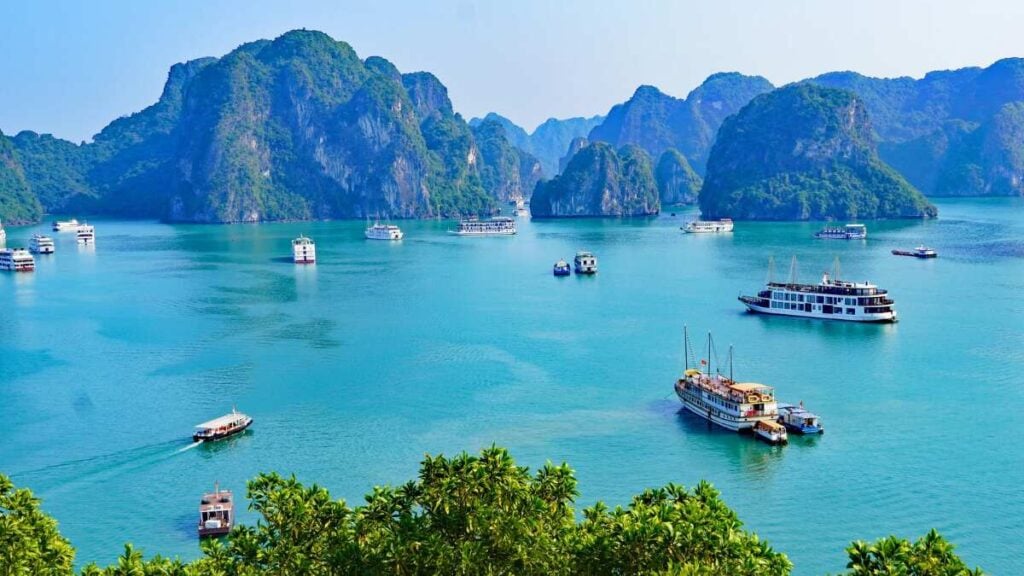
Vietnam welcomed approximately 548,000 Australian visitors in 2025, and it’s easy to see the appeal. From Hanoi’s bustling streets to Hội An’s historic charm, there’s plenty to experience without spending a fortune. But how much should you budget for two weeks? Allow A$900–1,900 per person for budget travel, A$1,850–3,900 for mid–range, or A$4,000–8,700 for a comfortable holiday, excluding flights. Return airfares can add A$600–1,100, with higher prices around Christmas.  Here’s what you can expect to spend on accommodation, food, transport and sightseeing, plus where you can save along the way. How Much Does 2 Weeks in Vietnam Cost from Australia? Your spending depends on accommodation, transport and how many destinations you visit. These estimates assume two people sharing accommodation. Travel style Daily spending 14 days excluding flights Including flights Budget A$40–95 A$900–1,900 A$1,500–3,000 Mid-range A$100–215 A$1,850–3,900 A$2,450–5,000 Comfortable A$215–485 A$4,000–8,700 A$4,600–9,800 Daily spending covers accommodation, meals, local transport and activities. Fortnightly totals also allow for intercity travel, a Ha Long Bay excursion, insurance, visa fees and mobile data. What About Couples and Families? 14 days including flights Budget Mid-range Comfortable Couple A$3,000–6,000 A$4,900–10,000 A$9,200–19,600 Family of four A$5,500–11,100 A$8,850–18,000 A$16,450–34,750 Family estimates assume two adults and two children sharing accommodation where possible. Children’s ages, hotel room requirements and school holiday flights can change the final cost considerably. What Fixed Costs Come Before You Fly? Most Australian passport holders need a visa before visiting Vietnam unless they qualify for an exemption. Vietnam’s eVisa permits stays of up to 90 days. Government application fees are: For application steps and required documents, read our guide on Vietnam eVisa costs and requirements for Australians before applying through the official Vietnam immigration portal. Allow approximately A$60–250 for two weeks of travel insurance, depending on your coverage, age and activities. Motorcycle exclusions deserve attention if you’re planning the Hà Giang loop or riding over the Hải Vân Pass. Vaccination expenses depend on your medical history and recommended immunisations. Arrange a travel-health consultation six to eight weeks before departure where possible. How Much Do Flights from Australia to Vietnam Cost? Airfares vary by departure city, airline, travel dates and baggage allowance.  Route and dates Fare found Sydney–Ho Chi Minh City, 10–24 March 2027 A$696 Melbourne–Hanoi, 10–24 March 2027 A$742 Brisbane–Ho Chi Minh City, 10–24 March 2027 A$912 Perth–Ho Chi Minh City, 10–24 March 2027 A$541 Sydney–Hanoi, 3–17 July 2027 A$1,025 Sydney–Ho Chi Minh City, 19 December 2026–2 January 2027 A$2,424 These are historical search examples, not guaranteed current fares. Checked baggage may cost extra. The Christmas Sydney fare was A$1,728 higher than the March example, adding approximately A$6,900 for four travellers. Cheaper tickets may involve lengthy layovers or limited baggage. Knowing what to expect on flights to Vietnam can help you compare airlines and arrival airports before booking. For a north–south holiday, compare flying into Hanoi and returning from Ho Chi Minh City against a standard return ticket plus domestic transfers. How Much Do Accommodation, Food and Transport Cost? Vietnam offers considerable flexibility in everyday spending, although popular tourist destinations and private services can increase costs. Expense Budget Mid-range Comfortable Accommodation per night A$10–30 A$30–75 A$60–175 Food per day A$15–30 A$30–60 A$70–130 City transport per day A$3–8 A$8–20 A$25–60 Long-distance journey A$20–90 A$50–120 A$120–250 Tours and entry per day A$10–25 A$30–60 A$60–120 Accommodation estimates are per person, assuming shared rooms where applicable. Accommodation In Hanoi’s Hoàn Kiếm district, dormitory beds typically cost A$5–36pernight, while boutique double rooms range from A$61–178. Travellers looking for more luxurious accommodation can expect to pay around A$112–238 per night for a five-star hotel. These promotional examples aren’t nationwide averages. Prices vary by destination, season and hotel category. Food and Transport Local meals are relatively affordable. Numbeo’s Vietnam cost-of-living data has listed inexpensive restaurant meals around A$2.85, although tourist restaurants can charge considerably more. Grab cars and motorbike taxis are useful in major cities. For longer journeys, sleeper buses and trains can cost less than domestic flights, while private drivers offer greater flexibility. What Do Vietnam’s Main Attractions Cost? Attraction Reference admission Approx. AUD Hội An Ancient Town 120,000₫ A$7 Mỹ Sơn Sanctuary 150,000₫ A$8.50 VinWonders Nam Hội An Around 650,000₫ A$37 Củ Chi Tunnels 90,000–110,000₫ A$5–6 Admission prices cover entry to the attractions, while guided tours and transport are generally charged separately.  Ha Long Bay is a larger budget item. Allow approximately A$60–110 for a day excursion, A$220–380 for a mid-range overnight cruise or A$450–900 for a luxury option. Is a Vietnam Package Cheaper Than Booking Independently? Packages can offer competitive value when flights, accommodation and guided activities are included. A 12-day Vietnam Premium package costs from A$4,399 for two people, covering international flights from selected Australian cities, four-star accommodation, guided transport, 15 meals and an overnight Ha Long Bay cruise.  Additional expenses may include: That brings the estimated cost to approximately A$2,500–2,900 per person, excluding departure surcharges. However, the package focuses on northern Vietnam, while an independent fortnight can cover the entire country. Compare destinations, accommodation, activities and travel dates rather than relying on the advertised price alone. How Much Cash Should You Carry in Vietnam? Vietnam uses the dong (VND), and cash remains useful for street food, markets and smaller businesses. Carrying 1–2 million dong, approximately A$57–113, is a reasonable starting point. Withdraw additional cash as needed, checking ATM fees and withdrawal limits. For reference, 100,000₫ is approximately A$5.70, while 500,000₫ is around A$28.50, using an indicative exchange rate of 17,500₫ per Australian dollar. Travellers entering or leaving Vietnam must declare foreign currency exceeding US$5,000 or Vietnamese dong exceeding VND 15 million.  What Does a Sample 14-Day Vietnam Budget Look Like? Planning your route in advance makes it easier to work out how much you’ll spend on accommodation, transport and activities. You can use our day-by-day two-week Vietnam itinerary to map out your journey and estimate costs for each destination.  A possible route includes two nights in Hanoi, an overnight Ha Long Bay cruise, two nights in Huế, four nights in Hội An, three nights in Ho Chi Minh

Vietnam Trip Cost from Australia: A 2-Week Budget, Style by Style Read More »

travelkon vs aldi

TravelKon vs ALDI Mobile International Roaming: Which Is Better for Your Trip?

ALDI Mobile’s international roaming packs look convenient, particularly if you’re already using the provider in Australia. But a cheap seven-day pack can become less appealing when you’re relying on Google Maps, booking transport and sharing photos throughout your holiday. TravelKon offers another way to stay connected, with destination-specific and regional travel eSIMs that provide different data allowances, validity periods and network options. So, is it worth switching your mobile data to a travel eSIM, or does ALDI roaming offer better value? The answer depends on where you’re going, how long you’re staying and how much data you’ll actually use. TravelKon vs ALDI Mobile Roaming at a Glance ALDI lets you use your existing Australian SIM overseas, while TravelKon provides prepaid eSIMs that connect through supported networks at your destination. Feature TravelKon eSIMs ALDI Mobile Roaming Starting price Varies by destination A$5 Data allowances Multiple options by destination 1GB–5GB per pack Validity Varies, including 28–45-day options 7 days Coverage Country, regional and global plans Five roaming packs Calls and SMS Selected plans Global Travel Pack Hotspot Selected plans Device-dependent Excess data Depends on plan conditions PAYG charges may apply Australian number Keep your existing SIM Keep your ALDI number ALDI can be cheaper for short trips with minimal data use. TravelKon becomes worth considering when you need a larger allowance, longer validity or coverage across several countries. How Does ALDI Mobile International Roaming Work? ALDI Mobile offers five roaming packs, each valid for seven days. You’ll need an active eligible ALDI service and must enable international roaming through your account. Roaming Pack Price Inclusions Pacific A$5 1GB Asia A$8 1GB North America A$5 2GB Global Data A$15 2GB Global Travel A$30 5GB, 30 minutes, 50 SMS The Asia pack covers destinations including Indonesia, Japan and Thailand. The Pacific pack includes New Zealand and Fiji, while North America covers the USA, Canada and Mexico. Global packs cover additional destinations, although their country lists differ. To activate roaming, sign in to My ALDI Mobile through a web browser, enable International Roaming and purchase your pack. When you arrive, switch on data roaming for your ALDI line. Watch the activation timing. ALDI packs start when purchased and expire according to Australian Eastern Time. Buying one several days before departure could waste part of its validity, while longer holidays may require multiple packs. Why Consider TravelKon eSIMs Instead? TravelKon lets you choose a prepaid eSIM based on your destination and expected data use rather than relying on a fixed weekly roaming allowance. For example, a three-week Japan holiday may be easier to manage with one 30-day eSIM than several seven-day roaming packs. Larger allowances also provide more room for navigation, messaging and everyday browsing. There are other practical benefits. Some of our plans support hotspot sharing, while regional eSIMs can cover multiple countries without requiring a separate purchase at every border. You can also keep your Australian SIM active for important messages while using our travel eSIMs for mobile data, provided your phone supports the arrangement. Activation rules vary, however. Some plans begin when they first connect overseas, while others require a selected activation date. Checking those conditions before purchasing is important. TravelKon vs ALDI Roaming Across Popular Destinations The better choice becomes clearer when you compare actual travel plans. Here’s how the two options stack up across five popular destinations for Australians. Bali: More Data for Transport and Everyday Use From booking a Grab at Ngurah Rai Airport to navigating Seminyak, mobile data comes in handy almost immediately in Bali. ALDI’s Asia pack provides 1GB for A$8 over seven days. That may cover light browsing, but navigation, social media and video calls can quickly reduce the allowance. TravelKon offers Bali and Indonesia eSIMs with different data allowances and validity periods. Some use local networks, while others provide roaming-based connectivity. You can compare TravelKon’s Indonesia eSIM options to find a suitable plan, checking registration requirements, network coverage and hotspot support before purchasing. For a weekend with limited phone use, ALDI could be enough. A longer Bali holiday may justify a larger data package. Japan: More Flexibility for Longer Holidays Japan is a destination where mobile data gets used frequently. Train directions in Tokyo, translation apps in Kyoto and restaurant searches in Osaka can quickly eat into a small allowance. ALDI’s Asia pack costs A$8 for 1GB over seven days. TravelKon’s Japan 5G eSIM on NTT Docomo offers 3GB–100GB options with validity periods ranging from 10 to 45 days. The 10GB plan costs A$25 for 30 days, while the 20GB option costs A$35 for the same validity period. Hotspot sharing is supported, and speeds reduce to 200kbps after the high-speed allowance is depleted. Travelling beyond Japan? The Asia 5G eSIM 13 Countries is another option to consider if your itinerary includes destinations such as South Korea or Taiwan. New Zealand: Staying Connected on Road Trips ALDI’s Pacific pack costs A$5 for 1GB over seven days, making it reasonable for a short Auckland visit. A campervan holiday from Christchurch to Queenstown is different. Campsite bookings, weather checks and navigation can increase data usage, particularly when several devices are involved. TravelKon’s New Zealand 5G eSIM offers 10GB for A$29 or 30GB for A$49, with both options valid for 30 days. The plan uses One NZ, supports hotspot sharing and reduces speeds to 128kbps once the high-speed allowance is exhausted. Coverage remains limited in some remote areas regardless of provider, so download offline maps before heading into rural regions. Europe and the UK: One Plan Across Multiple Countries A holiday covering London, Paris and Rome can involve frequent border crossings, train bookings and navigation between unfamiliar cities. ALDI’s Global Travel Pack provides 5GB, 30 calling minutes and 50 SMS for A$30 over seven days. TravelKon’s Europe & UK eSIM 48 Countries from Llamaya offers 25GB, 50GB and 80GB options over 28 days. The 25GB option is listed at A$18, while 50GB costs A$35. The plan supports hotspot sharing and includes 50 calling minutes within eligible European destinations, excluding

TravelKon vs ALDI Mobile International Roaming: Which Is Better for Your Trip? Read More »

unlocked phone

How to Check If Your Phone Is Unlocked Before You Travel

Your phone might work perfectly at home, but that doesn’t guarantee it will accept a different SIM overseas. If it’s locked to your mobile carrier, that travel eSIM you purchased or local SIM you planned to use may be useless. Worse, you might not discover the restriction until you’ve landed. Fortunately, checking your phone’s carrier lock status takes just a few minutes, and there are ways to resolve the issue before departure.  How Do I Know If My Phone Is Unlocked? On an iPhone, go to Settings > General > About and check Service Provider Lock. Match what the phone shows using the table below: What you see What it means No SIM restrictions (iPhone) Unlocked A provider name next to the lock label (iPhone) Locked to that provider The new provider’s name and working service after a SIM swap Unlocked An unlock-code prompt, “SIM card isn’t supported” or an invalid SIM error Locked A network lock is different from a SIM PIN or PUK lock, which protects the SIM card, and from Activation Lock, covered in the used-phone section. Why Should You Check If Your Phone Is Unlocked Before Travelling?  A locked phone can still work overseas using your existing provider’s roaming service, provided your plan allows it. What it can’t do is accept a SIM or eSIM from another provider, whether you’re using an iPhone or Android. For Australians travelling overseas, this can limit their options for staying connected. The scale of international travel is considerable, with Australian Bureau of Statistics figures showing 986,250 short-term resident returns in August 2026 alone. Travellers planning to use a local SIM or travel eSIM need to check their phone’s lock status before departure. Otherwise, they could arrive without mobile data for directions to their hotel, transport bookings or translation apps. How to Check If an iPhone Is Unlocked If no carrier lock information appears, as can happen on iOS 13 or earlier, contact your provider to confirm the phone’s status. Understanding what it means if your iPhone is carrier-locked can also help you identify potential restrictions and work out your next steps before travelling.  How to Check If an Android Phone Is Unlocked Samsung On some models, a Network unlock screen under Settings > Connections > More connection settings shows the lock status. The menu doesn’t appear on every model or in every region, so treat a missing menu as “unknown”, not “unlocked”. Google Pixel Pixel phones bought from the Google Store come unlocked. Pixels sold by a carrier may be SIM-locked. Oppo, Xiaomi and Other Brands Most other Android phones don’t show a network-lock status in Settings, so where the phone was bought matters more. The Oppo and Optus X phones amaysim sells, for example, start out locked to the Optus network. On Xiaomi phones, “Mi Unlock status” in Developer options refers to the bootloader, not the network lock, so it doesn’t answer this question. The SIM Swap Test (Any Android Phone) The SIM swap is the most reliable way to tell if a phone is unlocked: An eSIM test works too, but many eSIMs install only once, so a borrowed physical SIM is cheaper. Network-Operator Scan: Why It Isn’t Proof A common tip is to turn off Select automatically under network operators and see whether other networks appear. A locked phone may list them too, because the list shows every network the radio can detect, not the ones it can use. IMEI Checkers vs. Asking Your Provider You can find your phone’s IMEI by dialling *#06#. If the code doesn’t work, there are other ways to find your IMEI number through your device settings.  Online IMEI checkers may claim to identify whether a phone is carrier-locked, but these third-party services aren’t always reliable. For a more dependable answer, contact your mobile provider directly. Telstra, for example, can use your IMEI to check the device’s lock status and explain any unlocking requirements or fees. Australia’s AMTA IMEI checker serves a different purpose. It helps identify phones reported lost or stolen rather than confirming whether they’re carrier-unlocked. Phone Locked? How Telstra, Optus and Vodafone Unlock It Provider How to request Fee Lead time Telstra Call 13 22 00 and say “unlock device option” (Mon–Fri, 9 am–8 pm AEST) $80 if never activated or active six months or less; $25 from six months to two years; free after two years Up to 7–10 days Vodafone Online tool: IMEI 1, plus an active SIM from another provider inserted Plan devices free; outright prepaid $50 under six months, $25 after Not stated Optus Online IMEI process for prepaid devices; have your mobile number, IMEI and a PayID payment method ready Not listed on the landing page; confirm before paying Not stated Who each process covers: To unlock a Telstra phone, request it as soon as the check fails, and back up the phone before any unlock. Enter Vodafone codes carefully: several wrong entries can network-block the device, and then it can’t be unlocked online. Other Providers Smaller brands such as amaysim, Boost and ALDI Mobile run on the big three networks. Start with the brand that sold the phone: quote the IMEI and ask whether it’s locked, the cost and the lead time. What If You Bought the Phone Second-Hand or Overseas? Only the network the phone is locked to can unlock it, not a Marketplace or eBay seller. A phone from a Vodafone store in London needs that UK provider, not Vodafone Australia. Before buying a used phone: A phone bought overseas can be unlocked and still fail in Australia. All three Australian networks closed 3G by November 2024, and a number of relatively new imported models don’t meet Australian standards and have been disconnected. Ask your new provider to confirm the exact model works on its network before buying. What If It Still Doesn’t Work? A carrier lock isn’t the only reason your phone might show no service. Incorrect settings can also prevent a connection, including data roaming being disabled on

How to Check If Your Phone Is Unlocked Before You Travel Read More »